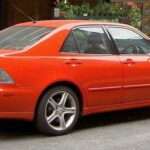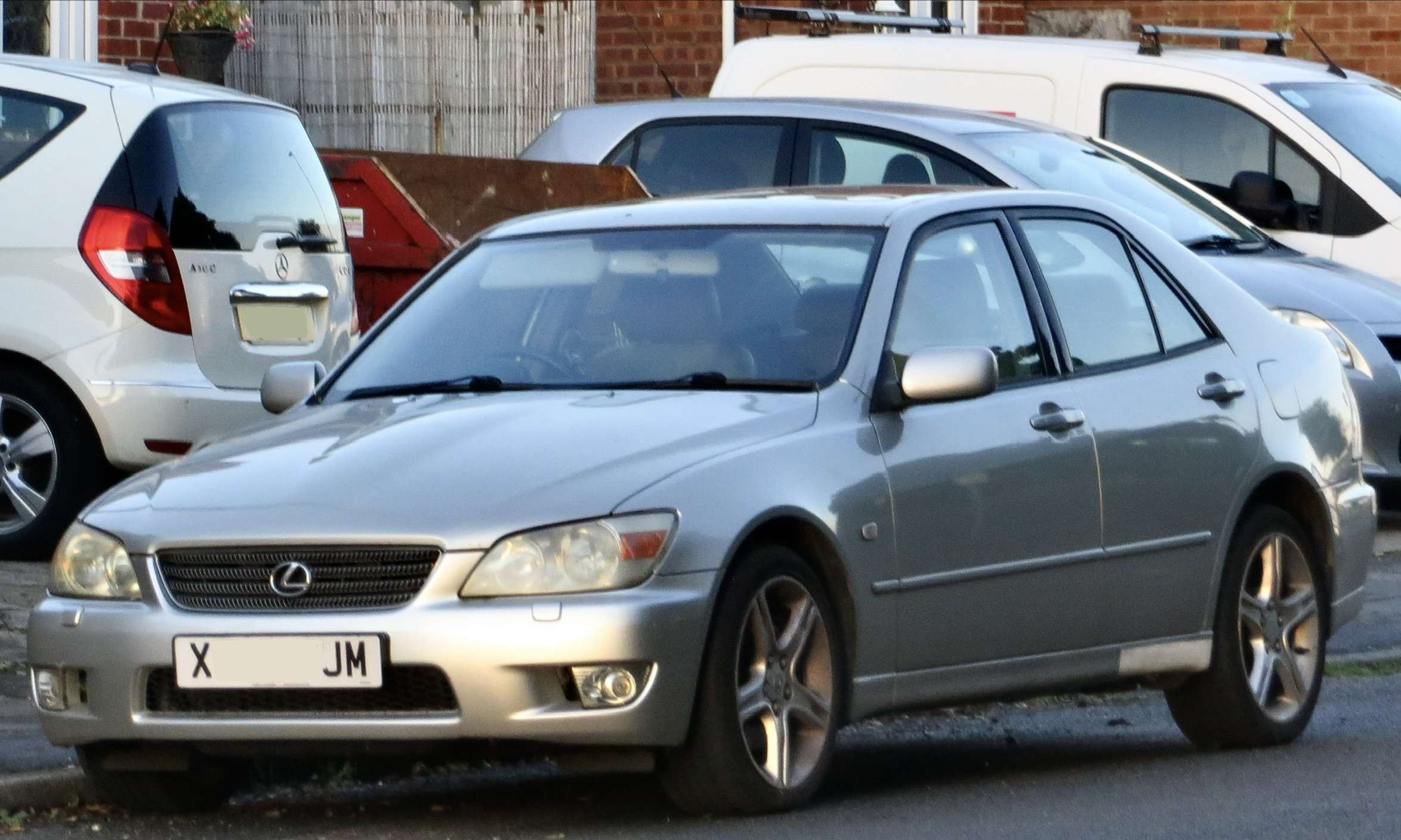
The original Lexus IS200 gave European buyers a compact rear-wheel-drive alternative to the BMW 3 Series. Its straight-six engine, crisp styling and jewel-like instruments made it memorable, while Toyota’s Altezza versions created a much broader performance story in Japan.
1. It began life as the Toyota Altezza
The XE10 platform was launched in Japan in 1998 as the Toyota Altezza before reaching Europe as the Lexus IS200 in 1999. Altezza roughly translates as highness in Italian, and the Japanese range included engine choices and sporting versions that Europeans never officially received.
2. The European car used a two-litre straight-six
The IS200’s 1G-FE engine displaced 1,988cc and used Toyota’s variable valve timing. It produced around 153bhp, prioritising smoothness and refinement over outright pace. The compact saloon’s rear-wheel-drive layout and six-cylinder character distinguished it from most similarly sized Japanese rivals.

3. Its six-speed manual was a major selling point
Lexus offered the IS200 with a close-ratio six-speed manual as well as an automatic. The manual’s short gearing helped compensate for limited low-speed torque and gave the car an enthusiast appeal rarely associated with Lexus at the time.
4. Those famous rear lights changed car styling
Clear outer lenses with visible individual lamps became popularly known as Altezza lights after the Japanese-market car. The look spread through the aftermarket worldwide and influenced factory styling, making the IS one of the rare saloons whose tail-lamp design became an entire tuning trend.
Love cars you don’t see every day?
Get forgotten cars, surprising motoring stories and the most interesting finds from Unusual Cars by email.
Free to join. No spam. Unsubscribe whenever you like. See our Privacy Policy.
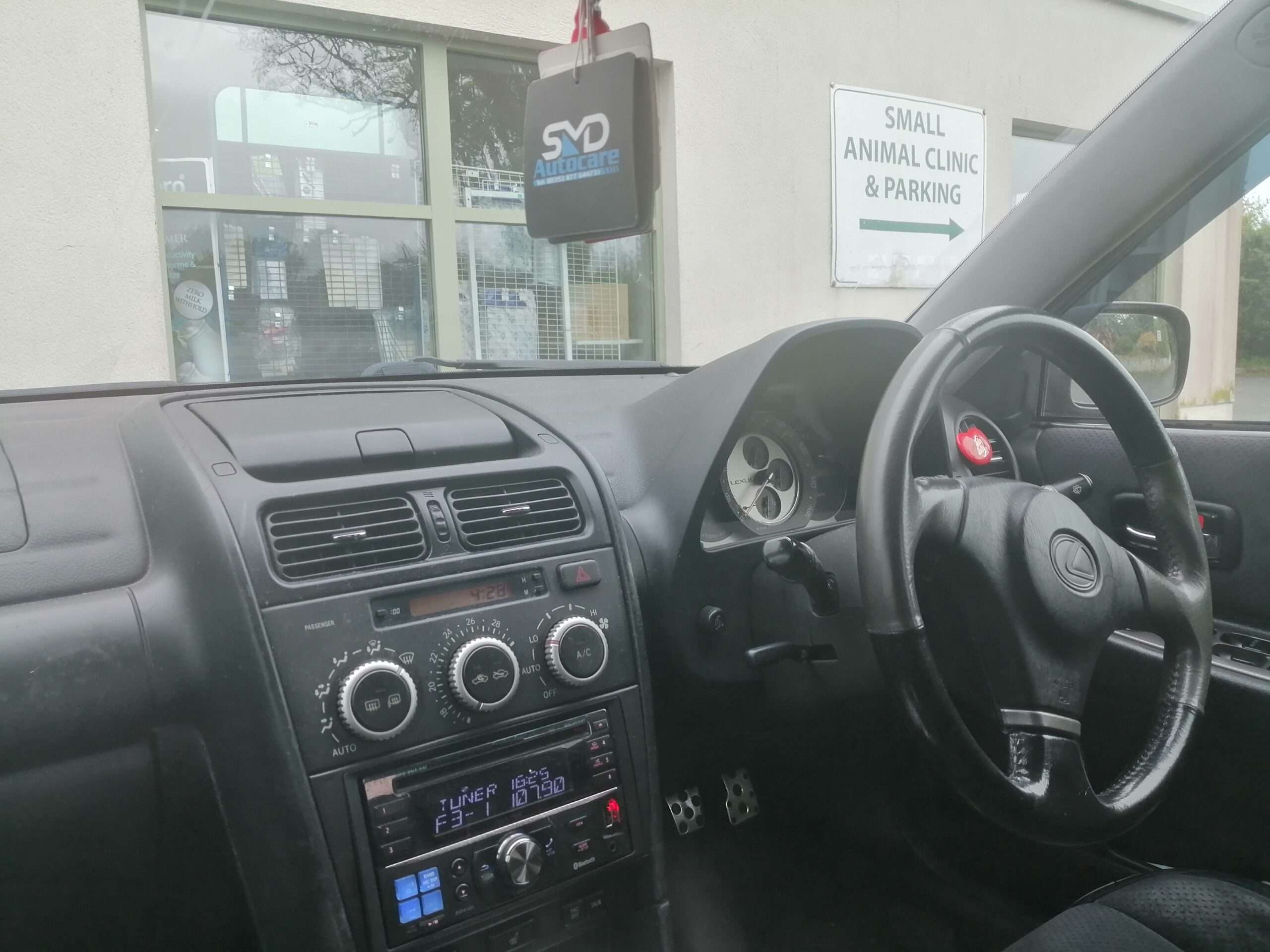
5. The dashboard borrowed from a chronograph
Its instrument cluster placed smaller fuel, temperature and economy displays within a large central dial arrangement inspired by precision watches. The design was much more theatrical than typical Toyota instrumentation and helped establish the youthful identity Lexus wanted for its smallest model.
6. Japan received the high-revving RS200
The Altezza RS200 used Toyota’s 3S-GE four-cylinder with a Yamaha-developed cylinder head and dual variable valve timing. In its most powerful manual form it produced about 210PS, making it a substantially more aggressive car than the smooth European IS200 despite sharing the same basic body.
7. America received a larger engine
North American buyers knew the car mainly as the IS300, powered by a 3.0-litre 2JZ-GE straight-six. Britain later received the IS300 too, usually with an automatic gearbox, giving the compact Lexus more effortless performance and a connection to Toyota’s celebrated JZ engine family.
8. There was an estate called SportCross
The five-door SportCross combined estate practicality with the same rear-drive platform and distinctive cabin. UK examples were sold mainly as IS200 or IS300 automatics and remain much rarer than saloons, particularly in clean, unmodified condition.
9. The BTCC connection was real but brief
Independent teams raced the IS200 in the British Touring Car Championship during the early 2000s. It never achieved the success of the dominant factory programmes, but seeing a compact Lexus in one of Britain’s most visible championships strengthened the car’s sporting image.
10. Rust and modifications now separate the best cars
Mechanically durable engines can disguise neglected bodies. Rear sills, inner arches, jacking points and suspension mounting areas deserve careful inspection. Many cars were lowered, drifted or heavily modified, so original suspension, wheels, intake systems and documented maintenance increasingly add value.
Why it matters
The IS200 matters because it was the moment Lexus stopped being solely an executive-luxury brand in Europe. It combined Toyota durability with rear-drive balance and design details bold enough to influence an entire generation of modified cars.
Join the Unusual Cars Club
Get more forgotten performance cars, surprising motoring stories and new 10 Things articles by email.
Free to join. No spam. Unsubscribe whenever you like. See our Privacy Policy.