10 THINGS YOU PROBABLY DIDN’T KNOW
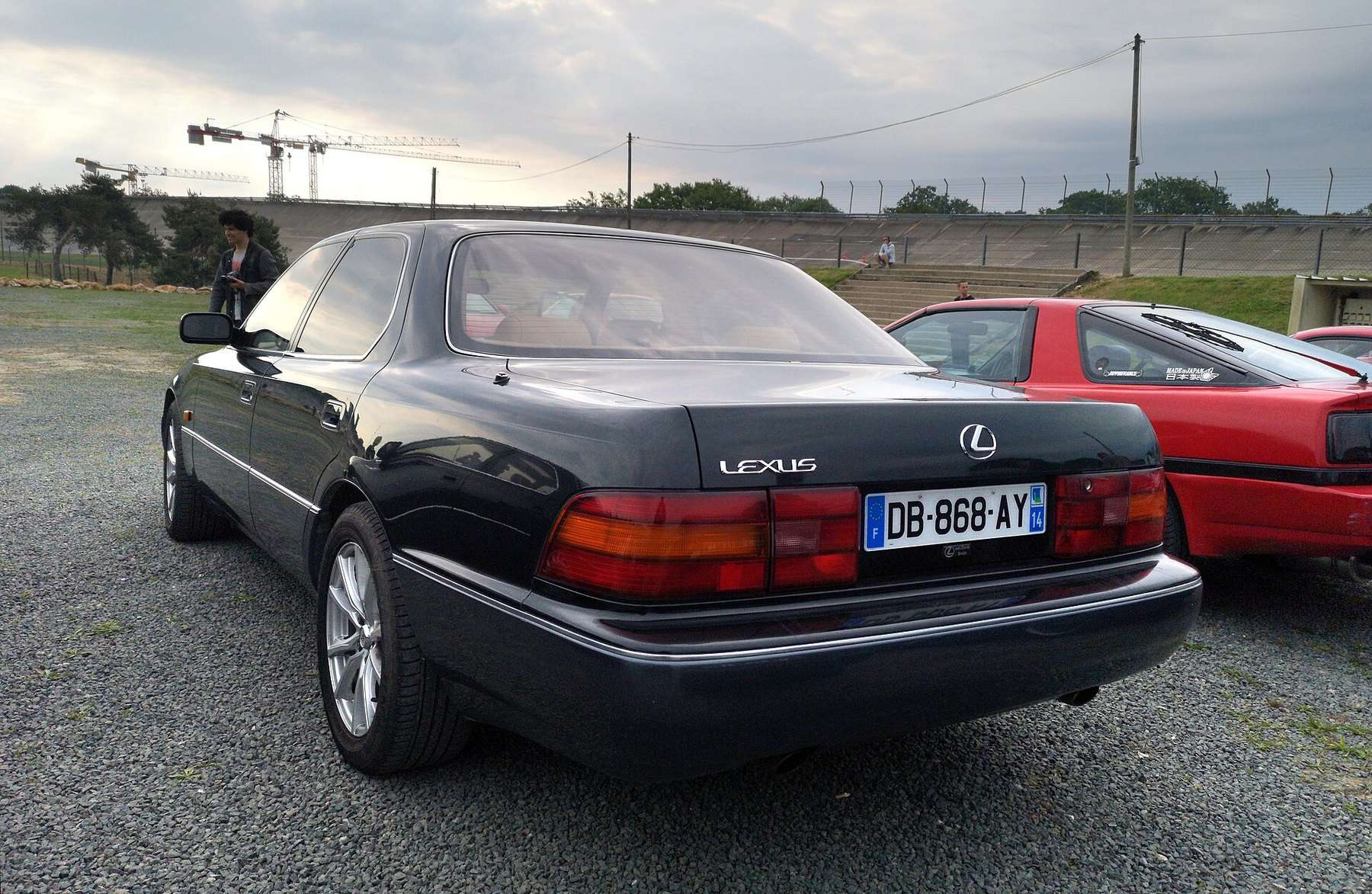
The original Lexus LS400 did more than launch a new model: it launched an entirely new luxury marque and forced established rivals to rethink refinement, reliability and customer care. Behind its restrained styling was one of the most ambitious development programmes Toyota had ever attempted.
1. The project was called F1—but it had nothing to do with racing
Toyota’s internal F1 designation meant Flagship One. Chairman Eiji Toyoda issued the challenge in 1983: create a luxury performance saloon capable of competing with the world’s best without simply copying an existing Toyota. The LS400 name was not chosen until 1988, shortly before the finished car’s public debut.
2. Toyota devoted thousands of people to one car
Lexus records that 60 designers, 24 engineering teams, about 1,400 engineers and 220 support staff contributed to the programme. Some 450 running prototypes were built, beginning in 1985. The scale explains why the first LS felt unusually mature for the debut product of a brand nobody had heard of.
3. The new V8 was designed specifically for the flagship
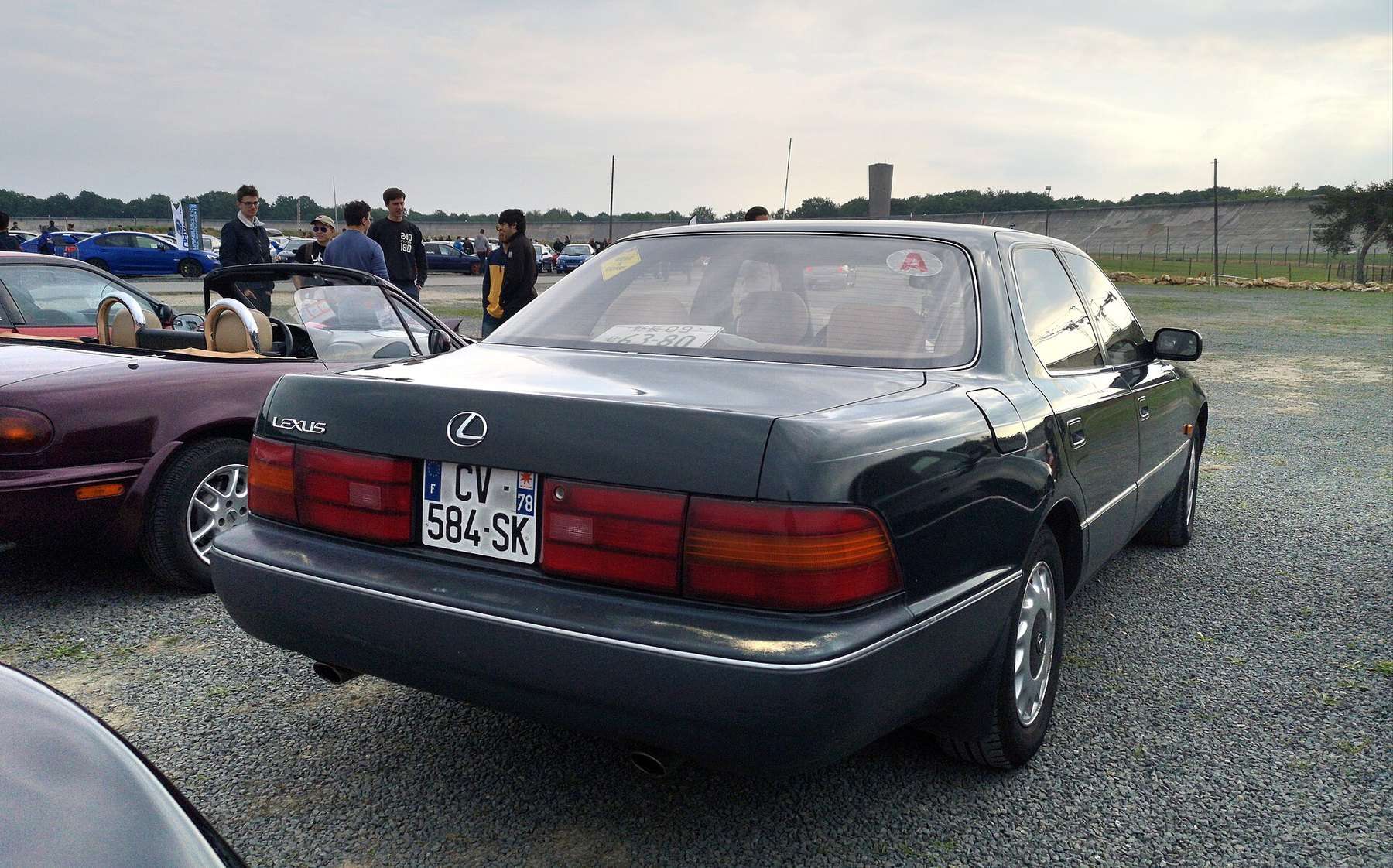
The 3,969cc 1UZ-FE used an aluminium block and heads, four camshafts and 32 valves. The UK launch specification quoted 241bhp. It was engineered for exceptional smoothness and durability rather than a dramatic exhaust note, yet it also gave the large saloon effortless high-speed performance.
4. Its quietness was attacked at the source
Engineers did not merely add thick carpets and insulation. Lexus described a ‘countermeasures to source’ approach: reduce vibration, airflow disturbance and mechanical noise before they entered the cabin. Wind-tunnel testing even placed microphones inside prototypes to find tiny changes that would cut wind noise.
Love cars you don’t see every day?
Get forgotten cars, surprising motoring stories and the most interesting finds from Unusual Cars by email.
Free to join. No spam. Unsubscribe whenever you like. See our Privacy Policy.
5. The famous champagne-glass advert was grounded in engineering
Lexus balanced glasses on the bonnet while the V8 drove the rear wheels on a rolling road. The stunt became a memorable demonstration of low vibration, not just an advertising fantasy. It neatly summarised the car’s brief: serious performance delivered without making occupants feel that the machinery was working hard.
6. Aerodynamics mattered underneath as well as on top
A drag coefficient of about 0.29 was remarkable for a large, upright luxury saloon of the period. Lexus smoothed the underside with dedicated fairings and paid attention to mirrors, glazing and body sealing, helping refinement, stability and fuel economy at motorway speeds.
7. An ‘anti-ageing’ programme studied 96 critical areas
The aim was for a 50,000-mile LS400 to feel much like a new one. Engineers investigated fading paint and trim, corrosion, seal deterioration, component wear, squeaks and rattles. That long-life thinking helped create the durability reputation that still makes early LS400s attractive as usable classics.
8. Britain received Lexus with just this one model
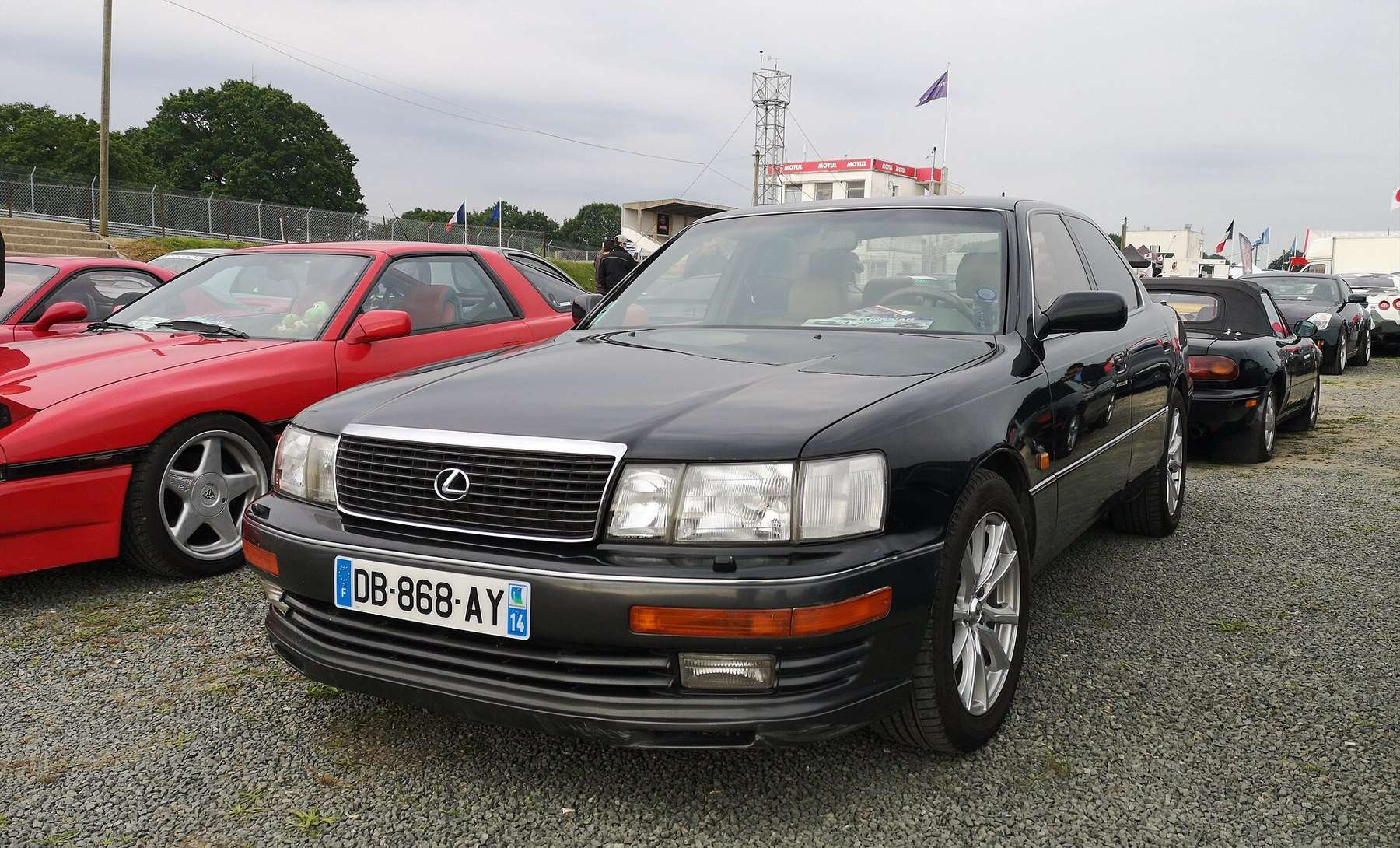
Lexus arrived in the UK in June 1990 with the LS400 as its sole offering. That made the car carry the credibility of the entire new marque. It entered a market dominated by Jaguar, BMW and Mercedes-Benz, yet its equipment, refinement and ownership experience quickly established Lexus as a serious alternative.
9. The second generation involved far more than a facelift
The 1995 LS400 looked evolutionary, but Lexus said more than 1,700 improvements had been made. It was lighter, roomier and more aerodynamic, with a longer wheelbase and revised V8. This conservative visual progression helped preserve the original car’s identity while changing much of what lay underneath.
10. Its impact extended beyond engineering
Lexus paired the LS400 with a new approach to dealer presentation and customer care. By 1991 Lexus had become America’s leading luxury import marque. The car proved that buyers would accept a new Japanese premium badge if product quality and the ownership experience were convincing enough.
Join the Unusual Cars Club
Get more forgotten performance cars, surprising motoring stories and new 10 Things articles by email.
Free to join. No spam. Unsubscribe whenever you like. See our Privacy Policy.
Explore more 10 Things articles
Discover more cult cars, performance legends and motoring surprises in the Unusual Cars 10 Things hub.
Sources and further reading
- Lexus Media: first-generation LS400 archive
- Lexus Media: designing the original Lexus
- Lexus: 1990 UK launch information
Featured image: Photograph by crash71100, CC0, via Wikimedia Commons; locally hosted.