10 THINGS YOU PROBABLY DIDN’T KNOW
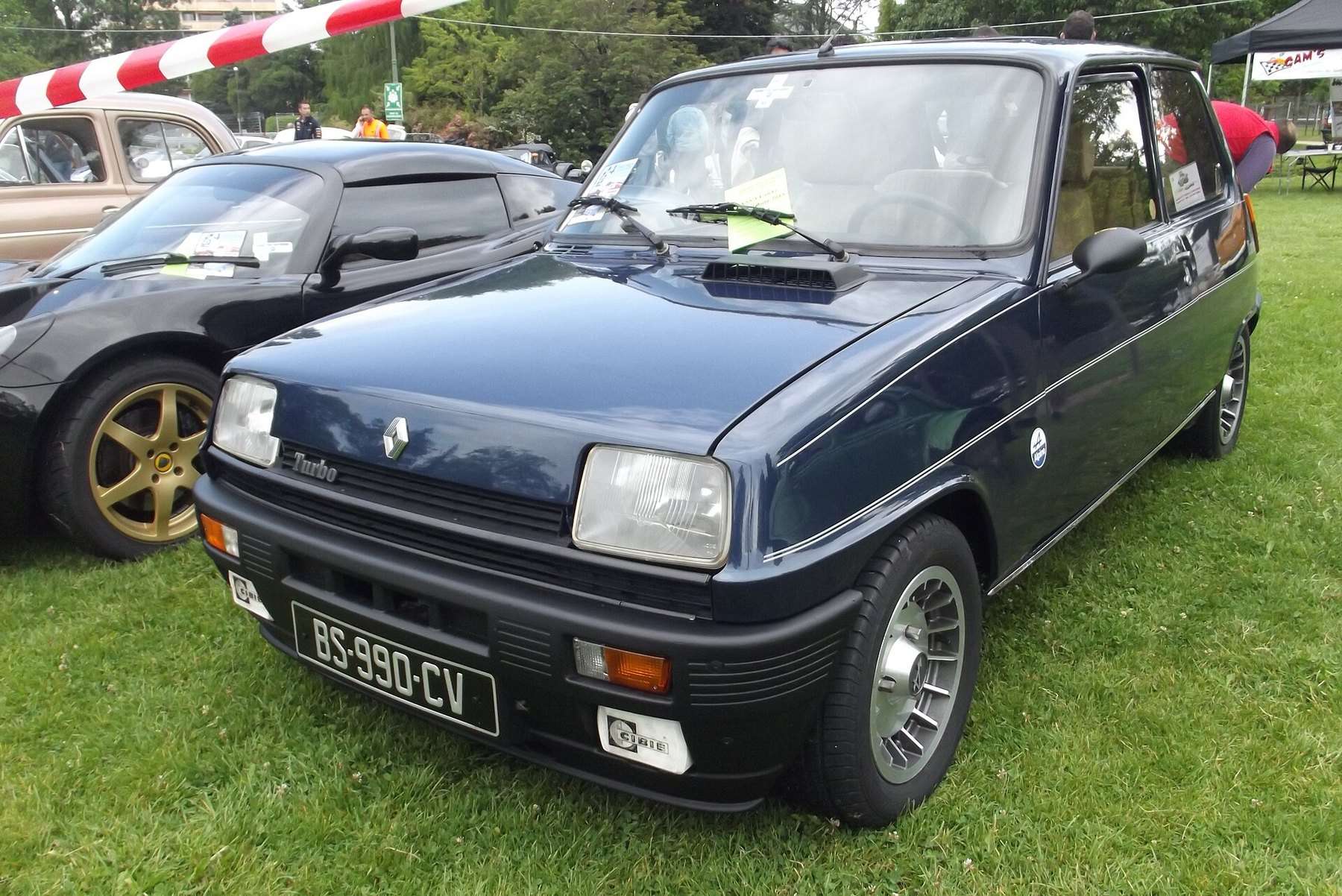
Before the mid-engined Renault 5 Turbo became a rally icon and before the Supercinq-based GT Turbo filled British streets, Renault sold a much subtler front-wheel-drive hot hatch. In Britain it wore the legendary Gordini name for a surprisingly practical legal reason.
1. It was called Alpine Turbo almost everywhere else
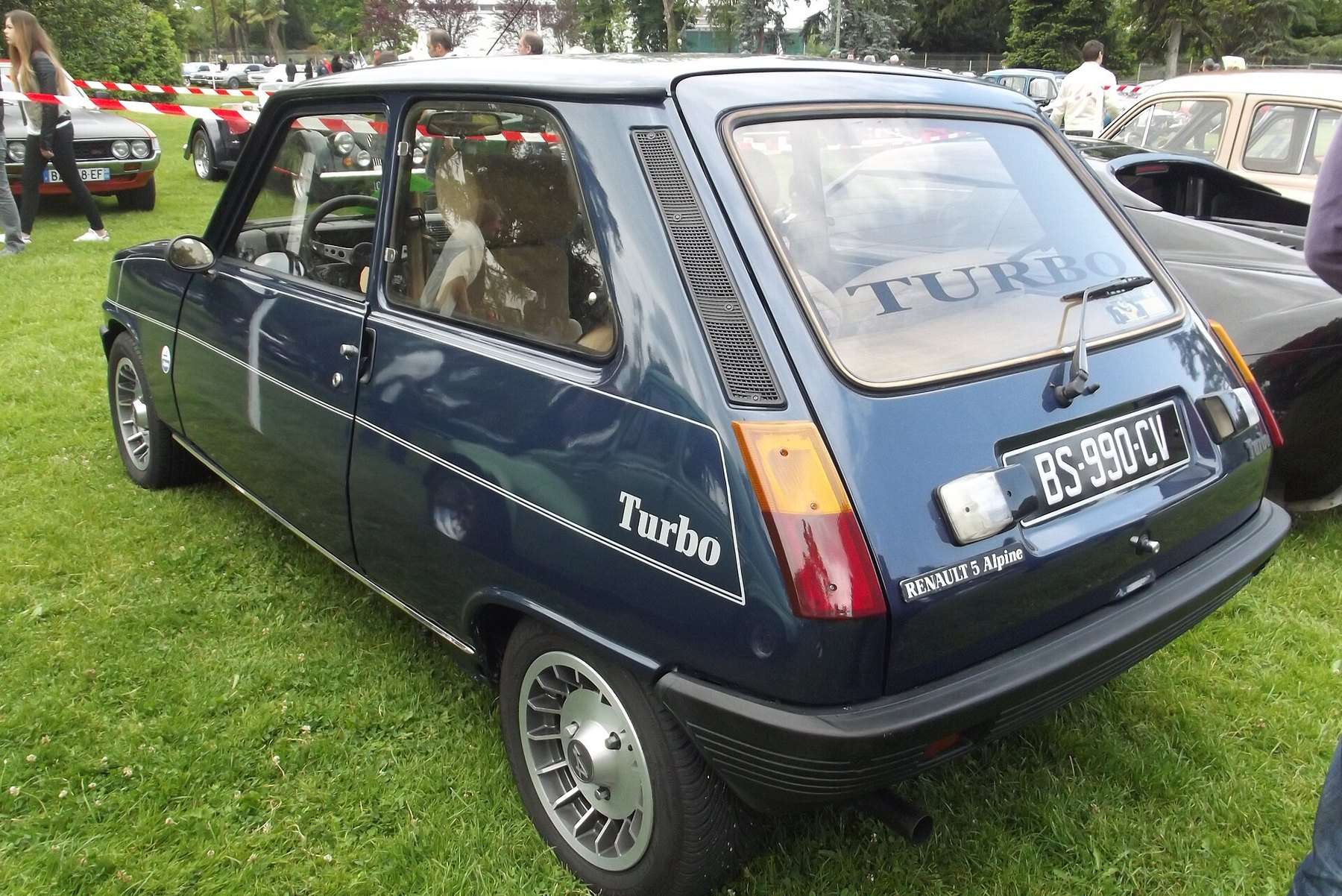
Renault launched the 5 Alpine in continental Europe in 1976. The Alpine name was already protected in Britain and Ireland, so the right-hand-drive car arrived here as the Renault 5 Gordini. When the turbocharged version followed, Britain therefore received the Gordini Turbo rather than the Alpine Turbo.
2. The first British Gordini appeared before the turbo
The normally aspirated 1,397cc Gordini reached Britain in 1979 with 93 DIN horsepower and a five-speed gearbox. It was one of the early small European hatchbacks developed as a complete performance model, rather than a base car with decorative stripes and a larger carburettor.
3. Its engine remained an old-school pushrod design
The turbo car still used Renault’s long-lived iron-block, overhead-valve Cléon-Fonte four-cylinder rather than a fashionable twin-cam unit. A crossflow aluminium cylinder head, special pistons and a twin-choke carburettor helped turn humble architecture into a credible performance engine.
4. A Garrett turbo lifted output to 110 horsepower
Renault introduced the Alpine Turbo in 1981, with British sales under the Gordini Turbo name continuing until 1984. The 1,397cc engine produced 110 DIN horsepower at 6,000rpm—nearly a fifth more than the non-turbo version—and Renault quoted a top speed above 185km/h.
Love cars you don’t see every day?
Get forgotten cars, surprising motoring stories and the most interesting finds from Unusual Cars by email.
Free to join. No spam. Unsubscribe whenever you like. See our Privacy Policy.
5. The carburettor sat before the turbocharger
Unlike later blow-through arrangements, the Gordini Turbo used a draw-through system in which the turbo inhaled the fuel-air mixture from the carburettor. It worked, but brought limitations for charge cooling and throttle response. The later 5 GT Turbo adopted a different installation on a new-generation body.
6. All four wheels had disc brakes
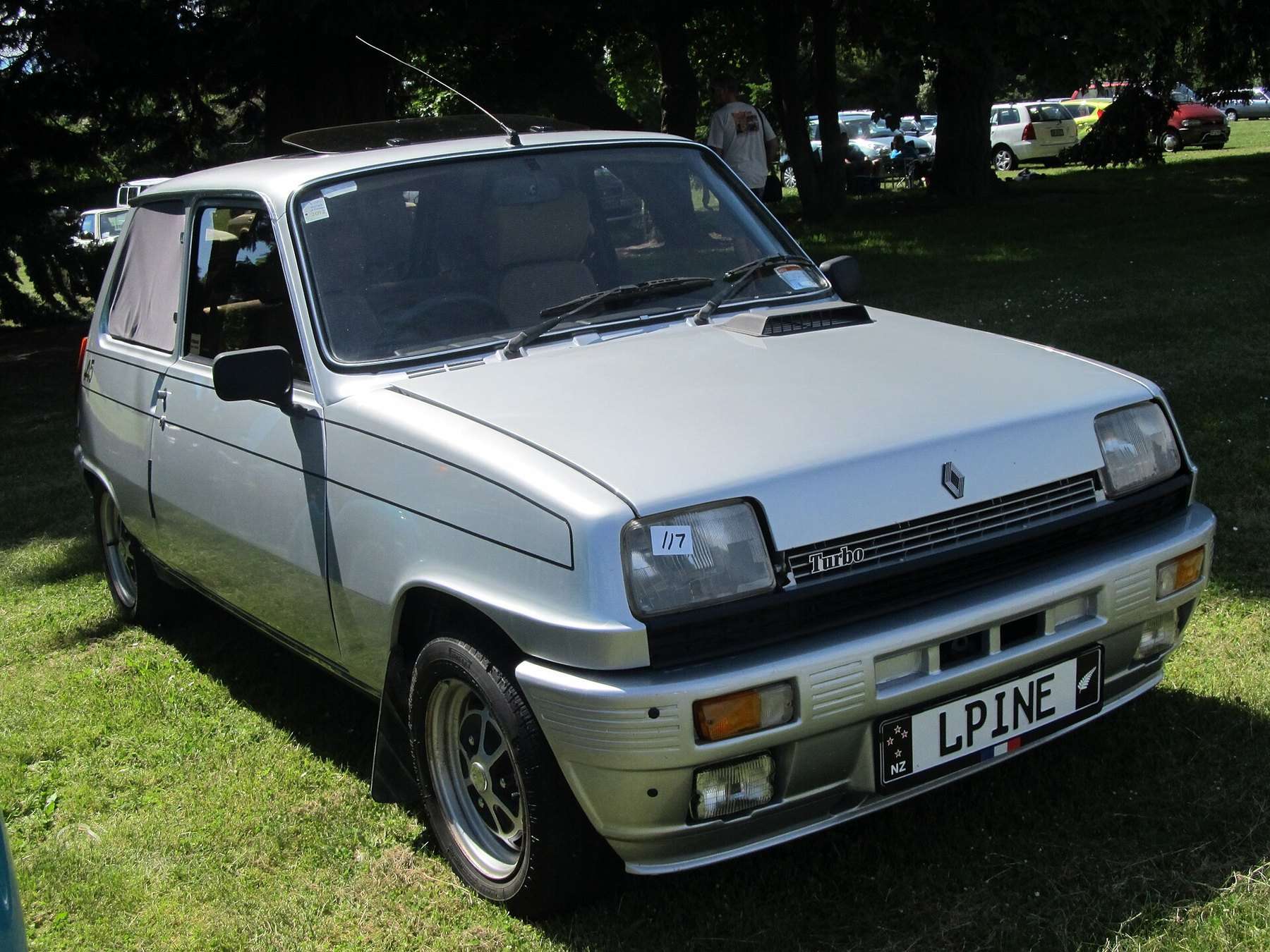
Four-wheel discs were unusual on a small hatchback in the early 1980s. They underlined that Renault treated the Gordini Turbo as a serious performance model. Wider wheels, firmer suspension and the distinctive front air dam completed a package that looked restrained beside the mid-engined 5 Turbo.
7. It was not the same car as the Renault 5 Turbo
The names cause endless confusion. The Gordini Turbo kept the ordinary Renault 5’s front-engine, front-wheel-drive layout and rear seats. The Renault 5 Turbo moved a different turbo engine behind the front seats, drove the rear wheels and used radically widened bodywork for rally homologation.
8. Turbo lag was part of the period character
The car’s modest compression ratio and early turbo technology meant a noticeable pause before full boost arrived. Contemporary road testers learned to keep the engine working and plan overtakes. That sudden transition from ordinary hatchback to boosted acceleration is central to the car’s appeal today.
9. It bridged two generations of hot Renault 5
Production ended in 1984 as Renault prepared the second-generation Supercinq. The new GT Turbo appeared in 1985 with a different shell and became far better known in Britain. The Gordini Turbo is therefore the rarer missing link between the original 5 Alpine/Gordini and the celebrated GT Turbo.
10. The badge connected it to Amédée Gordini’s legacy
Renault had used the Gordini name on tuned Dauphines and the blue 8 Gordini long before the 5. Although the British name resulted from trademark necessity, it gave this compact turbo hatch a direct association with one of France’s most respected performance engineers—and a distinct identity never used on continental cars.
Join the Unusual Cars Club
Get more forgotten performance cars, surprising motoring stories and new 10 Things articles by email.
Free to join. No spam. Unsubscribe whenever you like. See our Privacy Policy.
Explore more 10 Things articles
Discover more cult cars, performance legends and motoring surprises in the Unusual Cars 10 Things hub.
Sources and further reading
- Renault Classic: Gordini-badged Renault models
- Renault Group: performance technology from track to road
Featured image: Photograph by Handelsgeselschaft, CC BY-SA 4.0, via Wikimedia Commons; locally hosted.