Renault unveiled the Sport Spider in 1995. With upward-opening doors, exposed aluminium and a version that dispensed with a windscreen, it made a striking introduction to the Renault Sport road-car badge.
1. The first version used an air deflector
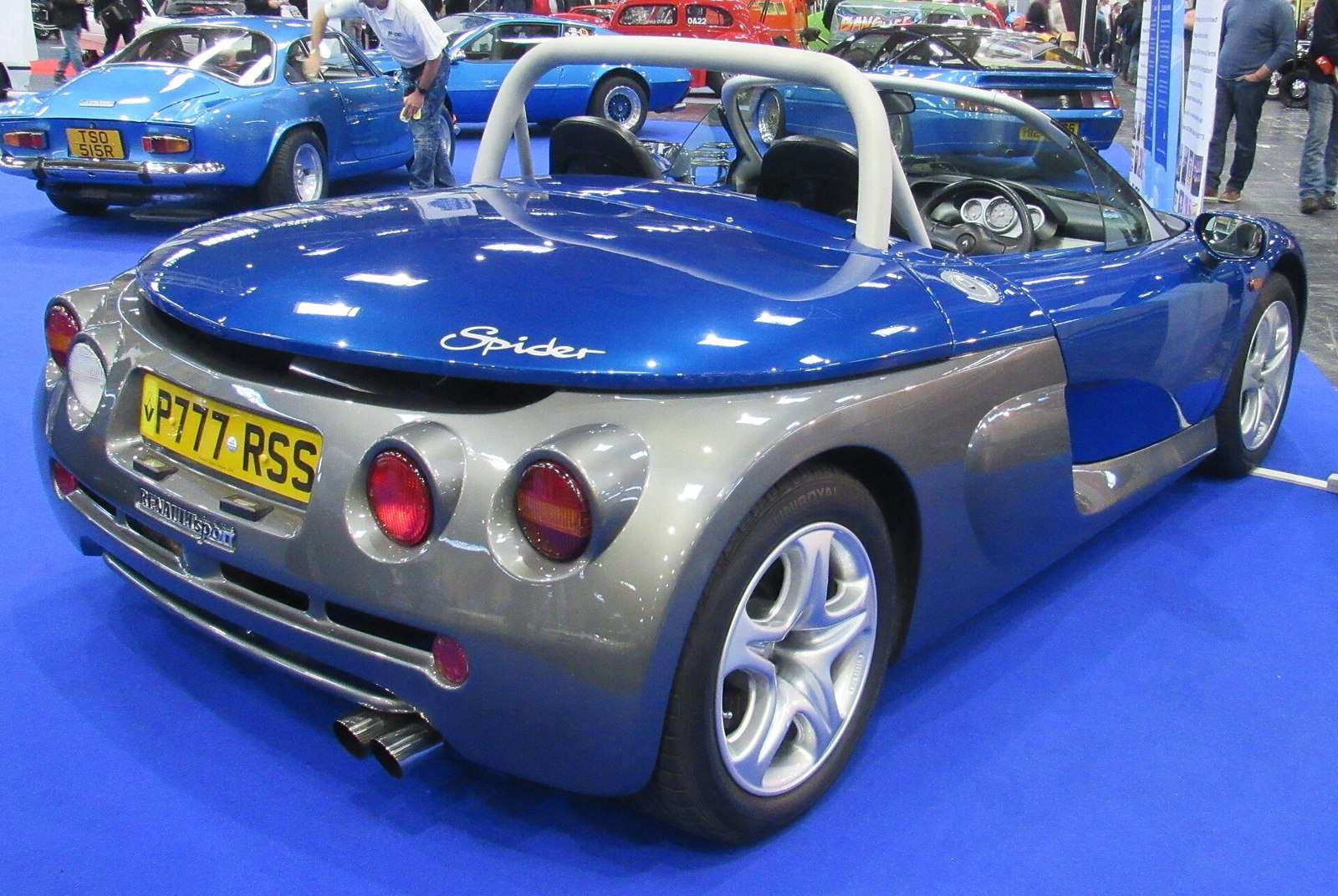
Renault’s original open design directed air over the occupants with a small deflector. A full windscreen followed as an alternative. It is the quickest way to tell the two road configurations apart in photographs.
2. The chassis was aluminium
Renault built the structure around aluminium sections and covered it with composite panels. The result was closer to the construction of a small racing car than to an open version of the contemporary Clio.
3. The doors went upwards
The narrow cockpit and high sills gave Renault a good reason to use upward-opening doors. They were practical in context, and made the bright two-tone body even more memorable.
4. A familiar Renault engine sat behind the seats
The naturally aspirated 2.0-litre 16-valve four belonged to the same engine family as the Clio Williams unit. Here the installation was mid-engined and drove the rear wheels through a five-speed gearbox.
Love cars you don’t see every day?
Get forgotten cars, surprising motoring stories and the most interesting finds from Unusual Cars by email.
Free to join. No spam. Unsubscribe whenever you like. See our Privacy Policy.
5. Dieppe brought its own history
The Spider was built at Alpine’s Dieppe factory. That connection helps explain how a mainstream Renault badge appeared on a low-volume aluminium sports car with so little in common with the company’s family hatchbacks.
6. It helped launch Renault Sport as a road-car identity
Renault Sport was already associated with competition. The Spider put the name on a dedicated road model ahead of the hot Clios and Méganes that would make it much more familiar in Britain.
7. The race car had its own series
Renault created the Spider Trophy for one-make racing. The competition cars were related to the road version but had their own preparation, so their specification and equipment should be kept separate.
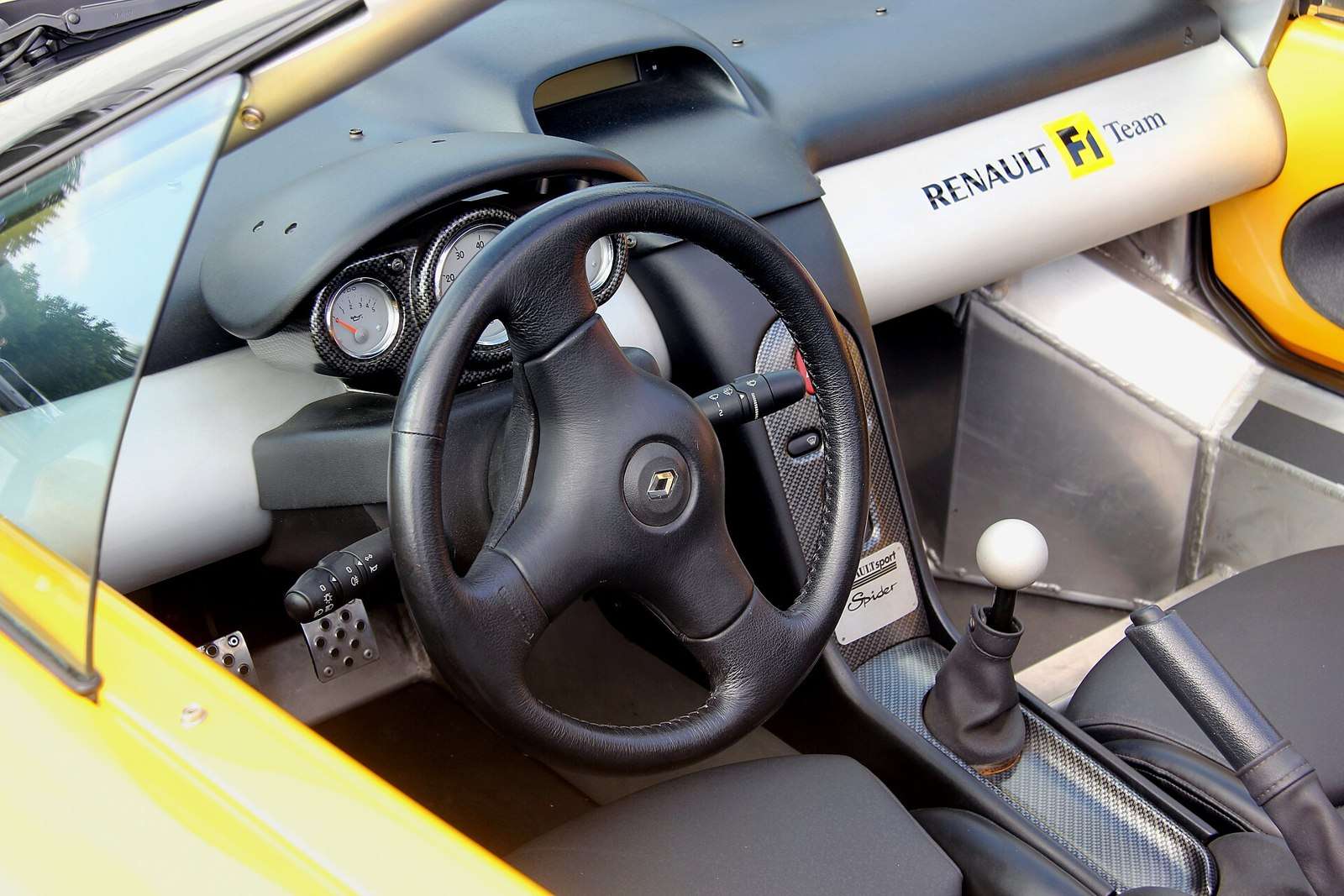
8. Even the windscreen version was sparse
Adding glass changed the wind exposure, but the car remained open and minimal. The frame, low doors and simple cockpit kept the driving experience very different from that of a conventional convertible.
9. The engine was chosen for response
With around 150 metric horsepower in standard road form, the Spider depended on a light structure and a direct chassis. The modest output looks surprising beside photographs that make the car resemble an exotic.
10. The show debut came before customer cars
The Sport Spider appeared at Geneva in 1995, before its road-car production run. Its original crowd-pulling recipe still works: bright panels, unusual doors and a cockpit that seems barely enclosed.
Explore more 10 Things articles
Browse the Unusual Cars 10 Things hub.
Sources and further reading
Featured image: Blue Renault Sport Spider with a windscreen. Photo by Vauxford via Wikimedia Commons (CC BY-SA 4.0, resized).
Join the Unusual Cars Club
Get more forgotten performance cars, surprising motoring stories and new 10 Things articles by email.
Free to join. No spam. Unsubscribe whenever you like. See our Privacy Policy.