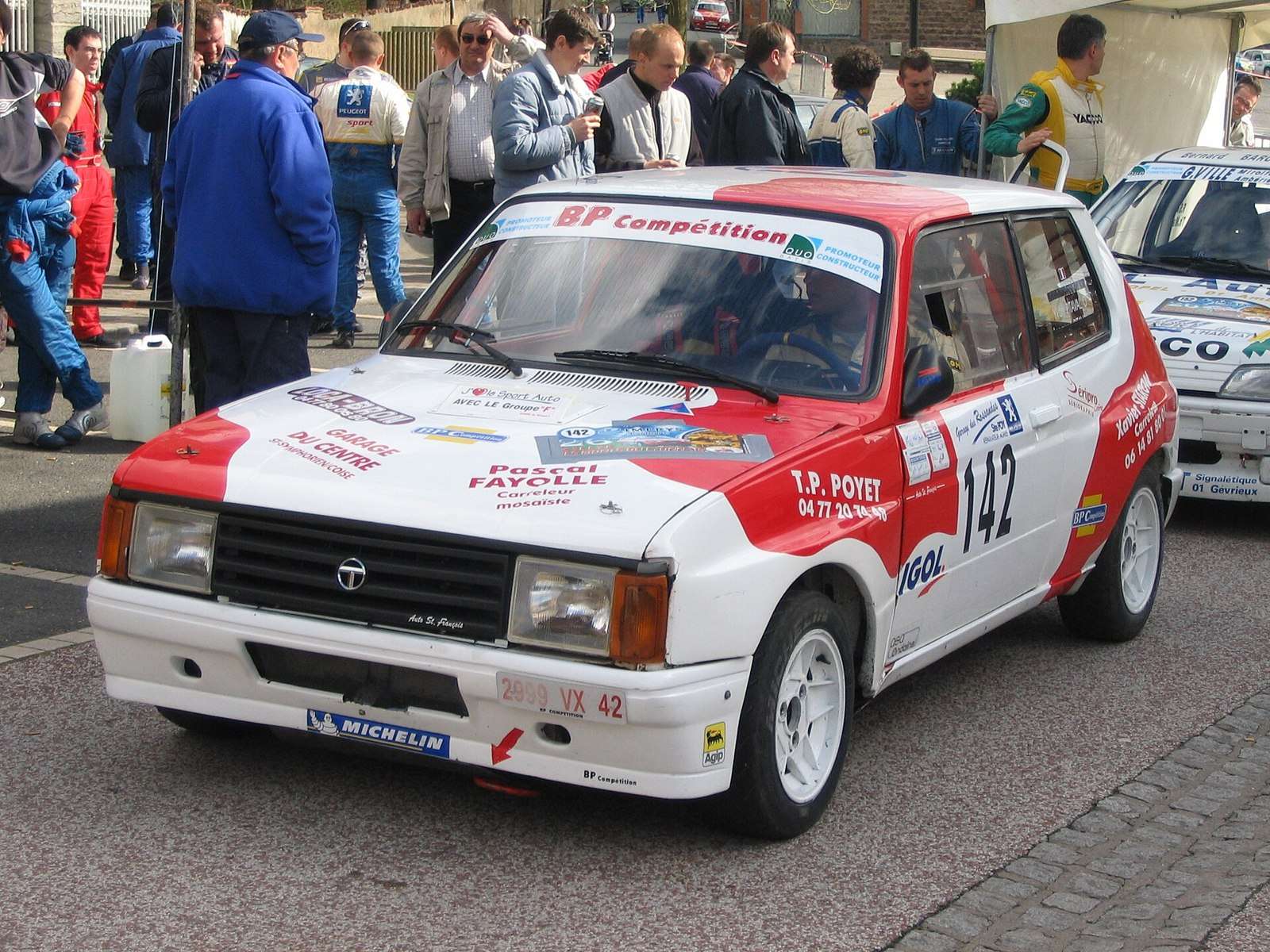
Park a Talbot Samba beside a Group B poster car and most people would never guess they shared an FIA rulebook. The little Rallye is a reminder of how broad that famous category really was.
1. Group B began with paperwork
The FIA archive lists the Talbot Samba Rallye under Group B homologation number 232 from January 1983. That approval made it eligible to compete in class. It says nothing on its own about how much power a showroom car made.
2. The main French rally base was just 1,219 cc
That figure is recorded on the FIA paperwork. It put the Samba at the small end of the Group B spectrum and is a sound starting point when identifying which engine a competition history refers to.
3. A UK Rallye could have a different engine
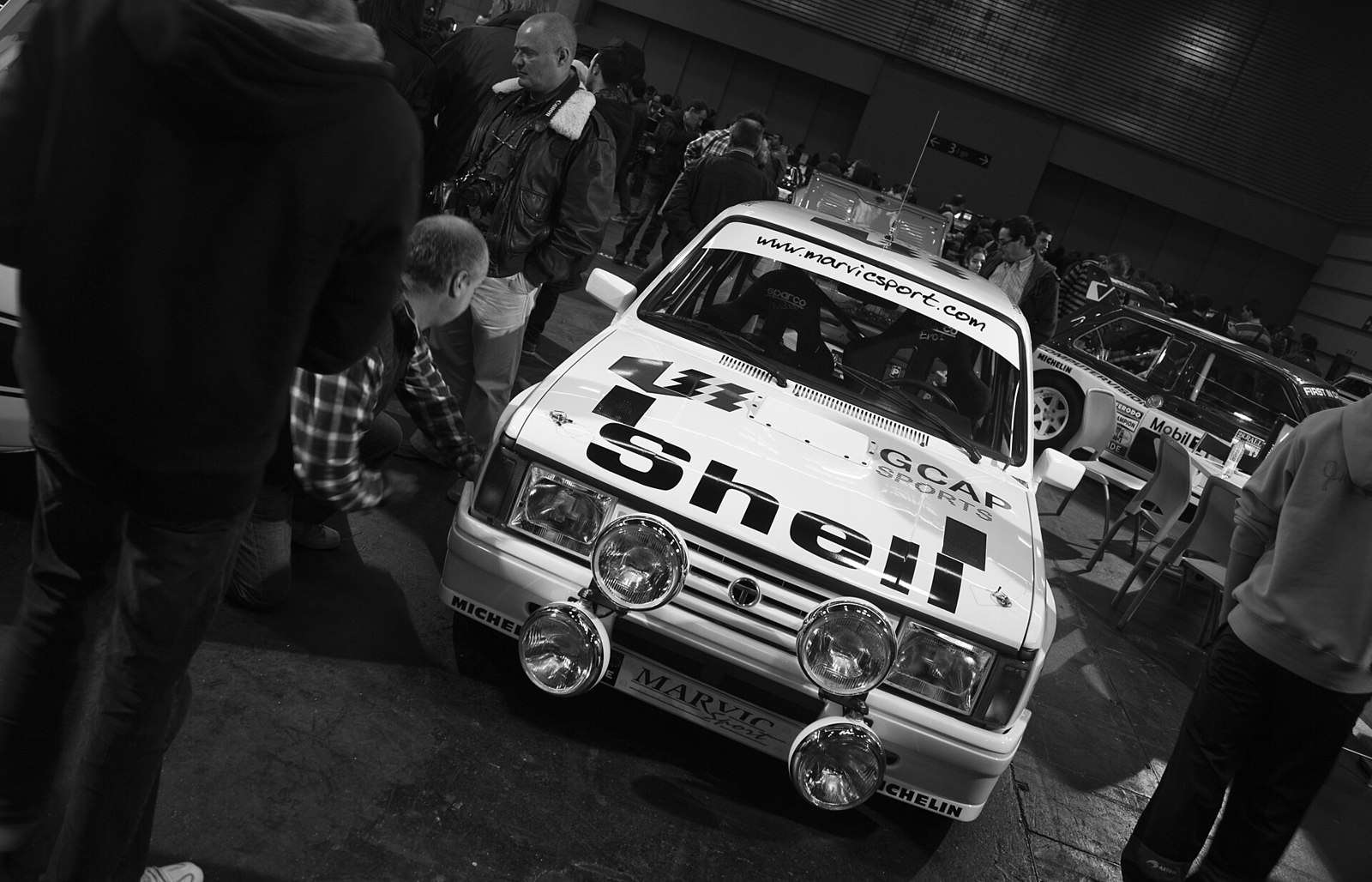
Period model history records a 1,360 cc basis for the UK version. French-market specifications and British-market brochures therefore need to be read separately. The same badge does not make every Rallye mechanically identical.
4. It had ordinary supermini relatives
The Samba belonged to the small-car family that also included the Peugeot 104 and Citroën’s related hatchbacks. That shared engineering explains how a modest Talbot could become the starting point for a competition derivative.
Love cars you don’t see every day?
Get forgotten cars, surprising motoring stories and the most interesting finds from Unusual Cars by email.
Free to join. No spam. Unsubscribe whenever you like. See our Privacy Policy.
5. Front-wheel drive did the work
The Rallye used a front-engine, front-wheel-drive layout, a world away from the dramatic engineering normally associated with Group B. Small dimensions and straightforward mechanicals were very much part of its appeal.
6. Carburettors gave the French road car its character
The 1,219 cc road Rallye used twin carburettors. The induction equipment matters when looking at an older car because competition use, upgrades and substitutions can leave surviving examples quite different from the published road specification.
7. Its competition career extended beyond Group B
The FIA records a later Group A homologation for the Samba Rallye too. Checking dates and form numbers is the easiest way to understand why two period rally cars can carry the same name but have different eligible modifications.

8. Rallye and Cabriolet were separate ideas
Both give the Samba a story, and period catalogues list them alongside one another. The Cabriolet was the open leisure model. The Rallye was the performance hatch, with its own engine and trim story.
9. The cabin was still recognisably Samba
The point of the Rallye was what Talbot did with a lightweight everyday shape. Its basic cabin and short hatchback proportions kept the road car close to the modest supermini buyers knew.
10. There is more than one right restoration reference
A British-market road car, a French 1,219 cc car and a historic rally build should not be judged against one specification sheet. A period brochure and the relevant FIA form answer different questions, and both are worth keeping to hand.
Read the full Unusual Cars model and buying guide.
Explore more 10 Things articles
Browse the Unusual Cars 10 Things hub.
Sources and further reading
Featured image: Talbot Samba in competition livery. Photo by Julien Bertrand via Wikimedia Commons (Public domain, resized).
Join the Unusual Cars Club
Get more forgotten performance cars, surprising motoring stories and new 10 Things articles by email.
Free to join. No spam. Unsubscribe whenever you like. See our Privacy Policy.