Love cars you don’t see every day?
Get forgotten cars, surprising motoring stories and the most interesting finds from Unusual Cars by email.
Free to join. No spam. Unsubscribe whenever you like. See our privacy policy.
The buying verdict
For mixed everyday driving, begin with a petrol that has convincing itemised maintenance and a transmission you enjoy using. An early 1.4 MultiAir can be worth considering with the right evidence; a later 1.0 FireFly manual offers a different route into the model. Do not choose either purely from an assumption that one badge guarantees trouble-free ownership.
Diesels deserve consideration for regular longer journeys, rather than repeated short local trips. The Hybrid is worth trying if you want later two-pedal convenience and its particular low-speed behaviour, but its additional electrical and transmission hardware should be inspected properly.
Our preferred 500X is unmodified, dry inside, consistent in its records and free of unresolved engine, gearbox or parking-brake warnings. Choose condition before the most dramatic trim. The car that leaves room in the budget for tyres and maintenance is usually a better prospect than the highest-specification example at the absolute spending limit.
Identify the engine, gearbox and driven wheels
The 500X arrived in the UK with several petrol and diesel options, manual and automatic transmissions and front- or four-wheel drive. The range changed substantially later. Start every comparison by confirming fuel, capacity, output, transmission, driven wheels and build information.
Early trim names include Pop, Pop Star, Lounge, Cross and Cross Plus. Later names include Urban, City Cross, Sport and others. These describe styling and equipment, not a reliable engine identification system. A rugged bumper or Cross badge does not prove four-wheel drive.
Fiat’s 2015 UK release distinguishes the front-drive 140hp 1.4 MultiAir, offered with manual or six-speed twin-clutch transmission, from the 170hp four-wheel-drive petrol with a nine-speed automatic. This matters because a generic automatic-service search can return information for the wrong unit.
The 2018 update brought new petrol engines and technology, with UK versions described in the manufacturer’s release. A registration around that changeover should be checked individually. Do not infer an engine from the lamp design alone or assume every car registered in a calendar year has the same equipment.
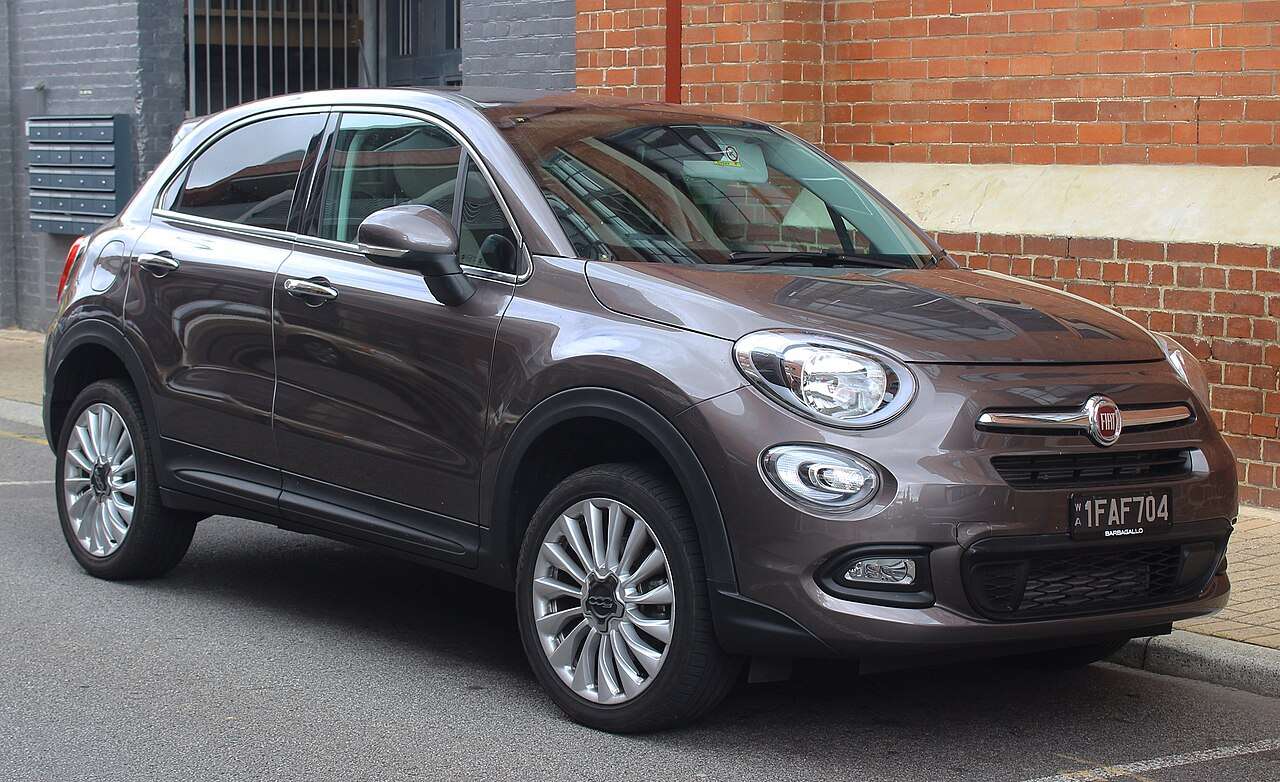
Early 1.4 MultiAir petrol: maintenance evidence first
The turbocharged 1.4 can be a flexible everyday engine, but correct oil care matters. Ask for invoices identifying the manufacturer specification as well as viscosity, and compare dates and mileages with the schedule for the actual build. Repeated gaps or an owner unable to explain oil use should prompt caution.
See the engine genuinely cold, then test it fully warm. Persistent rough running, misfire, smoke, unusual mechanical noise or a warning under load needs diagnosis by someone familiar with the installation. Do not assume an ignition part, turbo or valve-control component is responsible from the symptom alone.
Ask whether the engine has required repeated oil top-ups, cooling repairs or previous running-fault work. An invoice should say what was diagnosed and repaired, not simply list parts changed in succession. A recently cleared warning is less reassuring than a documented repair followed by successful use.
The 1.4’s timing-belt maintenance needs evidence. Confirm the current time and mileage requirements for its exact engine, and check invoices for the complete kit and associated work. A belt visible on a parts receipt does not prove replacement was completed on this car.
A 170hp AWD automatic is a different purchase calculation from a 140hp front-drive manual. Compare the additional drivetrain and transmission needs rather than treating the higher power as a free upgrade. Insurance, tyres and inspection scope should reflect the exact derivative.
1.6 E-Torq: assess suitability, not just simplicity
The entry-level 1.6 petrol is a different engine from the turbo MultiAir and later FireFly units. It may suit a buyer whose priorities are gentle use and an affordable purchase, but test its response on hills, joining roads and with the load you normally carry.
Do not assume that naturally aspirated automatically means negligible maintenance or that every 1.6-litre 500X uses identical parts. The diesel also uses that capacity in some versions. Fuel and engine code need confirming before buying service components or accepting a timing recommendation.
Listen from cold, inspect visible leaks and ask about fluid consumption. Judge a particular car’s history and behaviour rather than replacing one engine stereotype with another. A well-kept lower-power car can be a sensible purchase if its performance genuinely suits you.
Later FireFly 1.0 and 1.3 petrols
Fiat’s UK update specifies the three-cylinder 1.0 at 120hp with a six-speed manual and the four-cylinder 1.3 at 150hp with a six-speed dual-clutch automatic. These are different installations from the earlier 1.4. Check build and power rather than interpreting FireFly as a single engine specification.
Test response gently and progressively once warm. Hesitation, repeated stalling, abnormal boost behaviour or a warning needs diagnosis. Ask about modifications and the correct oil specification, and look for evidence of routine care rather than relying on the fact that the car is newer.
The update’s petrol engines have emissions hardware including a gasoline particulate filter. An emissions warning should be investigated in the context of the installed system, not treated as a diesel-only issue or cured by an assumed universal driving routine.
Ask the workshop to identify the timing arrangement and current maintenance requirements for the actual engine. Do not copy the early 1.4’s belt kit or interval into a later 1.0 or 1.3 service plan. Capacity and original part numbers are essential safeguards against plausible but wrong search results.
Looking for a used Fiat 500X?Compare current asking prices and specifications.See cars for sale ↓MultiJet diesels: use pattern and emissions checks
Early diesel choices include 1.3, 1.6 and 2.0 MultiJet variants. They differ in output, gearbox and driven wheels. A 1.3 search can now also return later petrol parts, so confirm fuel and engine information before assuming a listing describes your car.
A diesel is more persuasive for regular journeys long enough to suit its operating requirements. Ask about prior use, DPF warnings, regeneration-related work and any EGR or emissions repairs. A low-mileage car used only for short trips should not receive an automatic condition premium.
Request a suitable diagnostic assessment of stored faults and relevant operating data. The dashboard being clear immediately after code deletion is not proof of health. If a DPF was cleaned or replaced, ask what caused the problem and how that cause was resolved.
Inspect cold starting, idle quality, visible leaks and exhaust behaviour. Persistent smoke, abnormal noise or loss of power should be diagnosed before purchase. Do not buy on the assumption that one cheap sensor will explain every emissions warning.
Confirm the exact timing system, fuel-filter requirements and separately due maintenance by engine. The 1.6 diesel should not inherit 1.6 petrol advice merely because the capacities match. Obtain written fitted quotes for overdue work and factor them into the total purchase cost.
Manual, DCT and nine-speed automatic checks
In a manual, test every gear, reverse and clutch take-up from cold and warm. Slipping, persistent judder, a heavy pedal or an abnormal noise requires inspection. Ask the workshop whether the quote includes all related components and fluids, not simply a retail clutch kit.
The six-speed dual-clutch automatic is not the same as the nine-speed conventional unit used in other derivatives. Test parking, reverse, gentle traffic and warm acceleration. Normal character should be distinguished from repeated shudder, delayed engagement or a warning by an experienced technician.
For the nine-speed, assess shifts across a meaningful drive rather than checking only that it moves out of the parking space. Ask about past updates and maintenance, with invoices identifying the actual gearbox. A reset or fluid change should not be assumed to cure an unresolved mechanical problem.
Do not infer service requirements from an advert’s generic automatic label. Confirm the fitted unit, current schedule and correct fluid. A workshop familiar with a different Fiat automatic may not be the best source for a precise diagnosis of this installation.
The 1.5 Hybrid: what changes?
Fiat’s 2022 UK release identifies a 130hp 1.5 turbo petrol, 48-volt electrical system and seven-speed dual-clutch transmission. It can use electric drive for some low-speed movements under suitable conditions. It is not a plug-in car, and electric operation depends on charge, demand and operating state.
Test ordinary starting, manoeuvring, traffic and warm acceleration, and note any warnings or abrupt transitions. Ask a suitable technician to inspect the hybrid and transmission systems rather than treating a generic engine scan as a complete health report.
Check the conventional battery and charging condition as well as hybrid-related records. Do not disturb electrical covers or wiring at a viewing. A recently replaced ordinary battery is not proof that all 48-volt components are healthy.
The seven-speed Hybrid unit, six-speed petrol DCT and earlier nine-speed automatic need separate advice and parts. Identify the installation first. A later Hybrid can be appealing, but its purchase should be supported by history and inspection rather than by the assumption that electrification removes maintenance.
Four-wheel drive and the Drive Mood selector
Check whether four-wheel drive is genuinely fitted. The Drive Mood selector and traction-related settings can also appear on front-drive cars. Fiat’s launch material explicitly distinguishes front-drive traction assistance from the physical rear drivetrain on AWD versions.
For AWD, inspect the additional drivetrain for leaks, damage and abnormal noise, and ask about fluid requirements. Check correct tyre dimensions and sensible matching across the car. A mismatched set should prompt a wider inspection rather than just a tyre-price adjustment.
Do not interpret protective-looking bumpers as evidence of off-road capability or careful use. Look underneath for impacts and inspect mounting areas safely. Ask about towing equipment and verify its suitability and records if fitted.
Buy AWD because you need its particular benefits and can maintain it. It does not make tyres unimportant, and it is not necessary for every owner attracted by Cross styling.
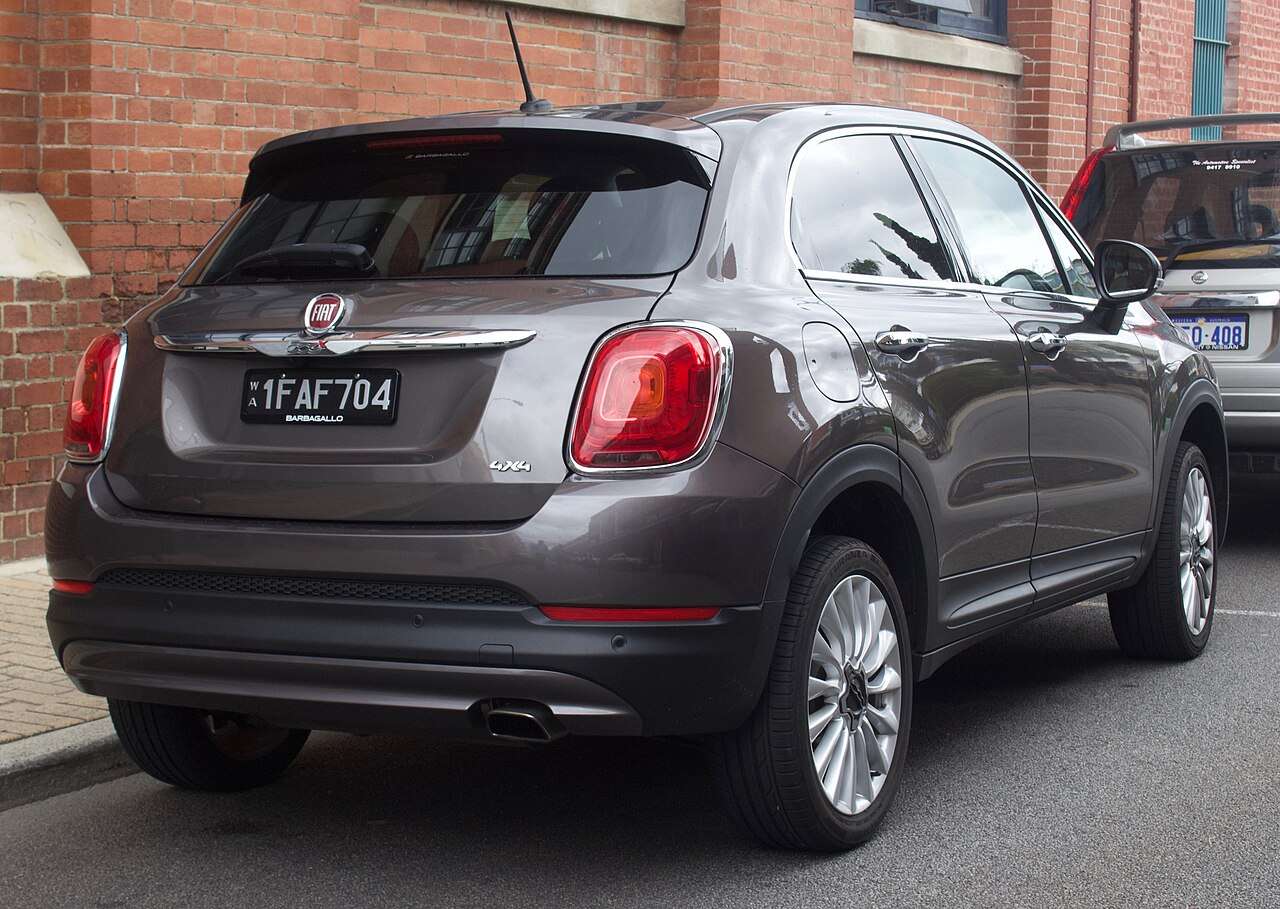
Body, roof and water-entry checks
Inspect paint texture, panel gaps, lamp mountings, bumper corners and lower sills in daylight. Previous cosmetic repair can be acceptable when done properly; unexplained alignment or structural concerns need independent inspection.
Check carpets, the boot well and seals for damp or staining. Operate every door and the tailgate. If a glass roof or later fabric-roof version is fitted, test it according to the handbook and inspect seals and interior condition separately.
Use the seat-folding arrangement and luggage floor with your normal load. Early manufacturer figures describe a 350-litre boot, but the shape, floor and equipment in an individual car matter more than the headline number. Bring your buggy or mobility equipment if it determines the purchase.
Try the driving position and rear seats with the occupants who will use them. The 500X is larger than a 500 city car, but it is still a compact crossover. Do not assume the family resemblance tells you anything reliable about access, repair costs or luggage practicality.
Uconnect, warning messages and parking brake
Early and updated infotainment systems differ substantially. Fiat’s update introduced a seven-inch system with CarPlay and Android Auto across that stated range, while earlier units use different screens and functions. Check the actual build and test your phone.
Try audio, USB, Bluetooth, navigation if fitted, camera, sensors and steering controls. The RAC records individual reports of USB, Uconnect and warning-message problems. Those reports give useful functions to test; they do not establish that every 500X has the same defect.
Operate the electronic parking brake normally and check warning messages and release. Do not accept a persistent fault as something that merely needs clearing. Battery, wiring and component diagnoses should be made before an expensive assembly is ordered.
Test climate control, air conditioning, all fan speeds, windows, mirrors, locks and both keys. Ask about windscreen or front-end repairs where assistance systems are fitted, including any required calibration. Do not deliberately provoke emergency braking during a test.
Suspension, brakes and tyres
Check wheel damage and tyre condition, especially on larger rims. Drive on an ordinary uneven road and listen for repeatable knocks. Firm ride character is different from a loose mounting, damaged wheel or uncontrolled movement.
Check braking for straight stopping and vibration. Ask the inspector to assess actual disc and pad condition, rear hardware and fluid history. Confirm the brake package before ordering: a listing that mentions several Fiat and Jeep models is not sufficient fitment evidence.
Price immediate consumables before negotiating. A car with four tired tyres and overdue brakes needs a realistic maintenance allowance even if its engine sounds healthy. Use equivalent parts quality when comparing quotes.
UK maintenance costs: parts, labour and fitted examples
These published Fixter examples are starting points. Confirm the exact engine, registration, location and included parts. Some menu labels cover more than one fuel or build, so a capacity alone is not sufficient identification.
| Job/example | Parts and scope | Labour context | Published fitted estimate |
|---|---|---|---|
| 1.3 City Cross full service | Confirm later petrol derivative and included filters | Labour included; no separate cash rate published | £130–£204 |
| 1.3 City Cross major service | Confirm plugs, filters and separately due fluids | Included in package | £266–£419 |
| 1.4 Lounge timing-belt replacement | Kit; water pump included if necessary under stated scope | Published time context 3 h 36 min–4 h 28 min | £270–£425 |
| 1.4 Cross timing-belt replacement | Confirm components, fluids and vehicle-specific quote | Published time context 3 h 42 min–4 h 22 min | £259–£407 |
Do not apply the menu’s timing-belt labels indiscriminately to every FireFly or Hybrid. Engine identification comes first. Ask for a written breakdown of parts, labour, fluids and VAT, and clarify any extra work found during dismantling.
Keep scheduled service, gearbox maintenance and fault diagnosis separate. A major-service stamp does not prove a DCT or AWD fluid operation was performed. For an electrical, hybrid or transmission warning, obtain a diagnosis before estimating the repair.
Model-specific eBay service-parts table
Affiliate searches use campaign 5339238906; qualifying purchases may earn us commission. Confirm VIN, engine, fuel, gearbox and original part number. Search results can mix early and later 500X, 500 city cars and related Jeep applications.
| Service item | Model-specific eBay search | Fitment and buying notes |
|---|---|---|
| 1.4 MultiAir service kit | Check current parts prices | Check oil approval, engine and kit contents. |
| 1.4 timing kit | Check current parts prices | Confirm schedule and full fitted scope. |
| 1.0 FireFly oil filter | Check current parts prices | Do not substitute early 1.4 fitment. |
| 1.3 FireFly air filter | Check current parts prices | Separate petrol from 1.3 diesel. |
| Cabin filter | Check current parts prices | Match dimensions and build. |
| 1.4 spark plugs | Check current parts prices | Match exact specification and quantity. |
| Diesel fuel filter | Check current parts prices | Check fuel system and housing. |
| Diesel timing kit | Check current parts prices | Confirm engine and associated parts. |
| Hybrid service parts | Check current parts prices | Identify Hybrid-specific fitment and oil requirements. |
| Front brakes | Check current parts prices | Check caliper and disc dimensions. |
| Battery | Check current parts prices | Confirm technology and rating; not a hybrid-system repair. |
| Alternator/charging components | Check current parts prices | Match original number; Hybrid arrangement differs. |
Hidden costs and final checks
Budget for tyres, keys, air conditioning, infotainment and any roof equipment as well as servicing. Check current tax, insurance and emissions-zone eligibility for the registration. A diesel’s low advertised fuel use does not establish that it suits your journeys or local restrictions.
Read warranty exclusions for electrical, transmission, emissions and roof components. Keep the advert and obtain preparation promises in writing. At collection, verify invoices and re-test repaired functions rather than relying on a verbal all-done assurance.
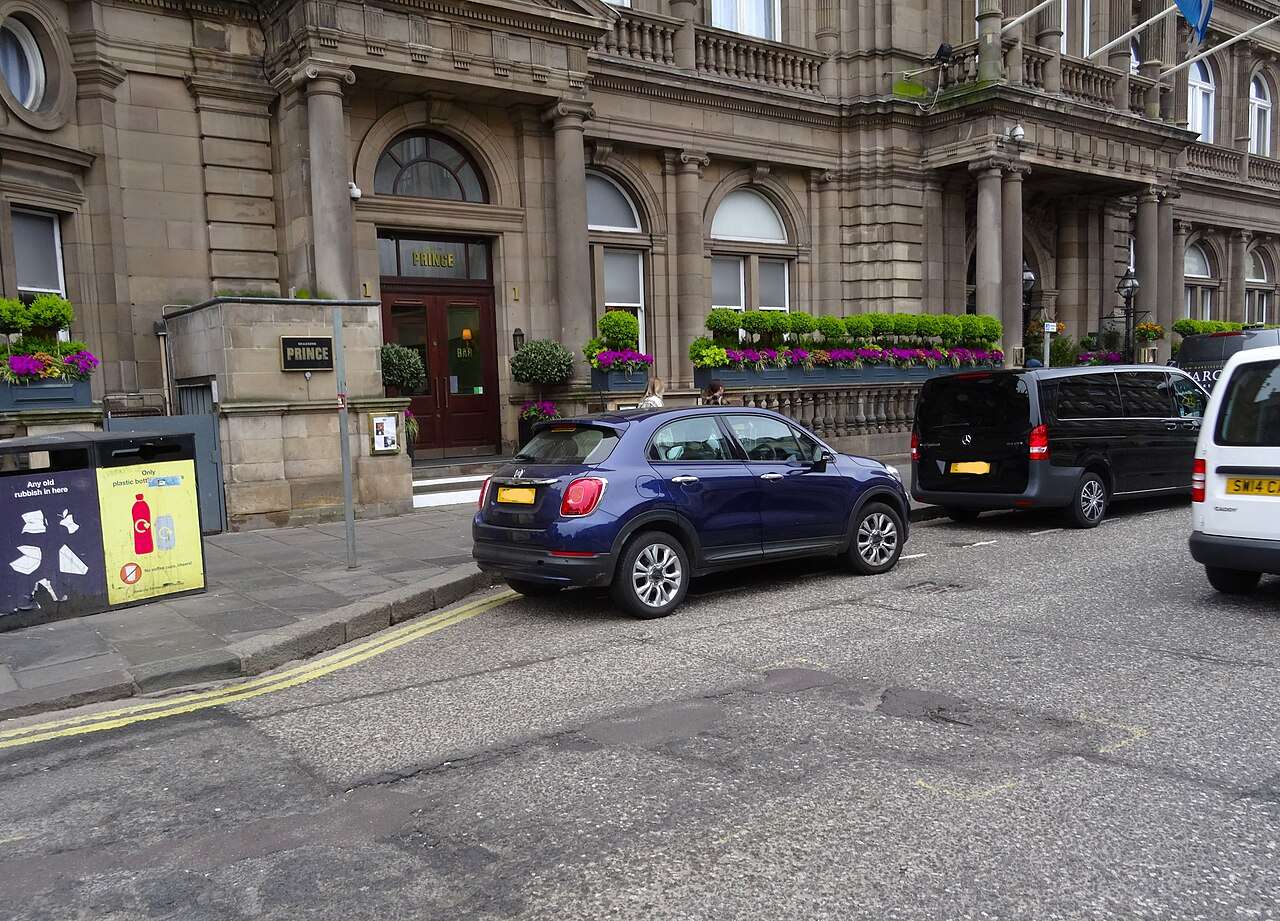
Viewing checklist
- Confirm engine, fuel, output, gearbox, driven wheels and build.
- Check invoices, timing evidence, mileage and manufacturer campaign status.
- See a cold start and assess fully warm running.
- Diagnose engine, emissions, parking-brake or gearbox warnings.
- Inspect tyres, brakes, suspension, body, underside and damp.
- Test Uconnect, phone, climate, keys, roof and assistance equipment.
- Try passengers and luggage and price outstanding work.
- Verify agreed preparation at collection.
Frequently asked questions
Is every Cross a four-wheel-drive car?
No. Styling and traction-control settings do not prove a rear drivetrain is fitted.
Are all 500X automatics the same?
No. Early six-speed DCT, nine-speed automatic and later Hybrid seven-speed systems need identifying separately.
Is the 500X Hybrid a plug-in?
No. It uses a 48-volt hybrid system with electric operation under suitable conditions, without external charging.
Can I use 500 city-car service parts?
Not by assumption. The 500X is a different model with several distinct engines.
Research and sources
- Fiat’s original UK launch information — drivetrain, body and equipment distinctions.
- Fiat’s updated UK petrol range — FireFly engines, transmissions and connectivity.
- Fiat’s Hybrid launch information — 48-volt system and seven-speed transmission.
- RAC early 500X review — individual owner-report checks; historic parts estimates are not current quotes.
- Fixter service menu and timing-belt menu — fitted examples and labour-time context.
- UK 500X listings — compare exact derivatives and condition.
Explore the full buying guides hub.
Featured photograph: Charles01, CC BY-SA 4.0 International, via Wikimedia Commons; resized for web.