Small budgets, big personalities: ten interesting used cars for the commute, the shopping and the long way home.
Finding unusual cars under £5,000 is easy if you are happy to buy a project. Finding one you can reasonably use every day takes a little more thought. It needs to start on a wet Monday, carry the people and bags you actually travel with, and leave you enough money for maintenance.
Fortunately, character does not require a temperamental supercar. A tiny Toyota with ingenious seating, a manual Honda hybrid, a glass-backed Volvo and a wonderfully boxy Škoda all offer something different. Some of these cars were familiar when new; today, their design or engineering makes them interesting alternatives to another anonymous hatchback.
Our UK shortlist favours petrol manuals, plus one petrol-electric hybrid. That makes sense for mixed use and shorter journeys, although condition and maintenance history matter more than a fuel-type label. These are ten candidates to investigate, not a promise that every example is reliable or suitable for every household.
Market research: 24 November 2026. We found advertised examples of all ten models below £5,000. Linked asking prices are market snapshots, not valuations, sale prices or inspected recommendations. Availability changes. Photographs illustrate the model or generation and may show a different engine, trim or market specification.
Featured image: Photo: Vauxford / Wikimedia Commons, CC BY-SA 4.0. Resized.
Which unusual everyday car suits you?
| Car | Version to start with | Main attraction | Everyday compromise |
|---|---|---|---|
| Fiat Panda 100HP | 1.4 petrol manual | Small, entertaining five-door | Firm ride |
| Honda CR-Z | Early 1.5 IMA manual | Unusual hybrid coupé | Tiny rear seats; hybrid checks |
| Toyota iQ | 1.0 petrol manual | Clever city-car packaging | Luggage room with seats occupied |
| Volvo C30 | 1.6 petrol manual | Distinctive glass tailgate | Four seats and a modest boot |
| Suzuki Swift Sport | 2012–2017 1.6 manual | Accessible hot-hatch enjoyment | Limited luggage space |
| Kia Soul | First-generation 1.6 petrol | Boxy shape and upright cabin | Check ride on larger wheels |
| Škoda Roomster | 1.4 or 1.6 petrol manual | Flexible seats and carrying space | More practical than sporty |
| Alfa Romeo MiTo | 1.4 16V 95 petrol manual | Alfa character in a small package | Three-door access |
| Citroën C4 Coupé | Early 1.6i 16V manual | Striking rear and unusual dashboard | Ageing electrics and trim |
| Renault Mégane III Coupé | 1.6 16V petrol manual | Coupé styling with a hatchback | Rear access and visibility |
1. Fiat Panda 100HP: the little five-door with a sense of humour
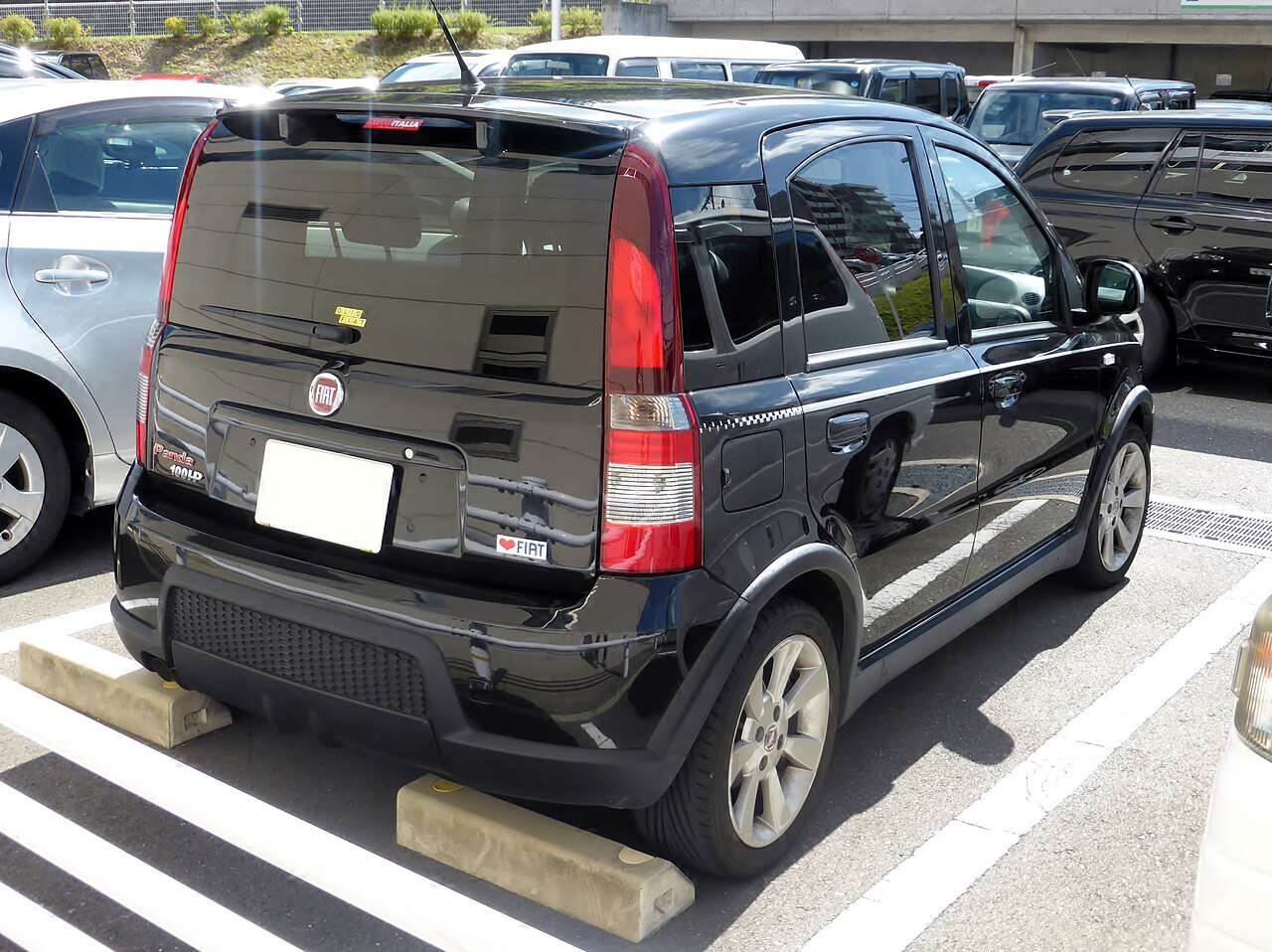
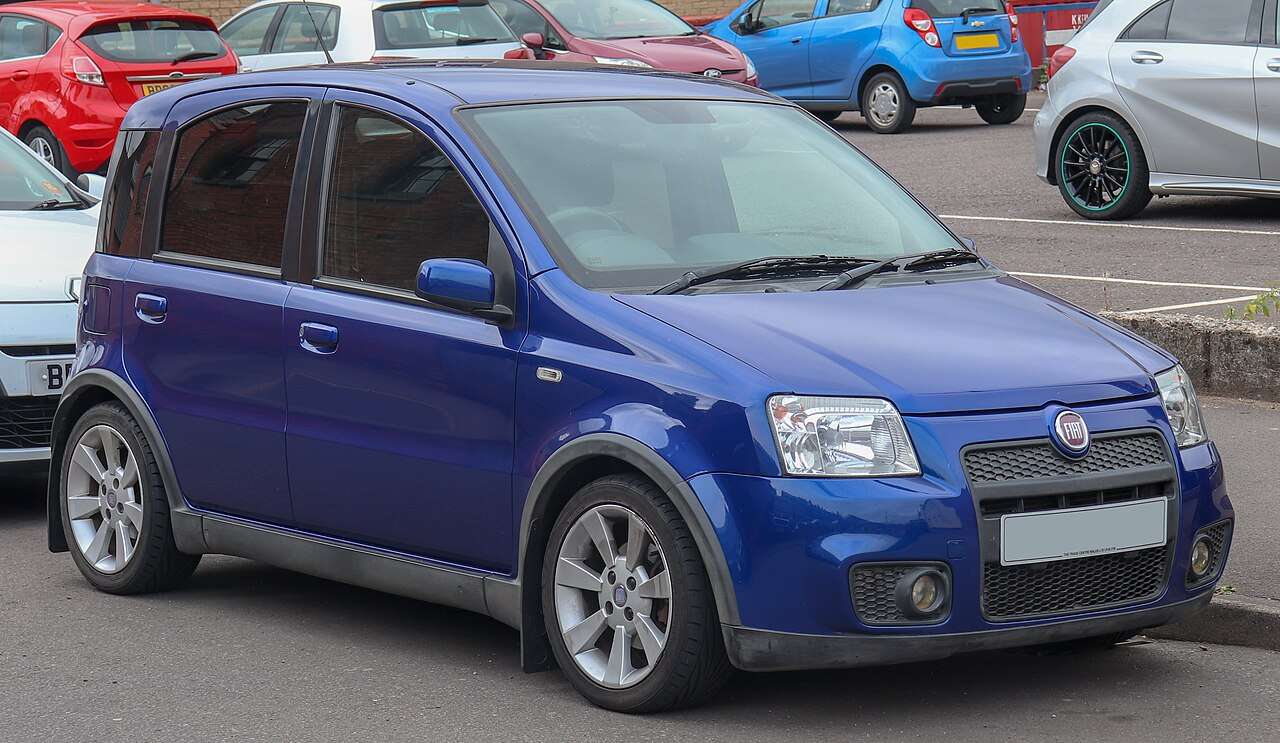
The Panda 100HP turns a sensible tall hatchback into something you might take out simply because you fancy a drive. Its 1.4-litre petrol engine and six-speed manual gearbox come with sportier suspension and brakes, while the five doors and folding rear seats retain the useful bits of an ordinary Panda. Fiat’s launch specification explains the changes.
It is an appealing choice for someone whose daily journey includes town streets and country roads. The main catch is the firm ride: try one on the actual sort of broken surfaces you use, with a passenger aboard if necessary. A lively small car is less charming when everyone dislikes the journey.
Look for: a standard or thoughtfully maintained car with servicing and timing-belt evidence. Have the underside, rear axle, suspension and brake pipes inspected, and test the steering assistance, air conditioning, clutch and all six gears. Account for modifications in both your inspection and insurance quote.
Budget evidence: a 2009 100HP was advertised at £3,999. The best-preserved cars can cost more than our ceiling. This is the front-wheel-drive sporting Panda, not the Panda 4×4 in our off-roader guide.
2. Honda CR-Z: a hybrid you change gear in yourself
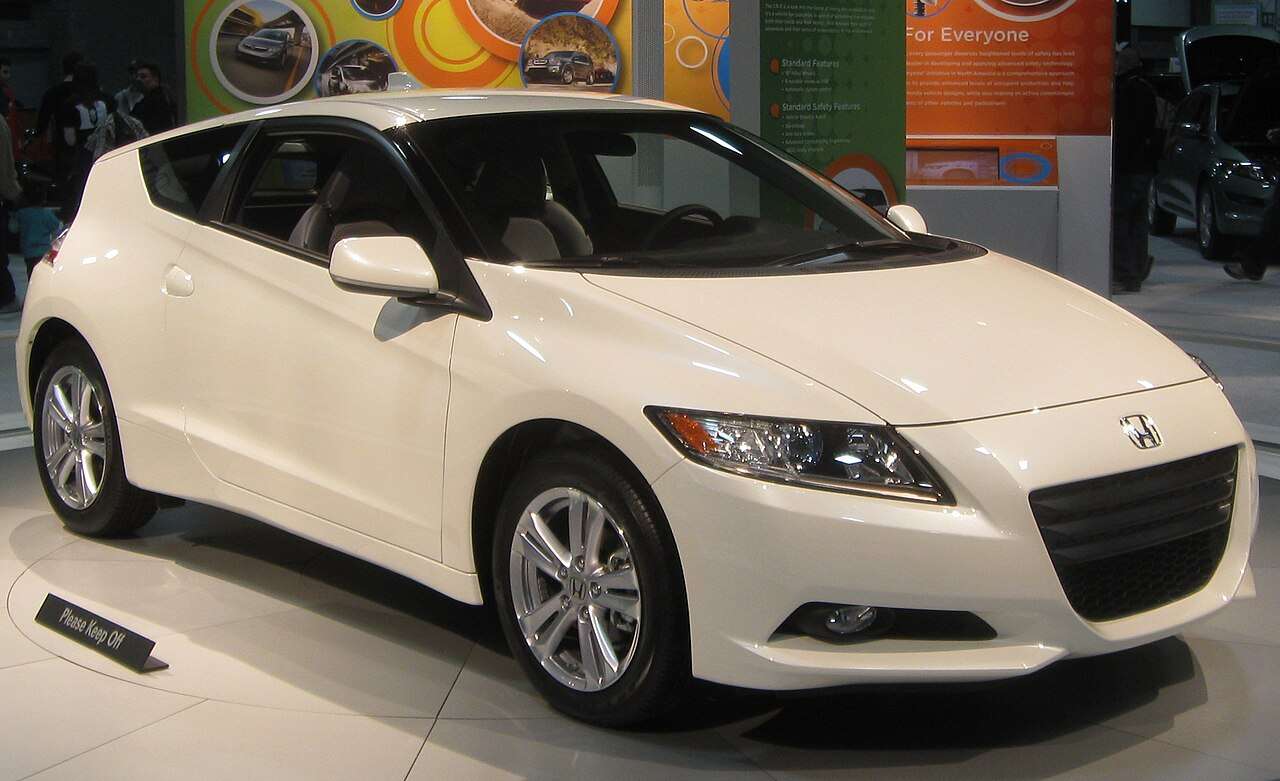
A six-speed manual gearbox in a petrol-electric hybrid remains a lovely oddity. The CR-Z combines a 1.5-litre engine with Honda’s IMA assistance in a compact, sharply styled coupé. Honda’s European launch information confirms the unusual powertrain and 2+2 seating.
For one or two people, it makes a much more distinctive commuter than many conventional hatchbacks. The rear seats are occasional accommodation rather than a convincing answer to transporting adults regularly. Try the rearward view and your normal bags before deciding the shape works for you.
Look for: an early UK manual with a documented service history. Arrange a hybrid-aware inspection, including the IMA system and battery condition; a clear dashboard alone is not a battery-health report. Test the door handles, climate control and gearbox, and inspect for corrosion or accident repairs. Keep money aside for age-related work rather than assuming the Honda badge removes the risk.
Budget evidence: this 2011 CR-Z Sport was advertised at £3,995. Imported automatics and later versions should be assessed separately.
3. Toyota iQ: the cleverest car in a very small parking space

The iQ is unusual because Toyota put so much thought into making it small. Its asymmetric dashboard and staggered seating were designed around a 3+1 layout: three adults with a smaller fourth space behind the driver, subject to how the seats are positioned.
In reality, think of it first as a city car for one or two people, with extra seating when needed. Fold the rear seats for shopping and it becomes a useful little tool. Occupy every seat and luggage capacity becomes the problem. Take your child seat or regular bags to the viewing rather than relying on the seat count.
Look for: a 1.0 petrol manual with sensible servicing. Check clutch take-up, air conditioning, tyre condition, warning lights and signs of parking damage. Inspect underneath as carefully as you would a larger car. If considering the Multidrive automatic instead, establish its maintenance history and test it properly from cold and when warm.
Budget evidence: iQ listings included a 2010 1.0 manual at £2,500. Do not copy an old advert’s road-tax claim without checking the individual registration.
4. Volvo C30: a small Volvo with a proper design statement
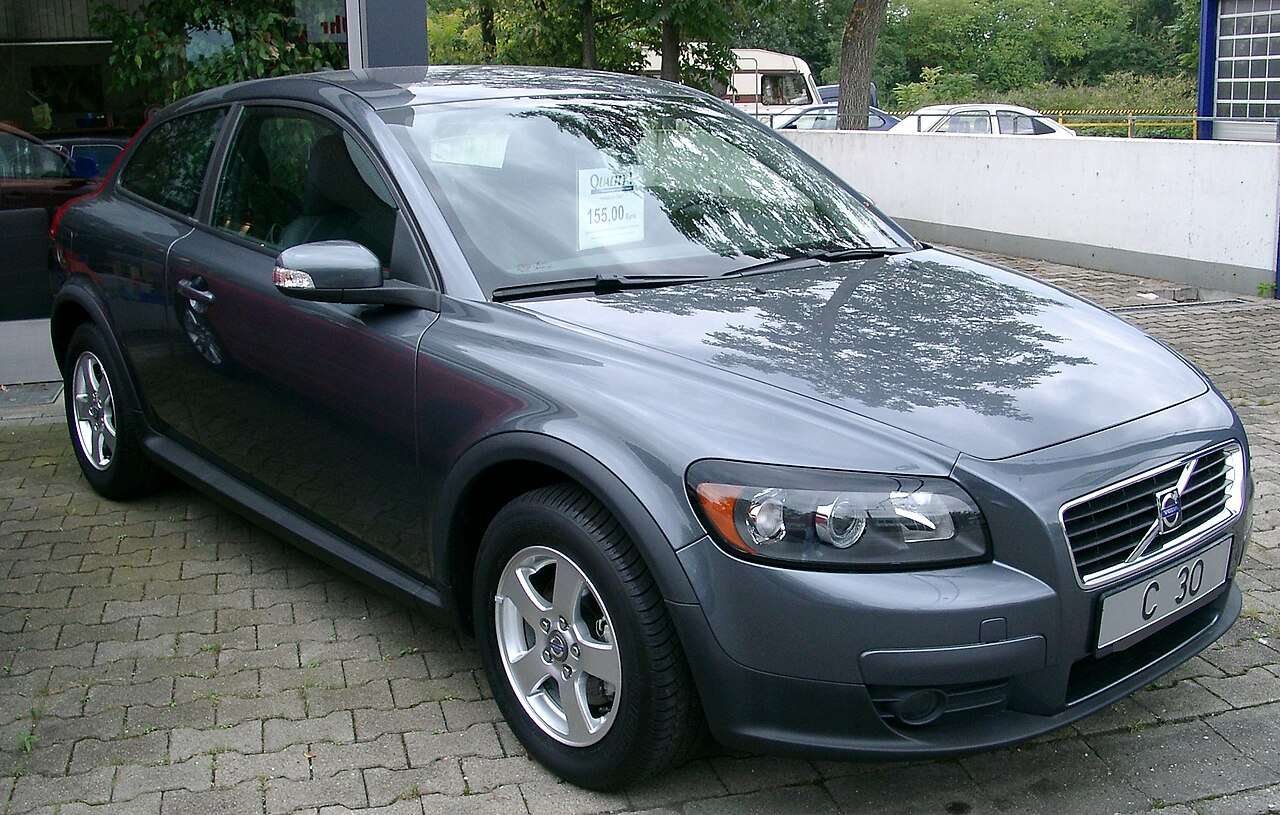
The C30’s glass tailgate gives it an identity that survives even in the least powerful version. You do not need a turbocharged T5 to enjoy the shape, the individual rear seats or the feeling of driving something slightly different.
For a budget daily driver, start with a petrol manual and buy on condition. The 1.6 is a modest performer, so try it on a faster road with the sort of load you normally carry. A 2.0 petrol may suit you better, but calculate its running costs independently. The C30 has four seats, and its small loading opening deserves a practical test if you carry bulky items.
Look for: invoices for scheduled maintenance appropriate to the actual engine. On a 1.6 petrol, establish timing-belt history. Test the air conditioning, windows, locks and tailgate, check for cabin damp, and have the suspension and underside inspected. A handsome R-Design body kit is no substitute for good tyres and a healthy clutch.
Budget evidence: petrol C30 adverts included a 2010 1.6 manual at £1,995, leaving scope to prioritise condition over the cheapest example.
Love cars you don’t see every day?
Get forgotten cars, surprising motoring stories and the most interesting finds from Unusual Cars by email.
Free to join. No spam. Unsubscribe whenever you like. See our privacy policy.
5. Suzuki Swift Sport: everyday size, weekend enthusiasm
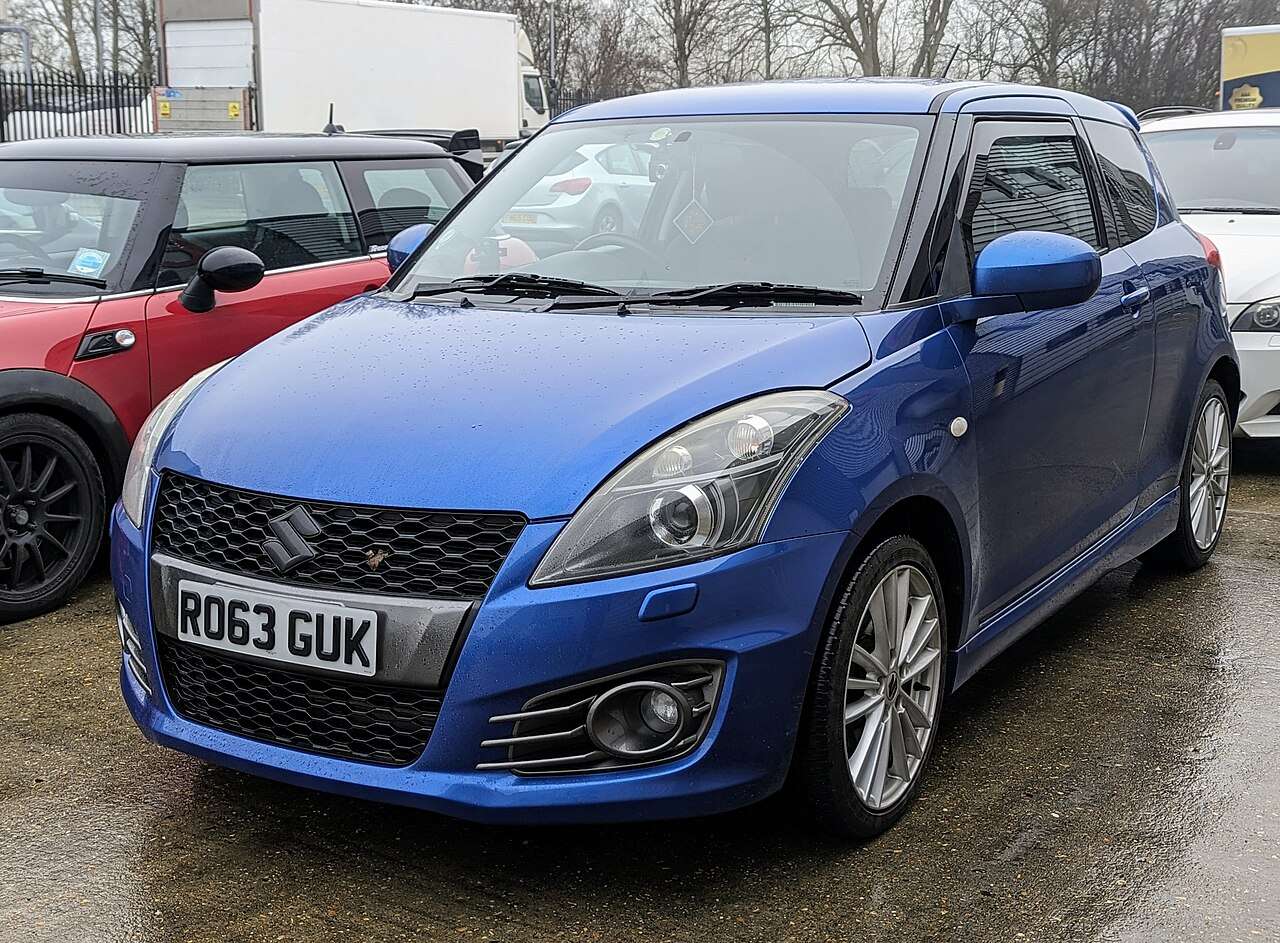
The Swift Sport is the least eccentric-looking car here, but its compact dimensions and naturally aspirated 1.6-litre engine make it an interesting alternative to a small turbocharged hatch. The 2012–2017 generation is a useful starting point within this budget.
It works particularly well for someone who wants their only car to feel entertaining without becoming large or cumbersome. Three- and five-door versions exist, so do not settle for awkward rear access if you use the back seats regularly. The boot remains small whichever you choose.
Look for: a standard car with consistent maintenance, matching quality tyres and no unexplained suspension or exhaust changes. Test clutch engagement and gear selection both cold and warm, listen over rough surfaces, and inspect underneath for corrosion and damage. A car used enthusiastically is not automatically a bad purchase, but its wear needs to be reflected in the price.
Budget evidence: Swift Sport listings included 1.6 Euro 5 examples at £3,695 and £3,995. Keep these separate from earlier 1.6 cars and later 1.4 Boosterjet models when comparing prices.
6. Kia Soul: a practical box with personality
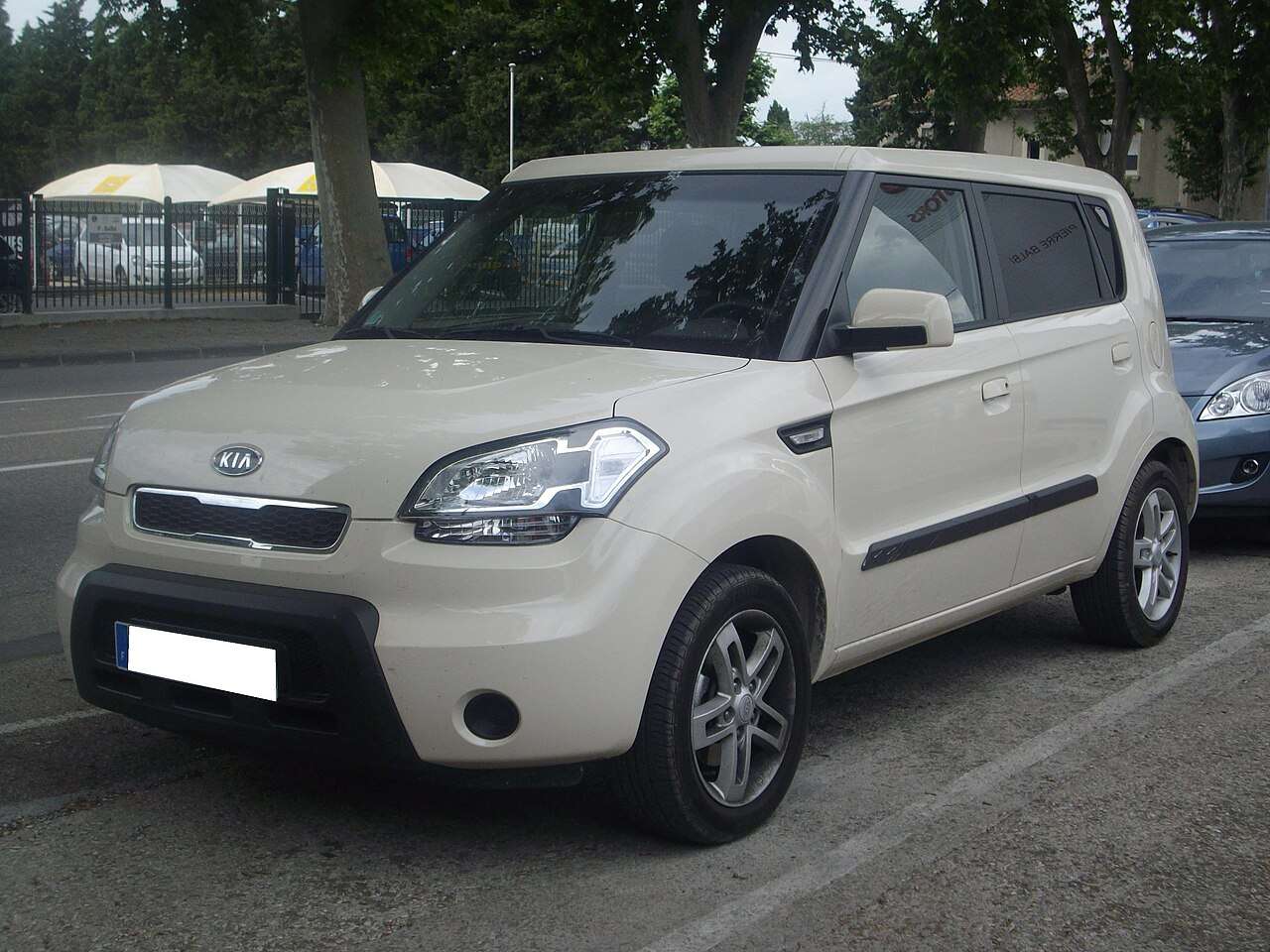
The first Soul proves that a practical car need not apologise for its shape. Its upright body, tall roof and distinctive detailing give it character without asking you to climb into a low sports car.
A first-generation 1.6 petrol is worth considering for local errands and mixed journeys. It provides easier rear access than the coupés in this list, although you should still check the boot against your own requirements. Larger wheels can change the ride and tyre bill, so judge the car in front of you.
Look for: regular maintenance, working cabin equipment and an underside inspection. Test the clutch, steering, brakes and suspension rather than concentrating on the trim name. Check exactly which engine is fitted: early petrol versions and later GDi cars are not identical, and a diesel listing is not evidence for petrol running costs.
Budget evidence: AA Cars listed a 2009 1.6 Shaker petrol at £3,990 and a 2012 1.6 GDi at £3,988. Second-generation cars also appear below £5,000, but deserve their own comparison.
7. Škoda Roomster: the odd-looking one that earns its keep
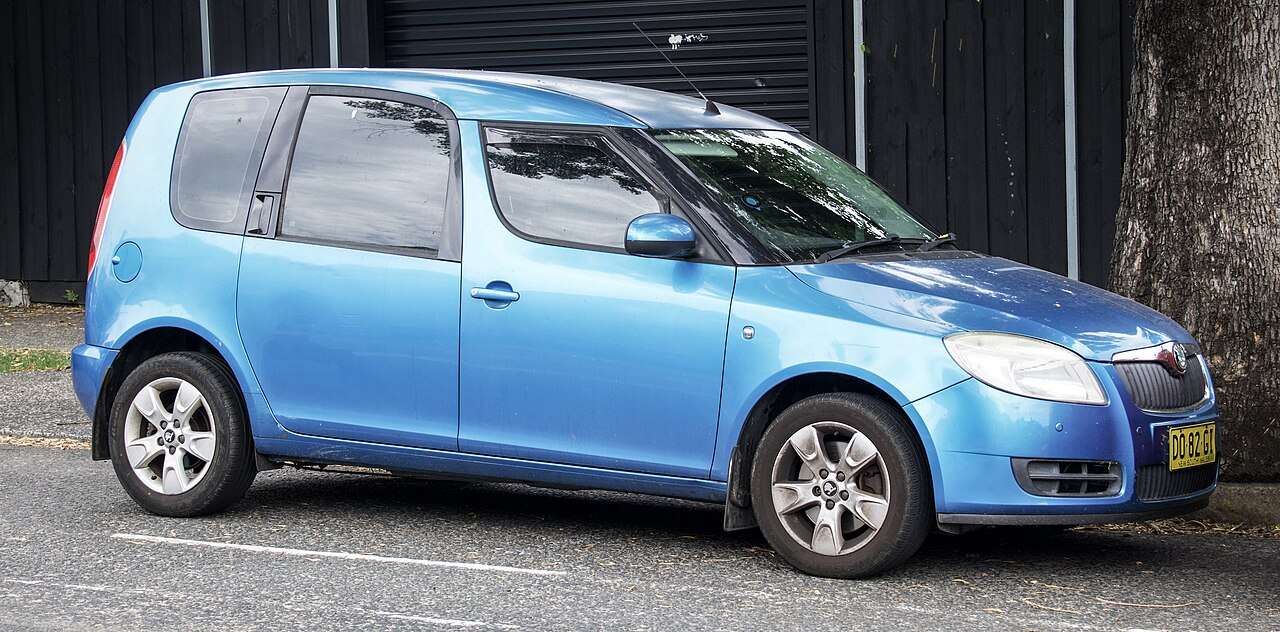
The Roomster looks as though its front and rear halves were designed for different jobs. That is part of the attraction. The tall rear cabin and flexible VarioFlex seating turn a relatively compact car into something useful for hobbies, dogs and awkward shopping.
For a straightforward petrol shortlist, look at the earlier 1.4 and 1.6 manuals. They are not fast cars, but speed is hardly the point. Bring the things you carry most often and ask the seller to demonstrate how the rear seats adjust, fold and come out. Check that every seat and fitting you need is present.
Look for: engine-specific maintenance records, including timing-belt evidence where required, and a smooth cold start. Check seat catches, cabin leaks, air conditioning and suspension. Later TSI engines and DSG gearboxes need their own checks; do not assume every petrol Roomster shares the same mechanical specification.
Budget evidence: Roomster listings included a 2008 1.6 manual at £2,495 and a 2007 1.4 manual at £1,695. It is our starting point here if carrying ability matters more than sporty looks.
8. Alfa Romeo MiTo: an accessible slice of Alfa character
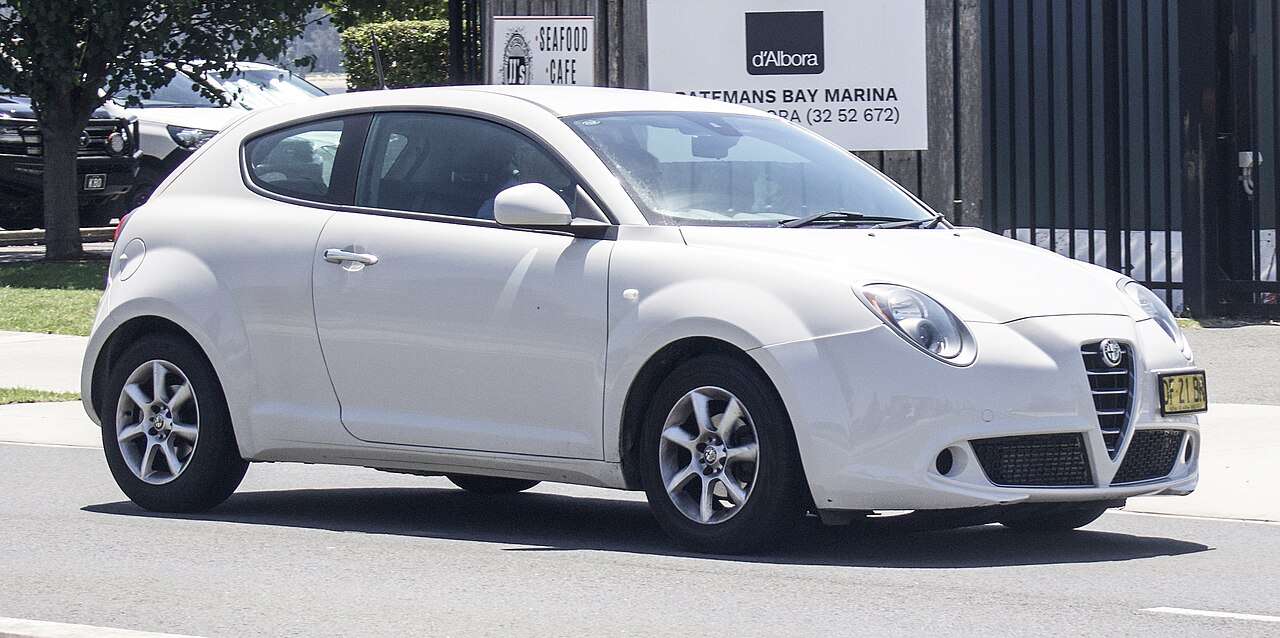
The MiTo brings a distinctive nose, round rear lights and a recognisable Alfa cabin to a small hatchback. At this budget, there is a good argument for investigating the relatively simple 1.4 16V 95 petrol manual before chasing the most powerful version.
It is a style-led commuter rather than a miniature supercar in this form. Three doors and limited rear access are the obvious compromises. Check the actual number of rear seats and belts if you need to carry three passengers behind you; specifications vary.
Look for: timing-belt and servicing evidence, sound suspension, working windows and functioning electrical equipment. Listen for gearbox noise and investigate warning lights. The Alfa Romeo Owners Club’s MiTo guide is useful for separating engines and trims. MultiAir, TwinAir, turbocharged and diesel versions should not be treated as equivalent to this recommendation.
Budget evidence: a dealer advertised a 2009 1.4 16V 95 Veloce at £3,290. A higher trim level does not necessarily mean a more powerful engine.
9. Citroën C4 Coupé: French design that still looks different

The original C4 Coupé earns its place through the split rear window and a dashboard that refused to follow convention. Its fixed-centre steering-wheel hub is particularly memorable: the rim turns while the centre stays put. Citroën describes both details in its retrospective on the original C4.
An early 1.6i 16V manual is an interesting low-cost starting point. It gives you the shape without chasing the sporting VTS. Despite the Coupé name, there is a hatchback and usable rear accommodation, though three-door access will not suit every family.
Look for: timing-belt records and a thorough test of the displays, steering-wheel buttons, windows, locks, heater and air conditioning. Examine the seats, trim and tailgate carefully, because a cheap mechanical service will not replace missing or broken interior parts. Distinguish the earlier 1.6i from the later VTi engine rather than assuming that “1.6 petrol” tells the whole story.
Budget evidence: petrol C4 Coupé listings included early 1.6i cars at £1,250, £1,750 and £2,195. Very cheap examples warrant especially careful inspection; an asking price alone does not establish roadworthiness.
10. Renault Mégane III Coupé: the stylish everyday alternative

The third-generation Mégane Coupé offers a more sculpted shape than the five-door hatchback while keeping a usable tailgate. It is worth considering if you like the look of a sporting Renault but do not need Renaultsport performance or its associated buying budget.
The naturally aspirated 1.6 16V petrol manual is our starting point. It is an everyday engine in a more distinctive body, not a hot hatch. Try rear-seat access, headroom and parking visibility before buying; these details will affect daily satisfaction more than the trim badge.
Look for: documented timing-belt maintenance and a clean cold start. Test both key cards if supplied, every window and lock, the climate control and the clutch. Check for water ingress and inspect suspension and tyres. Keep 1.2 TCe, 1.4 TCe, diesel and Renaultsport versions separate when researching servicing and faults.
Budget evidence: Mégane Coupé adverts included several 1.6 petrol manuals below £2,500. The useful opportunity is to buy the best-maintained example you can find, rather than the one with the most ambitious body kit.
How to buy an unusual £5,000 car you can actually depend on
- Start with your normal week. Count passengers, measure bulky luggage and consider motorway mileage, parking and short trips. The best iQ is still the wrong purchase if you need a family estate.
- Check the history before travelling. Read the official MOT history for repeated corrosion, tyre and brake advisories. Match the registration and VIN to the documents, and obtain a separate provenance check for finance, theft and write-off history.
- Ask for a cold start and a proper drive. Test the car at different speeds and when fully warm. An MOT is not a comprehensive mechanical inspection. Arrange an independent assessment if you cannot judge its condition yourself.
- Price the work already due. A cambelt, tyres, brakes and a service are separate expenses. Written estimates make it easier to compare two cars than a vague promise that one has “just been serviced”.
- Check support for unusual parts. Routine service items may be easy to find while a specific lamp, door handle or trim panel is not. Ask a suitable garage about parts and lead times before buying a car with an unresolved fault.
- Quote the exact registration. Check insurance and current vehicle tax. For city driving, use the official TfL vehicle checker or Clean Air Zone service. Low road tax does not establish emissions-zone compliance.
Which would we choose?
For fun with five-door usefulness, start with the Panda 100HP and a five-door Swift Sport. For urban commuting, the iQ is the clever choice if its space works for you. For two people wanting something distinctive, compare a CR-Z with a petrol C30. For family practicality, put the Roomster and Soul near the top of the viewing list.
The MiTo, C4 Coupé and Mégane Coupé make their strongest case through design and attainable purchase prices. Across all ten, we would rather own a well-maintained, slightly scruffy example with a sensible repair reserve than a shiny car bought with the last pound in the account.
Frequently asked questions
Can an unusual car under £5,000 be your only car?
Yes, if its space, condition and maintenance needs suit your life. Check local repair support and parts availability, especially if you cannot manage any downtime. None of these model names guarantees the condition of an individual car.
Does the £5,000 budget include insurance and repairs?
The headline is a purchase-price ceiling. If your total available money is £5,000, reduce the purchase budget and allow separately for insurance, tax, initial maintenance and unexpected repairs.
Are all the cars in this list ULEZ compliant?
Do not assume that from the model name or photograph. Use the registration-specific official checker, particularly for imports or a different engine from the one described.
Enjoy finding something different? Browse our Feature Articles, including cheap-to-tax used 4x4s and performance cars with surprisingly cheap road tax.
Love cars you don’t see every day?
Get forgotten cars, surprising motoring stories and the most interesting finds from Unusual Cars by email.
Free to join. No spam. Unsubscribe whenever you like. See our privacy policy.