
A turbo Montego usually brings the MG to mind. The 2.0 Turbo Diesel was a different proposition, built for the people who spent their working week on the road or filled the estate on a Friday afternoon.
1. The turbo badge told two stories
The MG Montego Turbo used a petrol engine and sold on performance. The diesel version used the Perkins Prima and made its case on workaday pulling power and the distance it could cover between fuel stops.
2. Perkins supplied the diesel know-how
Rover's service film calls it the MDi. The 1,994 cc engine is also known as the Perkins Prima, and the two names turn up in different parts of the contemporary literature.

3. Fuel went straight into the combustion chamber
The Prima used direct injection. For a diesel passenger car of its era that was an important part of the engineering story, since many contemporary rivals still used an indirect-injection chamber.
4. The engine had already done a working day
The naturally aspirated Prima appeared in Maestro vans before the turbocharged Montego brought the basic design to a family and fleet audience. The van link helps explain the engine's reputation for doing long, unglamorous miles.
Love cars you don’t see every day?
Get forgotten cars, surprising motoring stories and the most interesting finds from Unusual Cars by email.
Free to join. No spam. Unsubscribe whenever you like. See our Privacy Policy.
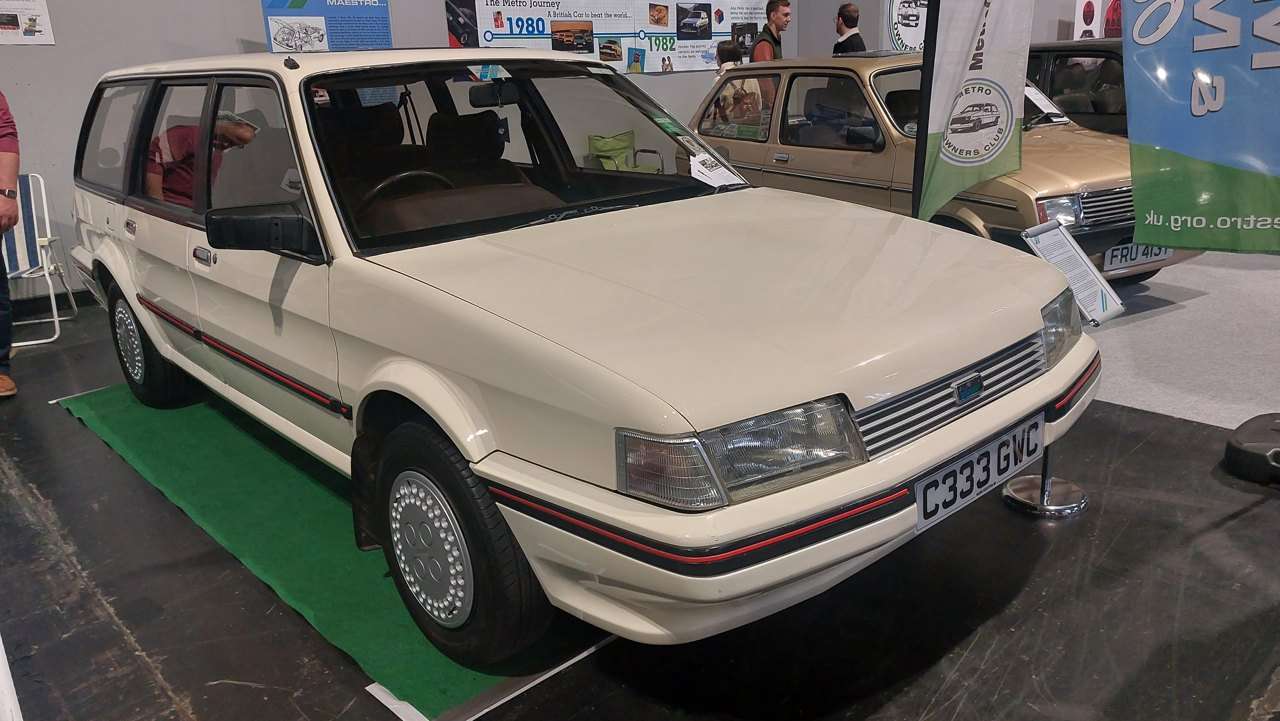
5. The estate made good use of it
The longer roof gave the Montego carrying capacity to match the diesel's relaxed approach. A loaded estate is a better way to understand the engine choice than a comparison based solely on acceleration figures.
6. The name on the brochure could change
The Austin name was being phased out around the Montego facelift. Surviving material includes a 1990 Rover Montego Turbo Diesel brochure, which helps explain why both Austin and Rover appear in searches for essentially the same chapter.
7. Turbocharged and plain diesels turn up in the manuals
Service literature covers both versions of the Prima across Maestro and Montego applications. When identifying an old car or engine, the installation and paperwork are stronger evidence than the word diesel on its own.
8. The facelift put it among newer rivals
Period buyers could cross-shop it with machines such as diesel Peugeot 405s and Citroën BXs. The Montego's distinctive engineering put a familiar British fleet car into a much more interesting comparison than its badge suggested.
9. The service film shows what dealers had to learn
Rover produced a dedicated MDi technical film for its network in 1989. It's a useful surviving look at how much new diesel knowledge had to reach staff who had spent years looking after petrol Austins.
10. It belongs in the Montego story for its own reasons
Surviving ads tend to draw enthusiasts to the MG, but the diesel has a separate appeal. It tells the story of the Montego as a business tool and family car, exactly how many British drivers knew one.
10 Things You Probably Didn’t Know About the MG Montego Turbo.
Explore more 10 Things articles
Browse the Unusual Cars 10 Things hub.
Sources and further reading
- Rover Service Insight MDi diesel engine film, 1989
- Period brochure catalogue, including Rover Montego Turbo Diesel EO 673
- Haynes Prima diesel manual listing
Featured image: 1994 Rover Montego Countryman 2.0 Diesel estate. Photo by Vauxford via Wikimedia Commons (CC BY-SA 4.0, resized).
Join the Unusual Cars Club
Get more forgotten performance cars, surprising motoring stories and new 10 Things articles by email.
Free to join. No spam. Unsubscribe whenever you like. See our Privacy Policy.