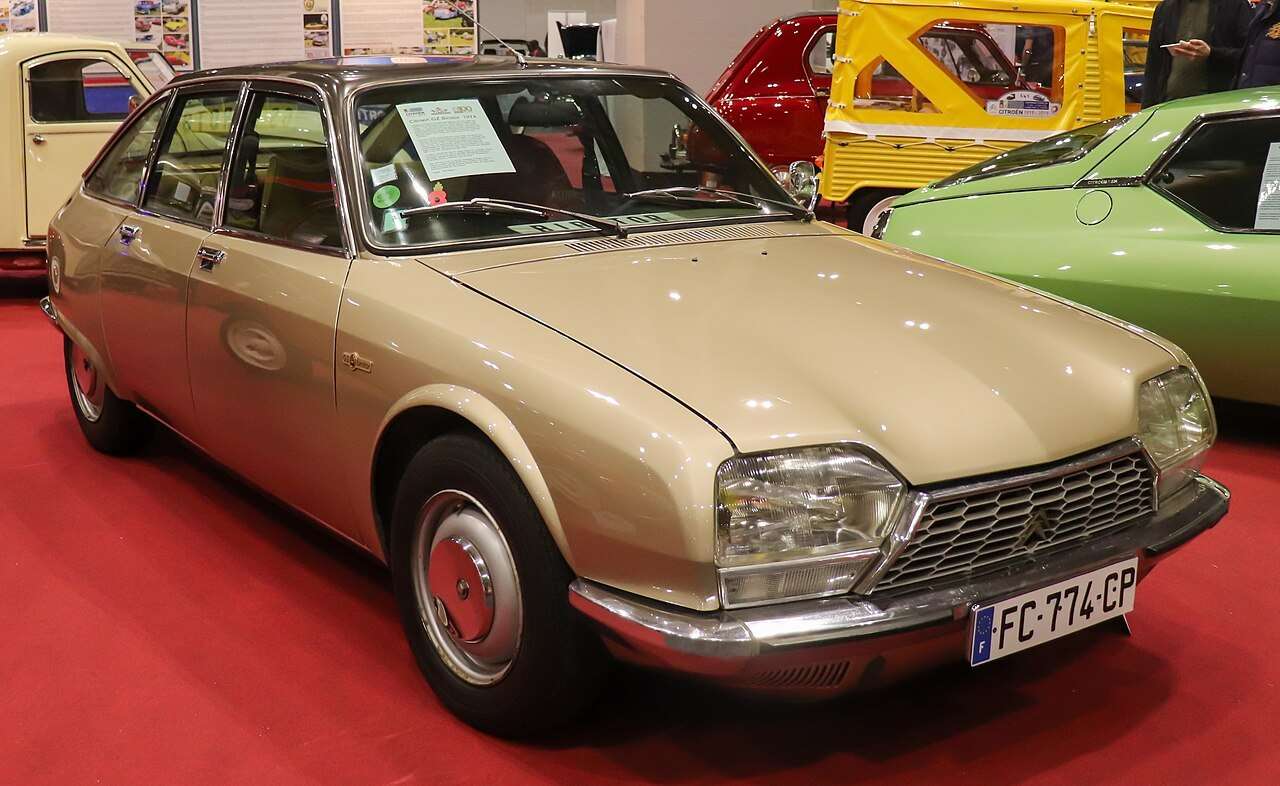
The GS Birotor put a smooth, compact rotary engine in a family Citroën with hydropneumatic suspension. It made an intriguing technical case for itself just as buyers started paying much closer attention to fuel use.
1. It debuted at Frankfurt
Citroën presented the Birotor at the Frankfurt motor show in autumn 1973. The GS was a comparatively recent and ambitious car, which made it a logical place to try an equally ambitious engine.
2. Birotor meant two rotors
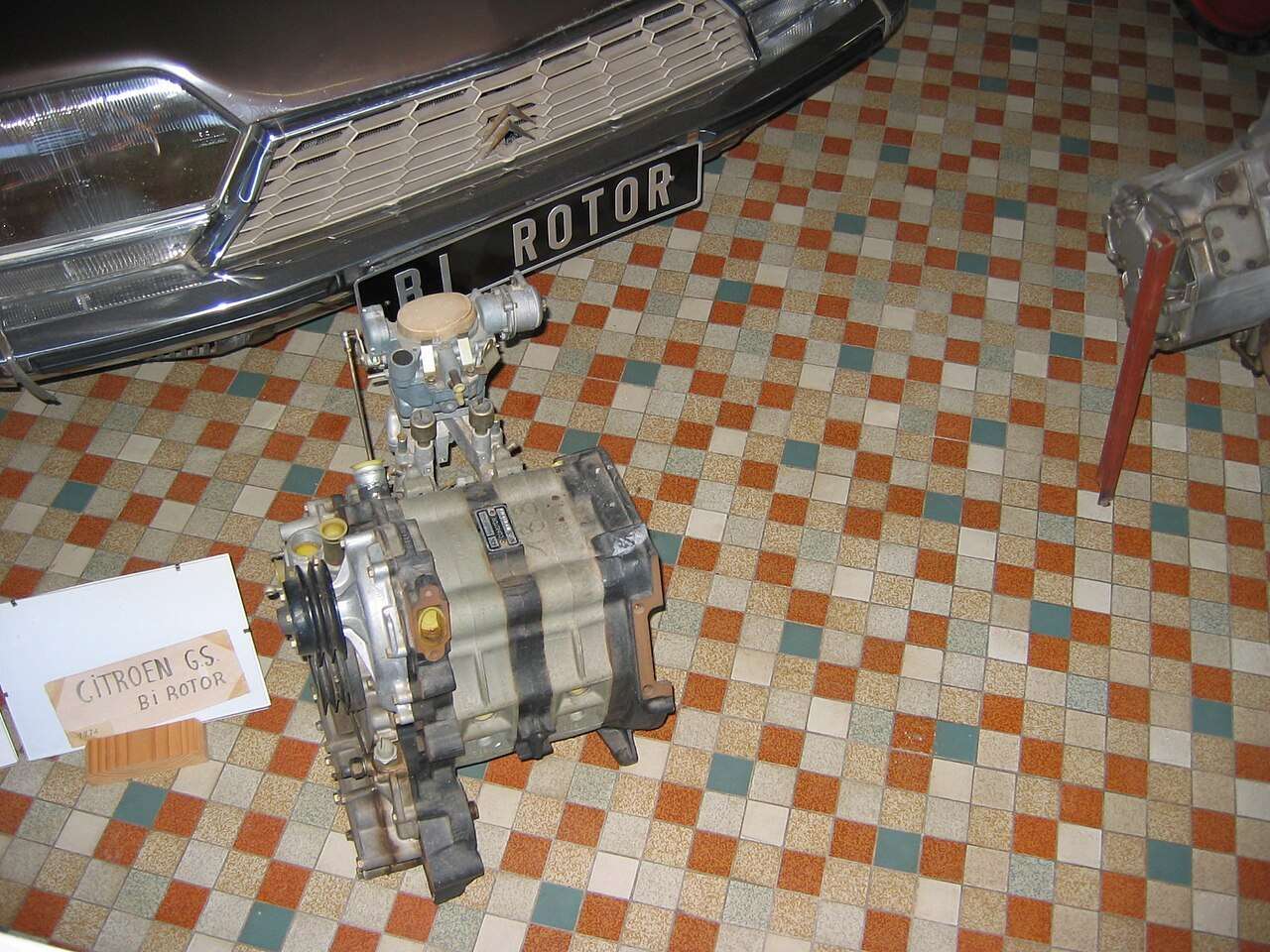
The water-cooled Comotor Type 624 used two rotors instead of reciprocating pistons. Citroën emphasised smooth running and an eagerness to rev, characteristics that set it apart from the normal flat-four GS.
3. Citroën developed it with NSU
The Comotor venture brought together Citroën and NSU. The engine came from a collaboration far bigger than an experiment by one French model team.
4. It had a semi-automatic transmission
The C-Matic system combined a selectable gearbox with a clutch-free driving experience. It suited the rotary’s smooth delivery and made the Birotor feel different from the moment the driver pulled away.
Love cars you don’t see every day?
Get forgotten cars, surprising motoring stories and the most interesting finds from Unusual Cars by email.
Free to join. No spam. Unsubscribe whenever you like. See our Privacy Policy.
5. The widening was visible
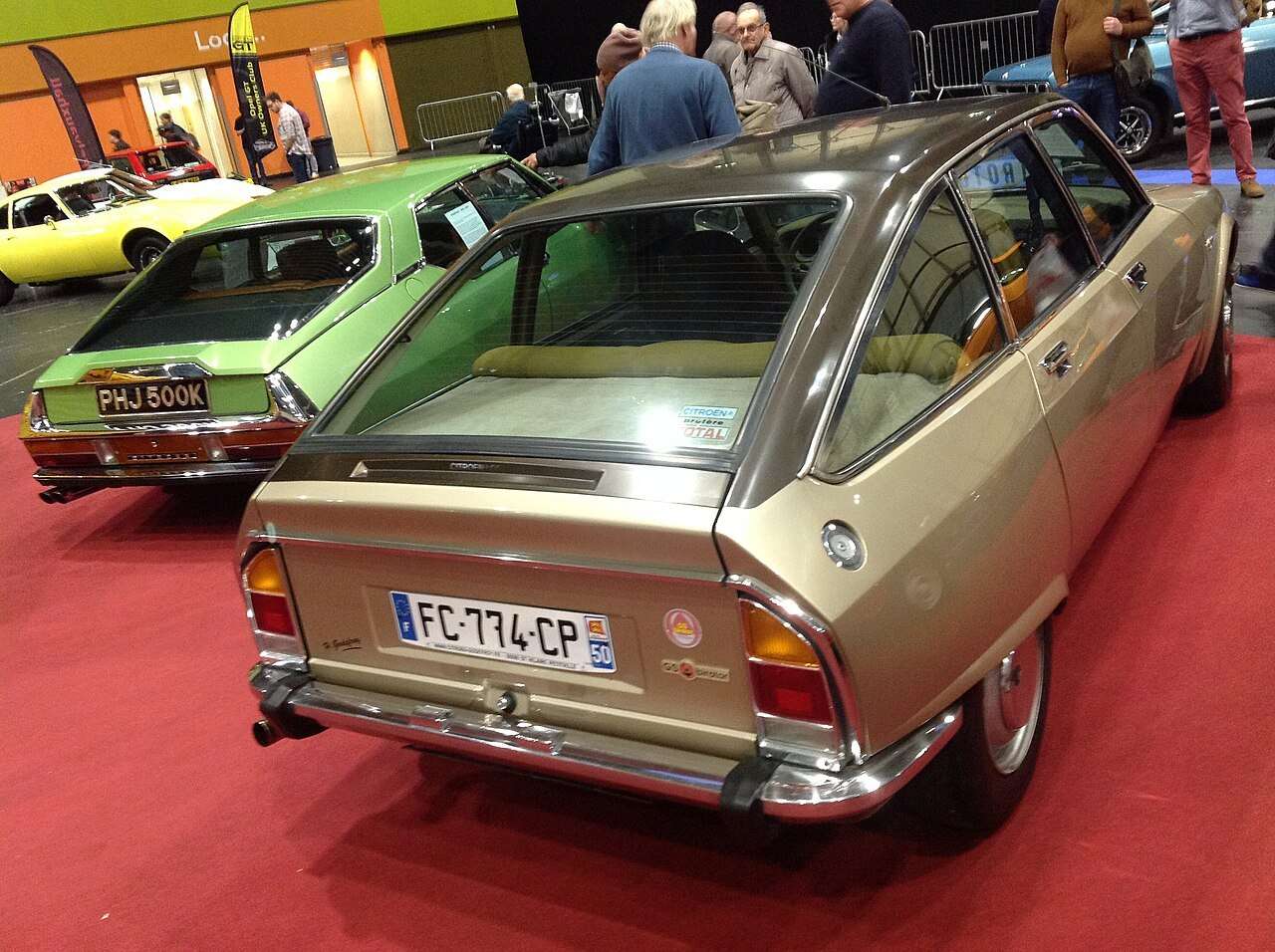
The Birotor wore flared arches and different wheels. Those details matter in a photo because much of the surrounding GS body remains familiar.
6. It kept the Citroën ride
Hydropneumatic suspension remained central to the car’s identity. The rotary engine and self-levelling suspension were two distinct pieces of engineering with a common emphasis on smoothness.
7. The timing was dreadful
The energy crisis made the model’s appetite for fuel a serious drawback. Citroën’s historical account quotes consumption of around 14 litres per 100 km and says the planned German launch was cancelled.
8. It was priced well above an ordinary GS
Lane Motor Museum puts the premium at about 70 percent over a standard GS. That made the rotary a large financial step for anyone used to thinking of the GS as a family car.
9. Citroën records 847 cars
The manufacturer’s retrospective dates production to March 1974 through March 1975 and records 847. Lane Motor Museum also notes that Citroën subsequently offered to buy cars back from owners.
10. A real survivor is worth studying in detail
Lane Motor Museum retains a 1975 example. The arches, the wheel fixings and the transmission controls help explain how much of the Birotor lay beyond the change under its bonnet.
Read our 10 Things article on the Mazda RX-7 FD.
Explore more 10 Things articles
Browse the Unusual Cars 10 Things hub.
Sources and further reading
- Citroën, GS Birotor factory retrospective
- Lane Motor Museum, 1975 GS Birotor collection record
- Citroën internal launch circular, July 1973
Featured image: Gold 1974 Citroën GS Birotor at the NEC Classic Motor Show. Photo by Vauxford via Wikimedia Commons (CC BY-SA 4.0, resized).
Join the Unusual Cars Club
Get more forgotten performance cars, surprising motoring stories and new 10 Things articles by email.
Free to join. No spam. Unsubscribe whenever you like. See our Privacy Policy.