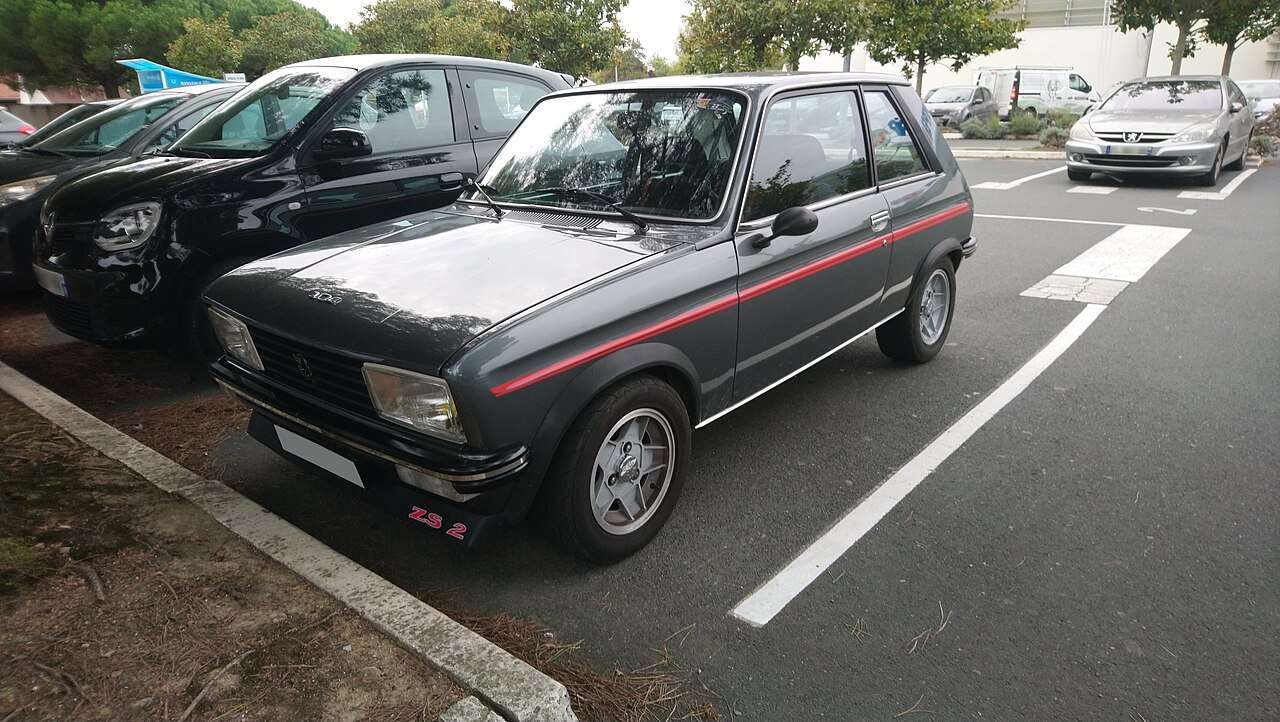
The 104 ZS shows how Peugeot was developing small performance hatchbacks before the 205 GTI. The rarer ZS2 added genuine homologation history to a shape that still looked like an ordinary town car.
1. The sporting cars used the short body
The ZS was based on the short three-door 104. That made it notably different in proportion from the longer family-oriented 104, even before badges and wheels entered the picture.
2. ZS and ZS2 were separate designations
ZS was the longer-running sporting model. ZS2 identified a much rarer derivative with a specific homologation purpose. Treating those names as interchangeable muddles the story.
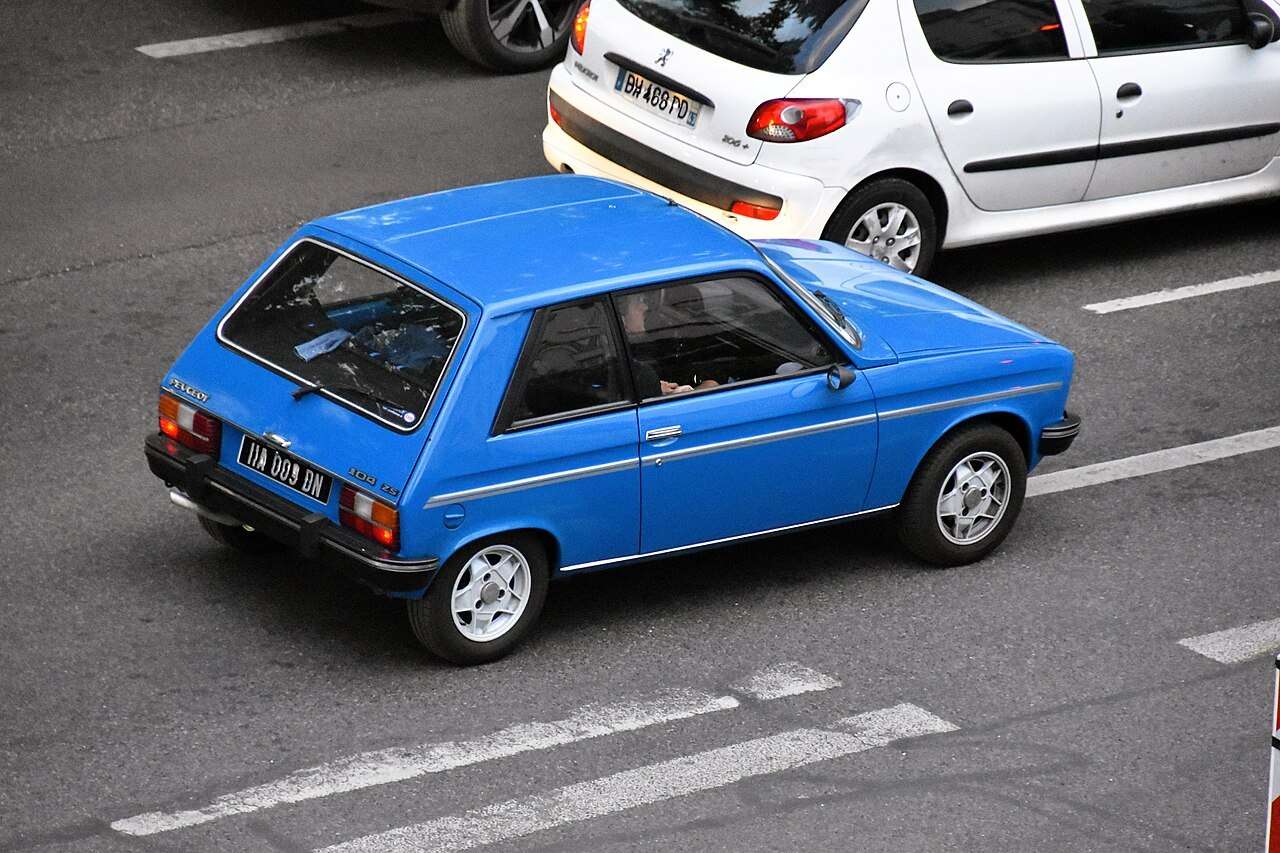
3. Early and late ZS specifications differ
Peugeot changed engines and outputs during the model’s life. Year and country are useful qualifiers when quoting a ZS figure, especially if a source is describing the French-market model.
4. The ZS2 used a 1,360 cc engine
The FIA paperwork records the 1,360 cc capacity. In road form the ZS2’s higher-output engine and twin carburettors were central to its identity, distinct from the specifications of later prepared competition cars.
Love cars you don’t see every day?
Get forgotten cars, surprising motoring stories and the most interesting finds from Unusual Cars by email.
Free to join. No spam. Unsubscribe whenever you like. See our Privacy Policy.
5. Its FIA story spanned two rulebooks
The original Group 2 papers carry homologation number 1696. The FIA also records a later Group B homologation, number 226. The documents provide a better guide to period eligibility than the badge on a restored car.
6. The powertrain made unusual use of space
The compact X-series installation placed the gearbox below the engine and inclined the unit sharply. It was an ingenious way to package a transverse front-drive powertrain in a small bonnet.
7. It shared a wider French small-car family
Petrolheads who know the Citroën LN or Talbot Samba will recognise parts of the 104 family story. The shared engineering helps explain why these apparently separate cars turn up together in period rally discussions.
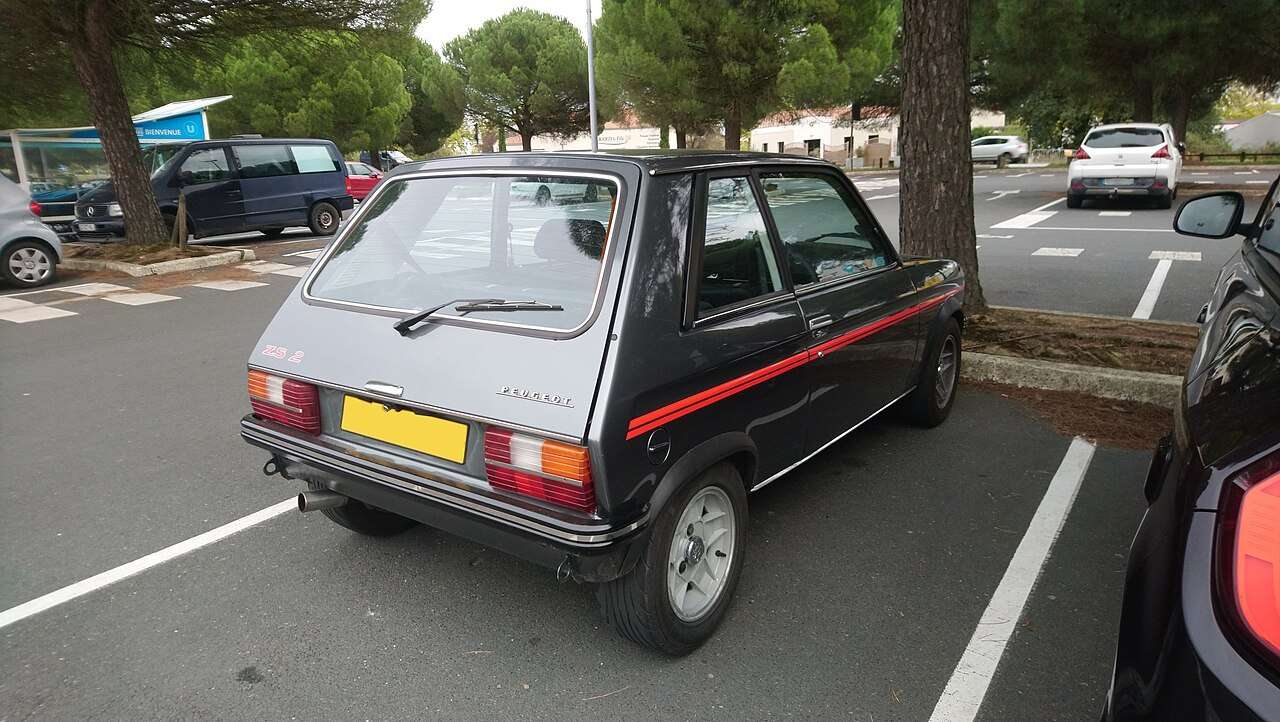
8. The changes could be surprisingly discreet
The basic 104 shape stayed recognisable. Period identification relies on the appropriate wheels, trim, documentation and engine details rather than any one later-applied decal.
9. The 205 GTI took the idea to a much larger audience
The later 205 made Peugeot’s small hot hatch famous internationally. The 104 makes an interesting prequel because it shows the company working on compact performance and competition preparation several years earlier.
10. Road and competition figures should be kept apart
FIA forms permit particular parts and variants. They are evidence of eligibility, while a sales brochure is the better starting point for what a showroom car delivered.
Explore the related Talbot Samba Rallye.
Explore more 10 Things articles
Browse the Unusual Cars 10 Things hub.
Sources and further reading
Featured image: Dark Peugeot 104 ZS2. Photo by Llann Wé² via Wikimedia Commons (CC BY-SA 4.0, resized).
Join the Unusual Cars Club
Get more forgotten performance cars, surprising motoring stories and new 10 Things articles by email.
Free to join. No spam. Unsubscribe whenever you like. See our Privacy Policy.