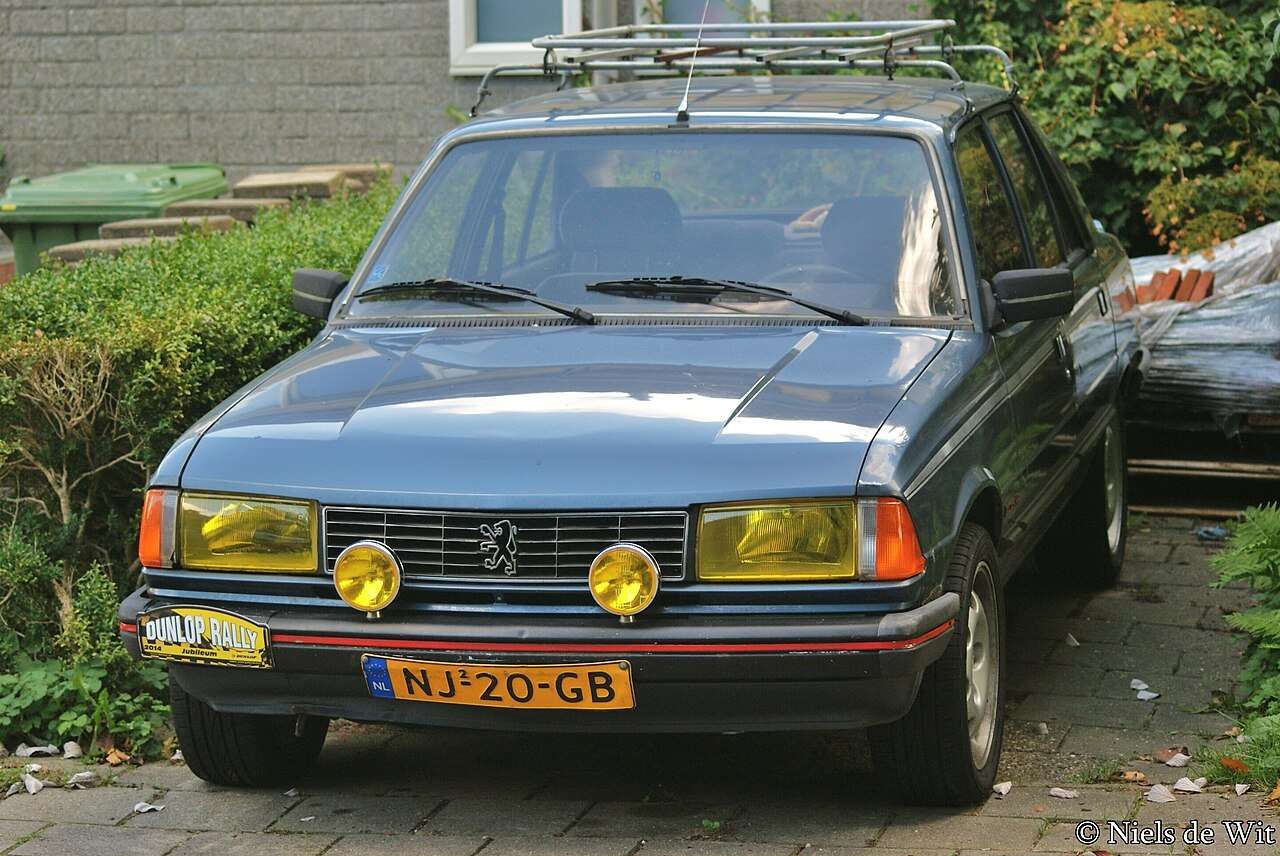
The Peugeot 305 GTX put a 1.9-litre petrol engine into the kind of car you expected to see on a family driveway. Peugeot even listed a GTX estate, making the quicker 305 a good deal more practical than most of its hot-hatch contemporaries.
1. The GTX belonged to the revised 305
The later 305 used Peugeot’s XU engine family in several forms. The GTX badge picked out one of the stronger petrol options in a range still dominated by everyday family cars.
2. The familiar 1.9 displaced 1,905 cc
Peugeot’s French estate brochure gives 1,905 cc for the GTX. The underlying engine family was familiar across PSA, but a GTX badge does not tell you the exact tune in every market.
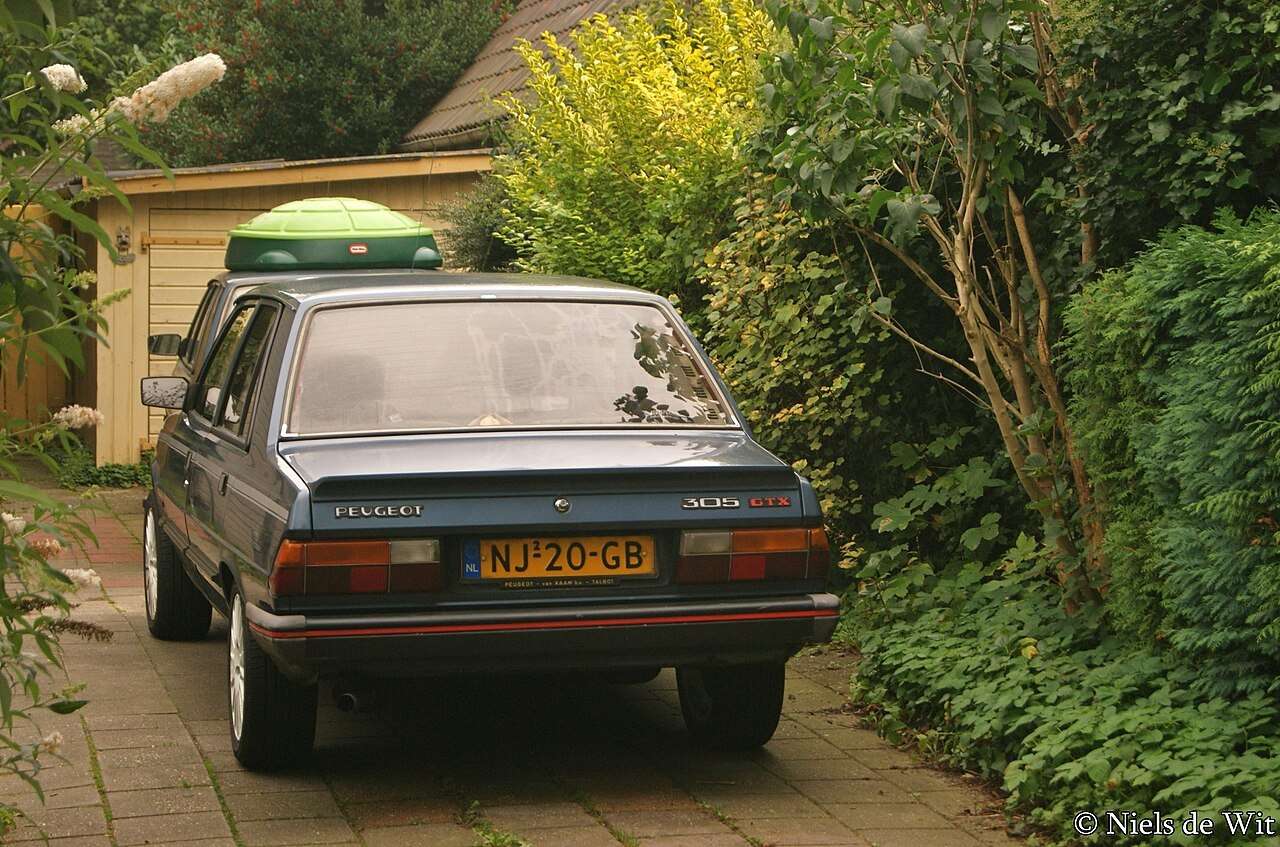
3. France quoted 105 ch DIN
That was the figure in Peugeot’s 1985 French estate brochure. Other countries listed catalyst-equipped injection versions, a reason to compare like-for-like specifications rather than assume every GTX was identical.
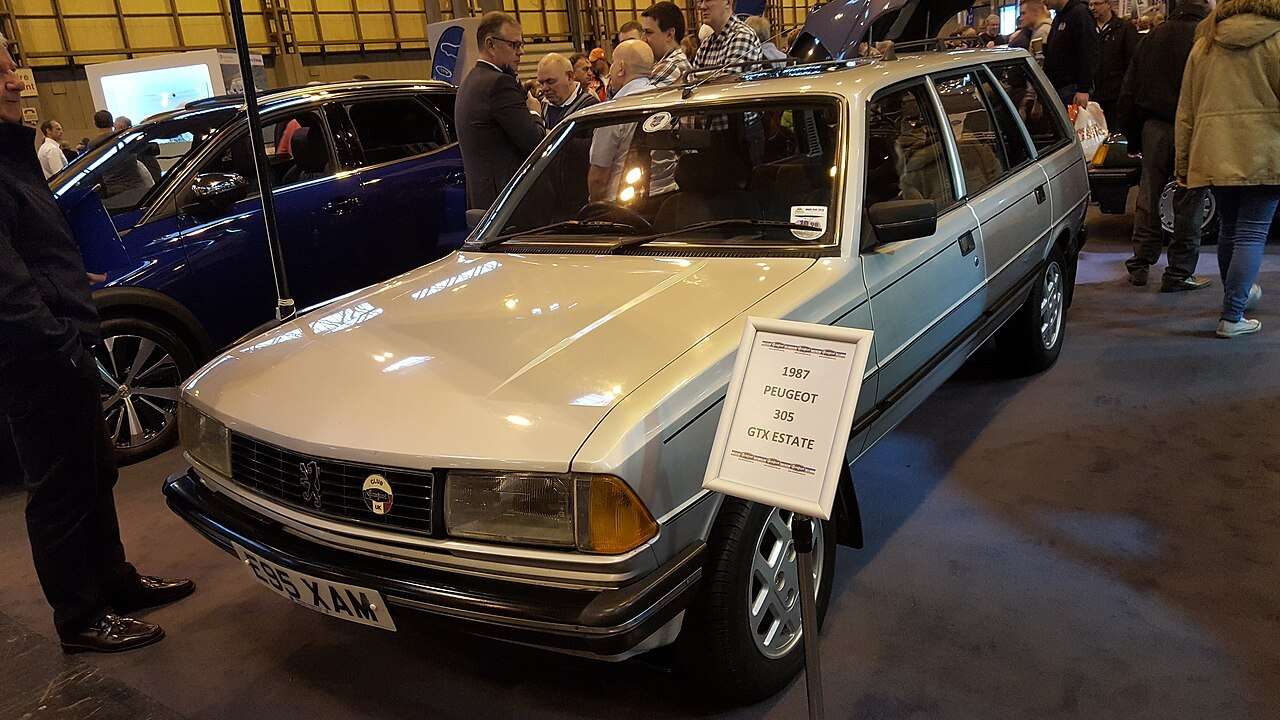
4. The estate was a real catalogue model
The GTX Break appears in Peugeot’s original literature alongside the ordinary petrol and diesel estates. A long roof with the faster petrol specification was a factory choice, not an enthusiast conversion.
Love cars you don’t see every day?
Get forgotten cars, surprising motoring stories and the most interesting finds from Unusual Cars by email.
Free to join. No spam. Unsubscribe whenever you like. See our Privacy Policy.
5. The 305 had a distinctive estate rear suspension
Peugeot gave the estate a compact rear suspension package that kept the loading area useful. The practical gains mattered on a car sold as a load carrier as well as a family wagon.
6. Its visual clues were restrained
The GTX kept the same essential body as the other late 305s. Wheels, trim and badges did the work of distinguishing it, which explains why period photos of the trim are worth keeping separate from generic 305 illustrations.
7. A five-speed manual suited its role
The sporting specification combined the larger engine with a five-speed manual. The idea was stronger cross-country and motorway performance in a car that could still be used for ordinary jobs.
8. The GT and GTX were separate labels
Contemporary brochures list GT and GTX together. Checking the year and country matters because the two badges could identify different capacities and specifications depending on the catalogue.
9. The saloon had a different silhouette from the estate
A short boot and upright cabin made the saloon look very much like a conventional small executive car. The estate showed how far Peugeot could stretch the sporting badge without changing what it meant under the bonnet.
10. It makes a good foil for a GTI
While the 205 GTI was the obvious small sports Peugeot, the 305 GTX carried the same decade’s appetite for stronger engines into a larger family car. The estate makes that contrast especially easy to see.
10 Things You Probably Didn’t Know About the Peugeot 205 GTI 1.6 and 1.9.
Explore more 10 Things articles
Browse the Unusual Cars 10 Things hub.
Sources and further reading
- 1985 Peugeot 305 estate brochure catalogue record
- 1985 Peugeot 305 range brochure scan
- Peugeot 305 model and market chronology
Featured image: 1985 Peugeot 305 GTX from the front. Photo by Niels de Wit from Lunteren, The Netherlands via Wikimedia Commons (CC BY 2.0, resized).
Join the Unusual Cars Club
Get more forgotten performance cars, surprising motoring stories and new 10 Things articles by email.
Free to join. No spam. Unsubscribe whenever you like. See our Privacy Policy.