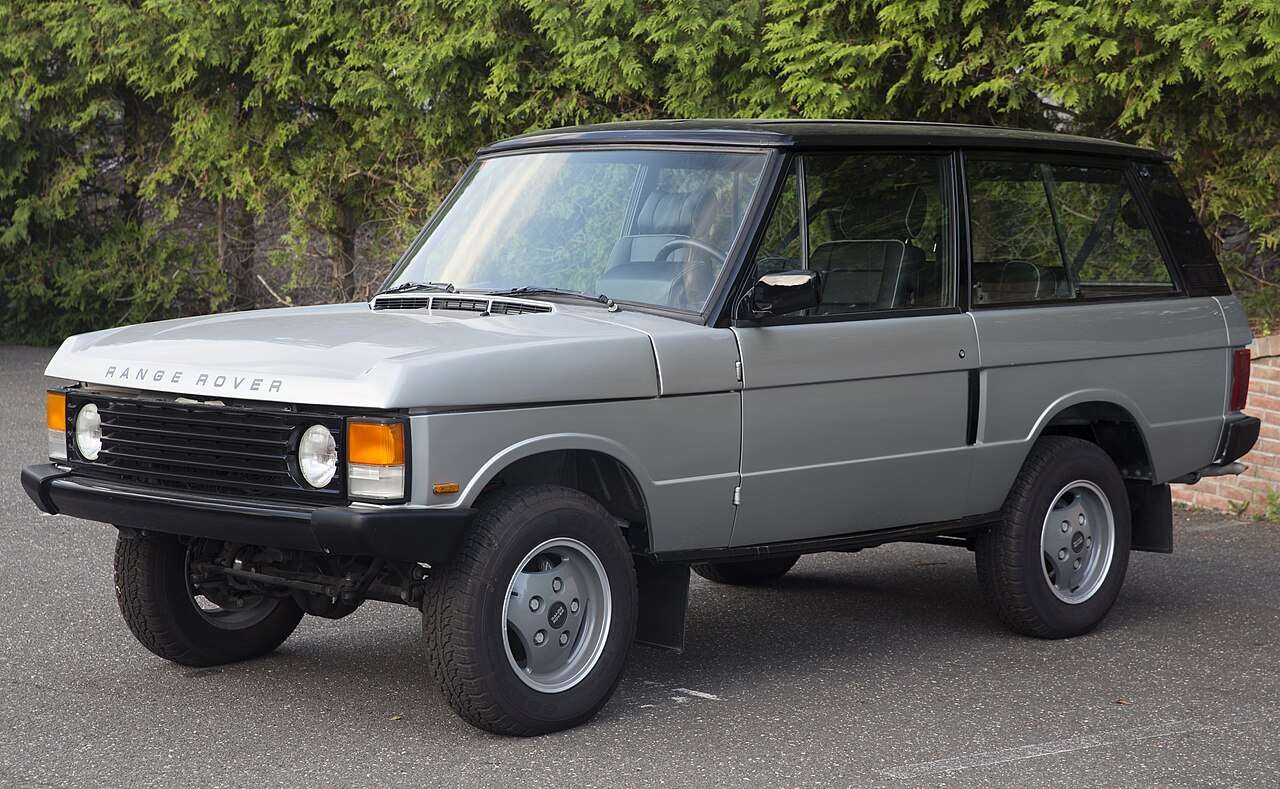
The first Range Rover arrived as a plain, two-door machine with a V8 and rubber floors. It went on to win the first Paris–Dakar and helped define what a luxury 4×4 could be.
1. The first customers only had two side doors
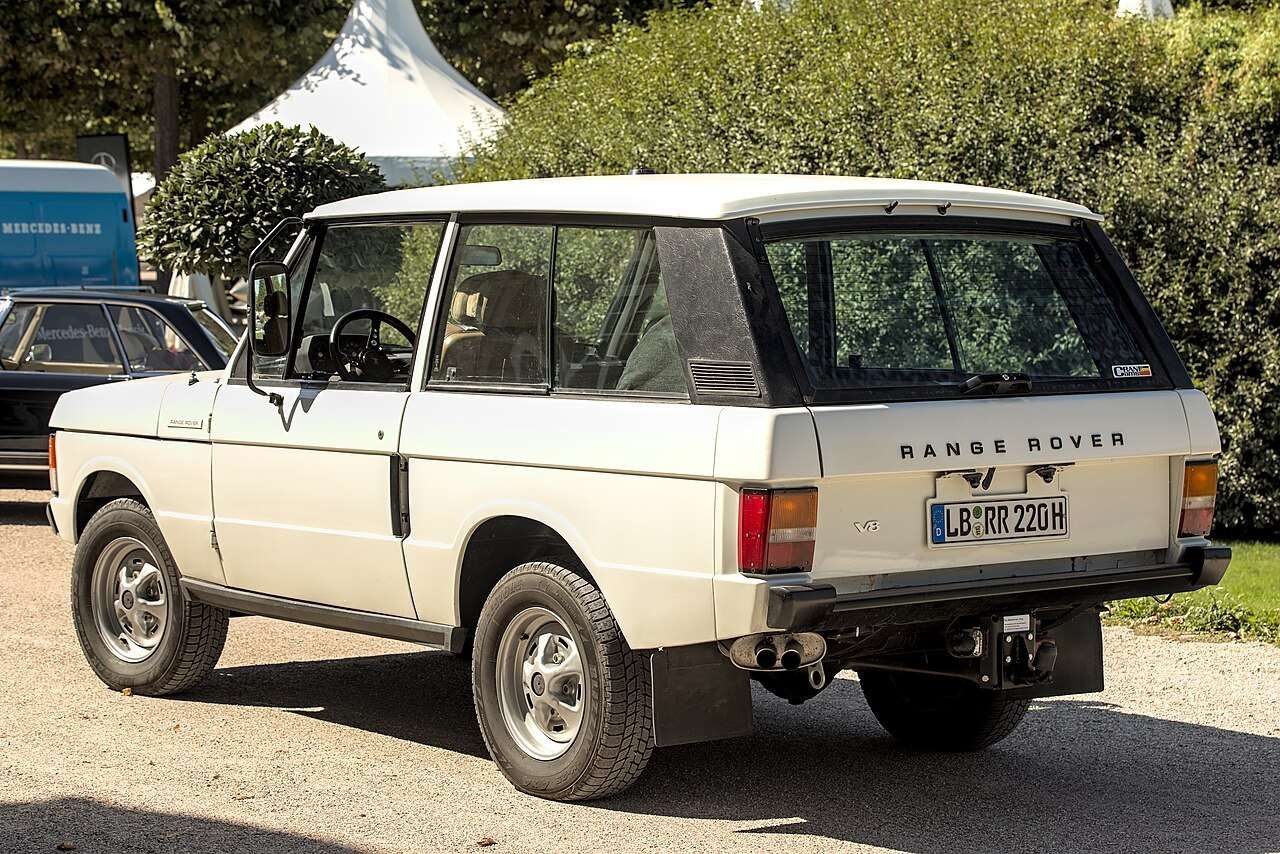
The Range Rover went on sale in 1970 as a two-door. Its upright cabin and split tailgate made it equally at home carrying people and gear, provided back-seat passengers could climb past the front seats.
2. A Rover V8 set the tone
Early cars used the 3.5-litre Rover V8, the aluminium engine with roots in a Buick design. Its torque and relatively low weight suited a car asked to work at low speed, tow and cruise on the road.
3. Coil springs changed the ride
Long-travel coil springs gave it axle articulation off-road and more compliance on the road. It still had live axles at both ends. The ride was a result of how the suspension was arranged and tuned.
4. Permanent four-wheel drive was fundamental
The transmission could drive both axles full-time, with a lockable centre differential for slippery conditions. Low range gave drivers a different set of ratios for crawling and pulling. The road manners and off-road ability were designed into the same package.
Love cars you don’t see every day?
Get forgotten cars, surprising motoring stories and the most interesting finds from Unusual Cars by email.
Free to join. No spam. Unsubscribe whenever you like. See our Privacy Policy.
5. The early cabin could take muddy boots
Washable surfaces and rubber flooring suited an early Range Rover better than the leather-and-carpet image the name later acquired. The original cabin is a clue to how much the car’s role changed during one generation.
6. Velar started out as camouflage
Land Rover used Velar badging on pre-production vehicles to disguise the project. Decades later it revived the name on a showroom Range Rover of its own. Those early badges were intended to attract less attention.
7. Paris–Dakar proved a point
A Range Rover won the inaugural Paris–Dakar in 1979, and another won in 1981. The event was a natural place to show what the basic combination of V8 power, long suspension travel and four-wheel drive could do.
8. The factory four-door came a decade later
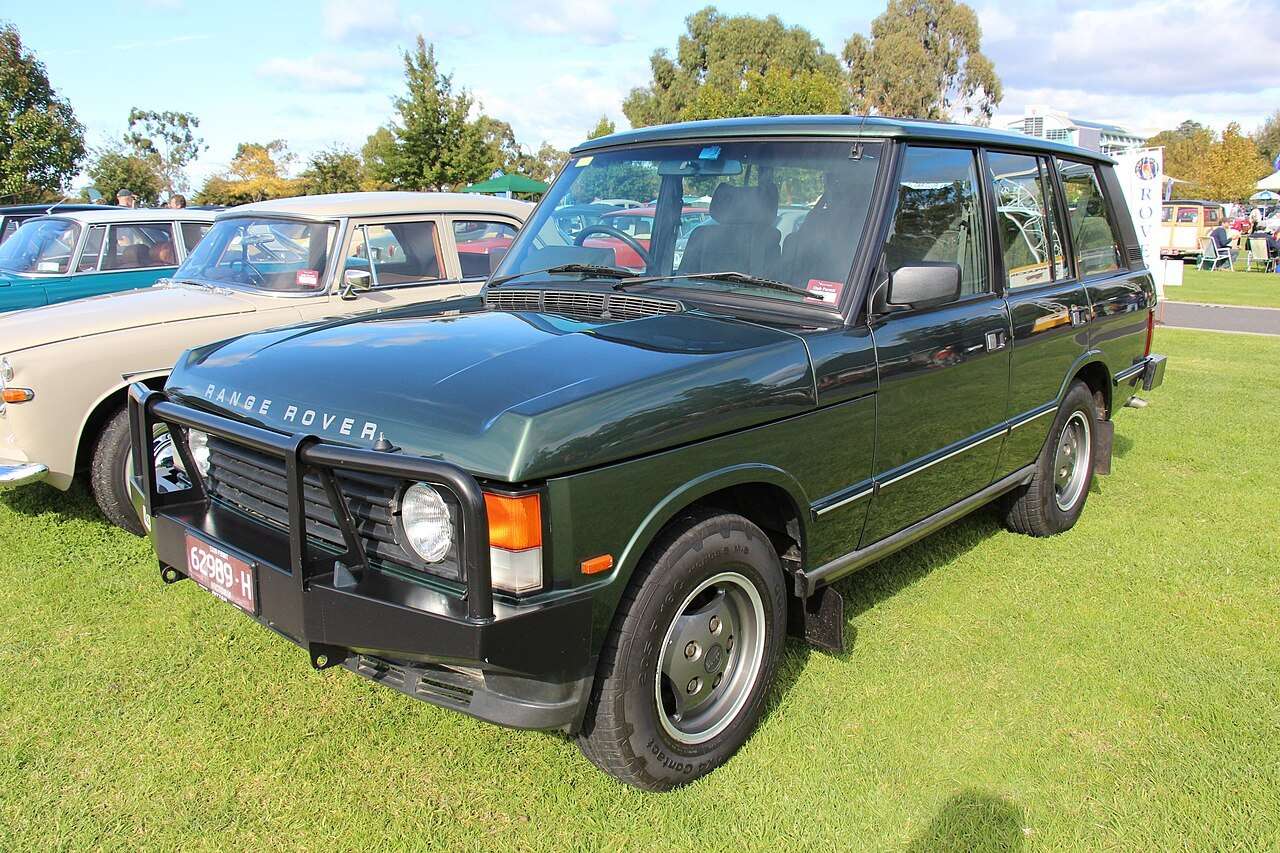
The production four-door joined in 1981. It opened up a larger audience for the same basic vehicle, especially families and owners who regularly carried adults in the back.
9. It moved steadily upmarket
More luxurious trims and more powerful engines followed. The later long-wheelbase LSE gave rear passengers extra room, a far cry from the original two-door’s utilitarian interior.
10. The Classic name came at the end
The original continued alongside its successor for a time and acquired the Classic name to distinguish the two. That is why a 1970 example and a mid-1990s one can share a generation name despite feeling like products from different worlds.
Explore more 10 Things articles
Browse the Unusual Cars 10 Things hub.
Sources and further reading
Featured image: Two-door Range Rover Classic. Photo by Mr.choppers via Wikimedia Commons (CC BY-SA 4.0, resized).
Join the Unusual Cars Club
Get more forgotten performance cars, surprising motoring stories and new 10 Things articles by email.
Free to join. No spam. Unsubscribe whenever you like. See our Privacy Policy.