Before the Espace became shorthand for a family people carrier, Matra spent years trying to interest a manufacturer in the idea. Renault finally took it on, and the result made ordinary saloons seem a lot less adaptable.
1. The idea began at Matra
Philippe Guédon was looking for a new direction beyond Matra’s existing cars. Early work on a family vehicle began in 1979, years before buyers met a Renault-badged Espace.
2. The design passed through several projects
Matra tried different mechanical starting points. Renault’s archive records a P20 proposal based around the future Citroën BX before the P23 took shape with Renault components. The famous finished car was the product of several attempts.
3. Romorantin made it
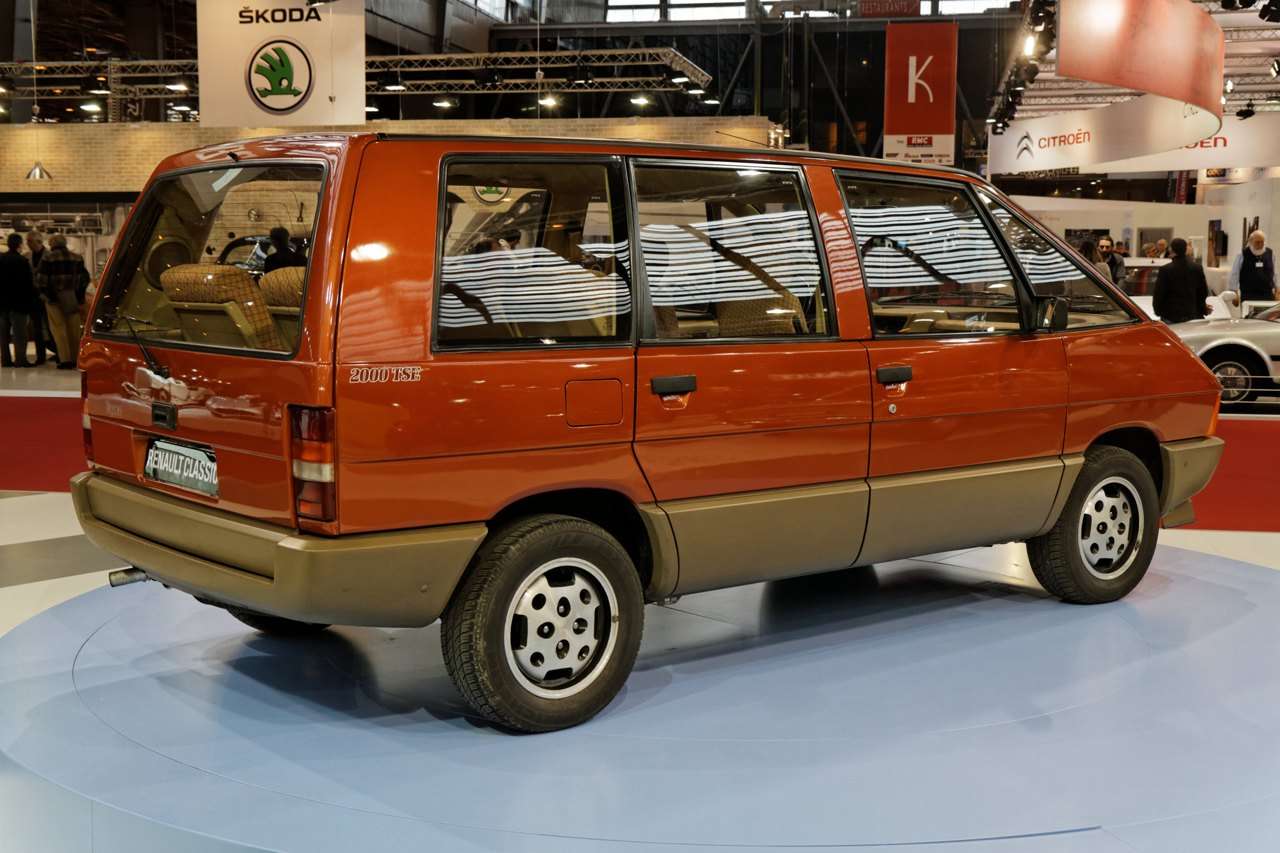
Matra manufactured the production Espace at Romorantin in France. Renault supplied mechanical components and sold the car through its network. The badge tells only part of the manufacturing story.
4. It put seven seats in a single-volume shape
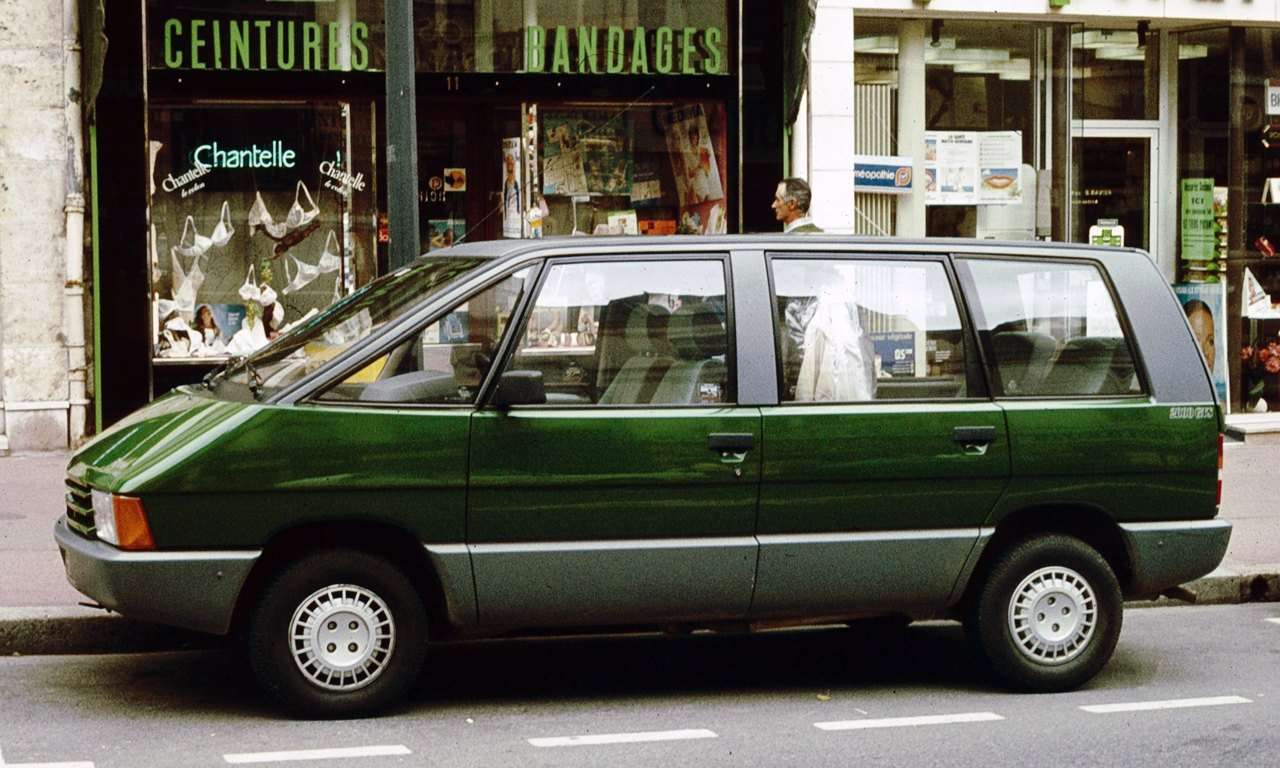
The high roof and forward cabin let the Espace pack three rows into a shape quite unlike a conventional estate. Seating up to seven mattered just as much as the unbroken silhouette.
Love cars you don’t see every day?
Get forgotten cars, surprising motoring stories and the most interesting finds from Unusual Cars by email.
Free to join. No spam. Unsubscribe whenever you like. See our Privacy Policy.
5. The rear seats were removable
The seats could be taken out individually, letting the same Espace deal with anything from a family holiday to a bulky load. Flexibility was part of the original brief and a reason the vehicle was so different to live with.
6. The body panels were composite
Composite exterior panels were attached to a galvanised steel structure. The combination drew on Matra’s manufacturing experience and helped make a distinctive vehicle without the investment required for a conventional all-steel body.
7. It passed a useful family test at the front
The front seats could swivel for a face-to-face cabin while parked. The idea looks like a show-car trick on paper, but it made real sense on a picnic or a long trip with children.
8. There were petrol and diesel versions
The early range drew on Renault’s existing mechanics, with 2.0-litre petrol and 2.1-litre turbodiesel power in the first generation. The practical choice of engines mattered to buyers even if it was the cabin they remembered.
9. There was a four-wheel-drive Espace
The later Quadra sent power to both axles and is an easy detail to overlook in a story usually told through school runs and summer holidays. It gave the first generation a genuine mechanical variant as well as different trim levels.
10. Its successor kept the Matra relationship
The first generation gave way in 1991 to a smoother-looking second Espace, again built by Matra. By then the idea had a future beyond one unusual launch. The early angular car is the one that had to persuade buyers what a people carrier was for.
Explore more 10 Things articles
Browse the Unusual Cars 10 Things hub.
Sources and further reading
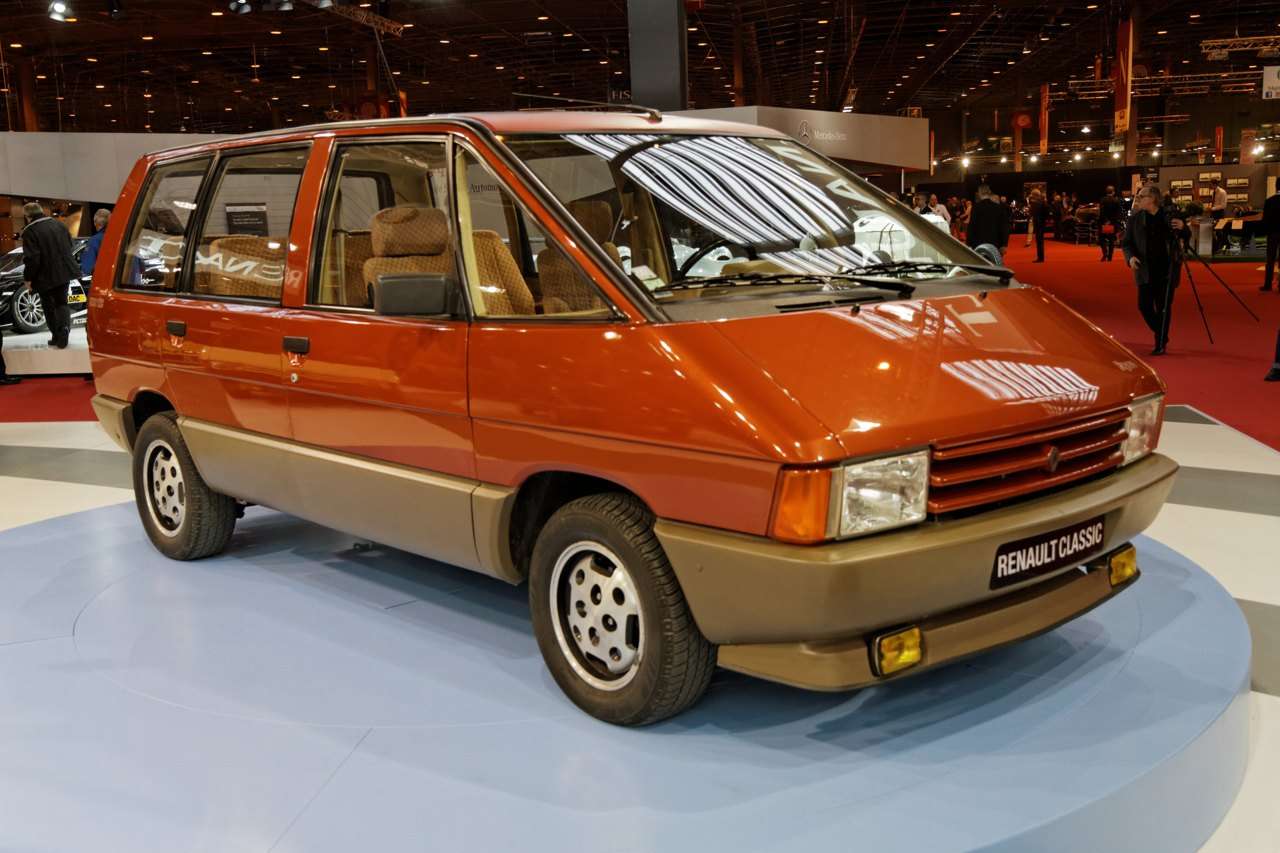
Featured image: First-generation Renault Espace at Rétromobile. Photo by Thesupermat via Wikimedia Commons (CC BY-SA 3.0, resized).
Join the Unusual Cars Club
Get more forgotten performance cars, surprising motoring stories and new 10 Things articles by email.
Free to join. No spam. Unsubscribe whenever you like. See our Privacy Policy.