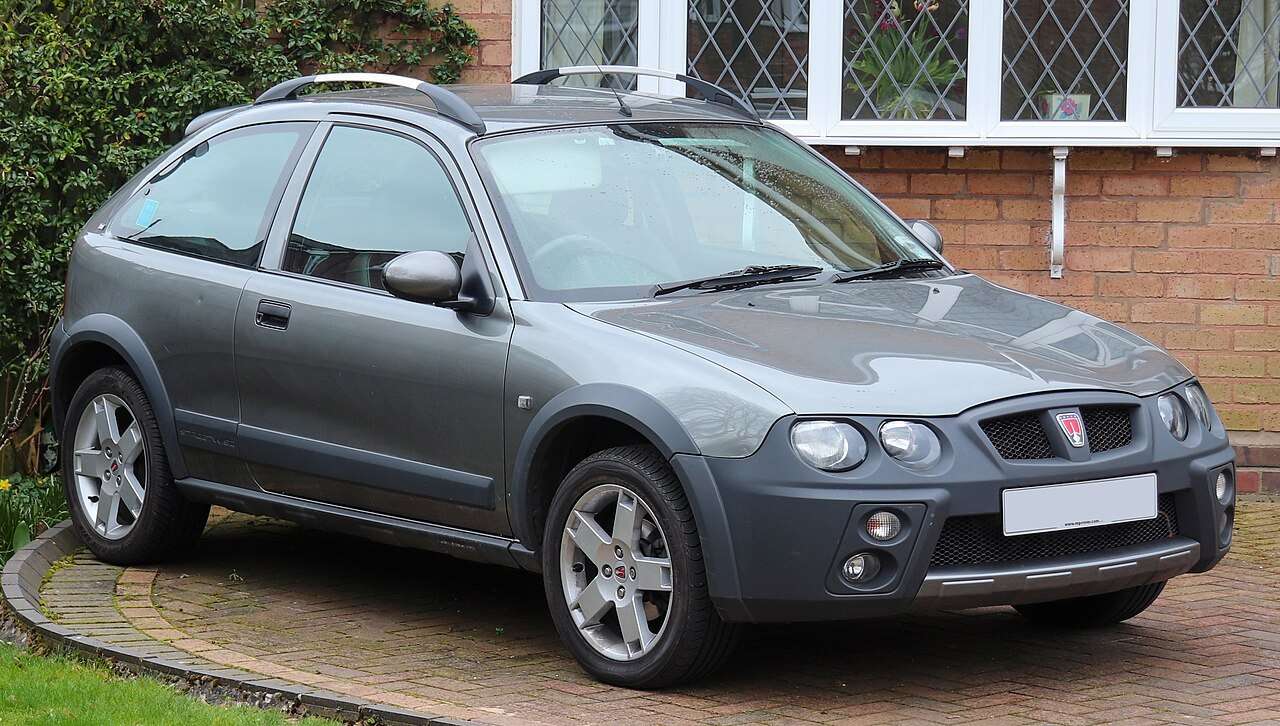
The Streetwise was MG Rover’s pitch for an urban car with the stance of something tougher. It started with the Rover 25 and used familiar mechanicals under a very different set of bumpers, arches and rails.
1. It was based on the Rover 25
The underlying shell and cabin tell the family story. MG Rover added new exterior hardware and a taller stance to give the small hatch its own identity.
2. Rover called it an urban on-roader
The wording made the brief clear. The car was aimed at town use and an adventurous appearance, where its cladding could be more useful around car parks than on a muddy lane.
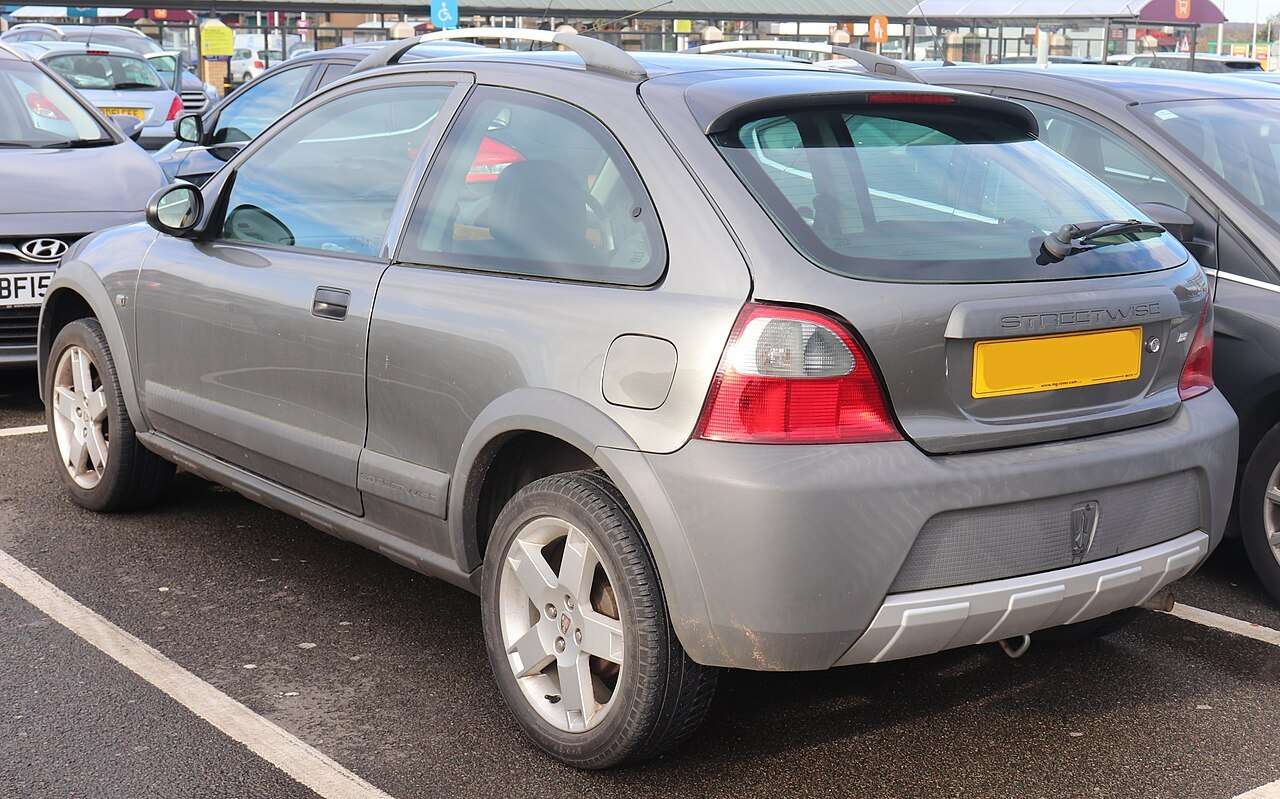
3. The raised stance came with front-wheel drive
The ride-height change helped sell the look, while the drivetrain remained a familiar front-drive layout. The visual impression is much closer to an SUV than the mechanical layout suggests.
4. The bumpers were a big part of the design
Broad, unpainted-looking protective sections covered much of the nose and tail. They also gave the front and rear ends a very different visual balance from those of a 25.
Love cars you don’t see every day?
Get forgotten cars, surprising motoring stories and the most interesting finds from Unusual Cars by email.
Free to join. No spam. Unsubscribe whenever you like. See our Privacy Policy.
5. Roof rails changed the silhouette
The rails lifted the roofline visually and were a prominent part of Rover’s advertising. They work especially well as a quick identification clue when only the top half of the car is visible.
6. Buyers could choose three or five doors
The sportier-looking three-door and more practical five-door bodies gave the same idea different personalities. It is worth showing both if period photographs are available.
7. Some versions had two defined rear seats
Rover offered a cabin with two individual-looking rear positions and a centre storage area. Details varied with specification, making the back seat another clue to the car’s original configuration.
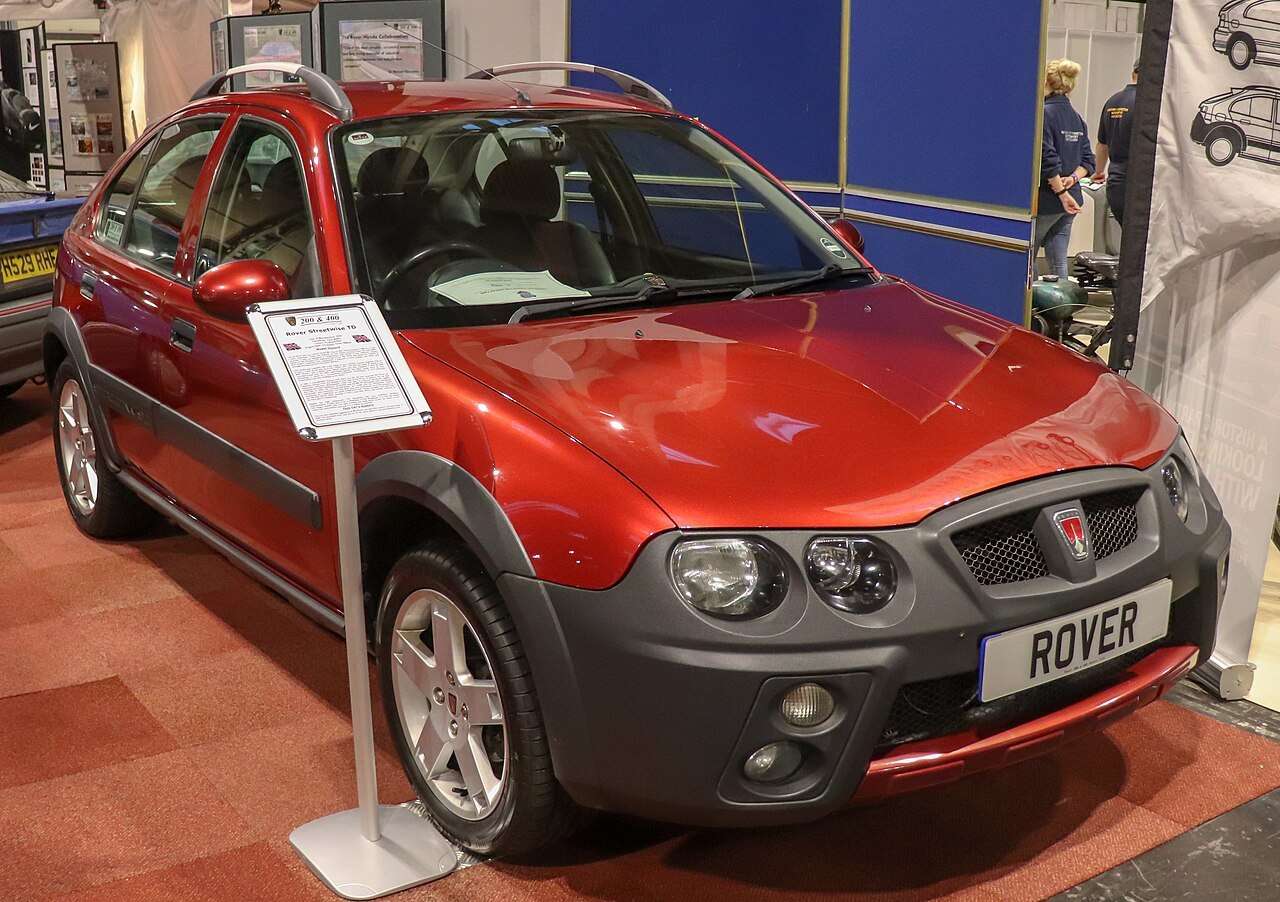
8. The engine list was recognisably Rover
K-series petrol engines and an L-series diesel were among the powertrains. The brand’s familiar engine choices helped keep this a specialist variation on an existing car.
9. It arrived late in the MG Rover story
Streetwise went on sale in 2003, less than two years before MG Rover’s collapse. The short span explains why it feels strongly tied to a particular moment in British motoring.
10. The idea lived on in China
A related MG3 SW later appeared in China using recognisably similar bodywork and cladding. The relationship is a useful way to explain what happened to this very British-looking hatch after Longbridge.
Explore more 10 Things articles
Browse the Unusual Cars 10 Things hub.
Sources and further reading
- MG Rover Streetwise UK sales brochure
- National Audit Office report on MG Rover
- Rover Streetwise contemporary launch report
Featured image: Rover Streetwise with raised stance and protective cladding. Photo by Vauxford via Wikimedia Commons (CC BY-SA 4.0, resized).
Join the Unusual Cars Club
Get more forgotten performance cars, surprising motoring stories and new 10 Things articles by email.
Free to join. No spam. Unsubscribe whenever you like. See our Privacy Policy.