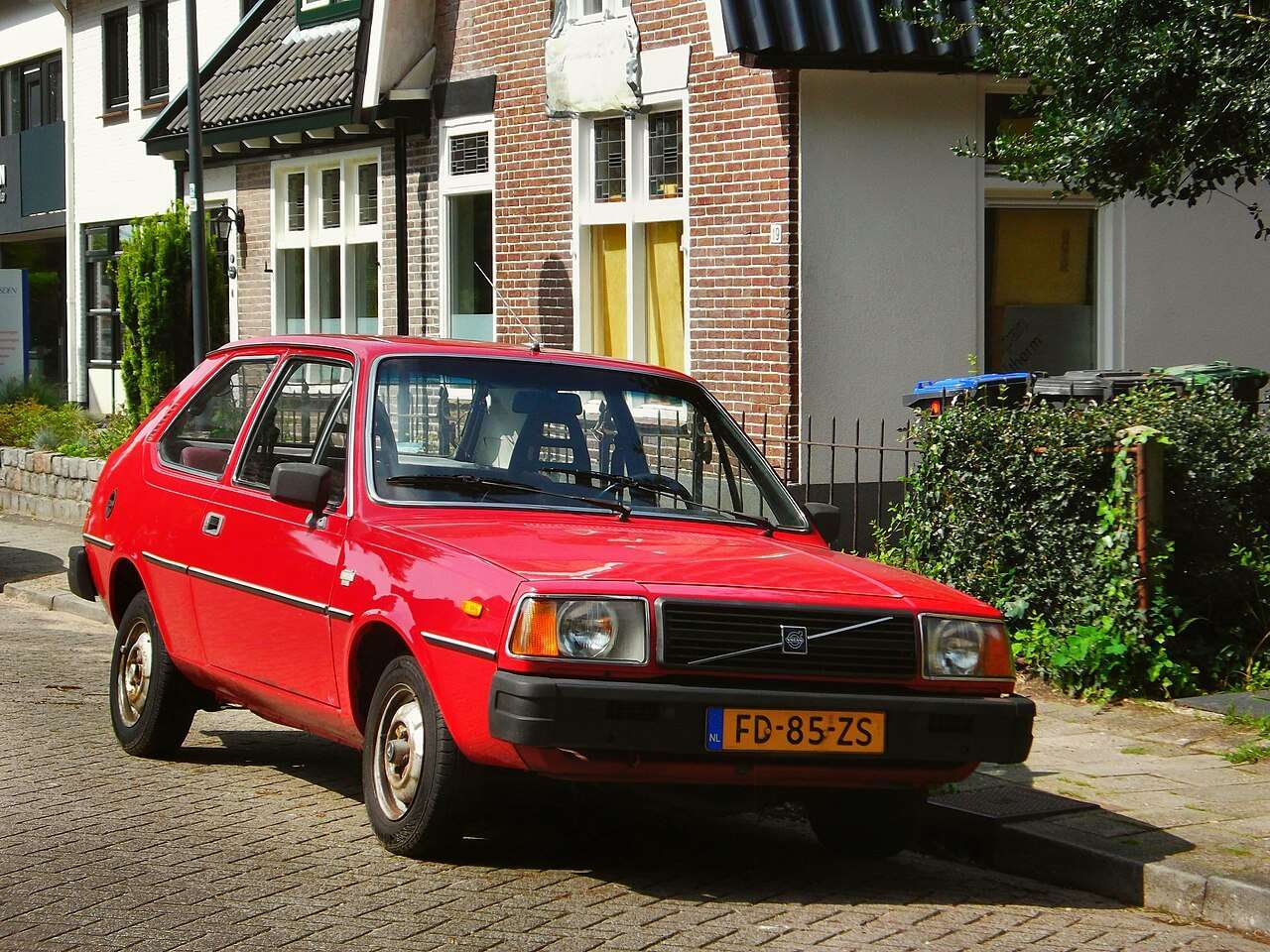
The Volvo 343 and 340 Variomatic hid their best talking point underneath. A Dutch belt-driven automatic sat near the rear axle of a small Volvo that looked built for the school run.
1. It came out of Volvo’s Dutch operation
Volvo identifies the 343 as the first entirely new model presented by Volvo Car BV in the Netherlands. It arrived in 1976 and gave the firm a smaller hatchback with a different engineering background from its larger Swedish saloons.
2. The first one was a three-door
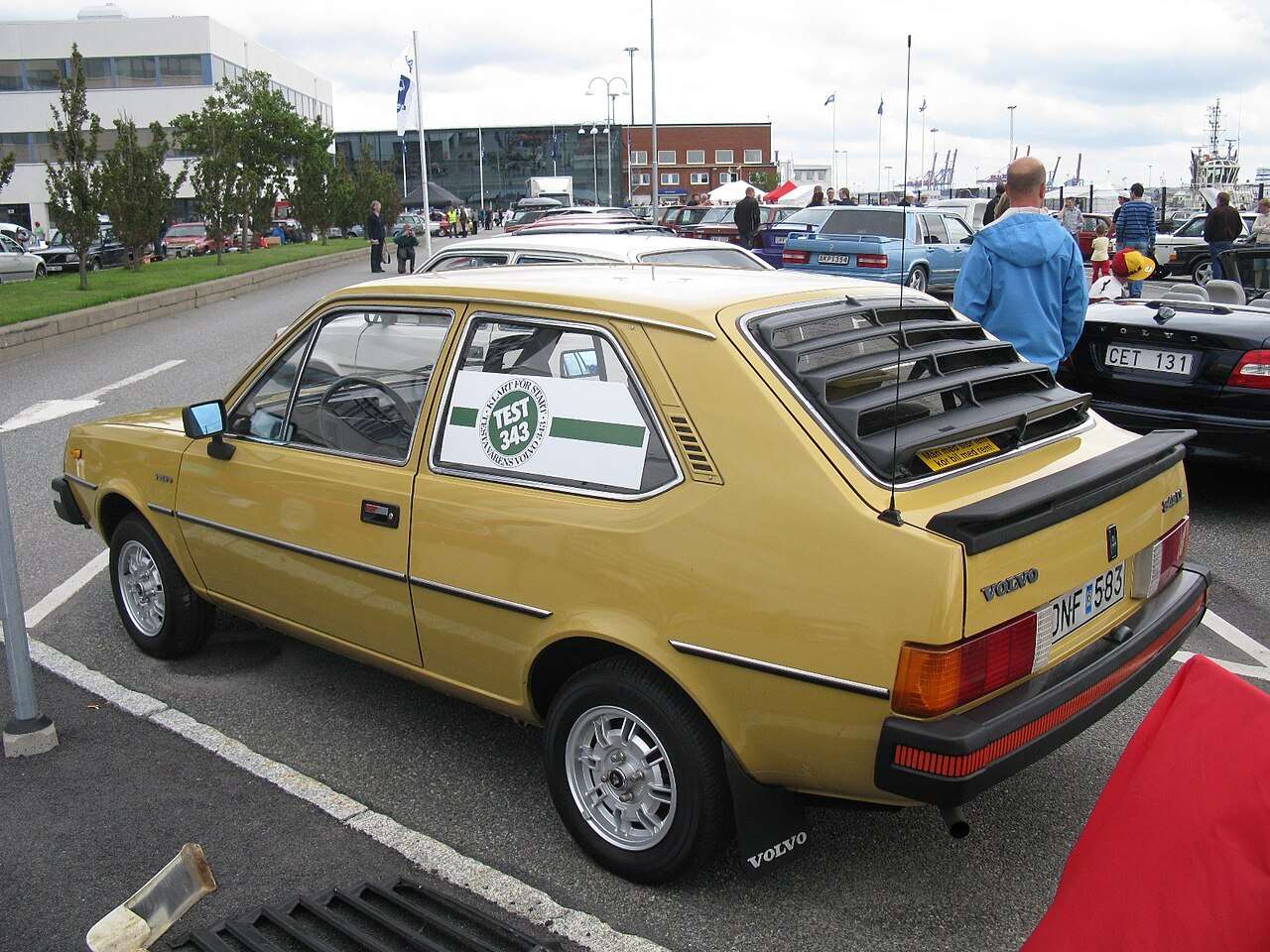
The 343 had a large rear hatch and a small spoiler at the back. The later five-door 345 made the same idea more useful for families with passengers regularly climbing in and out.
3. The engine came from Renault
The early 343 paired its 1.4-litre Renault-derived engine with the Variomatic. In this Volvo, the badge, factory, engine and transmission each had a different part in the car’s origin story.
4. The Variomatic changed ratios continuously
Its pulleys and belts altered the effective ratio as the car moved, giving the driver an automatic with no series of stepped gear changes. The rise in engine speed could sound quite different from the shifting of a conventional automatic.
Love cars you don’t see every day?
Get forgotten cars, surprising motoring stories and the most interesting finds from Unusual Cars by email.
Free to join. No spam. Unsubscribe whenever you like. See our Privacy Policy.
5. The transmission lived at the rear
The engine was at the front and the Variomatic hardware sat towards the back, driving the rear wheels. That transaxle arrangement put some of the drivetrain weight near the axle doing the work.
6. A manual became available
Volvo literature lists manual gearboxes as well as the continuously variable automatic. The manual broadened the model’s appeal, while the Variomatic remained the most direct link to the project’s DAF roots.
7. The Dutch project also gave Volvo the 66
Volvo was already selling a development of the DAF 66 with a Variomatic before the 343. The 343 brought that transmission idea into a larger and more modern hatchback.

8. The names can make the same family look confusing
The early 343 and 345 labels were followed by the 340 name. The 360 was related but had its own two-litre specification, including the later GLT already covered in our series.
9. The automatic deserves a look in its own right
The cockpit gives little away, which makes photographs of the underside or period diagrams particularly revealing. Two cars of the same shape can tell very different stories depending on which gearbox they have.
10. It makes a useful comparison with the 440
The succeeding 440 took Volvo’s compact family cars into front-wheel drive. Park one beside a 340 and you can see an ordinary-looking hatchback range changing direction underneath.
10 Things You Probably Didn’t Know About the Volvo 360 GLT.
Explore more 10 Things articles
Browse the Unusual Cars 10 Things hub.
Sources and further reading
- Volvo Cars 300-series model archive
- Volvo Cars 343 specifications
- Volvo Cars review of its 1970s range
- Period Volvo 343 brochure with transaxle illustration
Featured image: Red 1979 Volvo 343 DL in the Netherlands. Photo by Dennis Elzinga via Wikimedia Commons (CC BY 2.0, resized).
Join the Unusual Cars Club
Get more forgotten performance cars, surprising motoring stories and new 10 Things articles by email.
Free to join. No spam. Unsubscribe whenever you like. See our Privacy Policy.