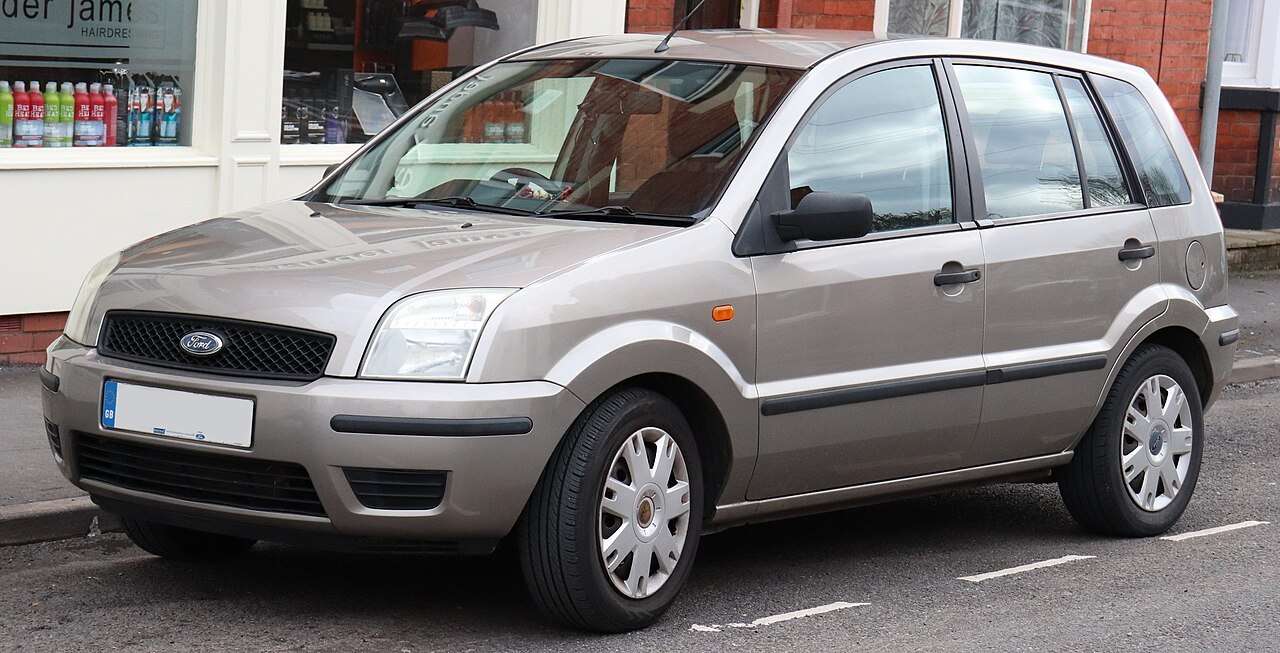
The European Ford Fusion was the tall little Ford that could swallow more than its looks suggested. Its cleverest features make a good case for the humble end of crossover history.
1. Ford launched it at Geneva in 2002
Ford introduced the Fusion at the Geneva Motor Show as an Urban Activity Vehicle. The idea was to give small-car buyers a more useful interior and an upright shape. The category name did not catch on as well as the idea did.
2. It grew from the same small-car programme as the Fiesta
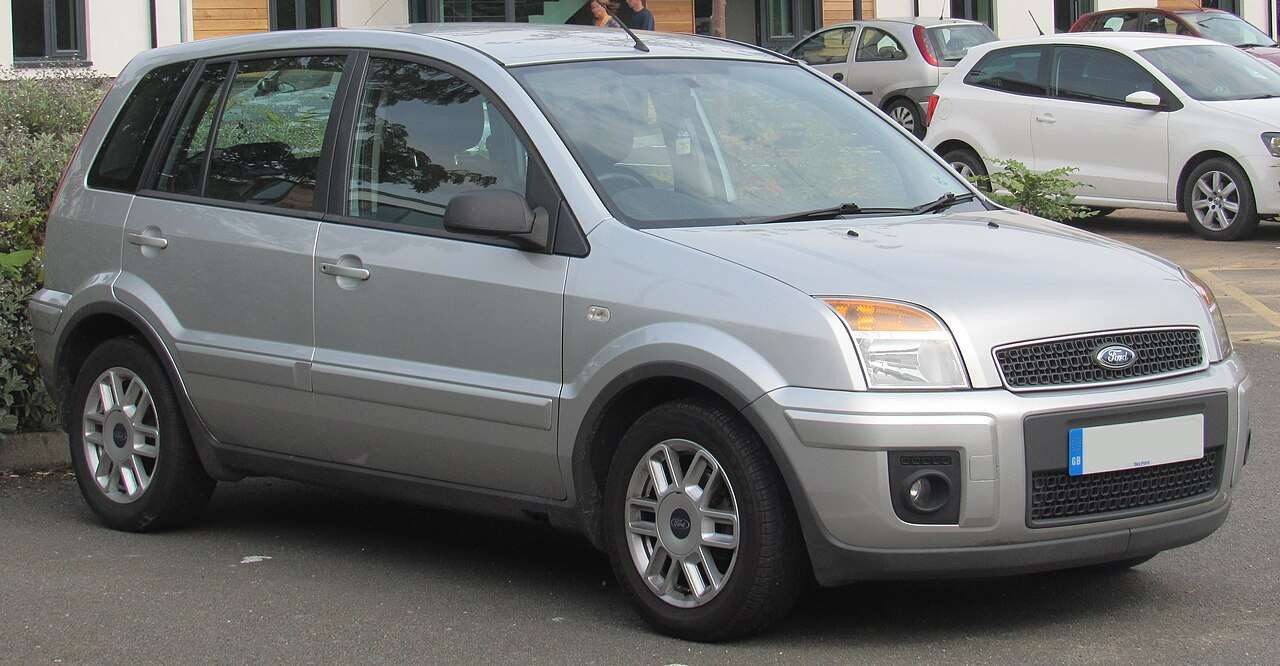
The Fusion took familiar Ford small-car hardware and packaged it in a higher, boxier five-door body. The extra space came from the shape and seating position, so the result felt quite different from a Fiesta even when the engines sounded familiar.
3. The high seating was part of the design
Ford set the seats higher to make access easier and give drivers a better view out. The rear seats sat high too. This was about useful everyday packaging, which is why an ordinary trip to the shops explains the Fusion better than a track test.
4. The front passenger seat became a table
The 2007 UK brochure shows a fold-flat passenger seat with an integrated work surface. It gave the owner somewhere to rest small items and extended the available load length for larger ones.
Love cars you don’t see every day?
Get forgotten cars, surprising motoring stories and the most interesting finds from Unusual Cars by email.
Free to join. No spam. Unsubscribe whenever you like. See our Privacy Policy.
5. The rear seats folded in a 60:40 split
The two sections could fold independently. A long item could go down one side while a passenger stayed in the other section. Combined with the front passenger seat, it was a touching amount of ingenuity for a modest family car.
6. The low loading lip made the space useful
Ford kept the load floor close to the height of the sill. That meant less lifting when putting a heavy box into the boot. Combined with the upright hatch, it gave the Fusion a practical edge that a volume figure alone cannot convey.
7. It launched with both petrol and diesel options
Ford’s Geneva announcement listed 1.4- and 1.6-litre Duratec petrols alongside a 68 PS 1.4 TDCi. The common-rail diesel made 160 Nm. That detail is a good snapshot of how seriously European makers took small diesels at the time.
8. Ford offered an automated manual
Some Fusion models used the Durashift EST automated manual. Its clutch was operated for the driver. It was a distinct transmission from a conventional automatic, so period adverts that bundle them under one label can obscure what buyers got.
9. Fusion+ was a trim grade
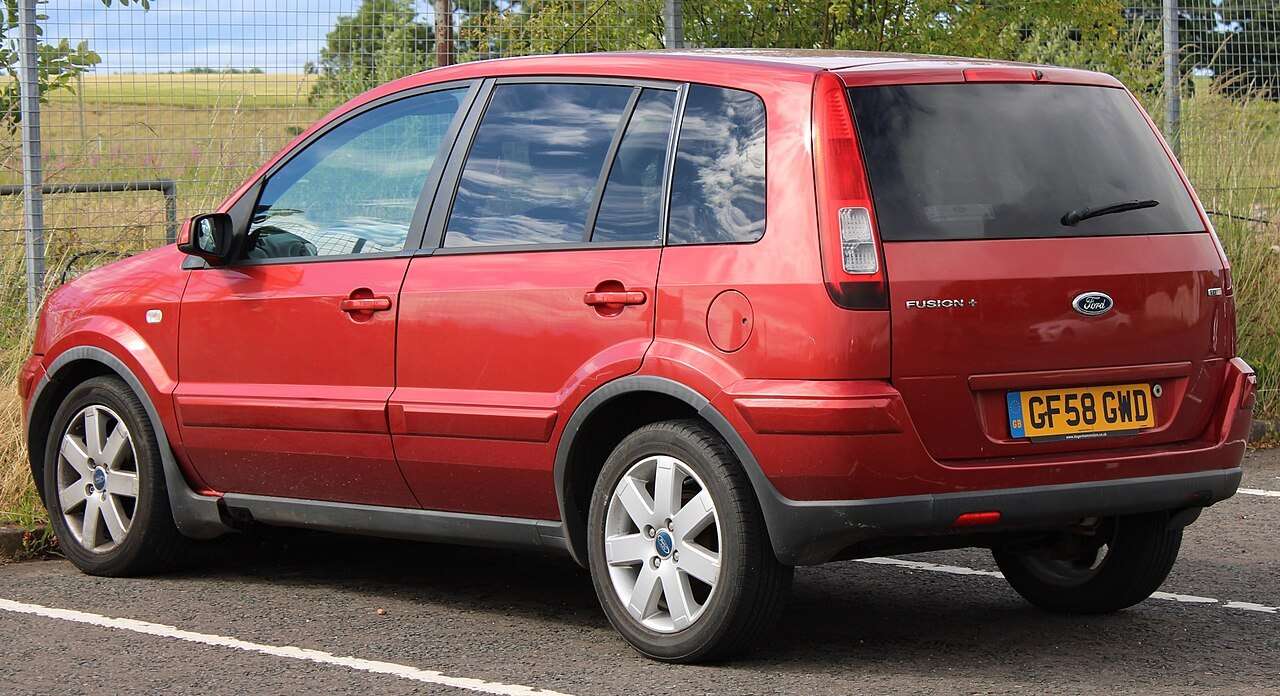
The plus sign identified a more generously equipped version in the 2007 UK brochure. It sat alongside Style and Zetec Climate grades. There was scope to buy a surprisingly well-appointed Fusion without moving up to a larger Ford.
10. The American Fusion was a different car
Ford USA used the same name on a separate saloon. The tall European hatchback in this article is the one most British readers will remember. Adding UK or Europe to searches saves a surprising amount of time when looking for brochures or parts.
Read next: 10 Things You Probably Didn’t Know About the Ford Fiesta ST150.
Explore more 10 Things articles
Browse the Unusual Cars 10 Things hub.
Sources and further reading
- Ford’s 2002 Geneva launch announcement
- Original 2007 UK Ford Fusion brochure
- Ford UK owner’s manuals
Featured image: 2003 UK Ford Fusion 2 1.4 semi-automatic. Photo by Vauxford via Wikimedia Commons (CC BY-SA 4.0, resized).
Join the Unusual Cars Club
Get more forgotten performance cars, surprising motoring stories and new 10 Things articles by email.
Free to join. No spam. Unsubscribe whenever you like. See our Privacy Policy.