The Peugeot 1007 put electric sliding doors on a city car. They were the headline, but the movable seats, interchangeable trim and paddle-shift option give the story much more to work with.
1. Both side doors slid electrically
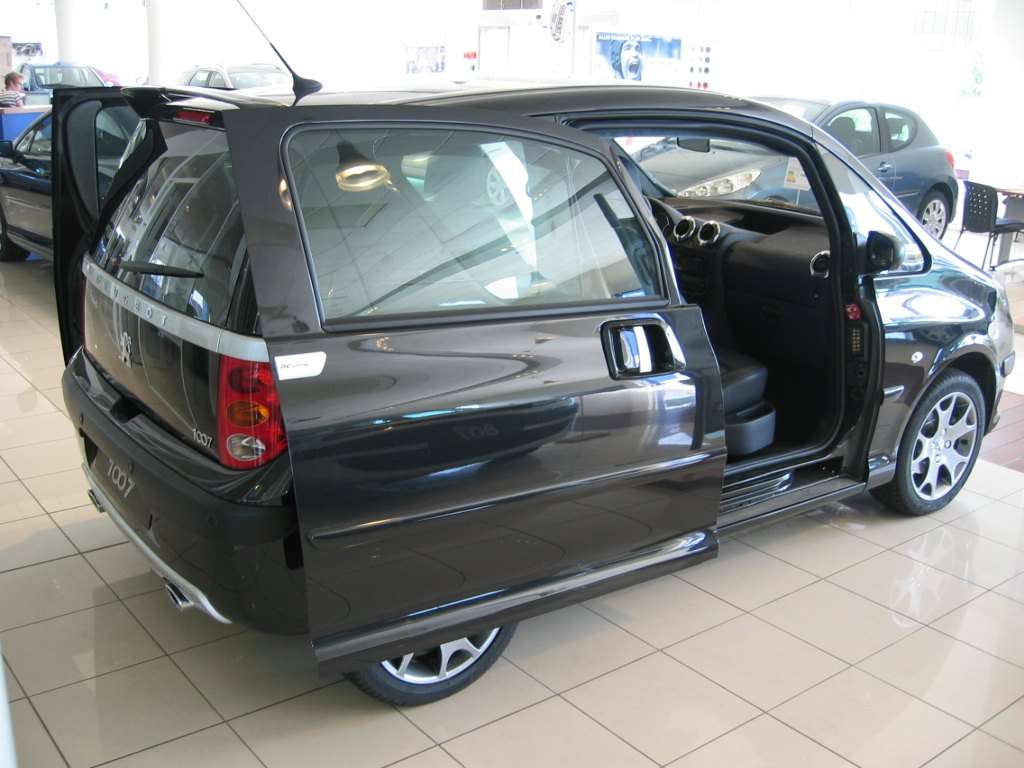
Peugeot’s launch release singles out the two powered side doors. An occupant could step out without a big door swinging toward the next car. The hardware makes most sense when you see the car parked in a tight gap.
2. Peugeot called them Sesame doors
The UK brochure used the name prominently. The doors opened to reveal a wide side entrance, useful for reaching the front seats and the back of the cabin. On a short car, the opening had a bigger effect than its appearance suggests.
3. The remote could operate the doors
The handbook documents door operation via the remote as well as the controls on the car. It meant you could trigger a door before reaching it. That is the sort of everyday feature that made the 1007 easy to demonstrate in a showroom.
4. There were separate sliding rear seats
Peugeot fitted two rear positions that could be adjusted independently. That gave buyers a choice of how to split the room between people and luggage. The seat arrangement was part of the same city-friendly brief as the doors.
Love cars you don’t see every day?
Get forgotten cars, surprising motoring stories and the most interesting finds from Unusual Cars by email.
Free to join. No spam. Unsubscribe whenever you like. See our Privacy Policy.
5. You could change 18 interior pieces
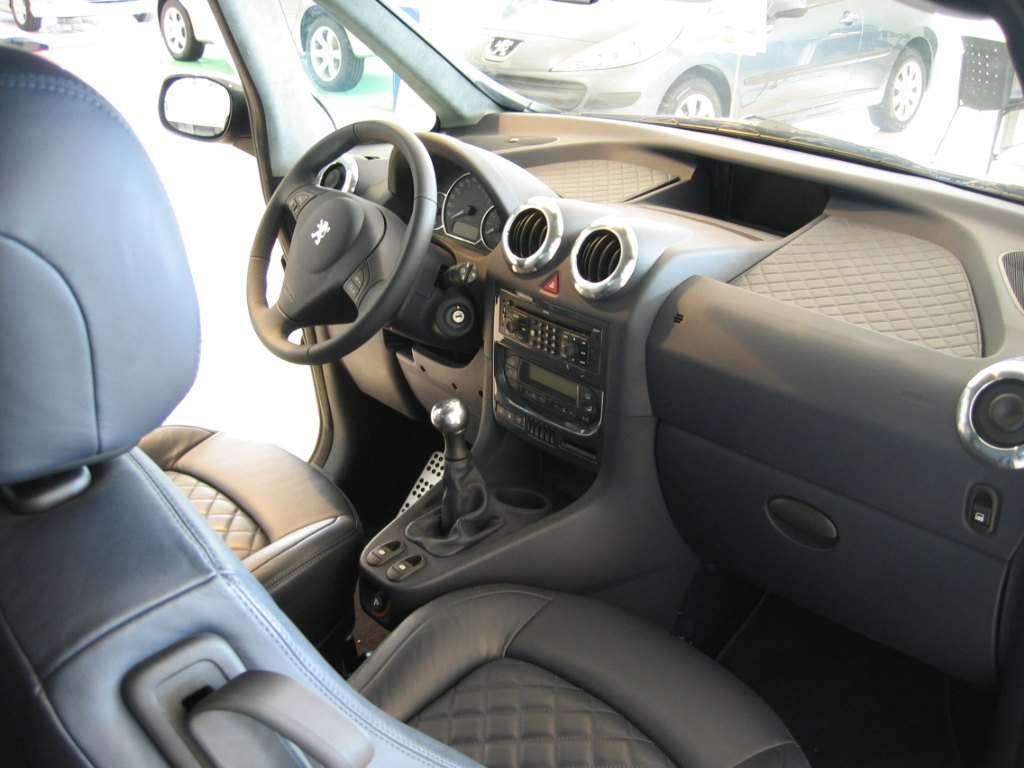
The Caméléo kit changed parts of the dash, door trim and upholstery. Peugeot’s handbook lists 18 elements in a complete kit. It was a way of refreshing the cabin without trading the whole car or ordering a completely different interior from the factory.
6. The paddle-shift transmission was called 2-Tronic
Peugeot offered a five-speed automated manual with controls at the steering column. It can look like a conventional automatic in a classified advertisement, but the period literature describes a different design and the ability to request shifts yourself.
7. One engine ran on diesel
The original range included a 1.4 HDi alongside petrol alternatives. The diesel’s presence makes the 1007 a neat snapshot of an era in which even city cars were being offered with small common-rail engines.
8. The production car went to Paris in 2004
Peugeot says it made its main motor-show debut at the Paris Mondial. The company announced Austrian customer deliveries for May 2005. Those dates help separate the first public view from when the cars actually reached buyers.
9. The double zero was a deliberate signal
Peugeot’s launch material explained the double zero as marking a kind of car outside its established range at the time. The model name looks curious if you think only of the 106, 206 and 307. It made sense as part of a deliberate experiment.
10. The handbook devoted space to the doors’ limits
Peugeot explained how the doors behaved at low speed and what to do if their normal operation was interrupted. A powered opening was a new set of considerations for a small car. It helps explain why a demonstration tells you more than a still photograph.
Explore more 10 Things articles
Browse the Unusual Cars 10 Things hub.
Sources and further reading
- Original 2005 UK Peugeot 1007 brochure
- Peugeot’s Austrian launch release
- Peugeot 1007 original handbook
Featured image: Red Peugeot 1007. Photo by Tennen-Gas via Wikimedia Commons (CC BY-SA 3.0, resized).
Join the Unusual Cars Club
Get more forgotten performance cars, surprising motoring stories and new 10 Things articles by email.
Free to join. No spam. Unsubscribe whenever you like. See our Privacy Policy.