UNUSUAL CARS MODEL GUIDE
The Ferrari 360 family comprises the 360 Modena coupé, 360 Spider and track-focused Challenge Stradale. Built from 1999, it replaced the F355 with an aluminium structure, a visible 3.6-litre V8 and much greater day-to-day usability while preserving a naturally aspirated, high-revving character.
Quick answer: the 360 is one of the most approachable modern-classic Ferraris, but condition and history still matter more than mileage. Check cambelt and variator work, clutch wear, F1 hydraulic operation, exhaust manifolds, engine mounts, suspension ball joints, aluminium corrosion, accident repairs, roof operation on Spiders and the originality of any Challenge Stradale.
Featured image: red Ferrari 360 Modena front three-quarter. Photograph by Calreyn88, CC BY-SA 4.0, via Wikimedia Commons; locally hosted.
Why the 360 changed Ferrari
The 360 Modena arrived in 1999 as Ferrari’s first road car built around an all-aluminium spaceframe. Alcoa supplied the structure, which was substantially larger and stiffer than the F355’s steel chassis while remaining lighter. Pininfarina replaced the earlier car’s straight-edged intakes with rounded surfaces and used a glass engine cover to make the power unit part of the design.
The dry-sump 3,586cc V8 developed 400hp at 8,500rpm in factory specification and drove through either a six-speed gated manual or a six-speed electro-hydraulic F1 transmission. Ferrari quoted a top speed above 295km/h. Electronic damping, traction control and extensive aerodynamic work made the car more forgiving without turning it into a remote grand tourer.
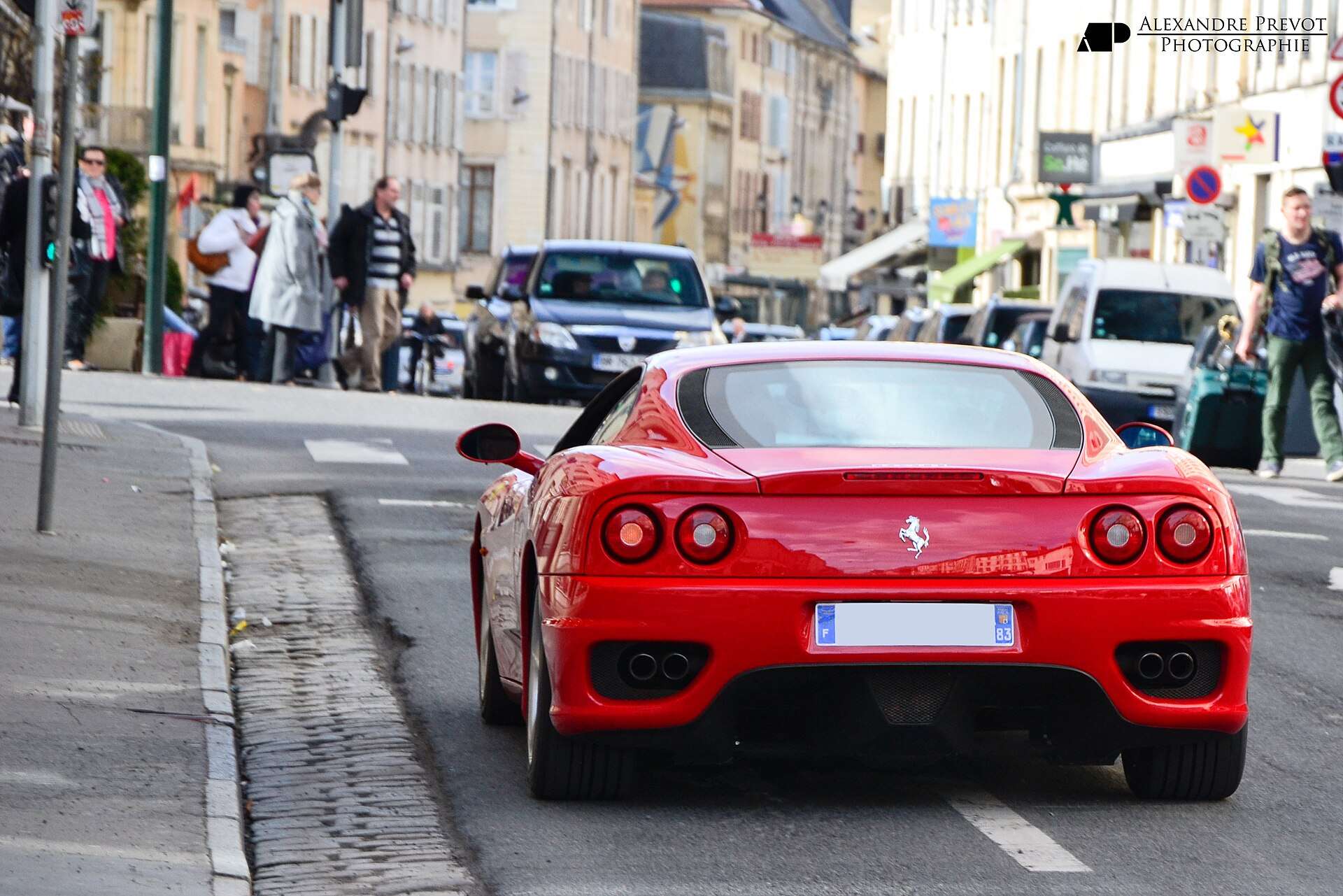
Modena, Spider and Challenge Stradale
| Version | Period | Key distinction |
|---|---|---|
| 360 Modena | 1999–2005 | Fixed-roof coupé with manual or F1 transmission |
| 360 Spider | 2000–2005 | Powered fabric roof and additional structural reinforcement |
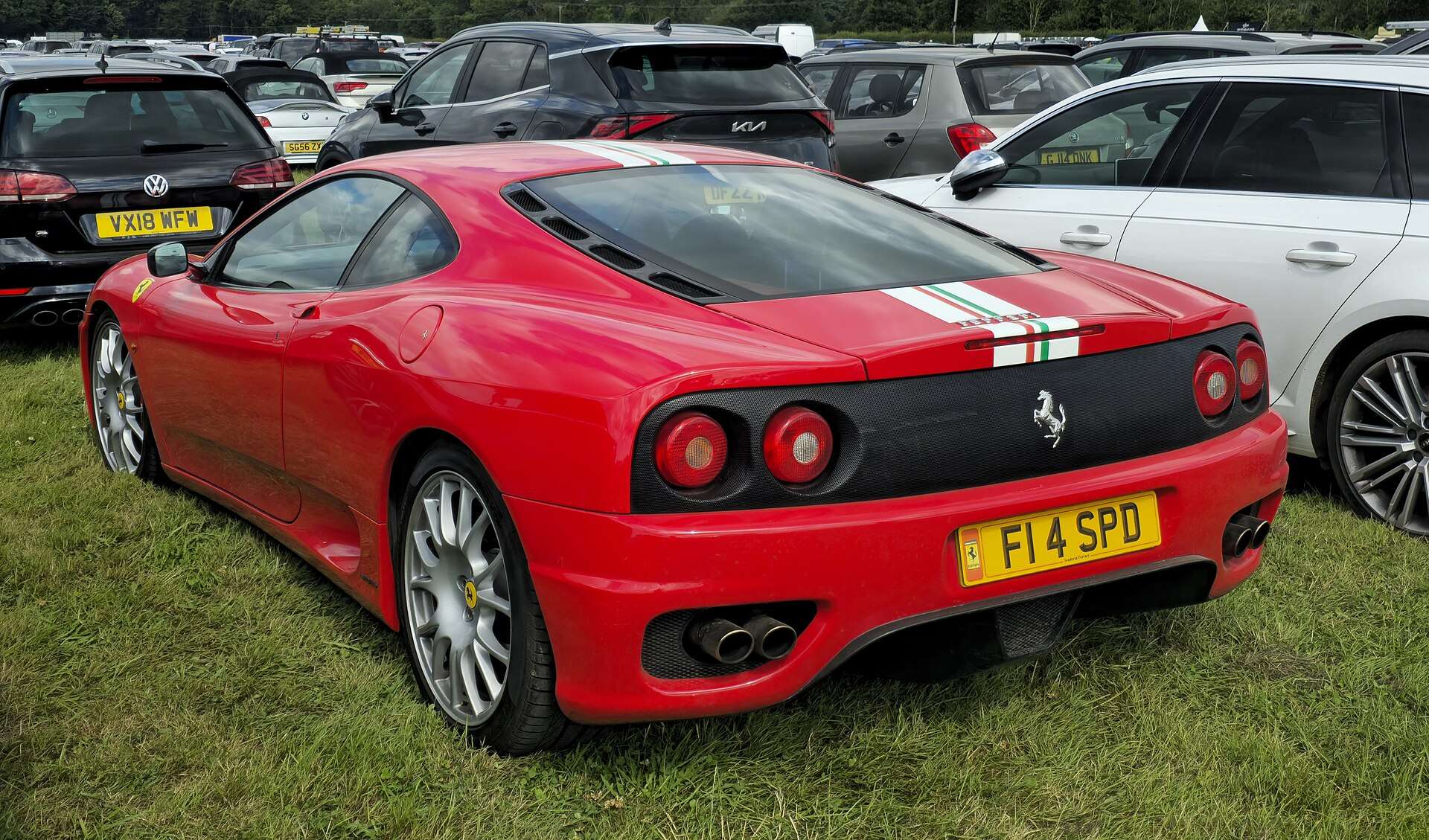
| Challenge Stradale | 2003–2004 | Lighter, 425hp road model derived from the 360 Challenge programme |
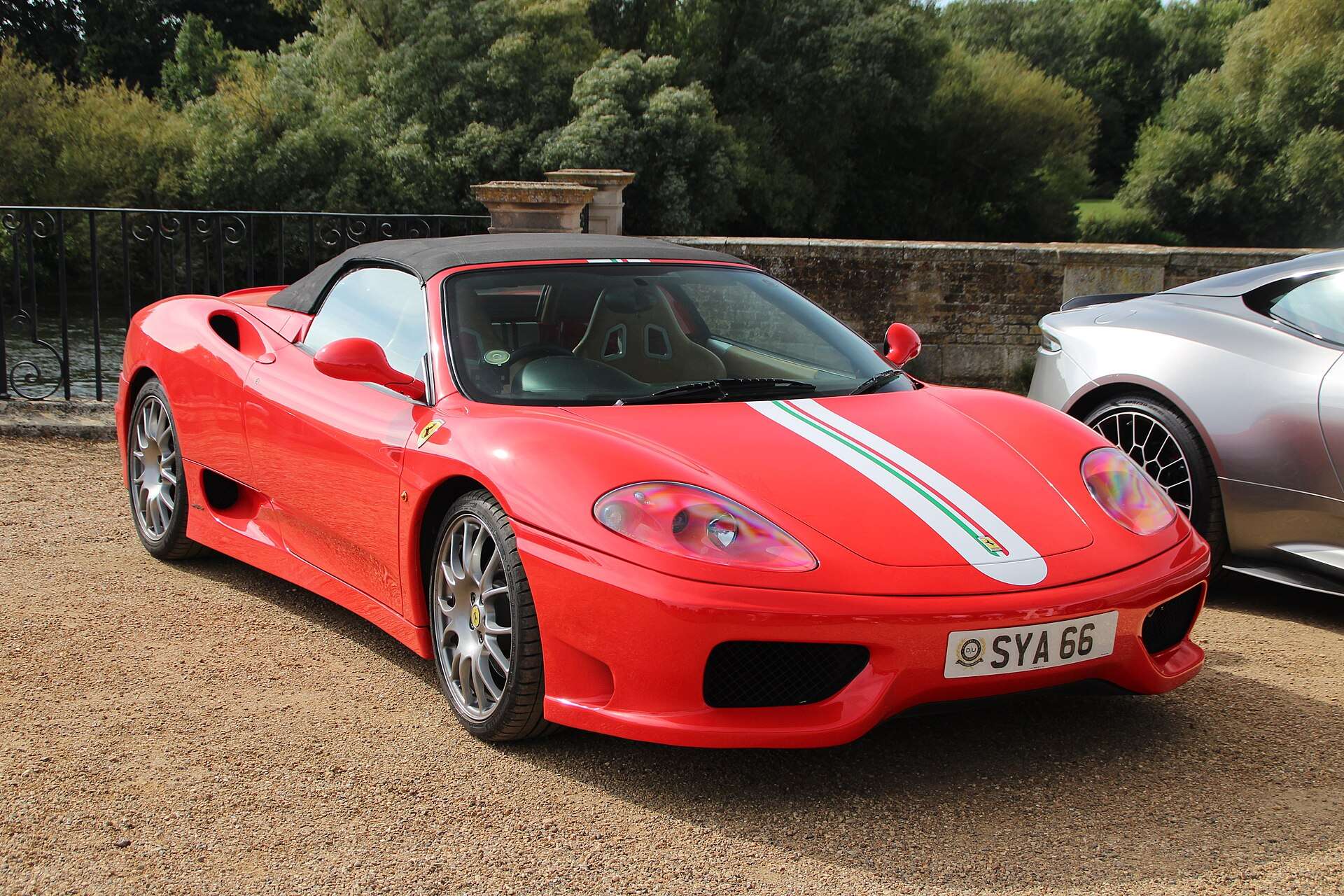
The Spider’s hood folds beneath a hard cover between the cabin and engine bay, so Ferrari altered the intake system and reinforced the structure. The Challenge Stradale is not merely a cosmetic edition: it uses more carbon fibre, less sound insulation, firmer suspension, carbon-ceramic brakes, a louder exhaust and faster F1 shifts. Factory build specification is essential because later cars are often modified to resemble it.
Love cars you don’t see every day?
Get forgotten cars, surprising motoring stories and the most interesting finds from Unusual Cars by email.
Free to join. No spam. Unsubscribe whenever you like. See our privacy policy.
Engine, belts and cooling
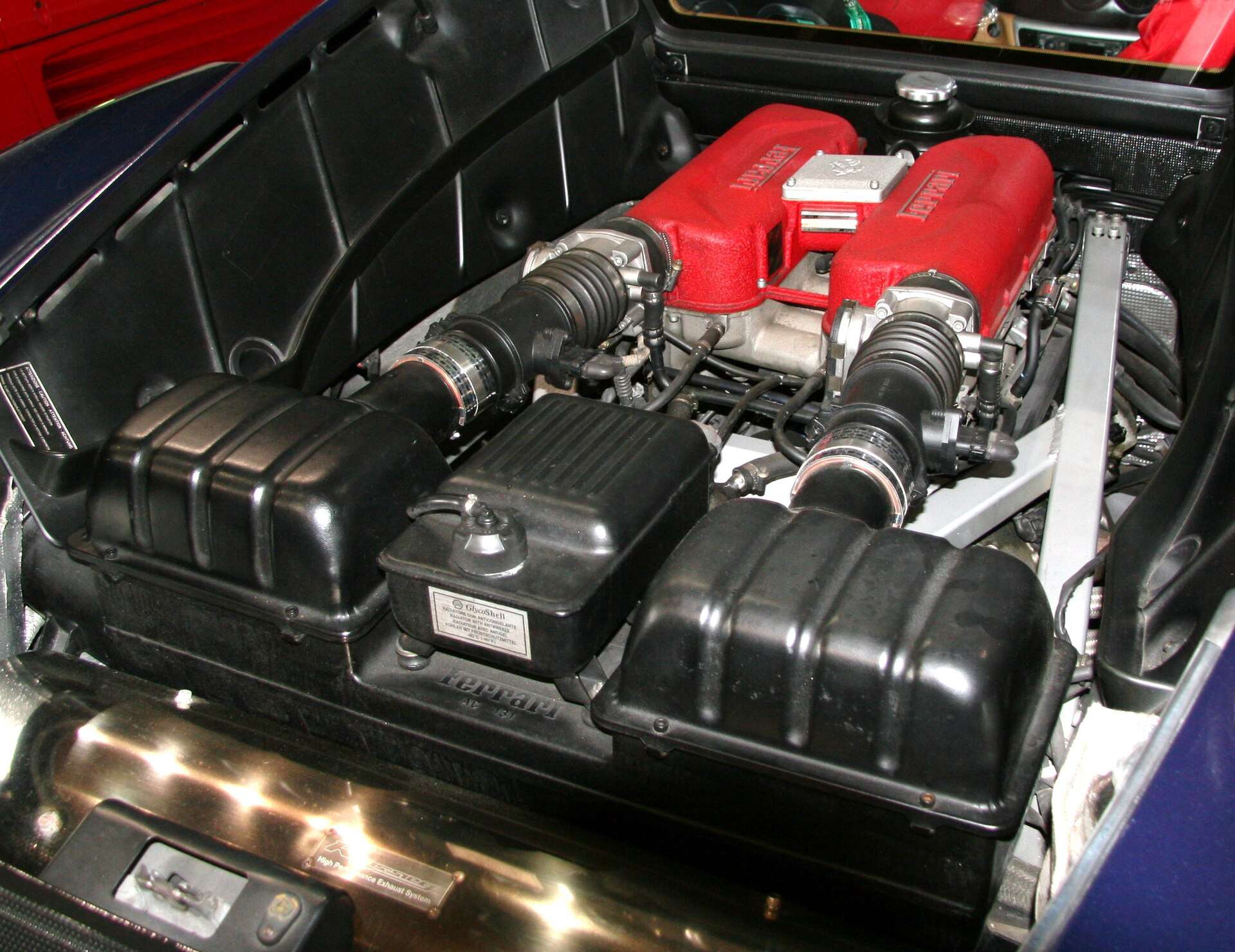
The V8 is durable when serviced and exercised regularly. Unlike the F355, the 360 provides a bulkhead access panel for cambelt replacement, so the engine does not normally need to be removed. Verify the date and scope of belt, tensioner and auxiliary-drive work rather than accepting a stamp alone. Early camshaft variators were subject to an update; invoices or engine markings should confirm the work.
Cold-start rattles that persist, oil leaks, uneven idle or smoke need investigation. Inspect engine and gearbox mounts, radiators, hoses, cooling fans and the exhaust system. Exhaust manifolds can crack and bypass valves can seize or be deliberately wired open. A diagnostic scan and a long hot test expose faults that a short showroom start will not.
Manual and F1 transmissions
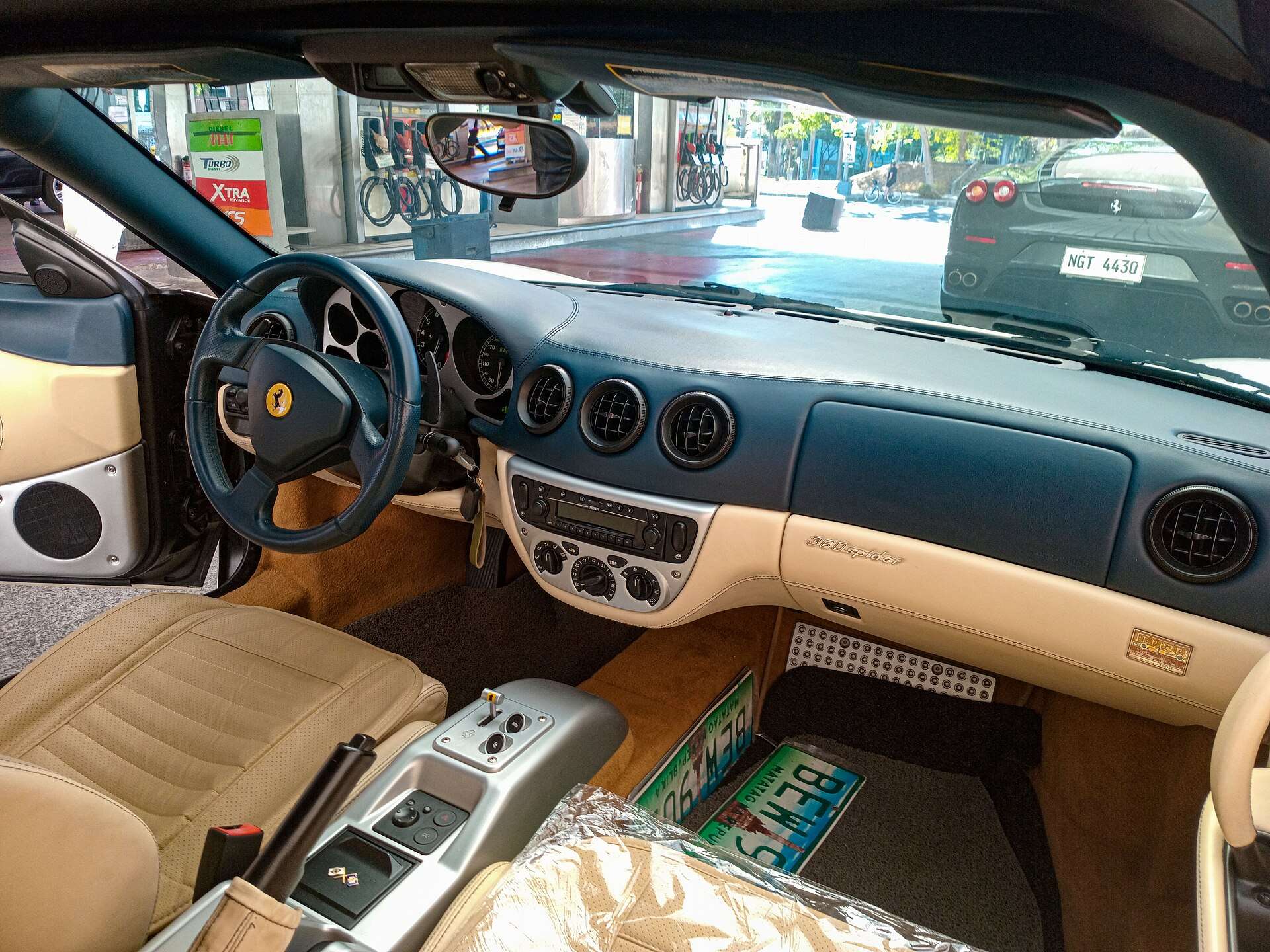
The gated manual is scarce and now commands a premium, but both transmissions use a conventional clutch. A manual should select cleanly when warm without release-bearing noise or clutch slip. The F1 system should engage first and reverse promptly, shift consistently in every mode and show no warning lights. A specialist diagnostic report can estimate clutch wear and reveal pump, accumulator or actuator faults.
Slow manoeuvring and poor adjustment shorten clutch life, so driving style and calibration matter. Check the differential, driveshaft seals and gearbox for leaks or noise. Conversions from F1 to manual require careful scrutiny and should be valued according to engineering quality and documented parts rather than presented as factory specification.
Chassis, body and Spider roof
Inspect ball joints, track-rod ends, dampers, wheel bearings and tyres. Worn joints can make the steering nervous, while cracked wheels or old tyres are unacceptable at this performance level. Look underneath for damaged trays and evidence of careless jacking.
Aluminium does not suffer conventional red rust, but paint bubbling and white residue can reveal corrosion around stone chips, fixings or repairs. Accident damage demands specialist measurement because the bonded and riveted structure is not repaired like a steel monocoque. On a Spider, operate the roof several times and inspect fabric, elastic straps, frame microswitches and hydraulic leaks.


Sources and further reading
- Ferrari: 360 Modena factory specifications
- Hagerty UK: Ferrari 360 buying guide
- evo: Ferrari 360 history and buying guide
Continue the Ferrari story
Explore the complete Ferrari hub. Continue with the Ferrari F355 and Ferrari 550 and 575M.
Frequently asked questions
What is the difference between a Ferrari 360 Modena and Spider?
The Modena is a fixed-roof coupé. The Spider has a powered fabric hood, altered intake packaging and additional structural reinforcement.
Does a Ferrari 360 need an engine-out cambelt service?
Normally no. Ferrari provided a bulkhead access panel so the belts can be changed with the engine installed.
Is the Ferrari 360 F1 gearbox an automatic?
It is an electro-hydraulically operated version of the six-speed gearbox with a conventional single clutch and steering-wheel paddles.
What makes the Challenge Stradale different?
It is lighter, more powerful and more focused, with 425hp, faster shifts, firmer suspension, carbon-ceramic brakes and reduced sound insulation.
What should be checked before buying a Ferrari 360?
Check belt and variator history, clutch wear, F1 operation, manifolds, mounts, suspension joints, aluminium repairs, tyres, electrics and Spider roof operation.