The Ford Granada 2.8 Injection was the big Ford that could play two very different roles. In Ghia form it was a velour-lined executive express; in the sporting Injection specification it gained Recaro seats, spoilers and the attitude of an oversized fast Ford.
Here are ten details that explain why the fuel-injected Mk2 Granada has become such a powerful piece of 1980s nostalgia.
1. The Mk2 was a major rebody, not a completely new Granada
Ford introduced the second-generation European Granada in 1977. Beneath its sharper, more formal body lay much of the first Granada’s proven rear-wheel-drive engineering. That continuity helped Ford offer everything from modest four-cylinder saloons to V6 estates and luxurious Ghias.
2. Mechanical injection lifted the 2.8 V6 to about 160PS
The 2,792cc Cologne V6 was offered with carburettors and with Bosch K-Jetronic mechanical fuel injection. In European injected form it produced roughly 160PS—enough to give the large Granada genuinely brisk performance without changing its relaxed, long-legged character.
3. “2.8 Injection” became a model in its own right
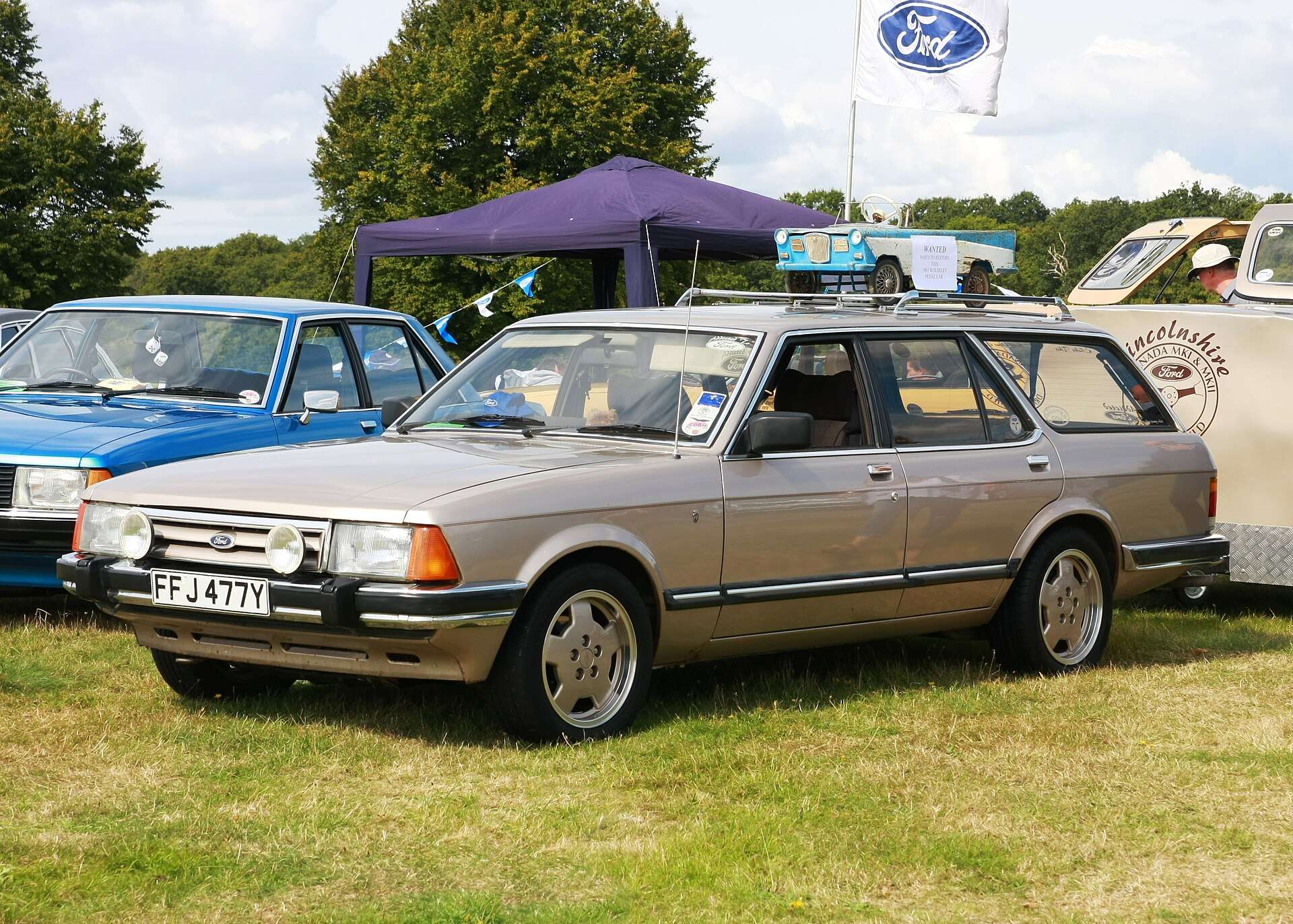
After the 1981 facelift, Ford dropped the earlier 2.8 S name in Britain and marketed the sporting flagship simply as the Granada 2.8 Injection. It was more than an engine badge: firmer suspension, front and rear spoilers, auxiliary lamps, distinctive alloy wheels and supportive Recaro seats gave it a clear fast-Ford identity.
4. The Ghia and the Injection appealed to different buyers
A 2.8i Ghia emphasised quietness, equipment and plush trim, while the Injection specification looked and felt more overtly sporting. Both used the same basic injected V6, which is why surviving cars can be misdescribed. Original trim, wheels, spoilers and factory paperwork matter.
Love cars you don’t see every day?
Join the Unusual Cars Club for new “10 Things” articles, forgotten cars and surprising motoring stories by email.
5. Its V6 came from Ford’s Cologne engine family
The compact 60-degree V6 was built in Cologne and had evolved from smaller-capacity Ford units. The 2.8 required a different block because of its larger bore. Ford offered it in carburetted, mechanically injected and—briefly near the end of Granada production—electronically injected forms.
6. It was a favourite of police motorway fleets
British police forces valued the Granada’s space, stability and V6 performance. Traffic cars were often plainer and more heavily used than showroom Ghias, but the sight of a white Granada filling a rear-view mirror became part of the model’s folklore and reinforced its authoritative image.
7. The 1981 facelift was more important than it first appeared
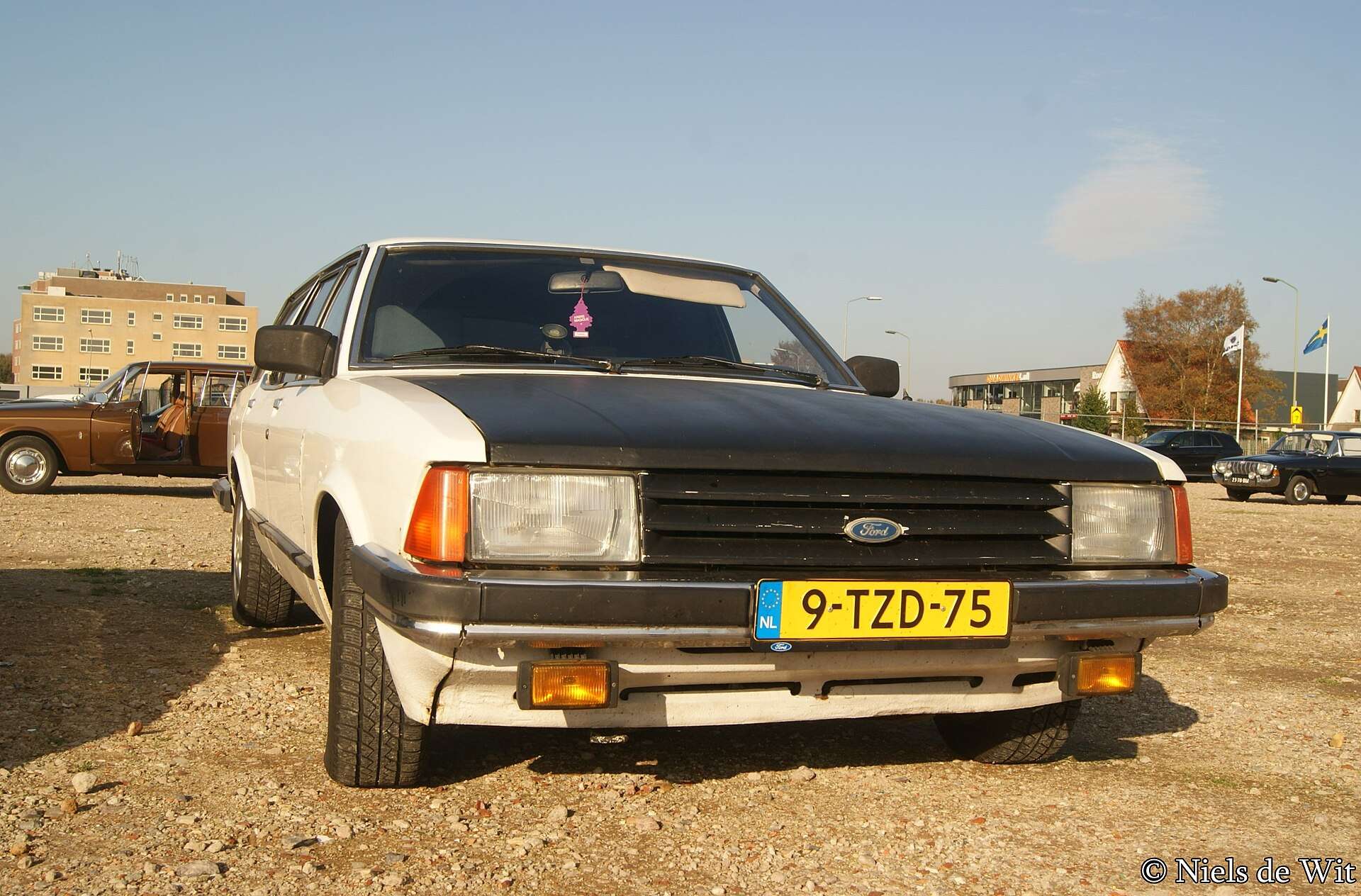
Revised bumpers, lamps, grille and trim modernised the Granada, while mechanical and equipment changes sharpened the range. The sporting Injection’s white metric-style alloys and spoilers made the large saloon unexpectedly assertive without turning it into a crude homologation special.
8. It could be ordered with a manual gearbox
Although many surviving 2.8 Ghias are automatics, Ford also offered manual transmissions on performance-oriented versions. A manual 2.8 Injection feels much closer to an oversized sporting saloon, allowing the driver to exploit the V6’s mid-range torque rather than simply wafting on it.
9. Ford replaced the name before reviving it
European Granada production ended in 1985. Its aerodynamic successor was sold in Britain as the Granada but as the Scorpio in much of Europe; later, Scorpio became the UK name too. That naming shuffle makes the square-cut Mk2 feel like the last unmistakably traditional Granada.
10. Original sporting cars are now far rarer than ordinary survivors
Granadas rusted, worked hard and donated their V6 engines to smaller Fords and kit cars. Injection spoilers, Recaros and period wheels were also removed or copied. A complete, documented 2.8 Injection therefore represents more than an old executive saloon—it is one of the foundations of Britain’s fast-Ford culture.
Research basis: Ford Cologne engine records, contemporary Ford specification material and period Granada road tests.
Continue exploring: Visit the complete 10 Things hub or browse the Ford archive.