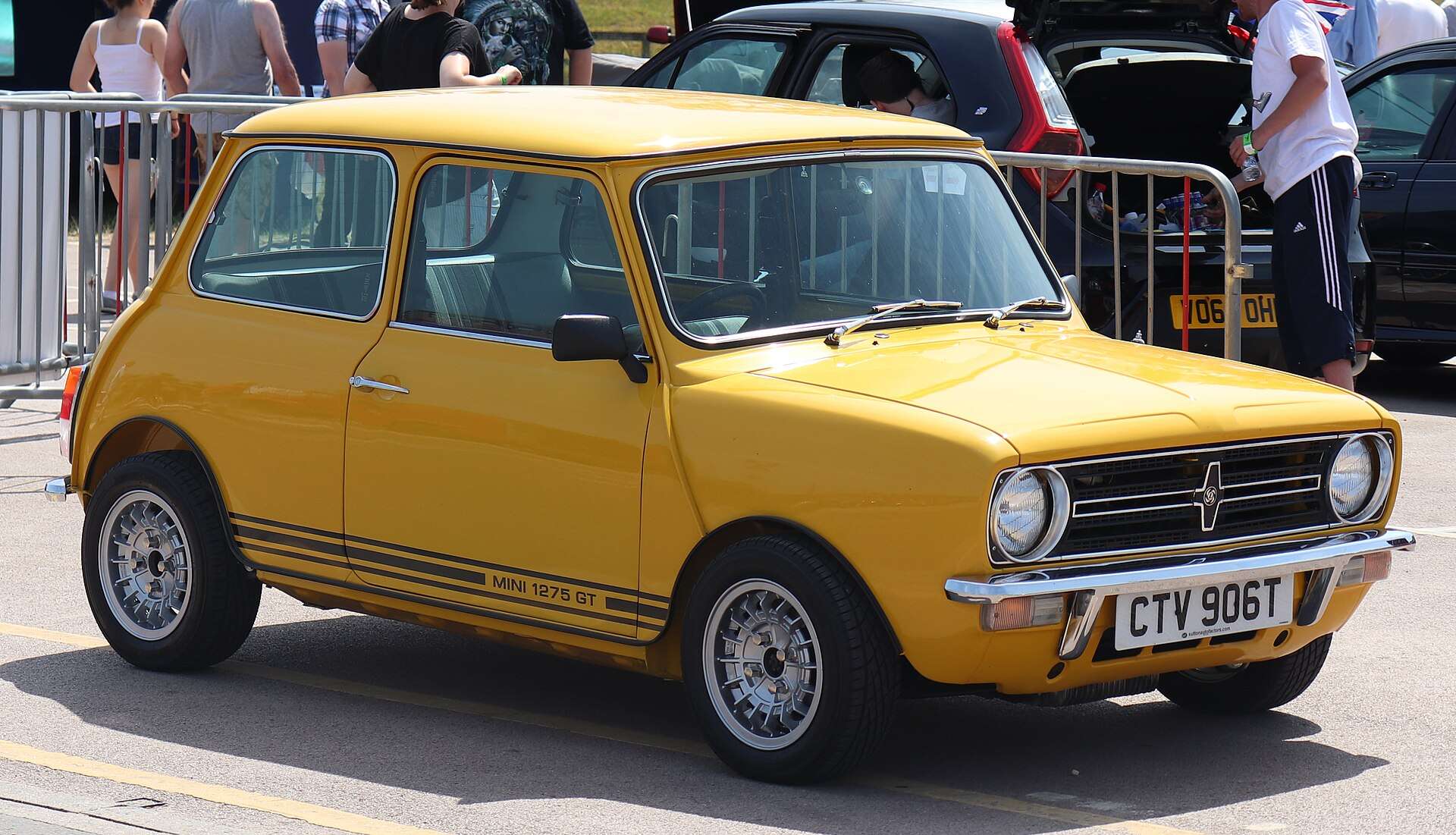
The Mini 1275 GT spent years being judged against the Cooper S, but that misses its significance. With its square Clubman nose, 1,275cc engine and decade-long career, it kept the sporting Mini alive through the 1970s.
1. It arrived with the square-nosed Clubman
Launched in 1969, the 1275 GT used the longer, more angular Clubman front designed by Roy Haynes. It was sold alongside the traditional round-front Mini rather than replacing the entire range.
2. It effectively replaced the Cooper in Britain
The regular Mini Cooper disappeared from the UK range as the 1275 GT arrived. The more powerful Cooper S continued briefly, which is why the GT should not simply be described as its direct replacement.

3. The engine was less exotic than a Cooper S unit
Its 1,275cc A-series used a single carburettor and a milder specification than the twin-carb Cooper S. Performance was modest, but torque and everyday flexibility suited the GT’s grand-touring role.
4. It introduced a new instrument layout
The Clubman dashboard placed instruments ahead of the driver rather than in the Mini’s familiar central binnacle. The change made the cabin feel more conventional and modern for the 1970s.
Love cars you don’t see every day?
Get forgotten cars, surprising motoring stories and the most interesting finds from Unusual Cars by email.
Free to join. No spam. Unsubscribe whenever you like. See our Privacy Policy.
5. The early cars used 10-inch wheels
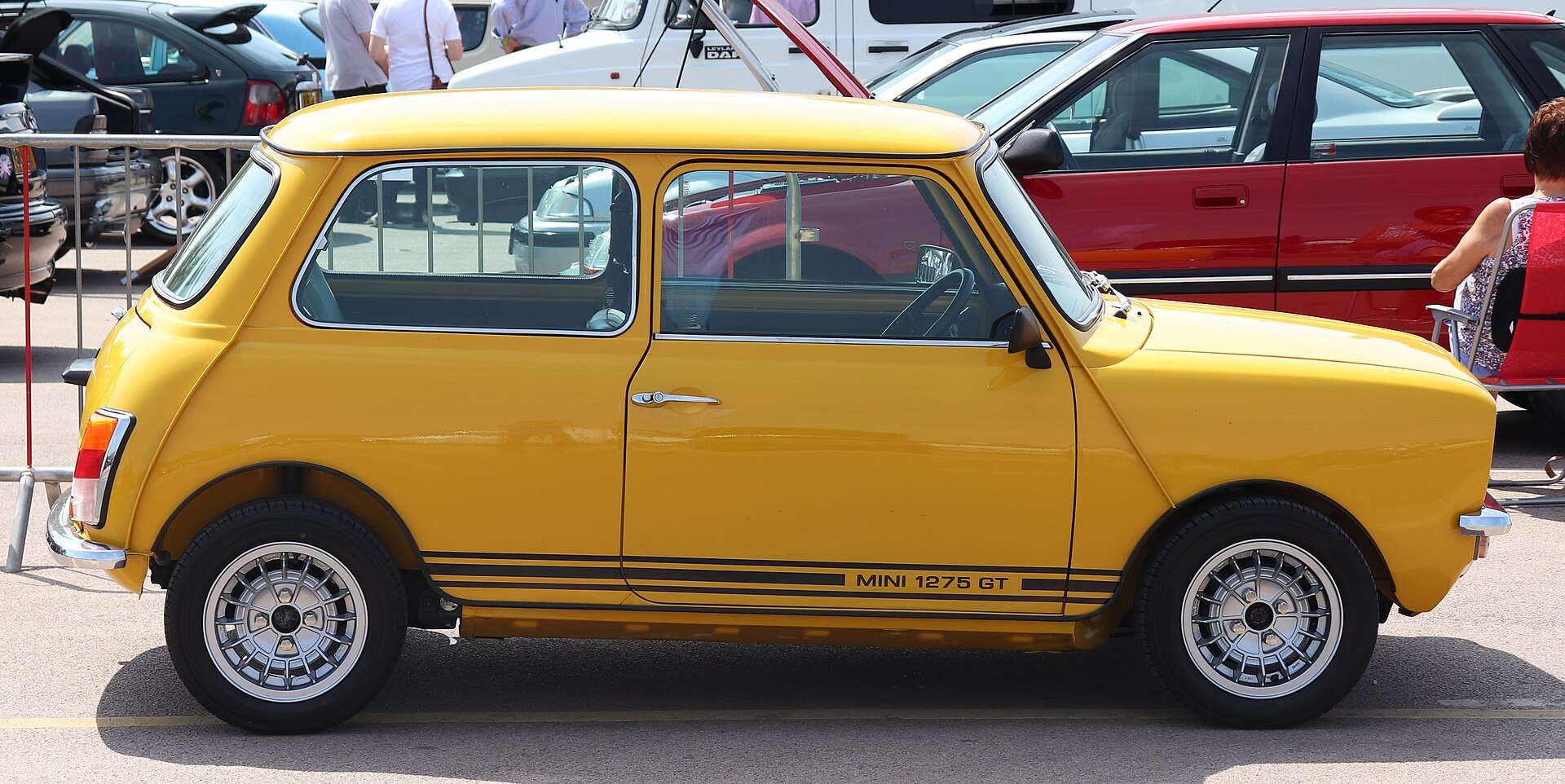
The 1275 GT began on traditional small-diameter wheels. Later cars adopted 12-inch wheels and front disc brakes, creating the stance most enthusiasts now associate with the model.
6. It became a competition car in its own right
FIA homologation was granted in 1971, and the 1275 GT competed in racing and rallying after the famous Cooper era. Its motorsport history is less celebrated but far from insignificant.
7. It carried distinctive side stripes
Bold “1275 GT” graphics along the lower body became one of its defining details. Surviving original cars are often identified by correct stripe style, trim and wheel specification.
8. Production lasted much longer than many remember
The model remained in production until 1980. That longevity carried the sporting Mini idea through a decade of industrial upheaval and changing ownership.
9. It was built at more than one British plant
Early Clubman-era production is associated with Cowley before Mini assembly became concentrated at Longbridge. Build details and badges therefore vary across the long production run.
10. It is now appreciated on its own terms
For years the square nose and lower output left it in the Cooper S shadow. Enthusiasts increasingly value the GT’s period styling, genuine competition links and role as the attainable sporting Mini of the 1970s.
Why it matters
The 1275 GT is important not because it was the fastest Mini, but because it was accessible, distinctive and durable as a model line. It now stands as a genuine 1970s performance icon rather than a lesser substitute for the Cooper.
Join the Unusual Cars Club
Get more forgotten performance cars, surprising motoring stories and new 10 Things articles by email.
Free to join. No spam. Unsubscribe whenever you like. See our Privacy Policy.