A used BMW 118d or 120d F20/F21 can make an excellent long-distance hatchback: compact enough to park easily, economical on a steady run and more interesting to drive than many ordinary diesels. The buying decision becomes harder when an attractive M Sport advert hides unanswered questions about timing chains, emissions equipment, gearbox maintenance and tyres.
This guide covers the rear-wheel-drive-generation F20 five-door and F21 three-door diesel hatchbacks, including relevant xDrive versions. It does not cover the earlier E8x, the later F40 or the petrol 118i. Choose by engine, condition and documented work rather than assuming a familiar badge describes the same mechanical package throughout production.
Our recommendation: buy the best-documented standard car you can afford, preferably after an independent BMW inspection. A 118d with sound tyres, convincing cold-start behaviour and invoices is a better purchase than a faster 120d with a remap and an unexplained chain rattle.
118d or 120d: identify the car before comparing adverts
The 118d is the sensible starting point if insurance and everyday running costs matter more than overtaking performance. A 120d adds useful shove for motorway work, but its purchase price is only part of the equation: brake specification, wheels, transmission and previous use affect the ownership bill. Do not assume a cheaper-looking 118d needs the same parts as a 120d of another year.
| Version | Why consider it? | What to establish before paying |
|---|---|---|
| 118d F20/F21 | A useful balance of performance and economy for regular longer journeys. | Engine code, emissions class, gearbox and service invoices; urban-only use still matters. |
| 120d F20/F21 | Stronger acceleration without moving to a larger six-cylinder car. | Evidence of standard software, correct brake parts and sensible tyre choices. |
| Earlier N47-engined cars | Often attractively priced and plentiful enough to compare. | Chain history and specialist assessment, rather than a seller’s assurance that all diesels sound like that. |
| Later B47-engined cars | A worthwhile shortlist where condition and price justify it. | Verify the actual engine; later construction does not remove cooling, emissions or maintenance checks. |
| xDrive versions | Extra traction may suit particular routes and weather. | Transfer-case condition, correct tyre combinations and additional driveline servicing. |
N47 and B47 are engine families, not interchangeable service-kit descriptions. Build date and VIN evidence are more useful than registration year alone, especially around model changes. Ask a BMW specialist to identify the engine and gearbox from the vehicle details, then compare that information with the invoices. A facelift bumper, replacement steering wheel or advert written from an automatic vehicle-data feed is not proof of what is installed.
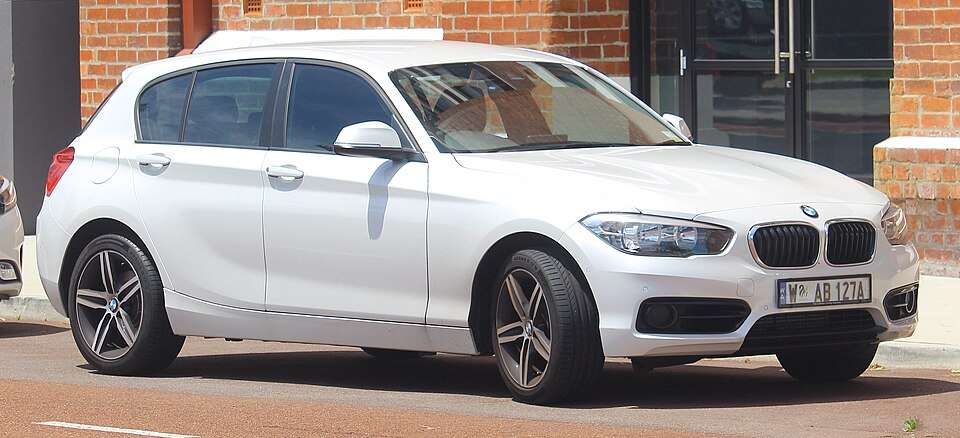
F20 versus F21 mainly changes access and practicality. The three-door’s longer doors need room in a car park; climb into the rear yourself and try a child seat if relevant. Check whether the five-door’s extra convenience matters more than a particular trim package. Neither configuration becomes more practical because an advert mentions premium materials.
Manual, automatic and trim: spend on condition first
A manual gives a straightforward driving experience but still has clutch and dual-mass-flywheel exposure. The automatic is appealing in traffic and on long trips, yet smooth operation on a short demonstration does not replace maintenance evidence. Establish the exact transmission before requesting a service quote or ordering a filter and oil kit.
M Sport wheels and suspension may be desirable, but inspect their consequences: repaired rims, sidewall damage, uneven wear and a harsh ride can turn a cosmetic upgrade into immediate expenditure. Compare a good SE or Sport rather than restricting the search to the most photogenic advert. Check equipment physically, including parking sensors, heated seats, navigation and folding mirrors; the trim name alone does not confirm every option.
Engine checks: timing chains, oil history and a genuine cold start
N47 timing-chain concerns need evidence, not folklore
Ask the seller to leave the engine cold. Compare the bonnet, coolant hoses and diagnostic coolant temperature with the conditions, then listen from a safe position as it starts and settles. A pronounced metallic scraping, rhythmic rattle or unexplained change with engine speed needs specialist investigation. Do not place hands near moving belts or accept a warmed engine as the only demonstration.
The timing-chain drive’s position makes replacement a substantial job, which is why a bare N47 chain-kit price cannot be treated as the fitted repair cost. An invoice should identify the vehicle, mileage, workshop and components replaced. Ask whether associated chains, guides, tensioners, sprockets, seals and fluids were included, and whether any previous failure caused additional damage.
A quiet engine is reassuring but does not certify the remaining life of a chain. Equally, a workshop’s experience of failures is not a measured probability that every car will fail at a particular mileage. There is no honest advert-level shortcut that turns a listening test or registration year into a guarantee. If the record is unclear, commission an inspection and price the uncertainty before buying.
B47 cars deserve the same disciplined approach to oil history and abnormal noises. Do not assume that “later engine” means an unlimited maintenance holiday. Confirm the engine family before comparing quotes: the specialist example below distinguishes N47 and B47, and neither price automatically applies to every drivetrain or a car with an already damaged engine.
Oil servicing and leaks: read the actual paperwork
Look for dated oil and filter invoices with mileage and the correct approval for the engine. A dashboard reset or digital entry without supporting detail cannot establish what oil was used. Repeated short journeys and interrupted warm-up cycles are useful context even when the mileage is low. Agree a future servicing plan with a specialist based on age, usage and the manufacturer’s vehicle-specific requirements.
Inspect the rocker-cover area, accessible hoses and the ground beneath the car. Undertrays can conceal leaks, so a lift inspection is worth more than a clean engine cover. A light historical stain and an active leak are different findings; ask for the source, repair scope and written estimate. Fresh cleaning just before a viewing makes a follow-up check after a proper drive more important.
EGR, DPF and cooling: decide whether diesel fits your journeys
These diesels make most sense when they regularly reach normal operating temperature on longer journeys. A car used almost entirely for short urban trips deserves closer checks of regeneration history, fault codes, thermostat operation and emissions hardware. A claim that it “only needs a motorway blast” is a diagnosis-free explanation for a potentially costly warning.
Have a BMW-capable scan performed before and after the road test. Ask the inspector to interpret stored and pending faults, differential-pressure and temperature information, regeneration history where available and any relevant adaptations. Individual numbers need context; a single soot reading does not tell the whole story, and clearing codes before inspection can remove useful evidence.
Check coolant level only when cold. Ask about recurring top-ups, sweet smells, steam, loss of cabin heat and overheating history. The EGR cooler and other cooling components require a diagnosis if symptoms appear. Use BMW’s VIN recall checker and ask a BMW Centre to confirm outstanding campaigns, including any relevant EGR work. Do not assume every F20 has the same campaign or that an old receipt proves there is no later action.
BMW states that it covers technical-campaign and safety-recall work. That is different from a promise to pay for every unrelated cooling or emissions repair on an older car. Agree what is outstanding before handover and keep the dealer’s confirmation. Also verify the specific registration’s clean-air-zone status through the applicable official checker; an engine badge or seller’s “Euro 6” wording is insufficient.
Gearbox, differential, xDrive and chassis inspection
Test a manual from cold and again when warm. Check clean selection, clutch take-up, reverse engagement and vibration or noises that change when pressing the clutch. Under safe, legal load, a rise in engine speed without matching acceleration suggests slip. Shudder is a reason to diagnose the whole clutch, flywheel and mounting system rather than pricing only a friction plate.
With an automatic, try forward and reverse selection, gentle pulling away, low-speed manoeuvres, steady cruising and moderate acceleration. Watch for repeated delays, thumps, flare or shudder. Ask for a transmission invoice listing the correct fluid, filter or sump parts and procedure for the actual gearbox. A universal flush advertised for any automatic is not equivalent evidence. Have leaks and stored gearbox faults checked by someone familiar with the transmission.
Listen for differential whine, propshaft vibration and knocks on changes of load. Tyre noise can imitate a bearing or drivetrain problem, which is another reason to use a lift and a second opinion. A rear-drive car still needs sound tyres on both axles. For xDrive, verify the approved tyre combination, rolling-circumference compatibility and wear, including any legitimate staggered sizes. Four matching brand names alone do not establish a correct setup.
Inspect front suspension joints, dampers, springs and rear bushes. A car that wanders or wears the inside edges of tyres needs the cause identified before paying for alignment. Look for impact damage and cracked or welded wheels; do not rely on the visible outer face. Check steering for warning messages, inconsistent assistance, knocks and poor self-centring, and obtain a specialist assessment rather than automatically budgeting an entire rack.
Brake vibration, pulling and a sticking caliper can turn a pad replacement into a larger job. Check disc condition on both faces, remaining material and the wear sensors. Confirm wheel and brake sizes before comparing online parts. The specialist brake-menu prices below are useful benchmarks, but an upgraded system or a different exact application can change the quote.

Body, cabin and electrical equipment: the checks a road test misses
Compare panel gaps, paint shade, lamp dates and overspray, then inspect the boot floor and accessible structural seams for repair evidence. Check jacking points and the underside with the owner’s permission. A history check and MOT record complement this inspection but cannot certify that every previous repair was minor or performed well.
Look under the boot floor and carpets for moisture and corrosion on accessible connectors. Operate the rear wiper and washers, windows, central locking, all keys, parking sensors and climate control. Test air conditioning long enough to assess useful cooling rather than accepting a momentary change in fan noise. If it needs repair, identify the refrigerant from the vehicle label and system information before comparing regas prices.
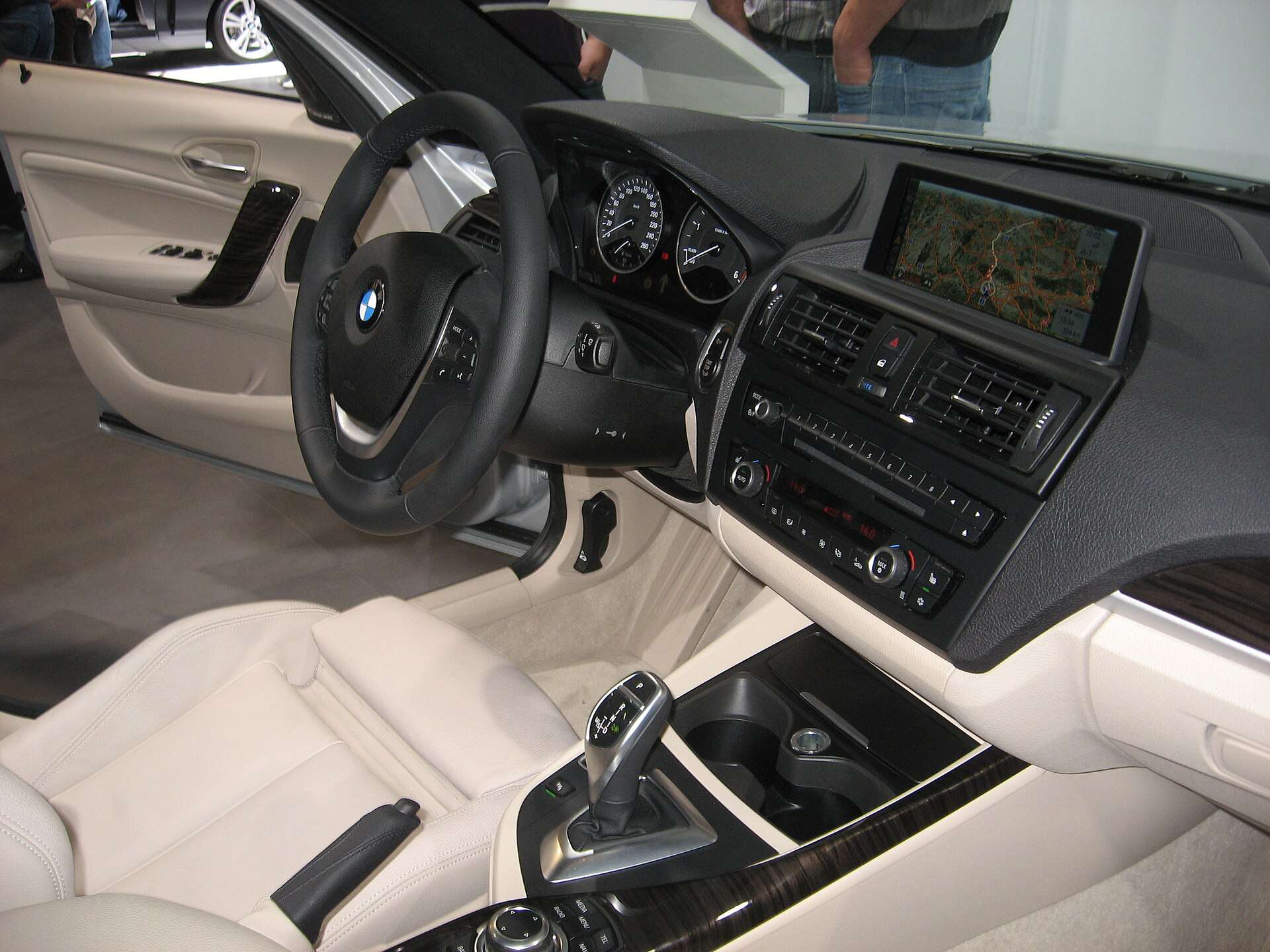
iDrive should start, navigate and respond without repeated resets. Pair your phone if the seller permits it; do not assume a later-looking screen adds factory functionality or that every navigation unit has current maps. Check whether aftermarket wiring has been installed neatly and whether the original functions still work. A flat battery explanation should be supported by a charging-system test, not used to dismiss several warnings.
A replacement battery must suit the specified capacity and technology, with registration or coding as required. A cheap battery listing is not a complete fitted quote. Investigate the cause of repeated discharge, including charging performance and parasitic draw, before purchasing parts.
Love cars you don’t see every day?
Get forgotten cars, surprising motoring stories and the most interesting finds from Unusual Cars by email.
Free to join. No spam. Unsubscribe whenever you like. See our privacy policy.
A practical viewing and test-drive plan
- Before travelling: obtain registration, VIN, engine and gearbox details, invoices and permission for an independent inspection. Ask whether the engine will be cold and whether the car has been remapped or had emissions modifications.
- At arrival: match VIN and paperwork, inspect coolant cold, look for leaks and check tyres and wheels. Compare the odometer with dated invoices and the MOT record.
- At start-up: watch the warning-light sequence and listen for abnormal chain, belt and auxiliary noises. Check idle quality without repeatedly revving a cold engine.
- On the road: use an insured, agreed route including low-speed manoeuvres and normal cruising. Assess clutch or automatic behaviour, braking, steering, temperature and vibration.
- After the drive: recheck for smells, fresh leaks, warnings and hot-restart problems. Do not open a hot coolant system. Scan the car again and ask the inspector to explain findings in plain language.
- Before payment: obtain itemised quotes for defects, confirm recall status and agree any repairs in writing. Keep a reserve for work that cannot be inspected without dismantling.
Questions worth asking the seller
“Has the timing chain been inspected or replaced, and can I speak to the workshop?” is more useful than “Are these reliable?” Ask what prompted previous repairs, what was replaced and whether the car has needed coolant or oil between services. If the response is that a dealer serviced it, ask which dealer and for what records can be released with the seller’s consent.
Ask why the car is being sold, how it has been used and whether recent work solved a specific warning. A new DPF or turbo is not automatically bad news, but an invoice without an explanation of the underlying cause is incomplete reassurance. Verify what warranty, if any, transfers to you and who supplies it.
Walk away, investigate or negotiate?
Walk away unless properly resolved: persistent oil-pressure or overheating warnings, pronounced unexplained chain noise, evidence of emissions removal, a seller refusing reasonable identity checks or an inspection, and major undisclosed structural damage. A lower price does not make an undiagnosed engine financially predictable.
Investigate before agreeing a price: coolant loss, intermittent limp mode, automatic shudder, recurring battery discharge, poor cabin heat, a drivetrain vibration or uneven tyre wear. These symptoms can have several causes. Obtain a diagnosis and a quote rather than adding a guessed worst-case number to a negotiation.
Potential negotiating items: worn tyres, due brake fluid, ordinary servicing and cosmetic wear, provided the mechanical inspection is otherwise satisfactory. Use complete fitted estimates and the age of the components. A half-worn tyre is not the same expense as a damaged wheel with an unsuitable tyre fitted to conceal it.
UK maintenance costs: published workshop examples with clear scope
These are independently published menu examples, not promises that a particular F20/F21 will qualify. Confirm VIN, engine, drivetrain, VAT and inclusions in writing. No labour split is invented where a workshop only publishes an inclusive total.
| Common job | Parts and labour evidence | Published fitted example and limits |
|---|---|---|
| Oil and filter service | The Mini Specialist’s 120d Bronze menu includes parts, labour and VAT; separate parts and labour values are not given. | £198; confirm applicability to the exact 118d/120d. |
| Larger diesel service | Same provider’s Platinum menu lists oil, oil/air/cabin/fuel filters and vehicle check. | £395 including parts, labour and VAT; check what is already due to avoid duplication. |
| Front discs, pads and sensor | Same 120d menu; components and labour are bundled. | £420 inclusive; brake specification and additional caliper work need confirmation. |
| Rear discs, pads and sensor | Same menu and bundled basis. | £380 inclusive; a sticking caliper is a separate diagnosis. |
| Brake-fluid change | Same provider lists the job as an inclusive menu item. | £100; confirm specification and complete bleed procedure. |
| Major inspection | Same provider describes approximately three hours including diagnostics. | £145; confirm pre-purchase inspection scope and written report. |
| N47 timing-chain repair | BM Performance’s N47 / no-xDrive selection; IWIS chains, guides, tensioners, sprockets, associated seals, oil/filter and coolant are listed. | £1,350 including parts, labour and VAT; no separate labour hours or parts subtotal published. |
| B47 timing-chain repair | Same provider with B47 / no-xDrive selected; obtain vehicle-specific eligibility. | £1,400 including parts, labour and VAT; consequential damage and additional work are separate. |
The 120d service menu also lists Silver at £250 and Gold at £300, with differing filter and inspection contents. It spans a model name rather than certifying every engine and chassis combination, so treat these as transparent comparison points. Ask for the exact car’s quote and whether an inspection is already included in your chosen service.
The BM Performance chain menu expressly separates engine and xDrive choices. Its normal replacement package is not an engine rebuild after a snapped chain; recovery, additional damage and excluded work must be discussed. Its comments about failures are workshop observations, not a population-wide failure rate. The parts-only kit search helps compare component availability, but does not replace the workshop’s diagnosis or scope.
A worked first-year catch-up example
A car needing the £395 service, £420 front discs/pads/sensor and £100 brake-fluid change starts with £915 of those menu items. Add the separately quoted £145 inspection and the arithmetic becomes £1,060. That excludes tyres, insurance, tax, faults found during inspection, transmission work and any chain decision. Do not add an inspection twice if your service already includes the same work.
Compare that evidence with a seemingly more expensive car whose equivalent work is already documented. A small saving at purchase can disappear before the first long journey. Conversely, routine wear is not a reason to reject a sound car when the price and repair plan are realistic.
118d / 120d service-parts table and eBay searches
Affiliate disclosure: the eBay links below use campaign 5339238906. We may earn a commission from qualifying purchases. Search results change and include incompatible items; identify parts by VIN, engine code and original part number before ordering. These are parts searches, not fitted-price quotations or endorsements of individual sellers.
| Part or job | What to check | Model-specific eBay search |
|---|---|---|
| Oil and oil-filter kit | Correct BMW approval and quantity; N47/B47 application and filter seals. | Oil and filter kits |
| Air and cabin filters | Engine and housing details; cabin filter specification. | Air / cabin filters |
| Diesel fuel filter | Engine family, connections and priming procedure. | Fuel filters |
| N47 timing-chain components | Diagnosed job; complete kit contents and engine compatibility. | N47 chain kits |
| B47 timing-chain components | Separate from N47; do not order by badge alone. | B47 chain kits |
| Auxiliary belt and tensioner | Exact routing, pulley condition and associated noises. | Auxiliary drive parts |
| Alternator | Part number, output rating, pulley and electrical connections. | Alternators |
| Battery | Capacity, AGM/EFB requirement and registration/coding. | Batteries |
| Front discs, pads and sensors | Disc dimensions and brake option; axle sets. | Front brake parts |
| Clutch and dual-mass flywheel | Manual gearbox code; scope includes appropriate hardware. | Clutch / flywheel kits |
| Automatic transmission service kit | Exact ZF gearbox, approved fluid and sump/filter. | Automatic service kits |
| Wipers | F20/F21 application and front/rear lengths. | Wiper sets |
Hidden ownership costs: the items outside an oil-service advert
Tyres and wheels: obtain a four-corner inspection including inner shoulders. Budget for wheel damage, alignment after worn parts are repaired and the correct tyre technology for the chosen setup. xDrive compatibility deserves particular attention. Do not price four bargain tyres until you know the approved size and load/speed ratings.
Emissions and usage: repeated regeneration problems can consume diagnostic time before a part is replaced. Cleaning, sensors, EGR repairs and a replacement DPF are different jobs. Investigate the reason for the problem; replacing a component while ignoring thermostat or injection faults may leave the underlying issue untouched.
Electrical and convenience equipment: a battery, charging repair, parking-sensor fault and iDrive problem are separate items. Ask what is included in diagnosis and coding. A strong start on the viewing day does not demonstrate that an intermittent drain has gone away.
Insurance, tax and access charges: check the actual registration and declare modifications. Obtain a quote before travelling, especially for a remapped car. Confirm the original registration date, emissions classification and official clean-air-zone result rather than relying on a generic ownership-cost calculator.
Downtime: chain, gearbox or emissions work may require workshop availability and alternative transport. A repair warranty may cover only specified components and workmanship, not every future problem. Read exclusions and keep the invoice; a verbal promise that a car is “sorted” is difficult to use later.
Our verdict: the best 118d or 120d to buy
For most buyers, the right car is an unmodified example with believable oil history, a specialist’s clean bill of health and a use pattern that suits a diesel. Choose 118d or 120d after comparing insurance, condition and the work already done. Choose the later engine because its complete history and condition make sense, rather than assuming a badge or facelift removes all risk.
A manual with a healthy clutch can be satisfying and economical to own. A good automatic can make the car more relaxing, but demand correct transmission evidence and a proper hot and cold test. xDrive adds capability for some owners and complexity for everyone who buys it; choose it deliberately.
Frequently asked questions
Does every BMW 118d or 120d F20 have a timing-chain problem?
No responsible guide can infer that from the badge. Engine family, servicing, symptoms and inspection findings matter. A quiet start and a replacement invoice are useful pieces of evidence, but neither provides an unlimited guarantee. Diagnose abnormal noise before purchase.
Is a B47 automatically the best buy?
It is a sensible shortlist candidate, but engine identification, coolant history, emissions condition and gearbox checks still apply. A neglected later car can be a poorer purchase than a well-kept earlier one with documented work.
Are these good cars for short town journeys?
That is not their strongest use case. If most trips end before the engine is properly warm, compare a suitable petrol alternative and its insurance and running costs. A low purchase price does not compensate for a use pattern that repeatedly creates diesel-emissions problems.
How much should I budget for servicing?
The published 120d workshop examples above range from £198 for oil/filter service to £395 for a larger diesel service, including parts, labour and VAT. Obtain a quote for your actual car. Chain repairs, tyres, transmission work and faults are separate decisions.
Can I buy the service parts myself?
Yes, if the chosen workshop agrees and you can verify correct fitment and quality. Ask how customer-supplied parts affect warranty and labour arrangements. Compare a complete workshop quotation before assuming that the cheapest online listing produces the lowest fitted bill.

Love cars you don’t see every day?
Get forgotten cars, surprising motoring stories and the most interesting finds from Unusual Cars by email.
Free to join. No spam. Unsubscribe whenever you like. See our privacy policy.