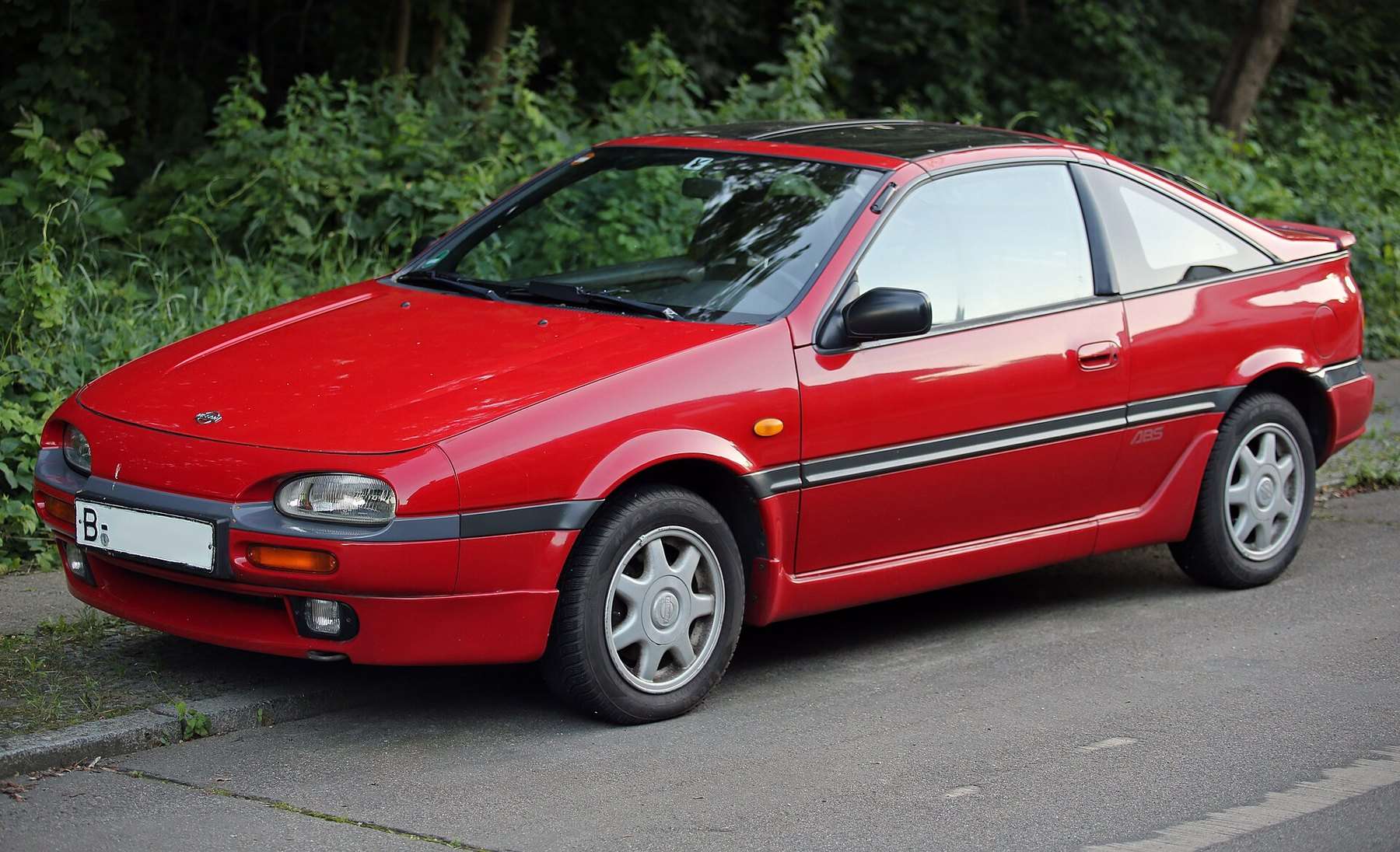
10 THINGS YOU PROBABLY DIDN’T KNOW
The Nissan 100NX mixed a practical hatchback, removable roof panels and the same basic two-litre engine family that powered far better-known performance Nissans. Its rounded styling divided opinion, but the GTI was a quick, durable and unusually versatile 1990s coupé.
1. It was part of the B13 Sunny family
The 100NX was not an isolated sports-car platform. It shared its B13 architecture with Nissan’s contemporary Sunny/Sentra family, allowing the company to create a distinctive low-volume coupé with proven front-wheel-drive mechanicals and relatively affordable service parts.
2. America knew it as the NX1600 and NX2000
Nissan used different names by market. Europe generally received the 100NX, while North America sold NX1600 and NX2000 versions. Japanese cars were marketed within the NX Coupé range. Specification, bumpers, engines and equipment therefore vary considerably between apparently similar cars.
3. The GTI used Nissan’s respected SR20DE
European 2.0 GTI models received the 1,998cc twin-cam, 16-valve SR20DE. Contemporary listings put output around 143–150PS depending on market and measurement. It was naturally aspirated, not the turbocharged SR20DET familiar from the 200SX, but shared the family’s strong, free-revving character.
4. Its smaller engine was a completely different design
The 1.6-litre versions used Nissan’s GA16 family rather than a reduced-capacity SR. Performance and equipment were more modest, and many surviving cars are 1.6s wearing GTI-style wheels or badges. The engine code and registration data are essential when identifying a genuine 2.0.
Love cars you don’t see every day?
Get forgotten cars, surprising motoring stories and the most interesting finds from Unusual Cars by email.
Free to join. No spam. Unsubscribe whenever you like. See our Privacy Policy.
5. The roof panels could turn it into a near-convertible
Many cars had removable glass T-bar panels that stored in protective bags. The central roof spine remained, preserving more structure than a full convertible while giving both occupants an open-air experience. Complete panels, shades, bags and leak-free seals now add real value.
6. It was front-wheel drive despite the sports-car silhouette
The long doors, low bonnet and hatchback tail suggested a small sports car, but the engine sat transversely and drove the front wheels. That layout provided rear seats and useful luggage space while keeping the car mechanically close to Nissan’s mass-market range.
7. Its fixed headlights gave it a face of its own
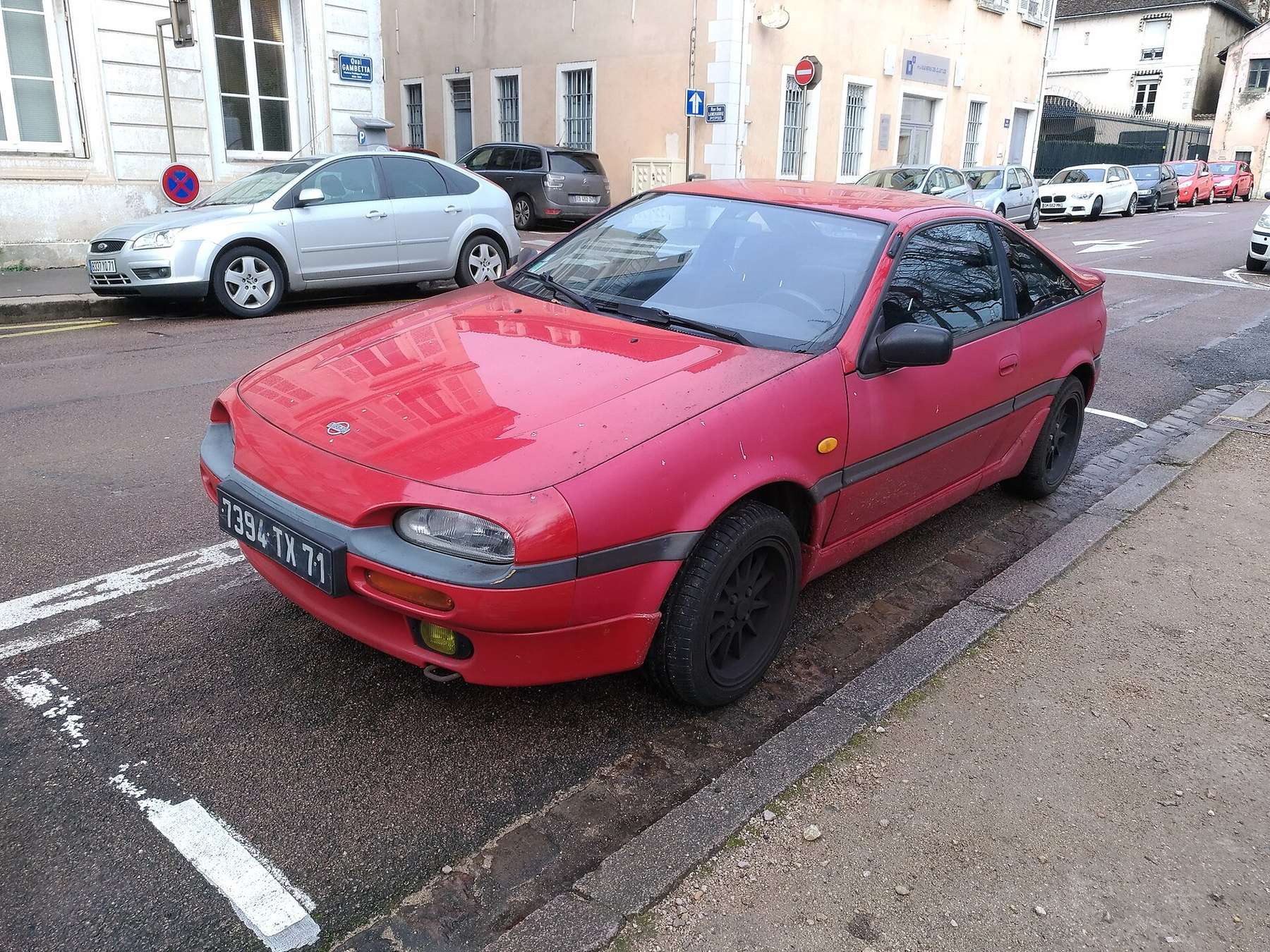
The small, recessed headlamps sat at the outer edges of the rounded nose. They were a defining feature of the 100NX and set it apart from Nissan’s preceding EXA coupé, which used pop-up headlights.
8. The GTI received more than extra power
Two-litre versions typically gained stronger brakes, firmer suspension, larger wheels and additional equipment. Market differences make blanket claims risky, but the GTI was conceived as the complete performance derivative, not merely an SR20 engine placed in the cheapest 1.6 shell.
9. Its styling aged from odd to distinctive
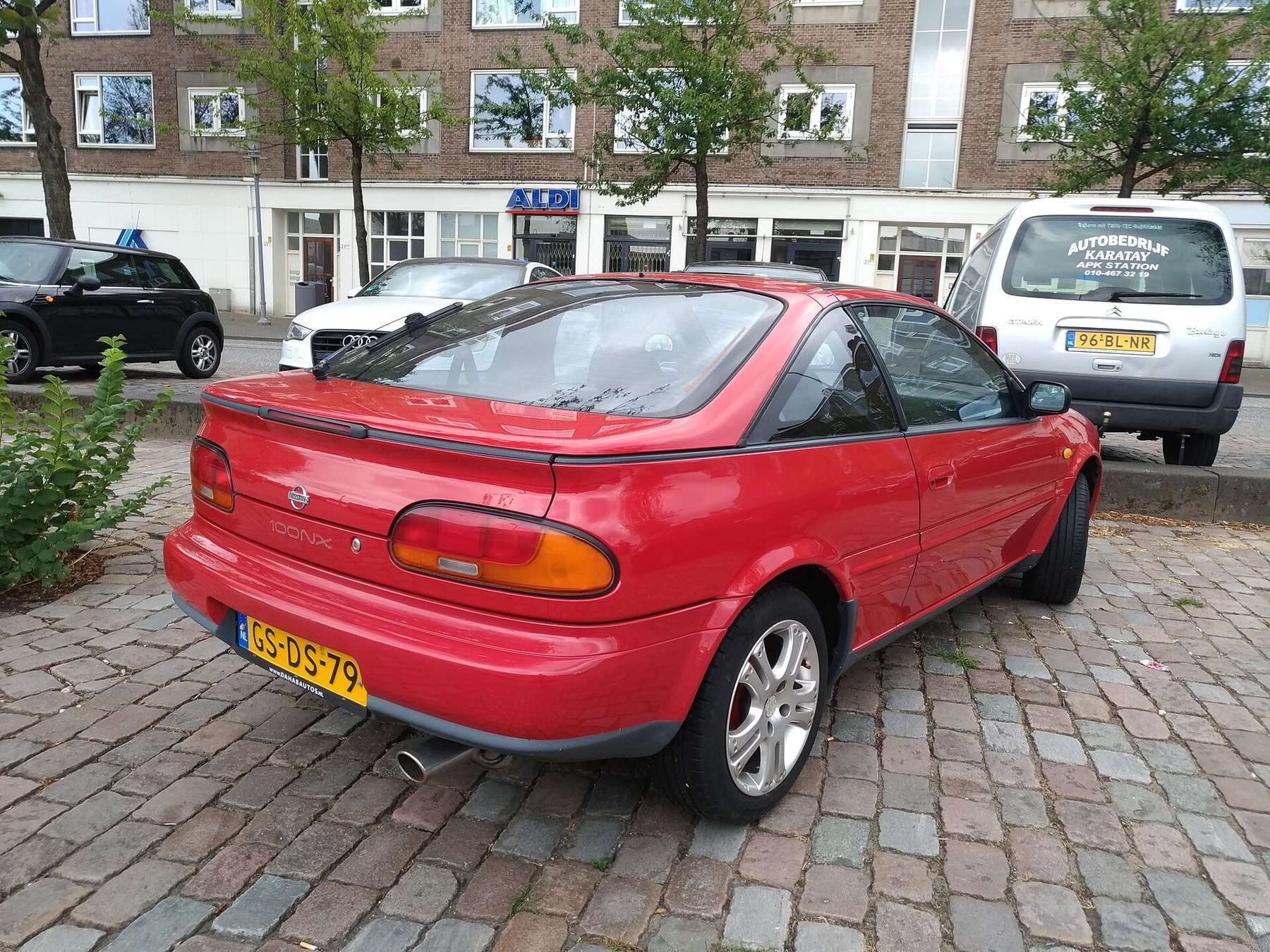
The oval nose and high, rounded tail looked unconventional beside angular 1980s coupés. That once hurt the car’s image and helped depress values. Today the same features make a standard 100NX instantly recognisable among increasingly similar modern cars.
10. Rarity came from neglect as much as low sales
The 100NX was affordable used, so many suffered rust, accident damage, modifications or simple disposal when repairs exceeded value. The durable engines often outlasted the bodies. A complete GTI with sound sills, original roof equipment and unmodified trim is now much harder to find than its mechanical simplicity suggests.
Join the Unusual Cars Club
Get more forgotten performance cars, surprising motoring stories and new 10 Things articles by email.
Free to join. No spam. Unsubscribe whenever you like. See our Privacy Policy.
Explore more 10 Things articles
Discover more cult cars, performance legends and motoring surprises in the Unusual Cars 10 Things hub.
Sources and further reading
- Nissan 100 NX sales brochure, France, 1992
- Nissan Global Newsroom archive
- Nissan Heritage Collection
Featured image: Photograph by Mr.choppers, CC BY-SA 3.0, via Wikimedia Commons; locally hosted.