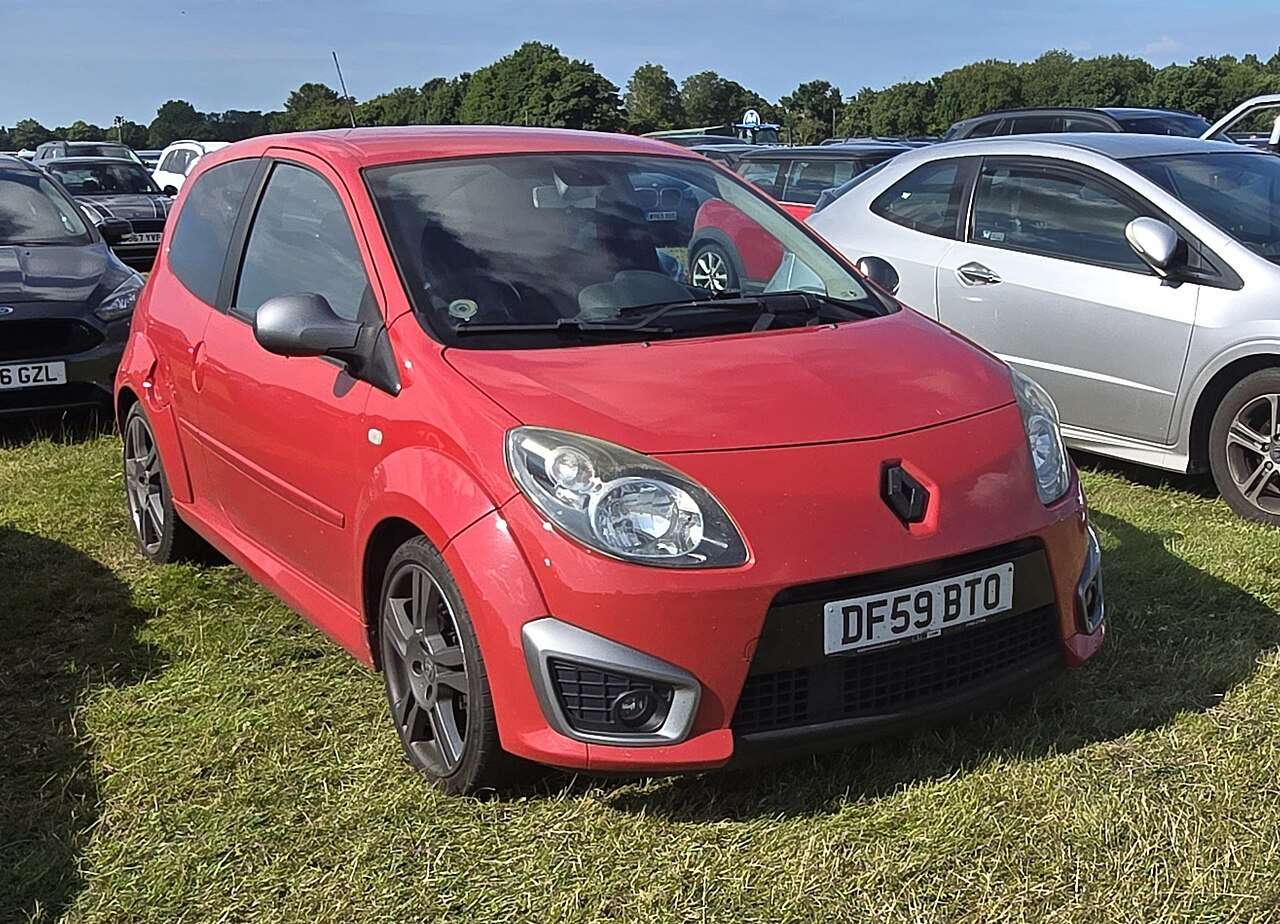
The Twingo 133 put Renaultsport engineering into a genuinely small city-car body. Its eagerness came from revs and chassis changes, which made it feel like a close relative of the fast Clios without simply copying them.
1. It was a second-generation Twingo
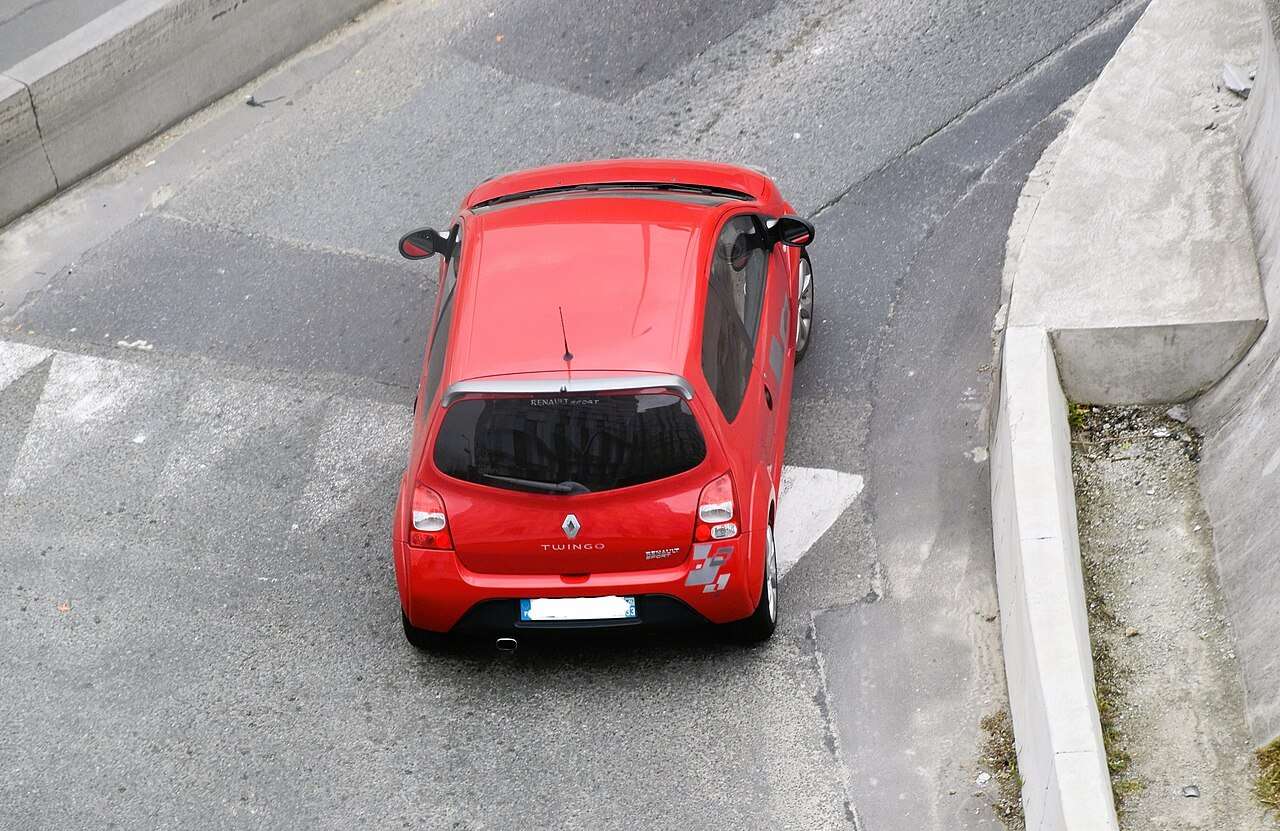
The original Twingo established the name, but the official UK Renaultsport model was based on the second generation. Its broad bumpers and flared wheelarches signalled that it had a different job from the ordinary city car.
2. The 133 referred to metric horsepower
The naturally aspirated 1.6-litre 16-valve four was rated at 133 PS, about 131 bhp. The output arrived high in the rev range, which made a good stretch of road and a few gear changes part of the experience.
3. It used a five-speed manual
The Twingo relied on five forward ratios and front-wheel drive. It was a straightforward arrangement that made the relationship between road speed, engine speed and gear choice easy to appreciate.
4. Renault offered two chassis characters
The standard Sport chassis was the everyday option. Renault identified the launch Cup setup by its anthracite 17-inch wheels and 195/40 tyres, alongside firmer suspension. Checking the original specification is useful because owners can swap springs and wheels independently.
Love cars you don’t see every day?
Get forgotten cars, surprising motoring stories and the most interesting finds from Unusual Cars by email.
Free to join. No spam. Unsubscribe whenever you like. See our Privacy Policy.
5. Cup could refer to the chassis or a version of the car
A Twingo ordered with the Cup chassis and a later UK Cup model are not automatically the same equipment package. The distinction matters if a used advert describes both as simply a 133 Cup.
6. The wider stance was engineered in
Broader tracks and distinctive arches worked together. Renault’s body changes gave the running gear room and helped make a tiny hatch look planted without disguising how small it really was.
7. The everyday cabin made it usable
The upright seating and hatchback layout survived the transformation. Equipment and rear-seat arrangements depended on version, so a photograph inside can reveal more about a particular car than its graphics.
8. A Gordini edition added its own visual identity
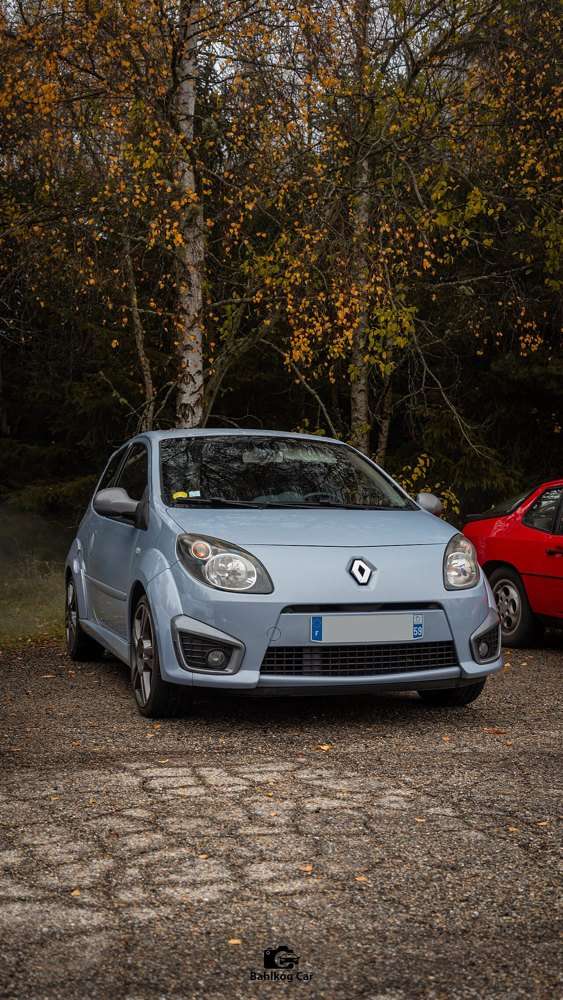
The later Gordini-badged Renaultsport used distinctive colours and trim. Its appeal was as much about presentation and the historic name as about performance figures.
9. The facelift kept the basic formula
The later front end looked markedly different, but the naturally aspirated 1.6 and Renaultsport character carried over. Early and late versions make an easy side-by-side visual story.
10. The later Twingo GT took another route
The subsequent generation used a different architecture and a small turbo engine in GT form. The 133 sits in its own chapter as a front-engined, naturally aspirated Renaultsport city car.
Compare another small hot hatch, the Fiat Panda 100HP.
Explore more 10 Things articles
Browse the Unusual Cars 10 Things hub.
Sources and further reading
Featured image: Red Renault Twingo Renaultsport 133. Photo by Calreyn88 via Wikimedia Commons (CC BY-SA 4.0, resized).
Join the Unusual Cars Club
Get more forgotten performance cars, surprising motoring stories and new 10 Things articles by email.
Free to join. No spam. Unsubscribe whenever you like. See our Privacy Policy.