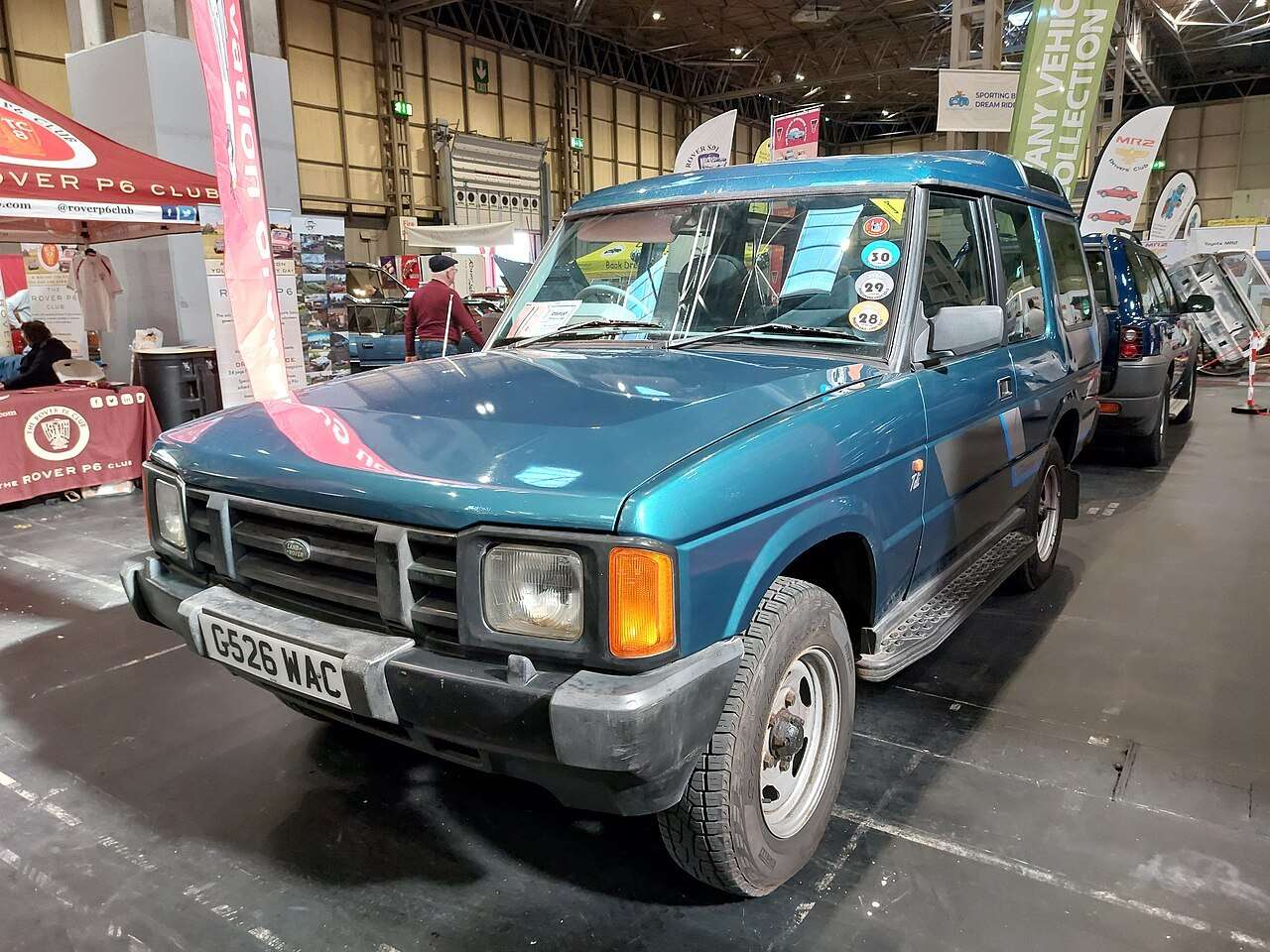
The first Discovery made a Land Rover look like a credible family car. It had a blue cabin, a raised rear roof and Range Rover ancestry, and the earliest ones only had two side doors.
1. It began as Project Jay
Land Rover’s development code was Jay. The Dunsfold Collection preserves a 1988 prototype, giving the project a tangible link to the cars that reached buyers the following year.
2. It borrowed a Range Rover foundation
The Discovery used the 100-inch-wheelbase Range Rover chassis as a starting point. That gave Land Rover a shortcut to proven axles and suspension underneath a vehicle priced and styled for a different audience.
3. The three-door came first
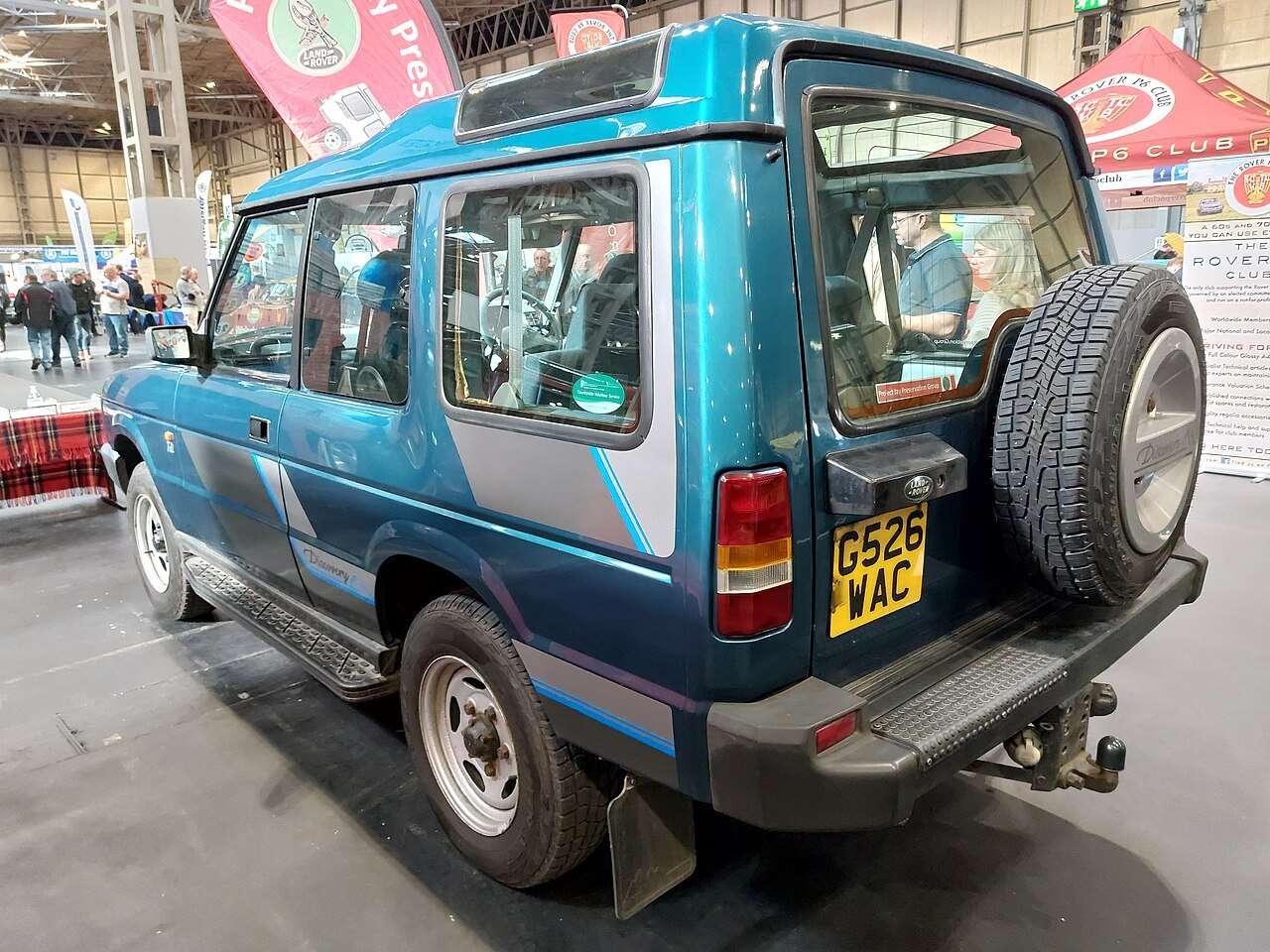
The launch Discovery had two side doors and a side-hinged rear door. The later five-door made it easier for families to use the middle row. Look at an early example and the long side windows immediately give the game away.
4. The blue cabin was a deliberate departure
Conran’s design team helped bring a lighter, more contemporary feel to the interior. The bright Sonar Blue trim and the inventive storage touched the parts buyers actually saw and used every day.
Love cars you don’t see every day?
Get forgotten cars, surprising motoring stories and the most interesting finds from Unusual Cars by email.
Free to join. No spam. Unsubscribe whenever you like. See our Privacy Policy.
5. The high roof had a job to do
The raised rear portion gave passengers more headroom. The little high-level windows, often called alpine lights, helped get daylight into the rear of the tall cabin and became a Discovery signature.
6. The original diesel helped change Land Rover’s image
The 200Tdi offered a strong argument for diesel power in an everyday 4×4. Land Rover also offered a petrol V8, leaving owners a genuine choice of character and fuel consumption.
7. The spare wheel made sense outside
Mounting the spare on the rear door saved interior space and made it easy to get to. The side-opening door also became part of the way owners recognised a Discovery from a distance.
8. It kept the proper low-range hardware
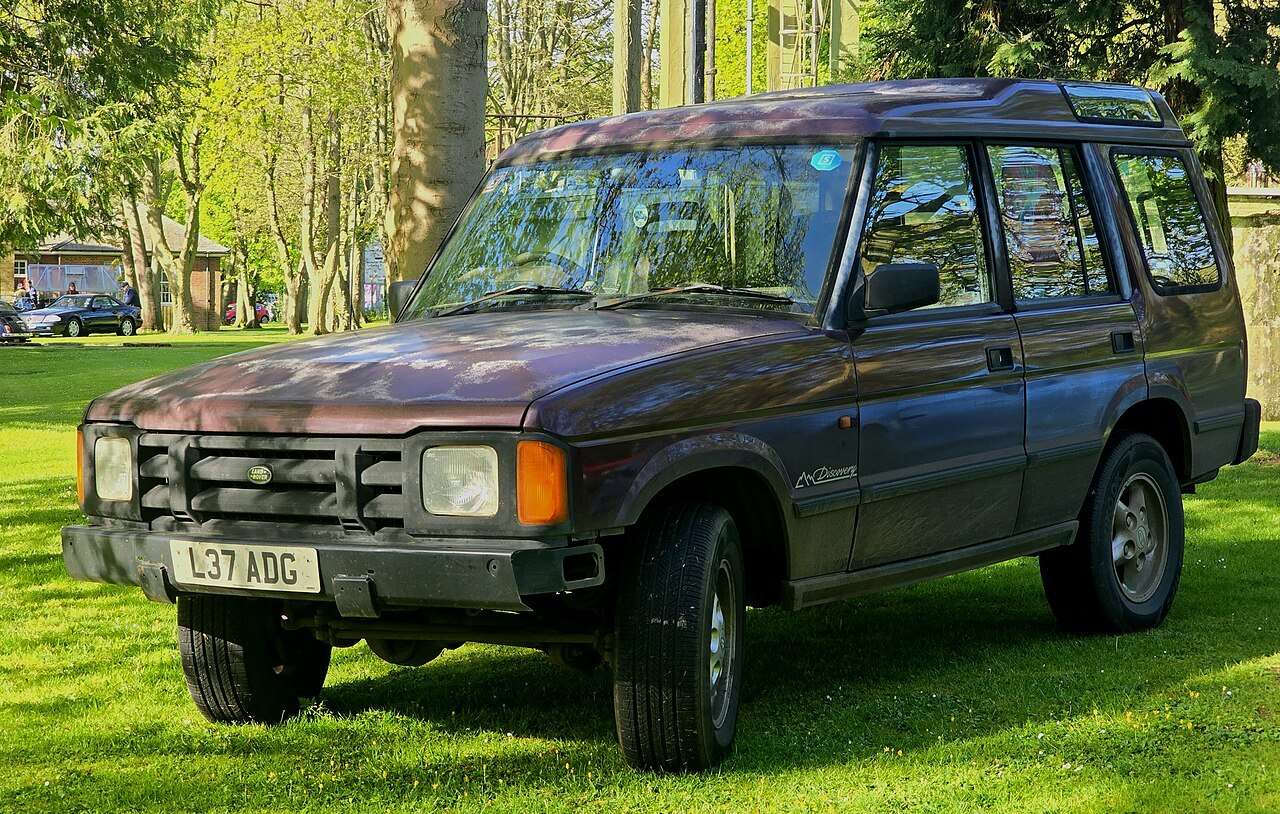
The Series 1 had full-time four-wheel drive and a low-range transfer box. The family-friendly interior sat on top of a drivetrain still designed for slow work off-road.
9. Some had seats facing one another
Some seven-seat versions used inward-facing occasional seats in the load bay. They could fold away to restore useful load space. That was a very different answer to carrying more people from the three-forward-facing-row layout that became familiar later.
10. The 300Tdi signalled a second chapter
The mid-1990s update introduced the 300Tdi and revised the appearance and cabin. It is still a Series 1 under the late styling, which makes badging and model year more useful than a quick look at the headlamps.
Explore more 10 Things articles
Browse the Unusual Cars 10 Things hub.
Sources and further reading
- Dunsfold Collection, early Discovery in the collection
- JLR, Land Rover heritage timeline
- Hagerty UK, Series 1 chronology and specifications
Featured image: Early three-door Land Rover Discovery. Photo by kieranwhite599 via Wikimedia Commons (CC BY 2.0, resized).
Join the Unusual Cars Club
Get more forgotten performance cars, surprising motoring stories and new 10 Things articles by email.
Free to join. No spam. Unsubscribe whenever you like. See our Privacy Policy.