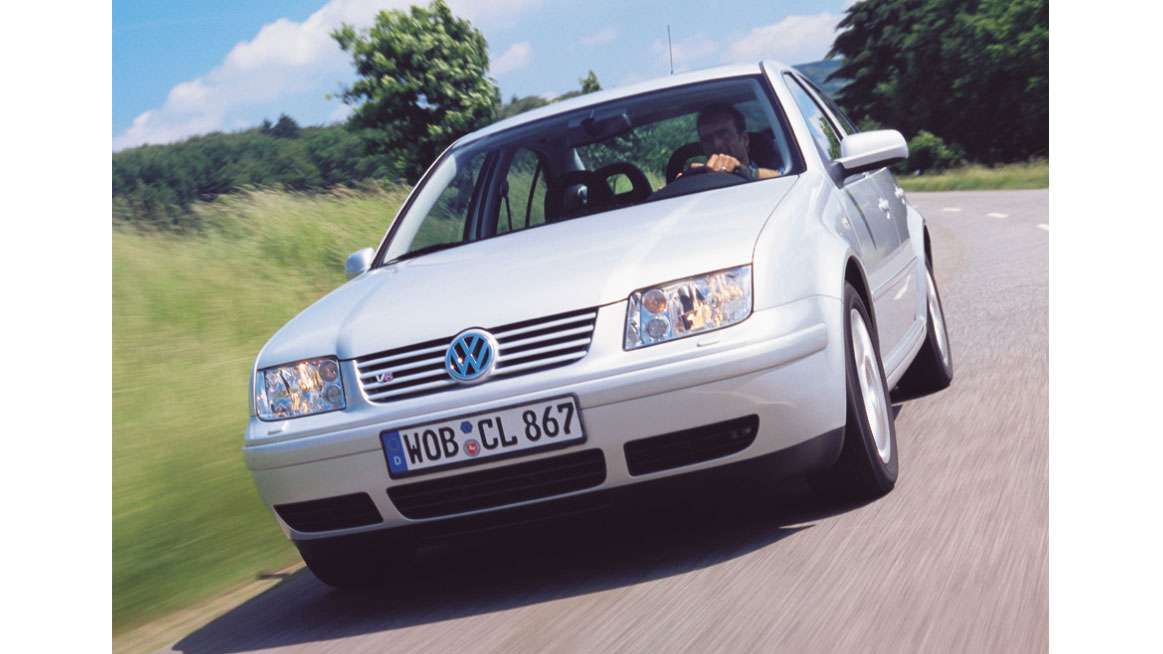
The Volkswagen Bora V6 4Motion slipped 204 PS and four-wheel drive into an everyday saloon. Its looks are part of the appeal, especially now that almost every fast family car wants you to know how fast it is.
1. The V6 arrived after the Bora itself
The Bora appeared in July 1998. Volkswagen dates the 204 PS V6 4Motion saloon to 1999–2003, a window within the longer life of the ordinary four-door. A Bora from the right era can therefore still be a very different car underneath.
2. The power figure changes with the units
Volkswagen’s archive lists 150 kW or 204 PS for the 2.8-litre engine. The period UK brochure calls the same 150 kW output 204 bhp. In mechanical horsepower it is about 201 bhp. Comparing the kilowatt figures is the simplest way to reconcile the two.
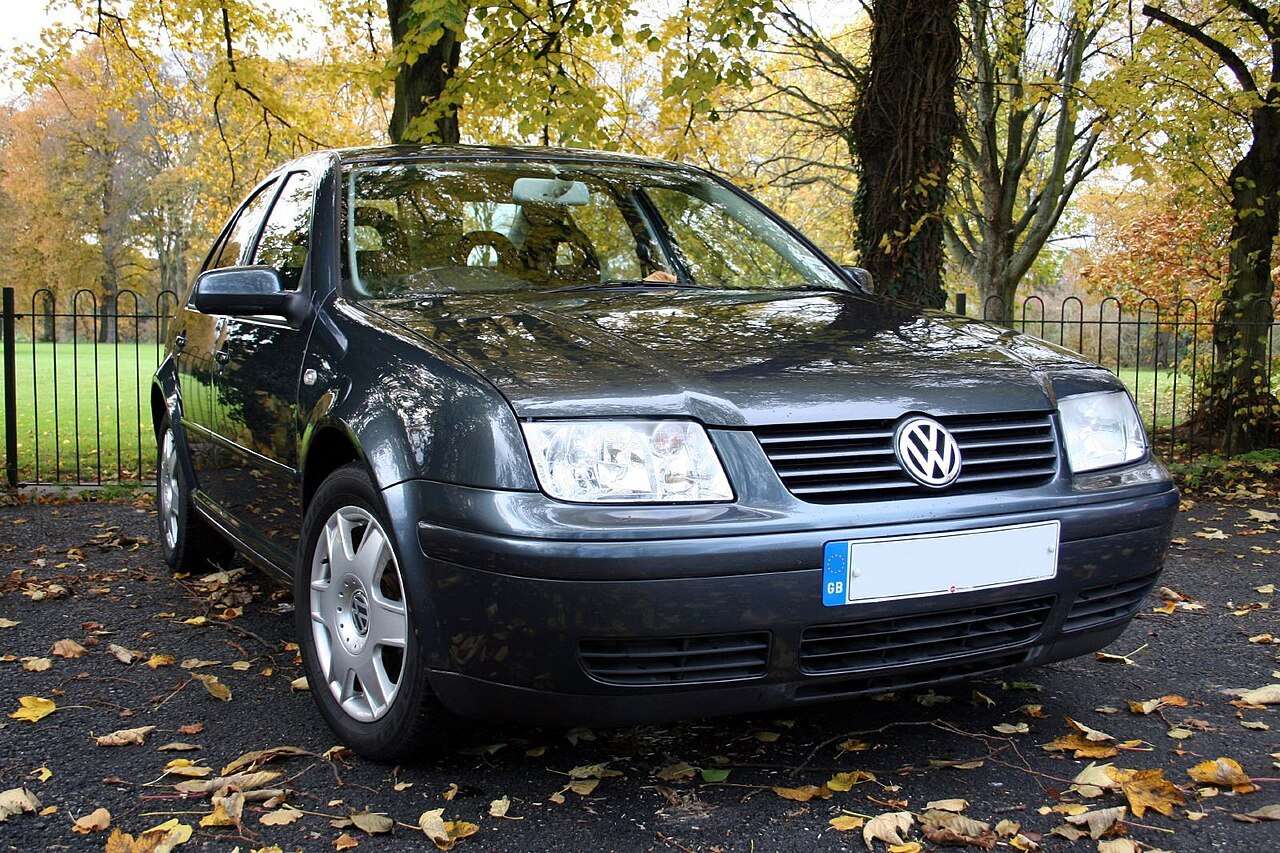
3. It used a six-speed manual
The UK-market brochure pairs the 2.8 with a six-speed manual. That gave buyers a distinctly different recipe from the automatic executive saloons that often shared parking spaces with it.
4. The four-wheel-drive badge did real work
The V6 was sold as a 4Motion, with a Haldex coupling allowing the rear axle to contribute when needed. Other Bora engines could also be had with four-wheel drive in some markets, so a 4Motion badge alone cannot identify the V6.
Love cars you don’t see every day?
Get forgotten cars, surprising motoring stories and the most interesting finds from Unusual Cars by email.
Free to join. No spam. Unsubscribe whenever you like. See our Privacy Policy.
5. Volkswagen sold a V5 as well
The 2.3-litre V5 was a separate engine in the range, offered in early 150 PS and later 170 PS forms. If someone remembers an unusual engine in a Bora but remembers five cylinders, they are thinking of a real factory option.
6. There was a V6 estate in the wider range
Volkswagen’s archive dates the 204 PS V6 4Motion Variant to January 2000. That makes it one of the less obvious Volkswagen estate combinations of the period. Check the country brochure before assuming every engine and body pairing reached Britain.
7. The boot accounted for most of the saloon’s extra length
Volkswagen says the Bora saloon was 23 cm longer than a Mk4 Golf and used the extra length for the boot. Its archive quotes 455 litres for the saloon generally. Consult the V6 specification for dimensions where the different rear drivetrain matters.
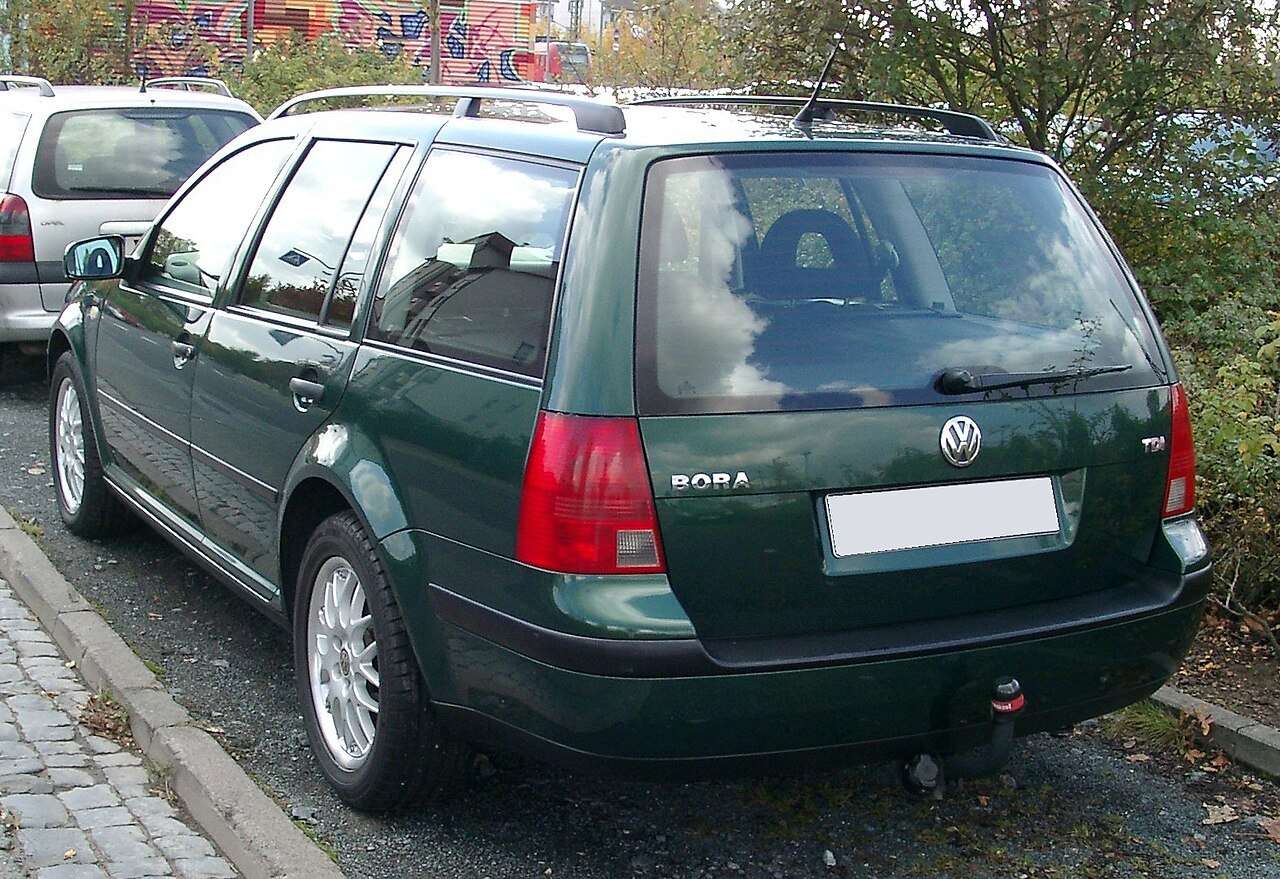
8. It had its own nose
The saloon sat in the Golf IV family, but Volkswagen gave the Bora its own front styling and a broad, squared-off tail. That understated shape is a large part of the V6’s appeal now.
9. Volkswagen galvanised the body
The company describes the Bora as fully galvanised. That is a useful manufacturing detail and an interesting contrast with the condition you can find cars in today. A quarter-century of accident repairs and road salt can still leave marks.
10. The Jetta name kept going elsewhere
Volkswagen used Bora in Europe and Jetta in North America, where the estate was sold as the Jetta Wagon. The underlying family resemblance is helpful when searching for information, provided you check the engine and market first.
Read next: 10 Things You Probably Didn’t Know About the Volkswagen Golf R32 Mk4.
Explore more 10 Things articles
Browse the Unusual Cars 10 Things hub.
Sources and further reading
- Volkswagen Bora history
- Volkswagen Bora vehicle data
- 2002 Volkswagen Bora UK brochure
- Original German V6 4Motion brochure
Featured image: Volkswagen archive photograph of the original Bora V6 4Motion. Photo by Volkswagen AG via Volkswagen Group (editorial press use, resized).
Join the Unusual Cars Club
Get more forgotten performance cars, surprising motoring stories and new 10 Things articles by email.
Free to join. No spam. Unsubscribe whenever you like. See our Privacy Policy.