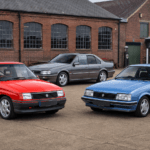
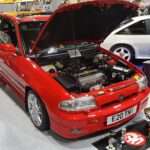
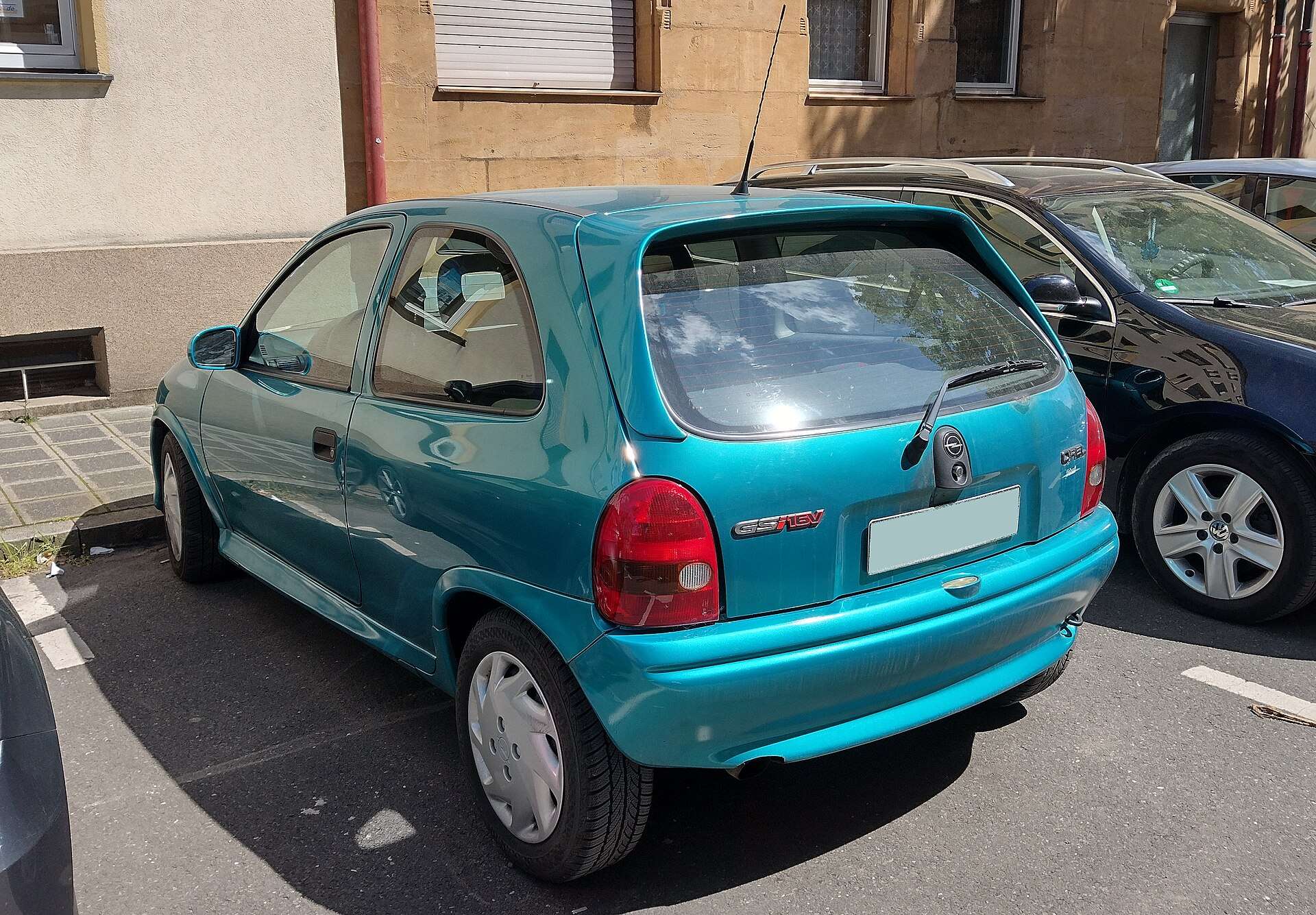
The first Vauxhall Corsa GSi arrived in Britain in 1993. It was a small, light three-door hot hatch with a 1.6-litre 16-valve engine, a sharper chassis than the ordinary Corsa and enough performance to make it a direct successor in spirit to the Nova GTE/GSi. Good ones are now scarce, especially cars that retain their original bodywork, trim and paperwork.
This UK-focused Vauxhall Corsa GSi buying guide explains what made the Corsa B GSi special, how to assess one today and which faults deserve the closest inspection. It is a research-led starting point, not a substitute for checking a particular car or taking specialist advice.
Quick answer: is a Vauxhall Corsa GSi B worth buying?
Yes, if the shell is sound, the history is credible and the car has not been spoiled by poor modifications. The 1.6 16v is lively enough to feel properly quick in a lightweight hatch, but condition matters far more than a claimed power figure or a GSi badge. Buy on structural condition, originality and evidence of maintenance.
Why the Corsa GSi B matters
The Corsa replaced the Nova in Britain in 1993, and Vauxhall gave the new supermini a GSi almost immediately. Vauxhall’s later heritage material records a 1.6-litre DOHC 16-valve engine with 105 bhp for the British GSi, a five-speed manual gearbox, firmer suspension, larger brakes and wider tyres. It quoted 0–60 mph in 9.2 seconds and a 121 mph maximum speed—serious figures for a small hatch in the early 1990s.
European Opel material describes the Corsa B GSi as an 80 kW/109 PS model, so do not treat one market’s quoted figure as a universal rule. The important point for a buyer is that the genuine GSi was a factory performance derivative, not merely a Corsa with wheels, stickers and an aftermarket exhaust.
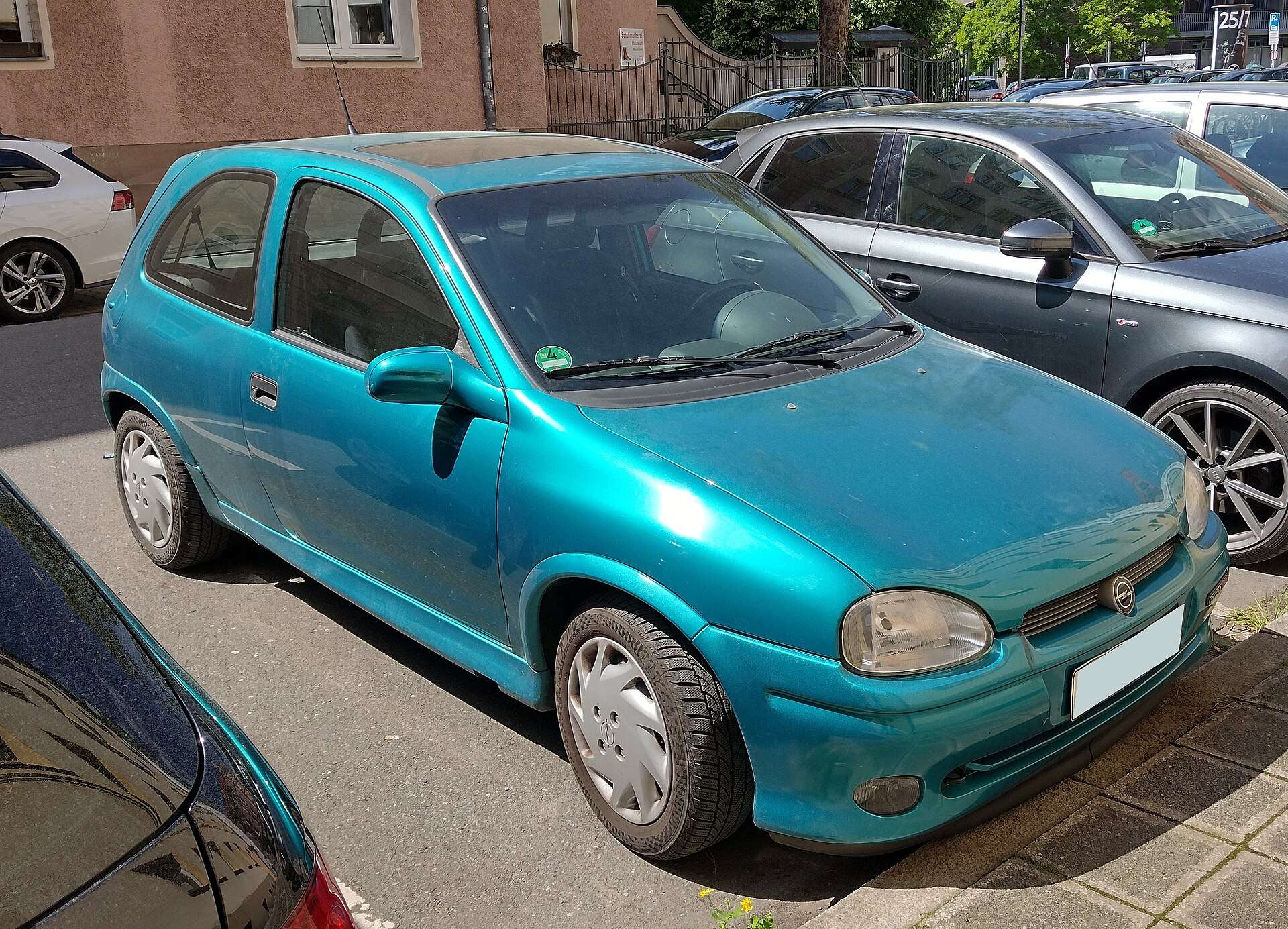
What identifies a genuine Corsa GSi?
Start with the documents, not the appearance. Ask to see the V5C, service history, old MOT certificates and any period brochures or invoices. Compare the VIN, engine information and factory equipment with marque knowledge before paying a premium. A car can wear a convincing badge while carrying a replacement engine, mixed trim or parts from several vehicles.
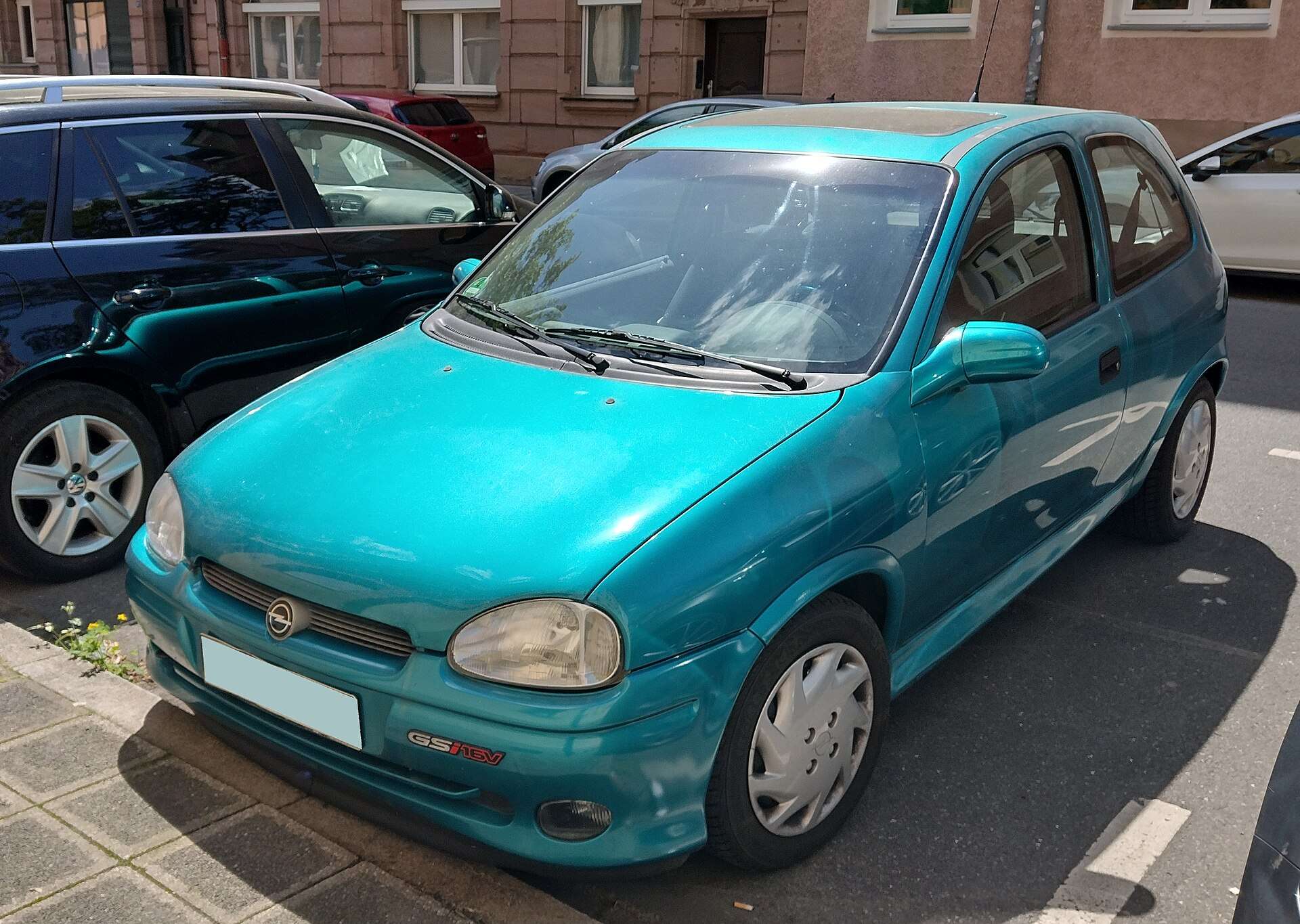
Factory GSi features included sportier bumpers and colour-keyed side sills, front and rear spoilers, wide tyres and performance-oriented equipment. Individual cars may have changed over three decades, so treat missing original pieces as a reason to investigate—not an automatic rejection. Well-documented, sympathetic upgrades can be sensible; undocumented changes make identity and quality harder to judge.
Engine, gearbox and cooling checks
View a car from cold. It should start cleanly, idle steadily once warm and pull consistently through the rev range. Ask for evidence of routine servicing and major scheduled work, including timing-belt servicing to the correct interval for the exact engine. Where paperwork is absent, budget as though this work needs doing immediately; it is safer than accepting a verbal assurance.
Watch the temperature gauge on a proper test drive and inspect for old coolant staining, tired hoses, an ineffective heater or signs of past overheating. Check the clutch engages cleanly, the five-speed gearbox does not resist selection when warm and the car drives straight under power and braking. Age, previous modifications and deferred maintenance matter more here than headline mileage.
Rust, accident repair and the underside
The body is the priority. Inspect sills, wheel arches, front inner wings, floorpan, suspension mounting areas, boot floor and the lower edges of doors. Look beneath plastic trim and around jacking points rather than judging the car from a polished exterior. Uneven panel gaps, abrupt changes in paint texture and fresh underseal over visible corrosion are all reasons for a slower, more expert inspection.
A road test should reveal whether tired dampers, bushes, bearings, springs or brakes have been addressed properly. Expect wear items on a 1990s performance hatch; avoid cars where a long list of small faults suggests that fundamental maintenance has been ignored.
Originality and modifications
Corsa GSi Bs were affordable for a long time and many were modified, raced, broken for parts or rebuilt using mixed components. That history makes a complete, unmolested example unusually appealing. Original wheels, seats, bumpers, spoilers and badges improve confidence, but receipts and photographs of restoration work can be just as valuable as untouched cosmetics.
Do not dismiss a modified car automatically. Judge the standard of the work, whether it is legal and declared to insurers, and whether the seller can explain every major change. A well-engineered car with a complete folder can be enjoyable; an anonymous conversion with no history is rarely the bargain it first appears.
Corsa GSi viewing checklist
- Confirm the exact model using V5C, VIN, service history and factory equipment.
- Inspect structural areas and the underside before negotiating on paint or wheels.
- Start from cold and drive far enough to assess temperature, gearbox, clutch, steering and brakes.
- Ask for invoices for servicing and any major scheduled engine work.
- Check modifications for quality, legality and supporting paperwork.
- Value a complete, straight car above a cosmetically flashy project with missing history.
Related Vauxhall performance guides
- Rare Performance Vauxhalls: models, history and buying advice
- Vauxhall Nova GTE and GSi guide
- Vauxhall Astra GSi guide
- Vauxhall Astra GTE guide
- Vauxhall Vectra GSi and i500 guide
Vauxhall Corsa GSi FAQ
What engine did the original Vauxhall Corsa GSi use?
The British Corsa GSi was introduced with a 1.6-litre DOHC 16-valve engine. Vauxhall’s heritage material quotes 105 bhp; contemporary European Opel material gives the equivalent as 80 kW/109 PS.
Is a modified Corsa GSi worth buying?
It can be, but only if the work is well documented, well executed and legal for road use. An original or carefully restored car is normally simpler to value and easier to enjoy long term.
What should I check first?
Check identity and structural condition before chasing power or cosmetics. A sound shell with a believable history is worth more than an apparently cheap car with corrosion and no evidence of maintenance.
Research note: historical specification checked against Vauxhall and Opel heritage material. Equipment and outputs can vary by market and date; verify the individual car before purchase.