UNUSUAL CARS MODEL GUIDE
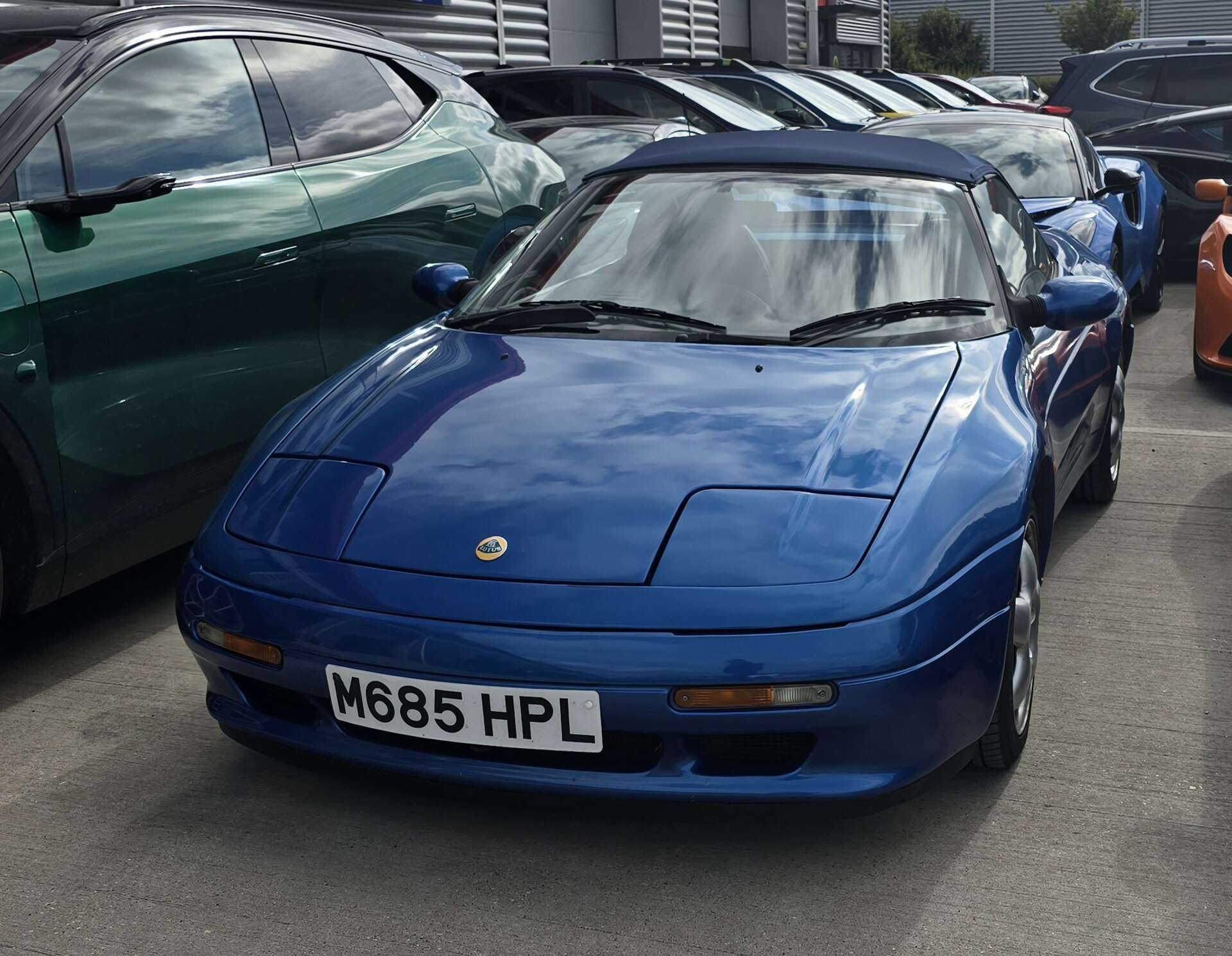
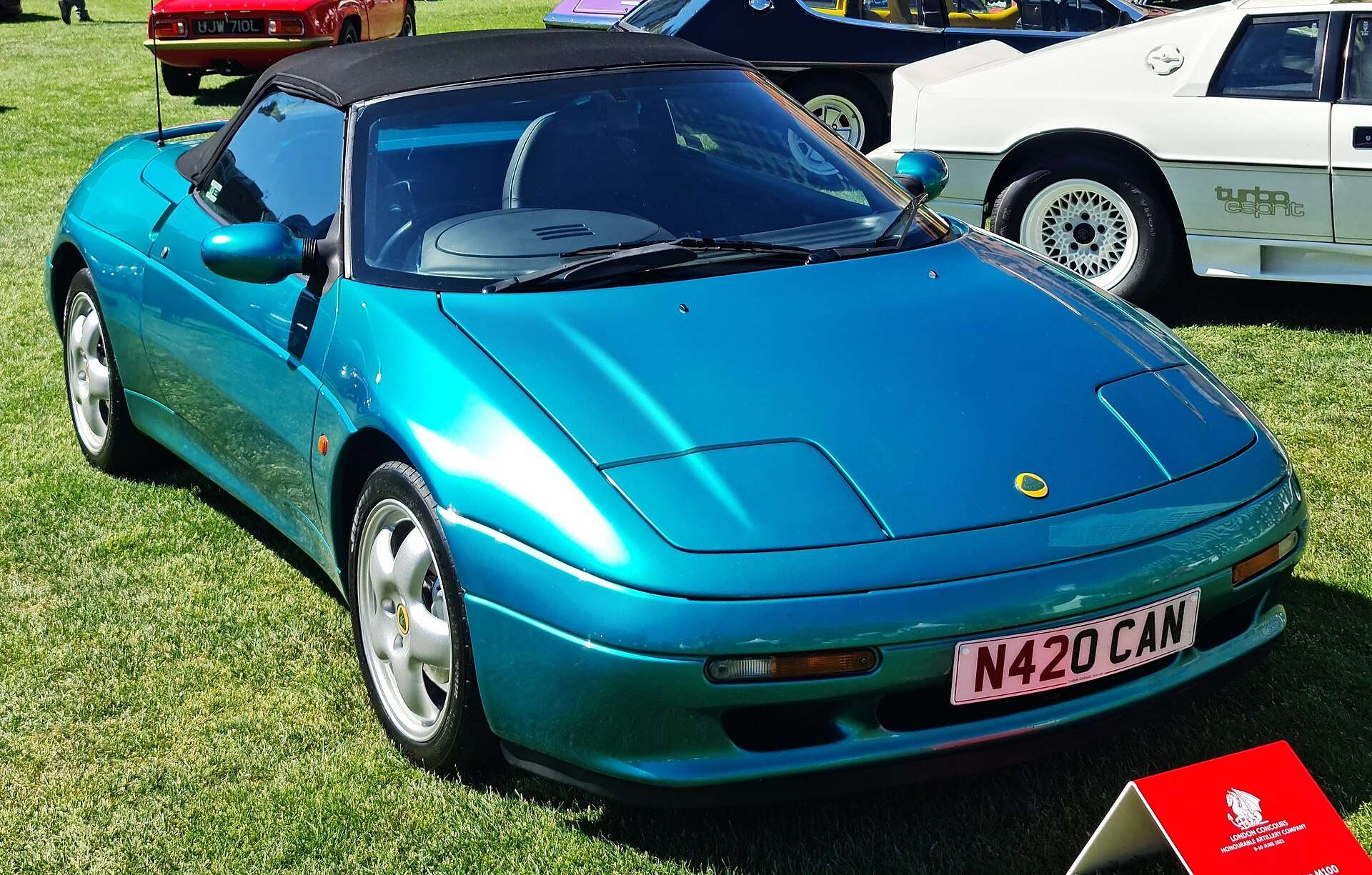
The Lotus Elan M100 was a front-wheel-drive two-seat roadster sold from 1989 to 1992 and again as the limited S2 in 1994–95. Its Isuzu 1.6-litre engine, rigid backbone structure and sophisticated suspension produced remarkable wet-road ability, even though front-wheel drive challenged traditional ideas about what a Lotus should be.
Quick answer: the naturally aspirated car is rare and simple, the SE Turbo gives the strongest original performance, and the 800-car S2 is the most collectible production run. Condition, hood sealing, suspension and evidence of correct turbo maintenance matter more than chasing a modified power figure.
Why Lotus chose front-wheel drive
Under General Motors ownership, Lotus wanted a new small sports car below the Esprit and Excel. A transverse Isuzu powertrain provided a compact package, while front-wheel drive promised secure handling and broader everyday appeal. Peter Stevens shaped the cab-forward body around that layout.

Lotus called the car Type 100 and used M100 during development. It went on sale in 1989, won strong reviews and a Design Council award, but high production costs and the expense of meeting changing US regulations limited commercial success.
Normally aspirated and SE Turbo
The 1,588 cc Isuzu DOHC engine was offered in naturally aspirated form at about 130 bhp and turbocharged SE form at around 165 bhp in UK-market references. The five-speed manual drove the front wheels, with Lotus concentrating on geometry, steering and torque management rather than disguising the layout.

The limited Elan S2
After ACBN Holdings acquired Lotus, the company used the remaining engine supply to build 800 S2 cars in 1994–95. The S2 was turbo-only and received catalytic emissions equipment, revised wheels, trim and numbered identity. Lotus’s official archive lists 3,855 first-series cars and 800 S2s.
| Version | Engine | Main distinction |
|---|---|---|
| Elan | 1.6 DOHC naturally aspirated | About 130 bhp; uncommon, with gentler performance. |
| Elan SE | 1.6 turbocharged DOHC | About 165 bhp in UK references; strongest mainstream M100. |
| Elan S2 | 1.6 turbocharged DOHC | 800-car 1994–95 run with catalytic equipment and revised detail specification. |
Love cars you don’t see every day?
Get forgotten cars, surprising motoring stories and the most interesting finds from Unusual Cars by email.
Free to join. No spam. Unsubscribe whenever you like. See our privacy policy.
Body, chassis and water leaks
The composite body will not rust like steel panels, but the underlying structure, suspension areas and steel components must be inspected. Check accident repairs, panel alignment, sill condition and lifting points. Poorly repaired front or rear damage can upset geometry.

Hoods, header seals and drainage are recurring ownership themes. Look for damp carpets, stained trim, perished seals and blocked drains. Replacement hood and seal work should be assessed in rain, not merely on a dry showroom floor.
Engine, turbo and cooling
The Isuzu engine is durable when serviced, but oil-change history, cambelt evidence, cooling stability and correct boost control are essential. Check for smoke, coolant loss, exhaust-manifold leaks and turbo noise. Manual boost controllers, dump valves and remaps need invoices and a coherent calibration; an unexplained power claim is a warning.

Gearbox, suspension and brakes
The gearshift should be positive, without cable slop or synchromesh baulking. Driveshaft joints, wheel bearings and engine mounts can create vibration. Suspension bushes, dampers and ball joints must be judged as a system because incorrect parts quickly spoil the M100’s carefully developed steering.

Brakes should operate evenly, with no seized rear mechanisms or tired hoses. Correct tyre size and matching quality tyres are especially important to the front-wheel-drive chassis.
Cabin and electrical checks
Test pop-up headlamps, windows, instruments, heater fan, central locking and every switch. Trim and model-specific S2 details can be harder to replace than mechanical service parts. Confirm that a numbered S2 retains its correct identity and equipment.
Sources and further reading
Continue the Lotus story
The M100 proved Lotus could create a distinctive front-wheel-drive sports car. Explore the Rare & Performance Lotus Cars hub, then read the original Lotus Elan guide and the Lotus Elise S1 guide.
Frequently asked questions
When was the Lotus Elan M100 built?
The first series was produced from 1989 to 1992, followed by the limited S2 in 1994–95.
Is the Lotus Elan M100 front-wheel drive?
Yes. It uses a transverse Isuzu engine and five-speed gearbox driving the front wheels.
How many Elan S2s were built?
Lotus states that 800 S2 cars were produced.
What engine is in the M100 Elan?
It uses a 1,588 cc Isuzu DOHC four-cylinder, naturally aspirated or turbocharged depending on version.
What should be checked before buying an M100?
Inspect accident repairs, structure, hood and seals, cooling, cambelt history, turbo and boost control, gearbox, suspension, brakes, tyres, electrics and S2 identity where relevant.