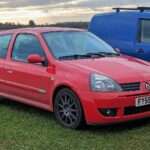
Renault’s unusual-car history reaches from rear-engined rally saloons and mid-engined homologation specials to hot hatchbacks, sports cars and unconventional flagships. These twenty guides connect their UK histories, engineering, specifications and ownership realities.
Detailed Renault guides
Choose a car below for a researched UK-focused history, specifications, real-car photography and practical buying checks.
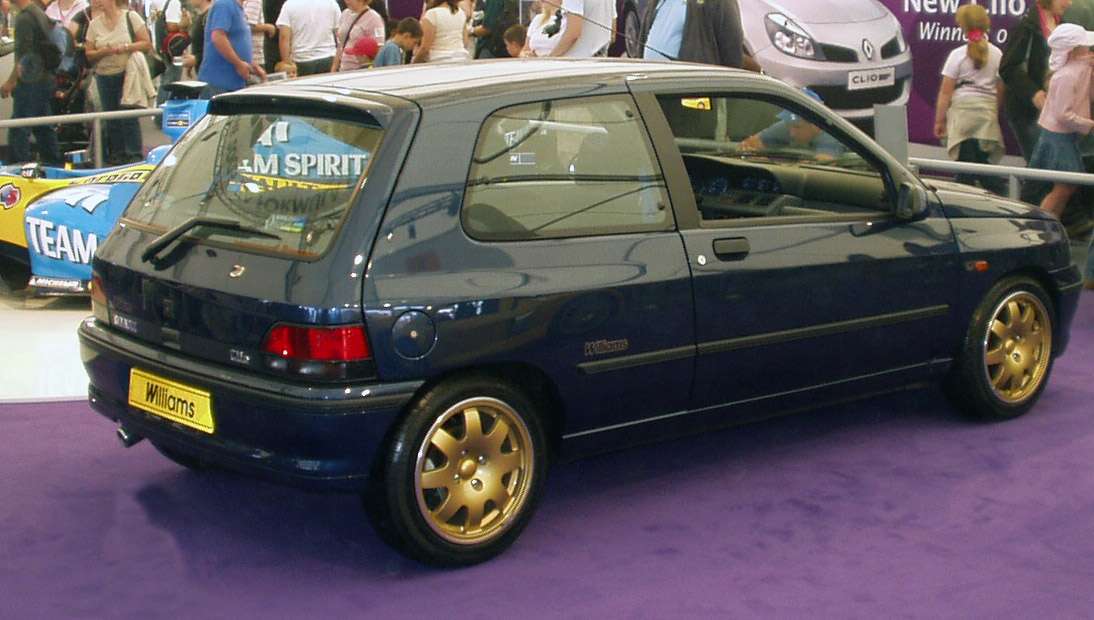
Renault Clio Williams
The blue-and-gold homologation-era hot hatch: Renault Sport engineering, wide-track chassis and the truth behind the Williams name.
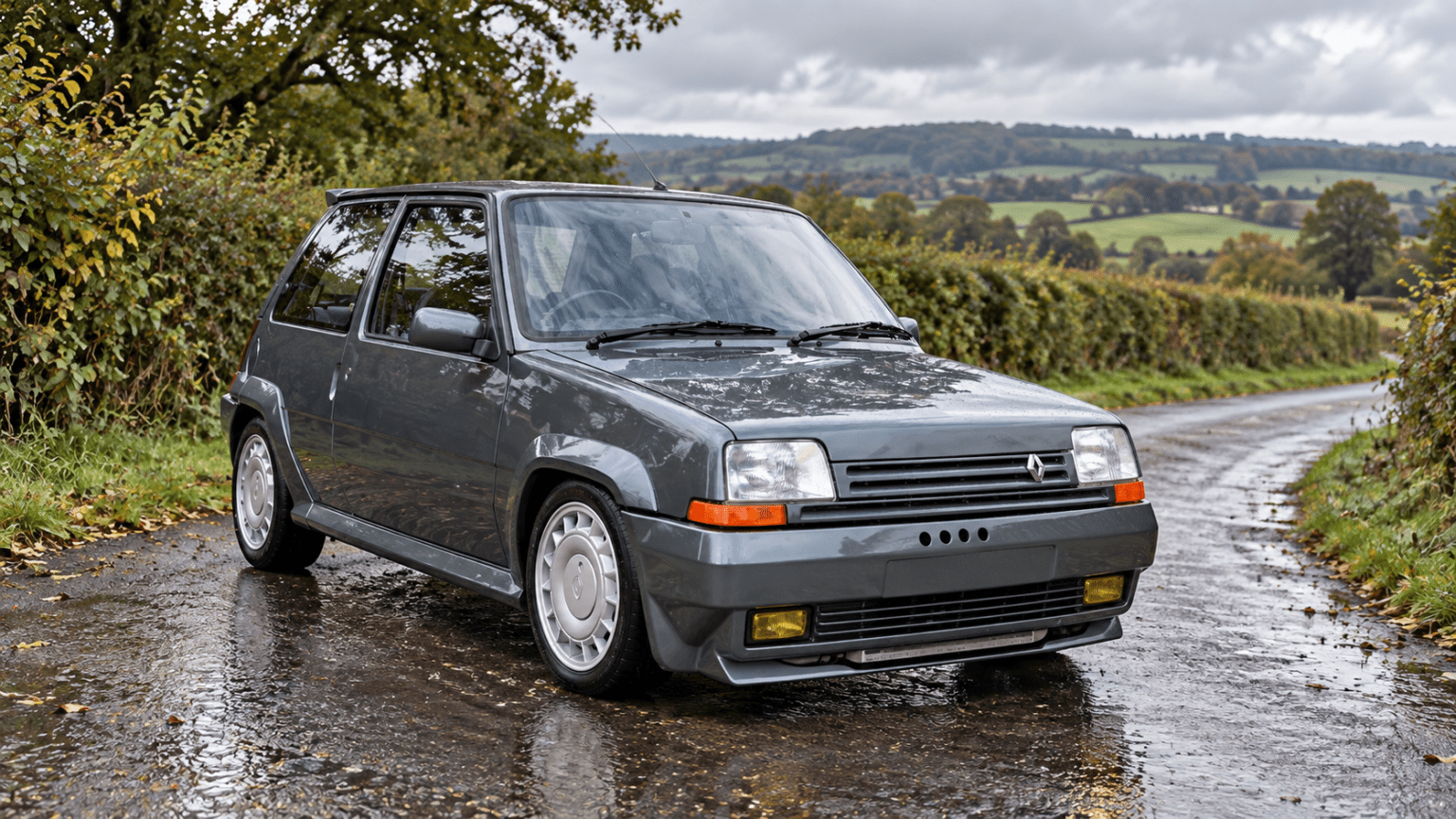
Renault 5 GT Turbo
The front-engined Supercinq hot hatch: compare Phase 1 and Phase 2, understand its competition record and learn why standard cars are now scarce.
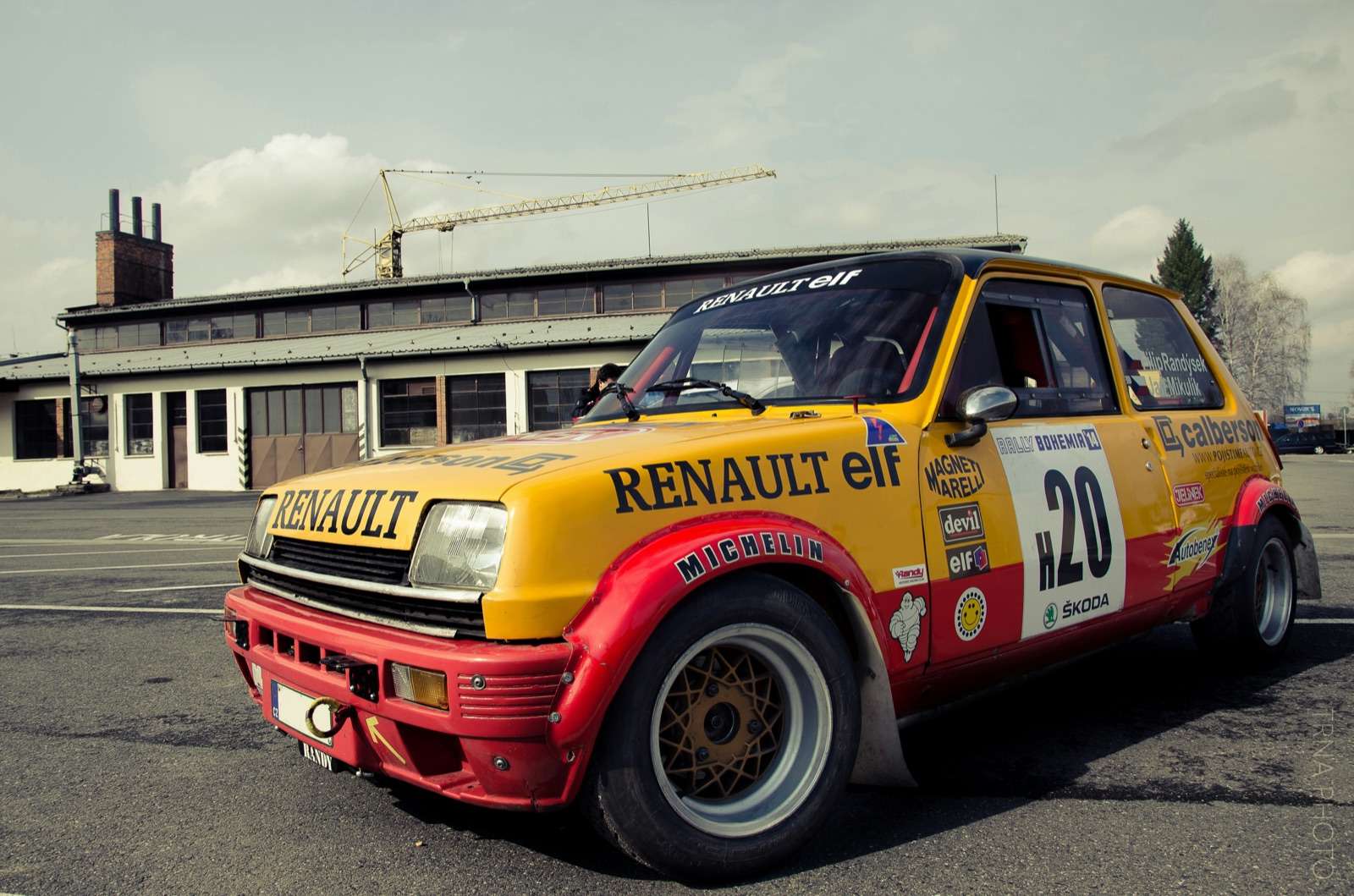
Renault 5 Turbo and Turbo 2
The rear-mid-engined rally special: Turbo, Turbo 2 and Maxi 5 explained, including the construction and competition history.
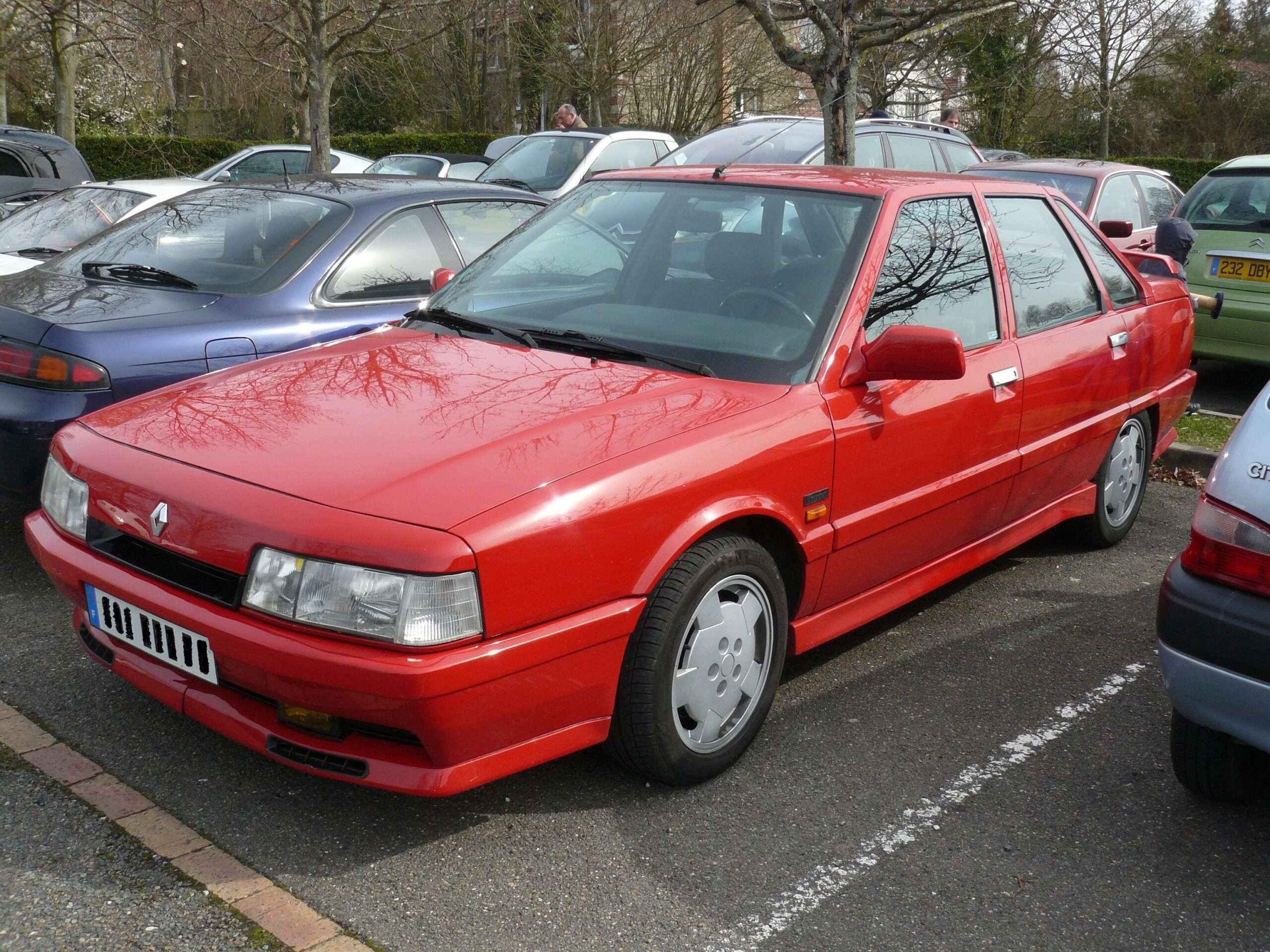
Renault 21 Turbo
A 175hp family saloon that served the gendarmerie, won a French touring-car title and set remarkable speed records on ice.
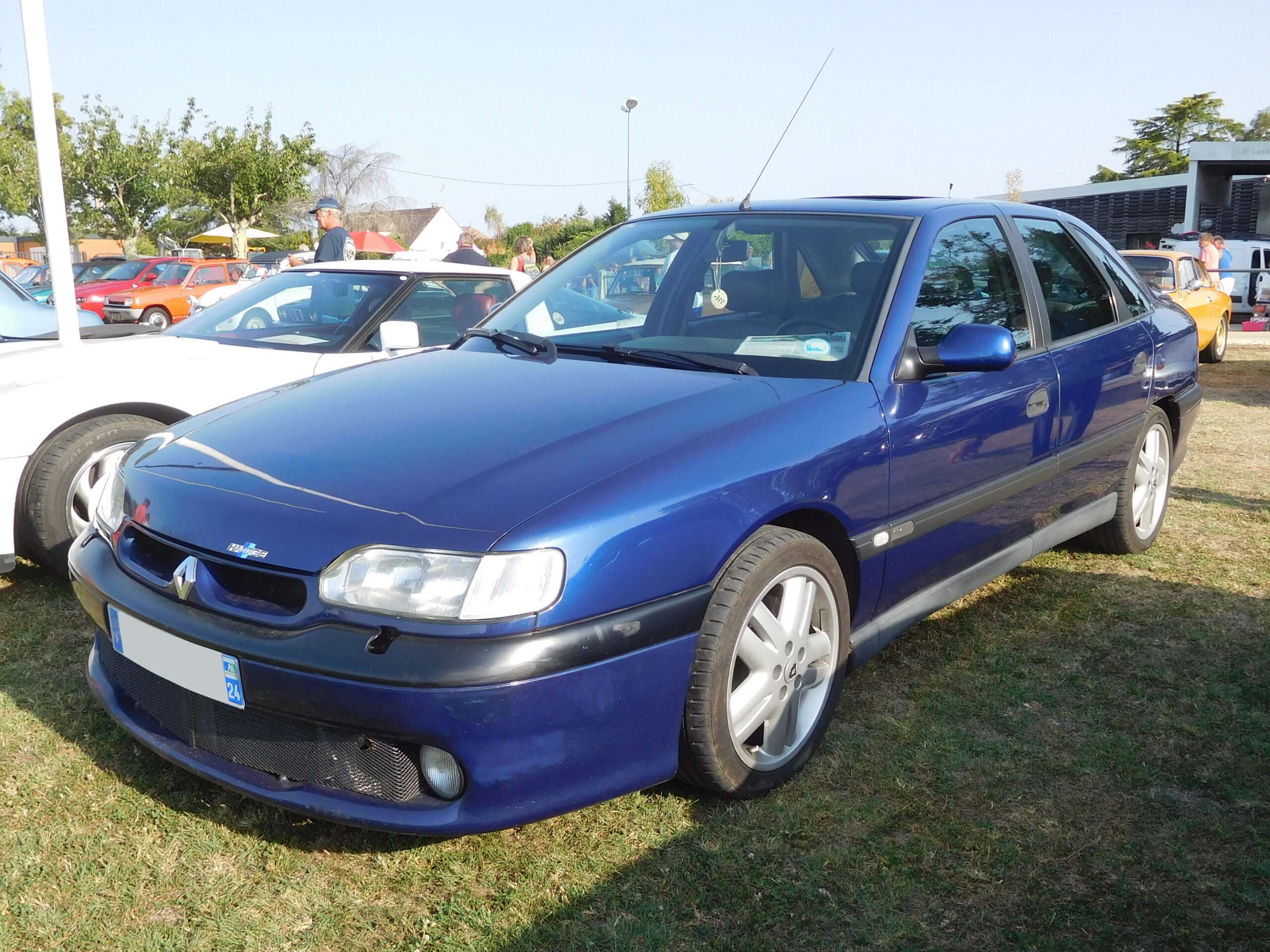
Renault Safrane Biturbo
Renault’s 268hp, four-wheel-drive flagship, developed with Hartge and Irmscher and limited to only 806 examples.

Renault 11 Turbo
The discreet 1980s turbo hatchback that became a genuine Group A rally winner, with Phase 1 and Phase 2 differences explained.

Renault Sport Spider
Renault Sport’s aluminium-bodied roadster: lightweight construction, Clio Williams power and the uncompromising Trophy race series.
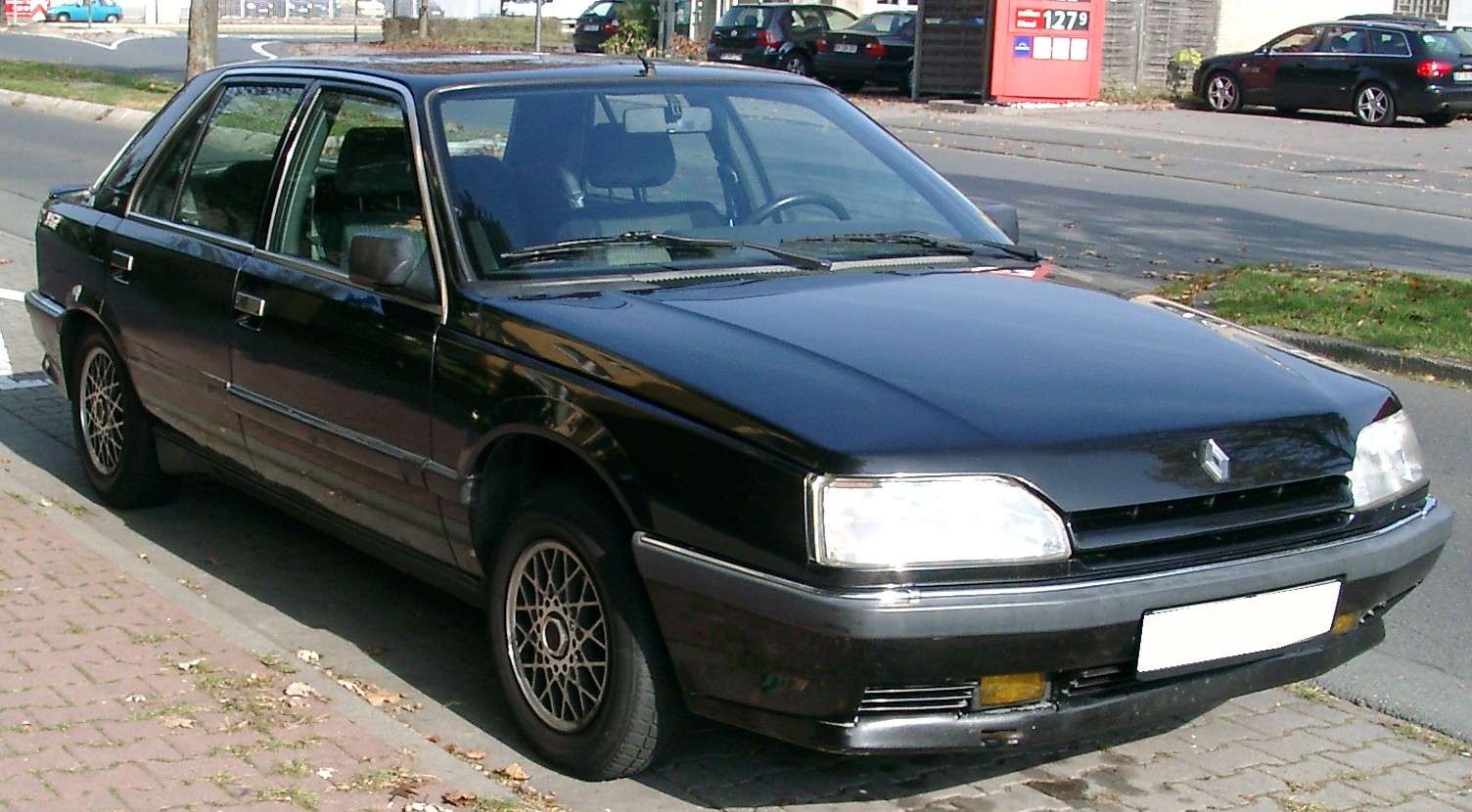
Renault 25 V6 Turbo
France’s turbocharged executive flagship, combining PRV V6 power, front-wheel drive, Baccara luxury and unmistakable 1980s technology.
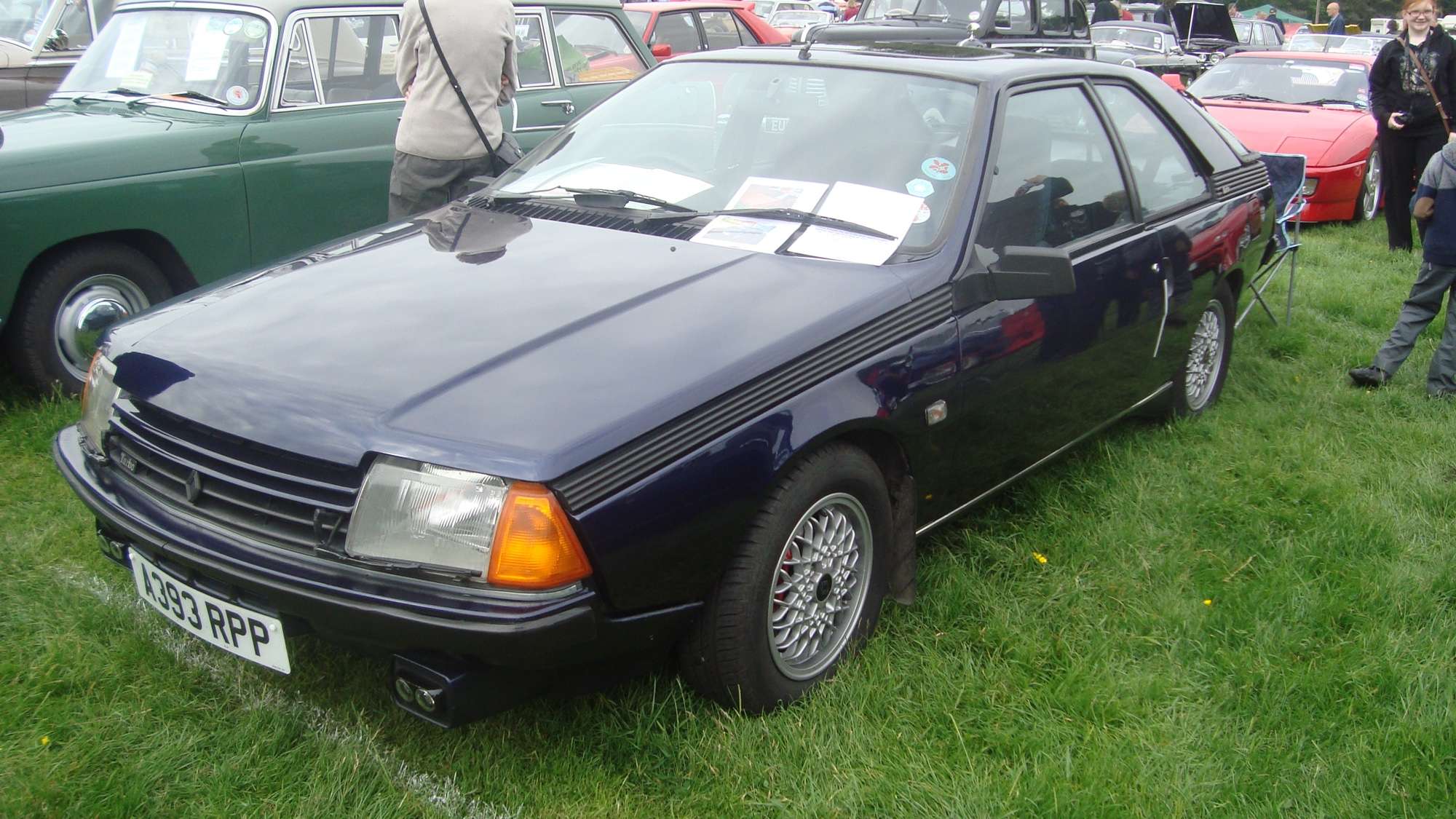
Renault Fuego Turbo
The aerodynamic four-seat coupé that paired turbocharged performance with pioneering remote central locking and a dramatic glass hatch.
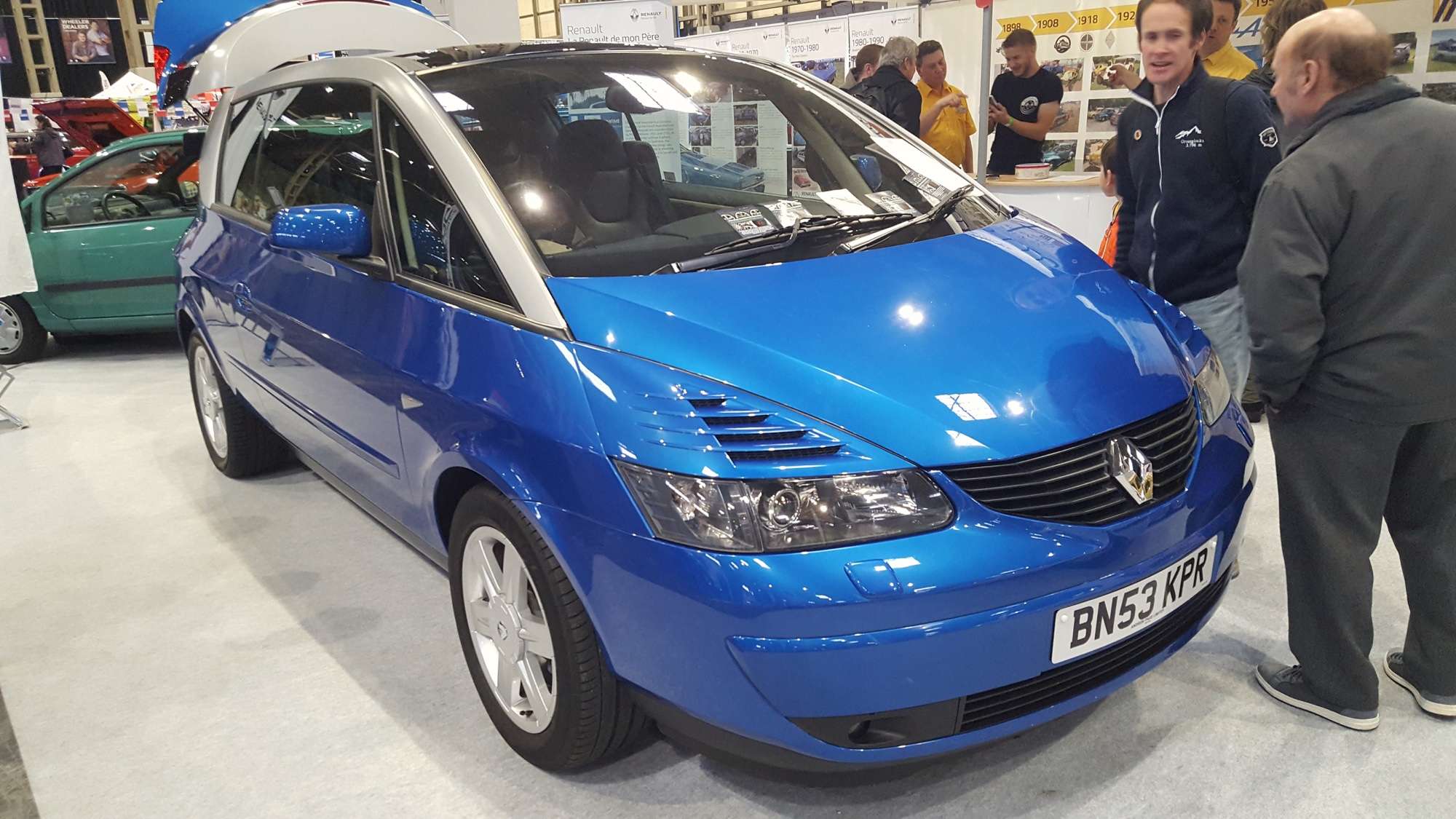
Renault Avantime V6
Matra’s radical two-door coupéspace, complete with pillarless glazing, double-hinged doors and a 3.0-litre V6 flagship.

Renault Clio V6: Phase 1 and Phase 2
The mid-engined, rear-wheel-drive Clio transformed from TWR’s demanding 226hp original into Renault Sport’s extensively reworked 255hp Phase 2.
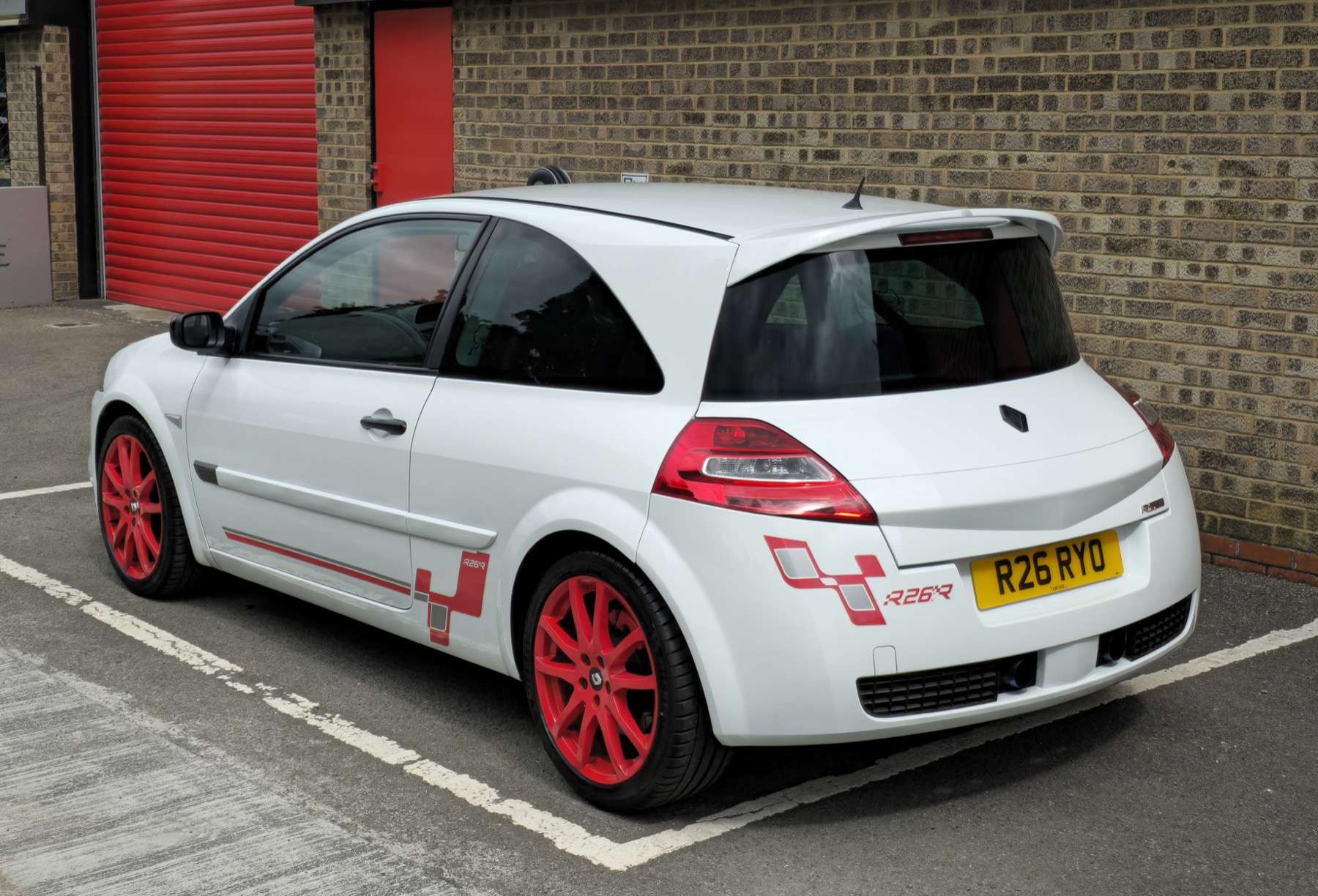
Renault Mégane R26 and R26.R
The limited-slip R26 and stripped, carbon-bonneted R26.R that established Renault Sport’s Nürburgring record tradition.
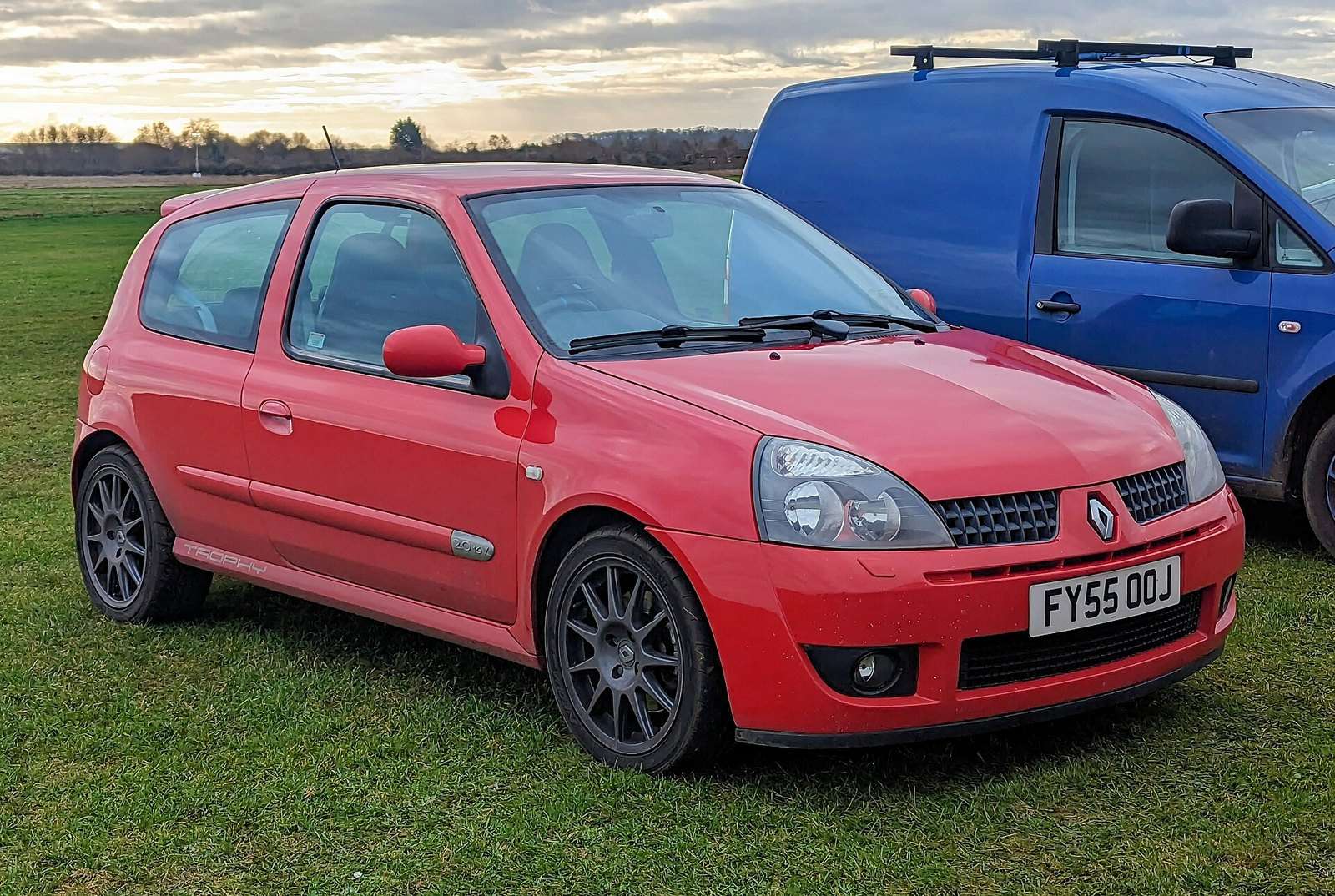
Renault Clio 172 and 182
From the original 172 to the Cup and Sachs-damped Trophy: versions, maintenance and buying checks.
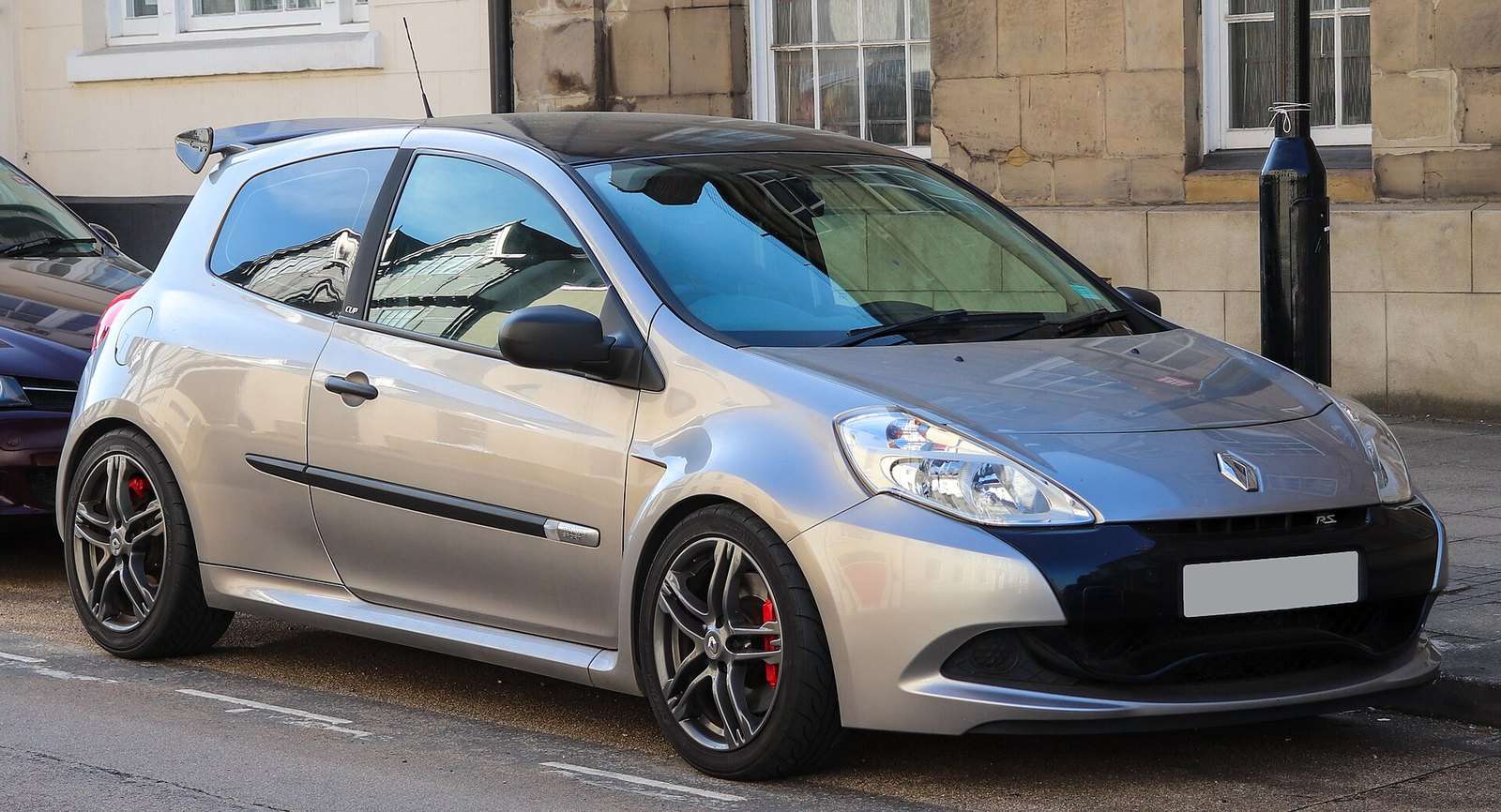
Renault Clio 197 and 200
The six-speed, Brembo-braked generation, including Cup, R27 and Gordini versions.
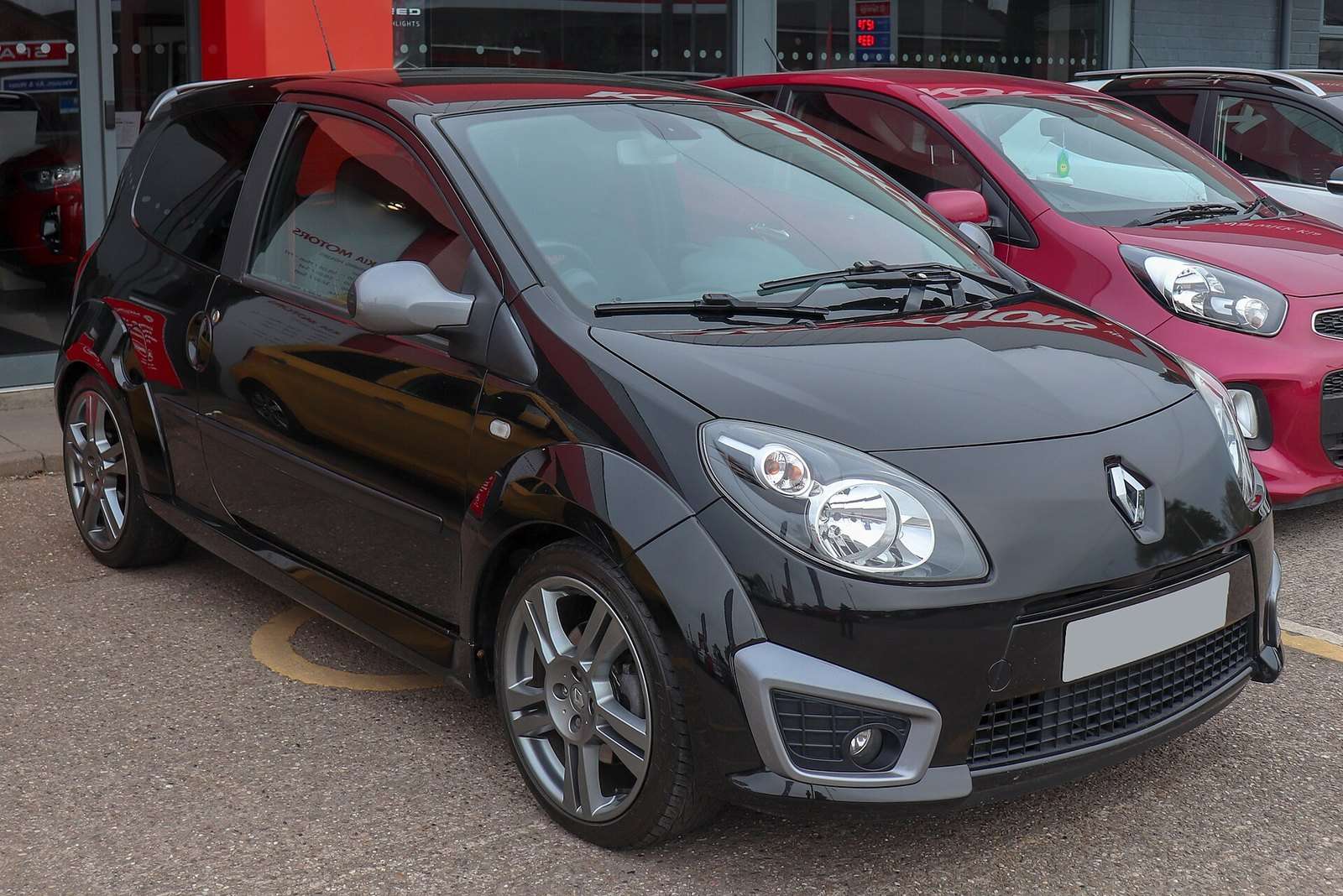
Renault Twingo Renaultsport 133
Renaultsport’s smallest UK hot hatch, with standard, Cup, Gordini and facelift versions.
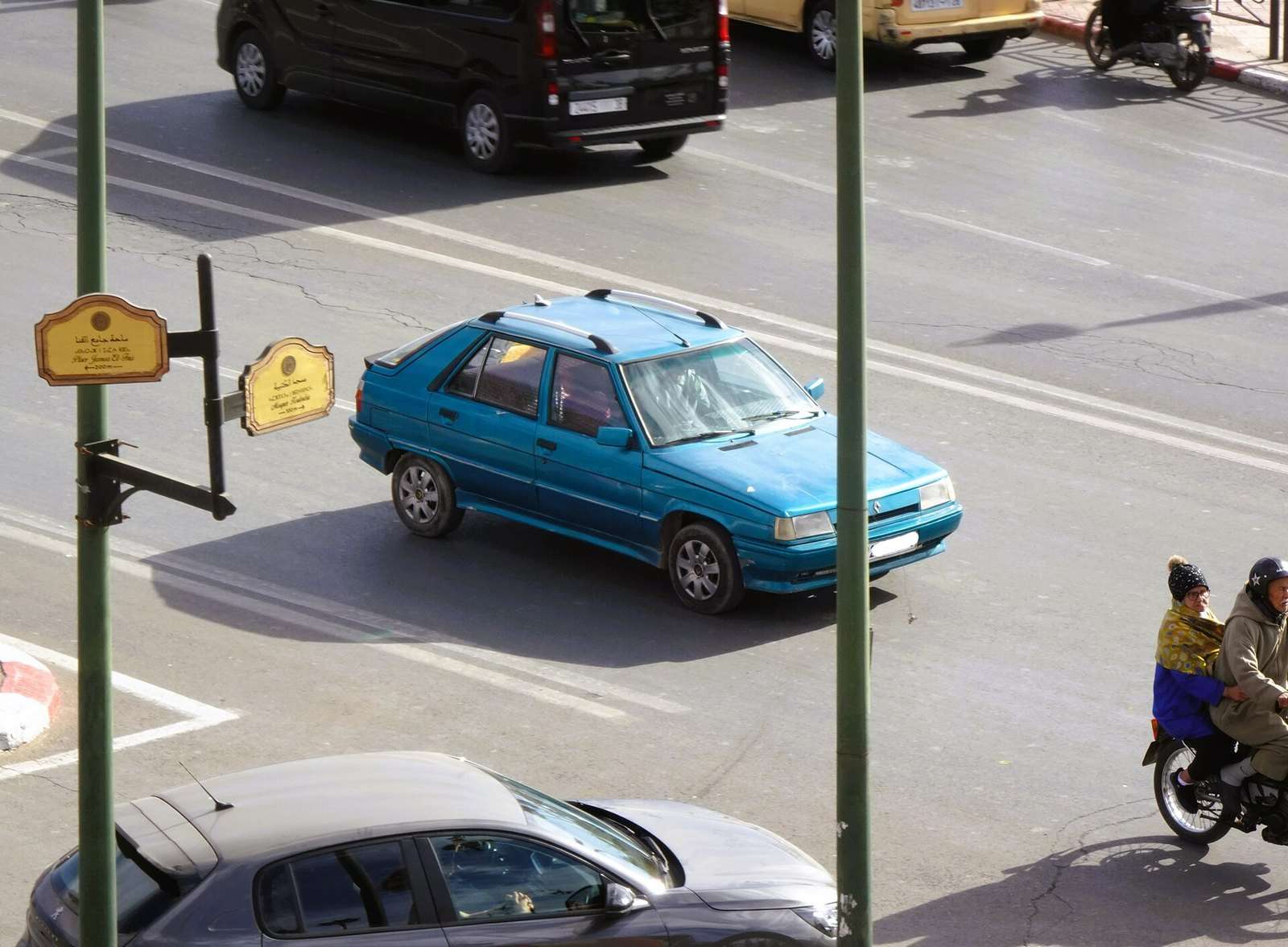
Renault 19 16V and Chamade
The F7P-powered hatchback, Chamade saloon, Phase 2 and Karmann-built Cabriolet.
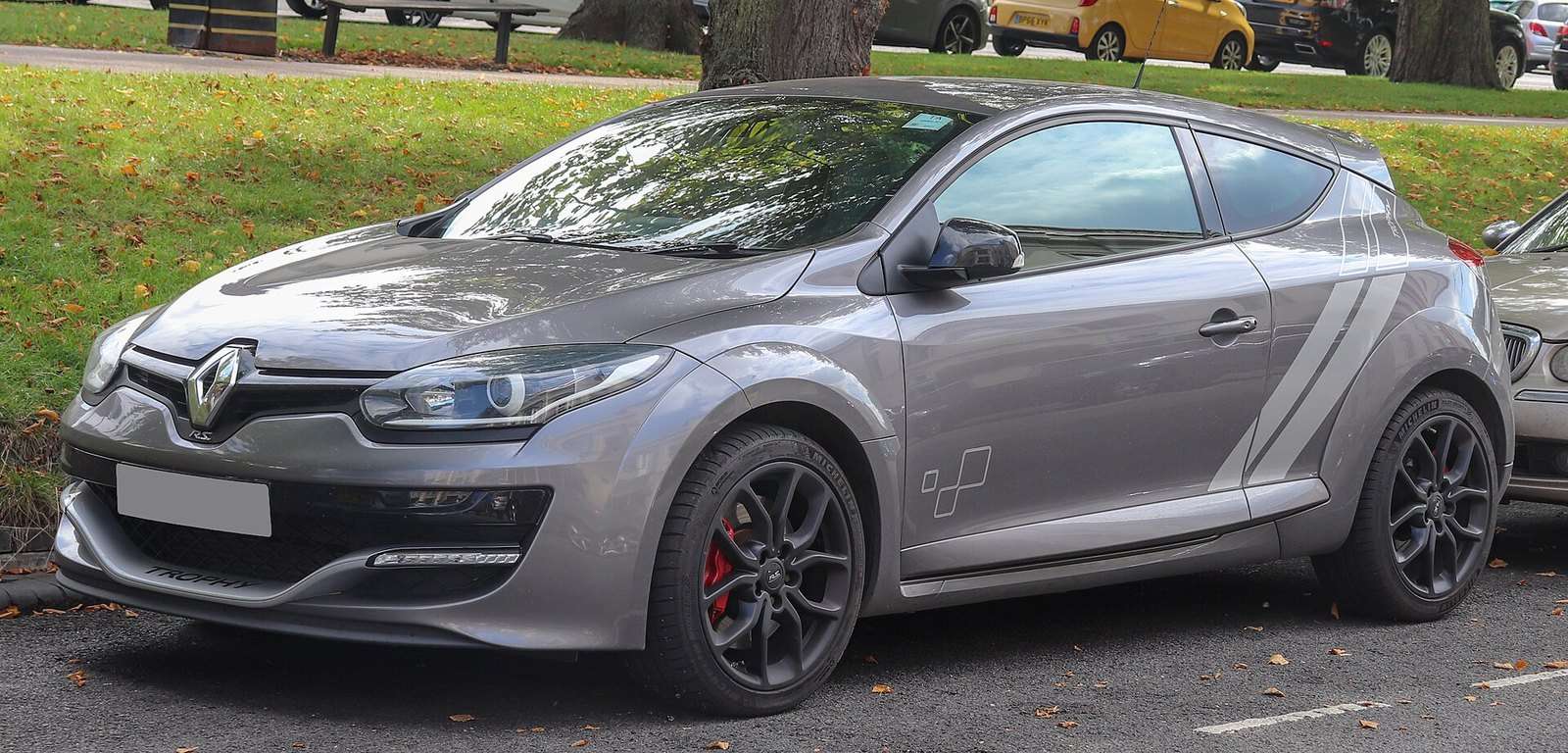
Renault Mégane RS 250, 265 and 275
The Mégane III RS story from 250 to 275, including Cup chassis, Trophy and Trophy-R buying checks.

Renault Clio RS 200 and 220 Trophy EDC
The turbocharged five-door Renaultsport Clio, its EDC gearbox, Cup chassis and 220 Trophy evolution.

Renault 8 Gordini
The genuine R1134 and R1135 Gordinis, rally history, specifications, authenticity and buying checks.

Renault Vel Satis V6 and 3.0 dCi
Renault's unconventional UK flagship, including the 3.5 V6 petrol and 3.0 dCi diesel versions.
Love cars you don’t see every day?
Get forgotten cars, surprising motoring stories and the most interesting finds from Unusual Cars by email.
Free to join. No spam. Unsubscribe whenever you like. See our privacy policy.
Twenty different interpretations of Renault character
The Renault 5 Turbo and Clio V6 moved their engines behind the occupants, while the GT Turbo, 11 Turbo and Renaultsport hatchbacks extracted remarkable pace from compact front-driven platforms. The Renault 8 Gordini helped democratise competition, the 21 Turbo and Safrane Biturbo made larger cars unexpectedly rapid, and the Fuego, Avantime, Sport Spider and Vel Satis explored entirely different shapes and engineering ideas.
Frequently asked questions
Which Renault performance car should I start with?
The Clio 172/182 is the most accessible modern starting point, while the Clio Williams, Renault 5 Turbo and Sport Spider represent very different earlier approaches.
Did Renault sell both front- and rear-engined performance cars?
Yes. Most Renault performance cars are front-engined and front-wheel drive, but the Renault 5 Turbo and Clio V6 place their engines behind the occupants.
What does Cup mean on a Renaultsport model?
Cup can describe a firmer chassis option or a distinct lighter derivative, depending on model and year, so the original specification should always be verified.
Which Renault guide covers the rarest flagship?
The Safrane Biturbo guide covers the 268hp four-wheel-drive flagship developed with Hartge and Irmscher.
Are these guides focused on UK-market cars?
Yes. The histories and buying guidance prioritise versions sold or officially supported in Britain, while explaining important European derivatives where relevant.