UNUSUAL CARS MODEL GUIDE
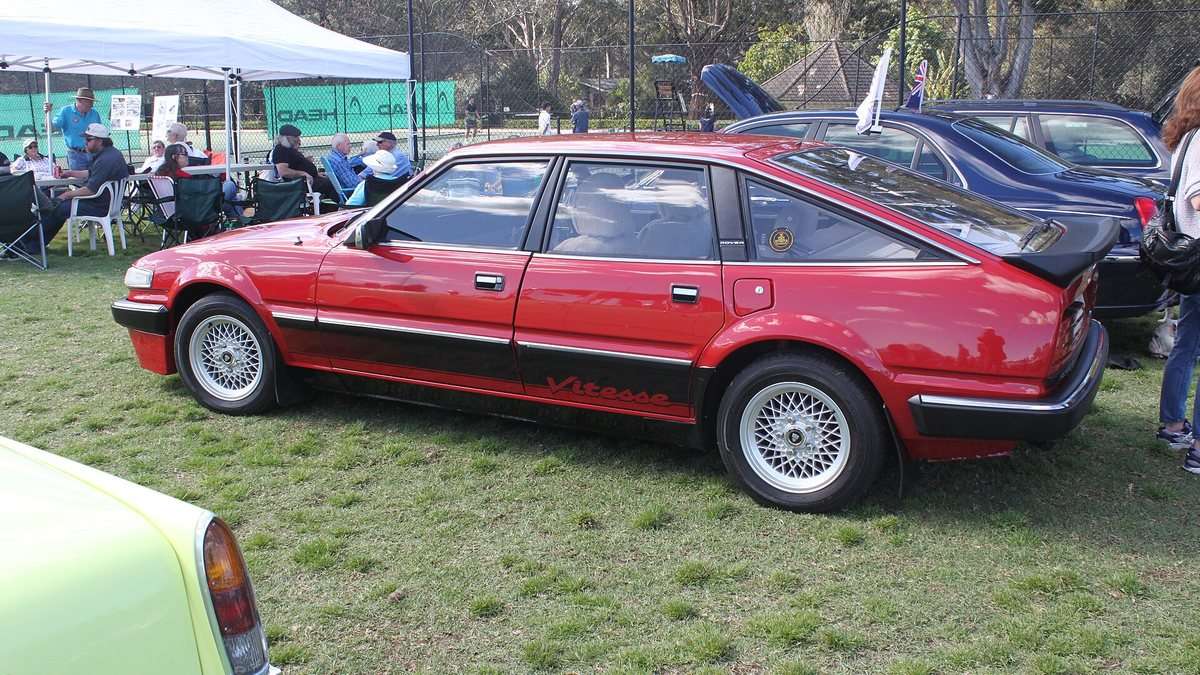
The Rover SD1 Vitesse was the fuel-injected performance flagship of Rover’s large hatchback range. Introduced in 1982, it combined the 3.5-litre Rover V8 with Bosch electronic fuel injection, firmer chassis tuning and restrained aerodynamic changes, then became one of the defining British touring cars of the decade.
Quick answer: a standard UK Vitesse is generally quoted at 190bhp, driving the rear wheels through a five-speed manual gearbox. Late Twin Plenum cars used a revised induction system developed for homologation. Identity, corrosion and prior competition-style modification are the central buying issues.
How the SD1 changed Rover
Launched in 1976 as the Rover 3500, the SD1 replaced both the P6 and Triumph 2000/2500 families within British Leyland. David Bache’s five-door fastback body gave Rover a modern executive shape, while a front-mounted V8, live rear axle and rear-wheel drive kept the mechanical layout comparatively straightforward.

What made the Vitesse different?
The Vitesse added Lucas-Bosch electronic fuel injection to the aluminium Rover V8, raising output and sharpening response. It also received performance-oriented suspension, alloy wheels, front and rear spoilers and model-specific trim. The combination created a fast executive hatchback without abandoning the SD1’s space and long-distance role.

Standard and Twin Plenum cars
| Version | Main distinction | Buyer’s note |
|---|---|---|
| SD1 Vitesse | Fuel-injected 3.5-litre V8, five-speed manual, spoilers and performance chassis specification | Check that engine, injection, wheels and trim agree with chassis and build records |
| Vitesse Twin Plenum | Twin-throttle induction arrangement created for competition homologation | Rare and frequently replicated; documentary provenance is essential |
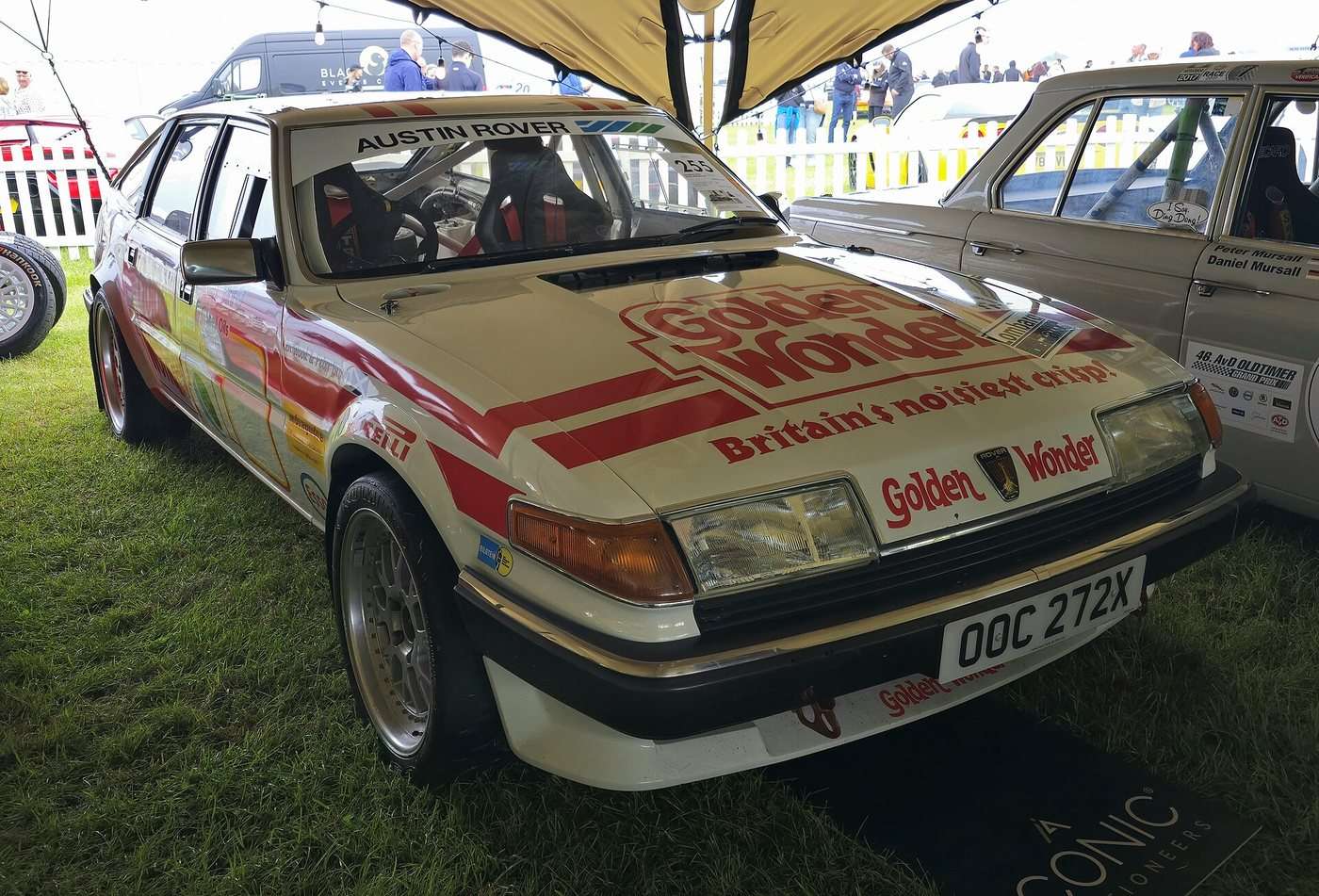
| Modified or competition-inspired car | May use later engine, injection, brakes, suspension or TWR-style bodywork | Value the quality and documentation of the work separately from originality |
Touring-car and rally success
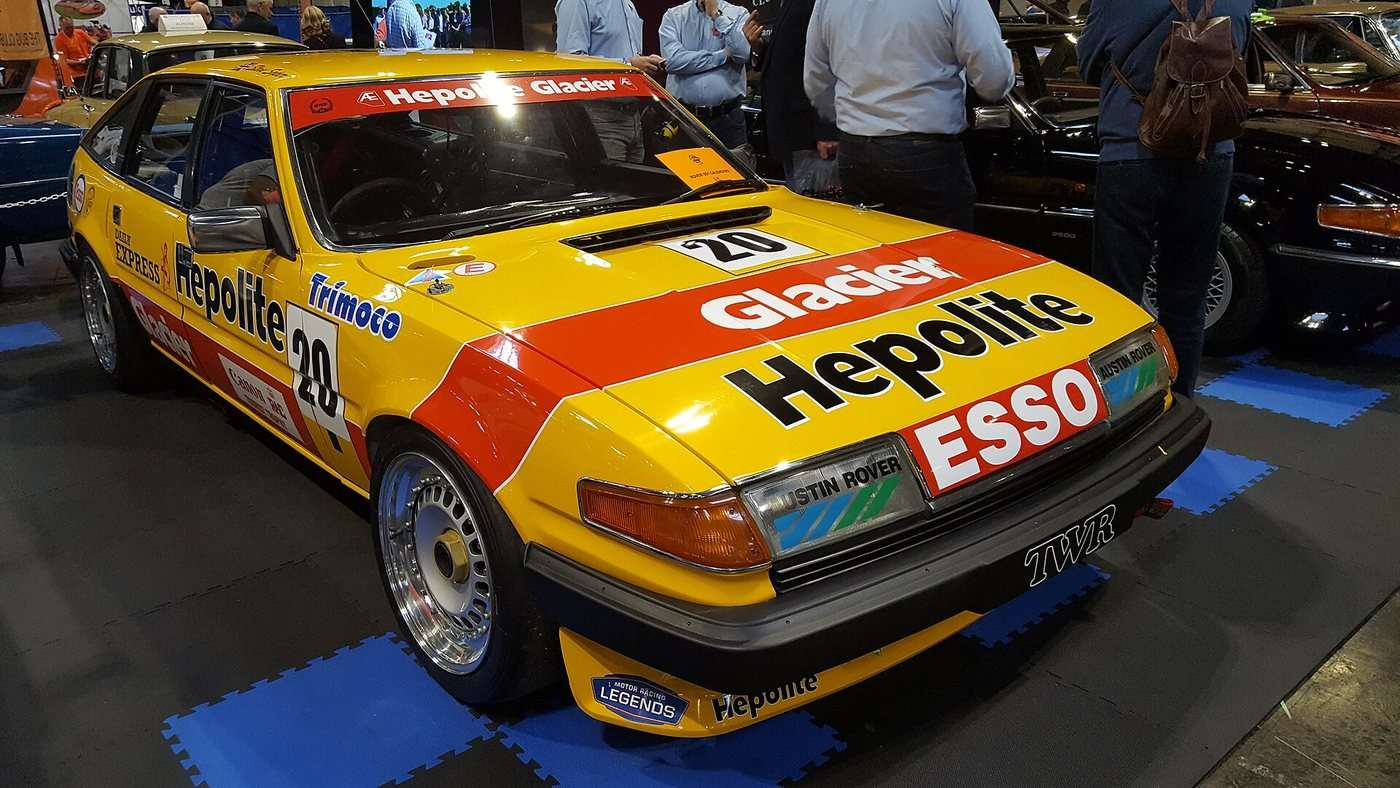
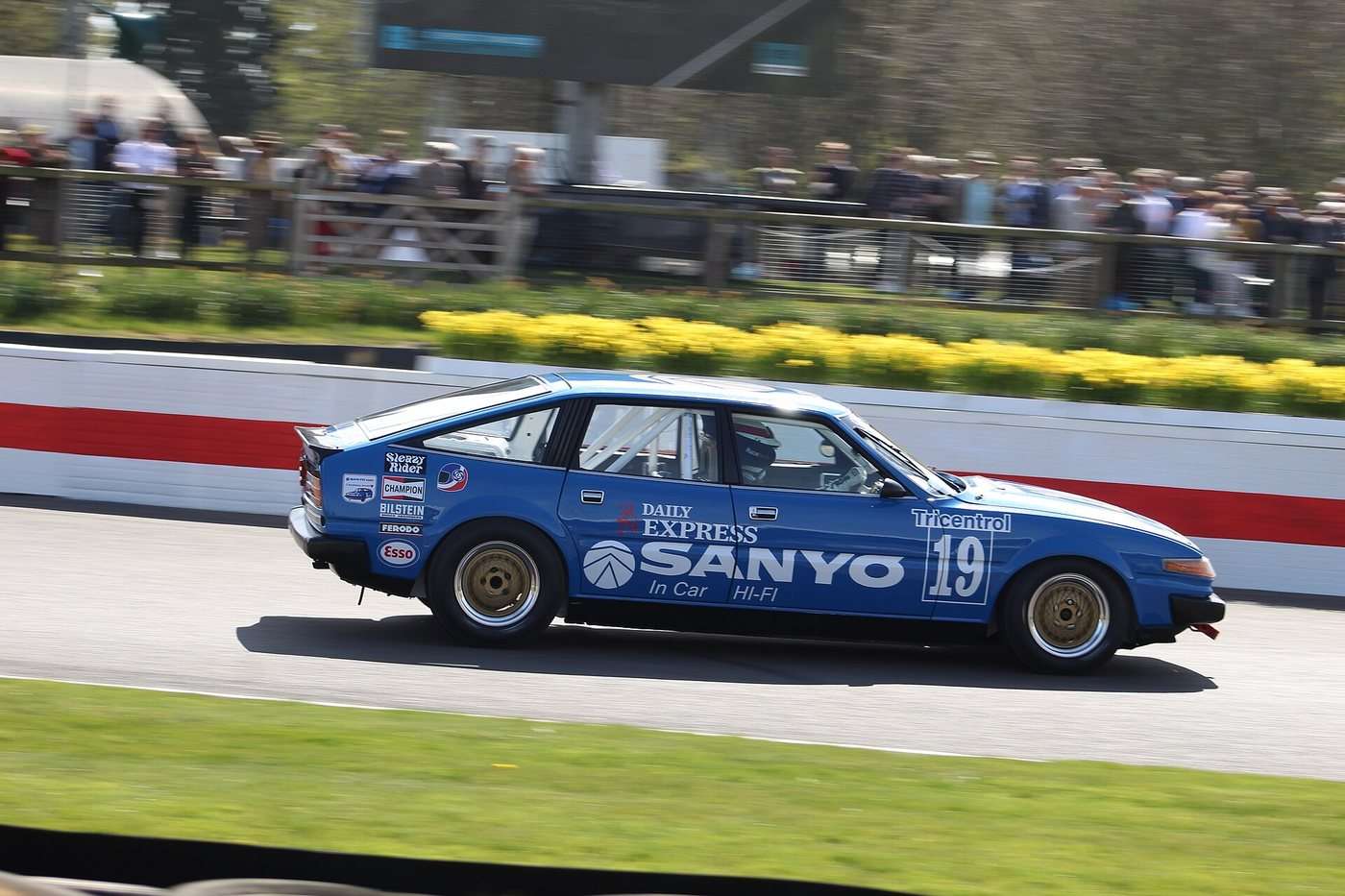
The SD1 Vitesse competed extensively in Group A touring-car racing and international rallying. TWR-developed cars became especially prominent in European touring-car competition, while the model also built a powerful reputation in Britain and Australia. Competition results and later eligibility decisions can be complex, so individual claims should be tied to the relevant championship and season.

Love cars you don’t see every day?
Get forgotten cars, surprising motoring stories and the most interesting finds from Unusual Cars by email.
Free to join. No spam. Unsubscribe whenever you like. See our privacy policy.
Rover SD1 Vitesse buying guide
Corrosion and structure
Inspect the windscreen and tailgate apertures, roof edges, scuttle, inner wings, bulkhead, sills, jacking points, floor, rear suspension mounts and spare-wheel well. A glossy exterior can conceal structural corrosion and poor earlier repairs.
V8 engine and fuel injection
Check oil pressure hot, listen for valvetrain noise and look for overheating, coolant loss and crankcase fumes. The injection system should start cleanly and deliver smooth response; air leaks, tired sensors and altered wiring can create difficult faults.
Gearbox, axle and suspension
The five-speed gearbox should select cleanly without bearing noise. Listen for differential whine and driveline vibration, then inspect bushes, dampers, steering, wheel bearings and brakes. Competition-style upgrades need invoices and sensible road calibration.
Interior and electrical systems
Dashboard plastics, headlining, seats and Vitesse-specific trim can be difficult to replace. Test instruments, heater, windows, central locking, lights and wipers, and inspect past alarm or stereo wiring.
The unusual SD1 estate
British Leyland constructed estate prototypes, but they did not become a series-production model. Their survival highlights how adaptable the SD1 package was and provides a fascinating contrast with the production Vitesse hatchback.
Research sources
Continue the MG and Rover story
Explore the Rare & Performance MG and Rover hub, then compare the MG Metro 6R4 guide and the MG ZT 260 and Rover 75 V8 guide.
Frequently asked questions
When was the Rover SD1 Vitesse introduced?
The fuel-injected Vitesse joined the SD1 range in 1982.
How much power does a Rover SD1 Vitesse have?
The standard UK car is generally quoted at 190bhp, although competition and modified engines vary widely.
What is a Twin Plenum Vitesse?
It is a late homologation derivative with a twin-throttle induction system developed to support competition use.
Was the Rover SD1 Vitesse rear-wheel drive?
Yes. It used a front-mounted V8, five-speed manual gearbox and rear-wheel drive.
What are the main SD1 Vitesse buying checks?
Verify identity, inspect the structure thoroughly for rust, and check V8 cooling and oil pressure, injection, gearbox, axle, suspension, electrics and trim completeness.