The Datsun 280ZX took the Z-car in a more refined grand-touring direction without abandoning its straight-six engine or rear-wheel drive. Survivors can be rewarding classics, but corrosion, ageing fuel injection, neglected T-top seals and missing trim demand a careful inspection.
What is a Datsun 280ZX?
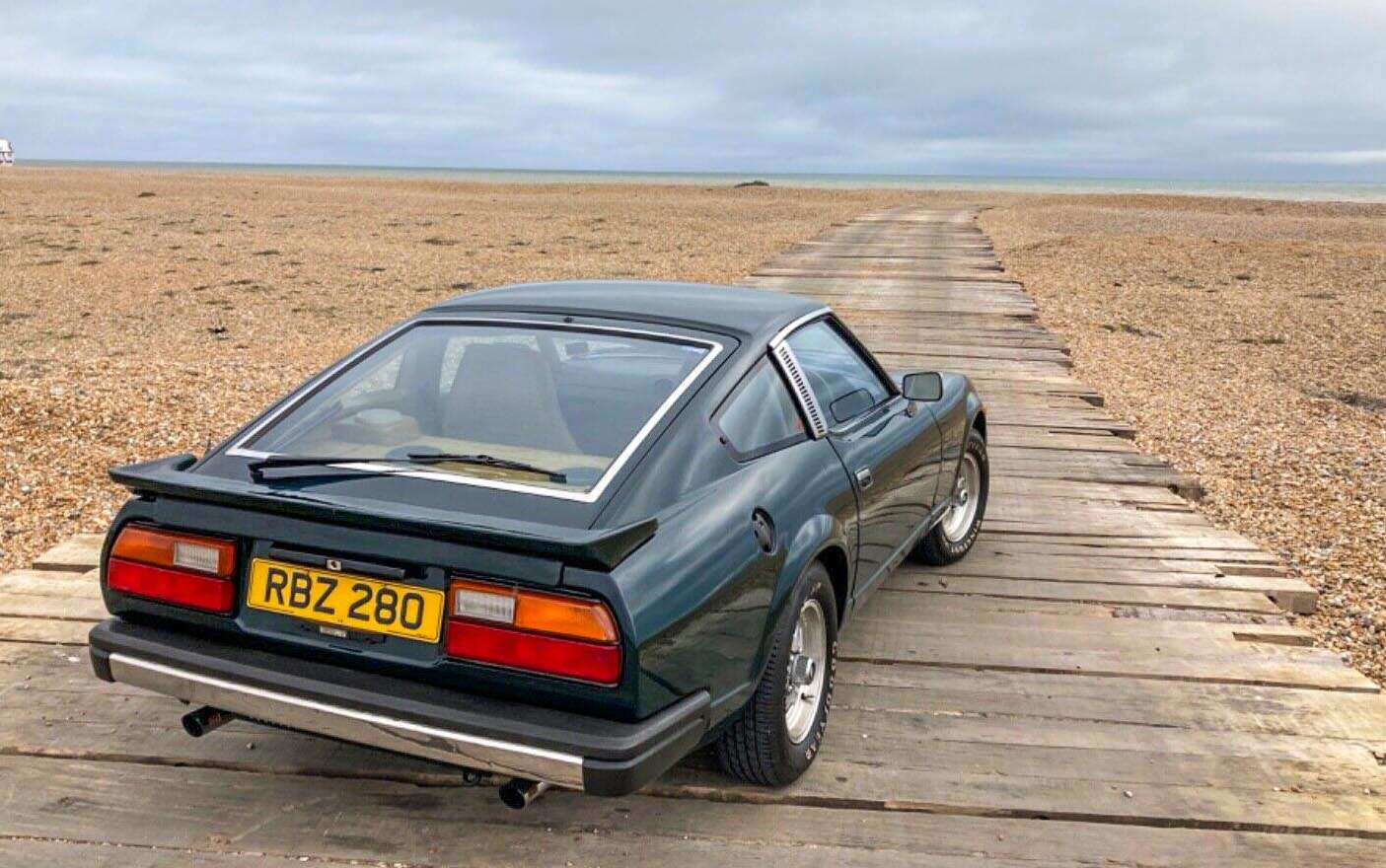
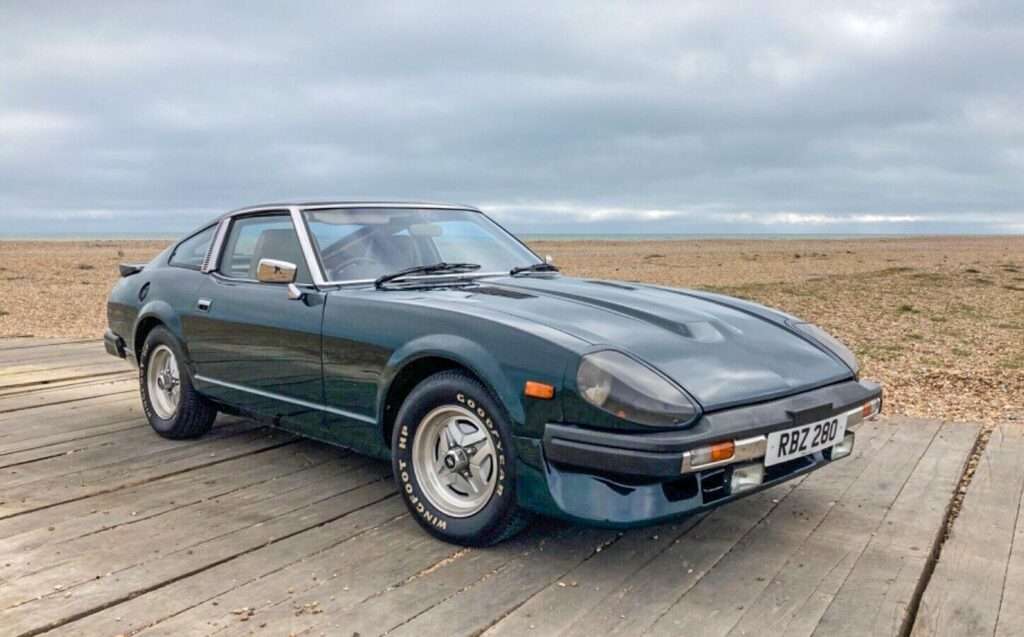
The 280ZX is the export-market name commonly applied to the second-generation S130 Z-car. Nissan introduced the S130 in 1978 as the successor to the S30-generation 240Z, 260Z and 280Z. It retained a front-mounted inline-six engine and rear-wheel drive, while adding more comfort, equipment and grand-touring character.
Nissan’s Heritage Collection records the 2.8-litre L28E engine, independent front-strut and rear semi-trailing-arm suspension, and disc brakes at both ends on its representative 1981 Fairlady 280Z-T. Exact power, transmission and equipment figures varied by year and country, so an individual car should be identified by its chassis, engine and market specification.
Two-seater, 2+2 and T-top versions
| Version | How to recognise it | Buying considerations |
|---|---|---|
| Two-seater | Shorter wheelbase and cabin, with luggage space behind two seats. | Often sought for its proportions; confirm it has not merely been described as a two-seater in error. |
| 2+2 | Longer wheelbase and roofline with small rear seats. | Extra practicality and different proportions; inspect the longer shell and rear cabin carefully. |
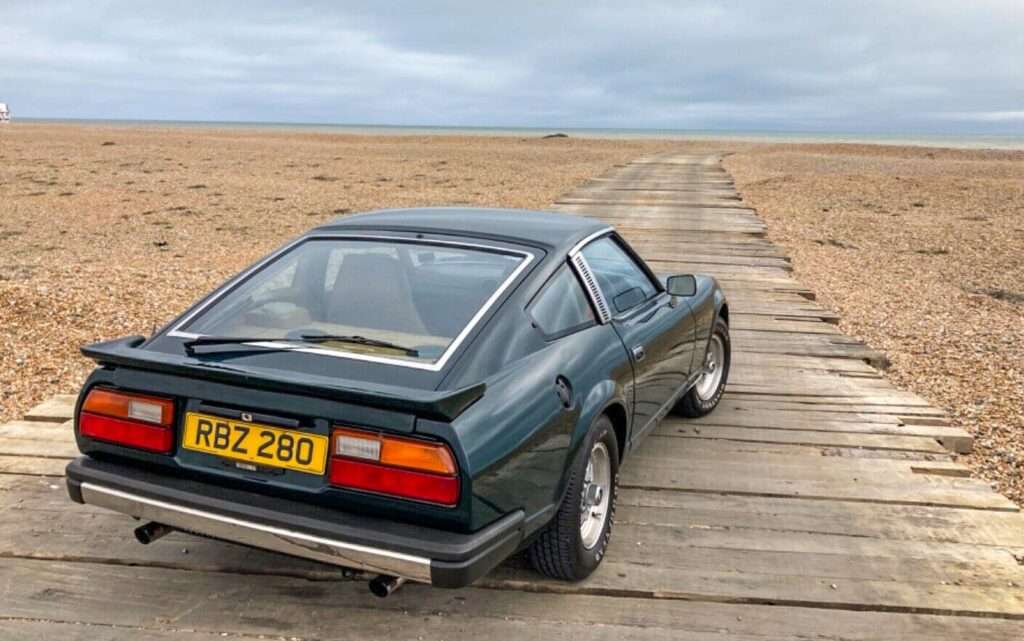
| T-top | Removable roof panels separated by a central structure. | Check seals, latches, drains, storage bags and evidence of water entry. Replacement roof trim can be difficult to source. |
| Fixed roof | Conventional unbroken steel roof. | Fewer seals to leak, but windscreen, hatch and body apertures still require careful inspection. |
Naturally aspirated and turbo 280ZX models
Most buyers will encounter naturally aspirated L28E-powered cars. Nissan also produced turbocharged S130 versions for certain overseas markets, but availability and specification differed by country. A 280ZX advertised in Britain as a Turbo may be an import, a later conversion or a car using components from another model.
Do not value a turbo claim from badges alone. Check the chassis and engine identity, import papers, build information, fuel and ignition equipment, installation quality and insurer’s record of modifications. For a converted car, establish who completed the work and whether its cooling, brakes, driveline and engine management were addressed as a complete package.
Where does a Datsun 280ZX rust?
Corrosion is the central buying risk. Examine a candidate on a lift in dry conditions and treat recent underseal as a reason to look more closely, not as evidence that the shell is sound.
Front structure
Inspect chassis rails, crossmember and tension-rod mounting areas, inner wings, battery tray, suspension turrets and the lower edges of the front wings.
Sills and floors
Check inner and outer sills, jacking areas, floorpans, seat mounts and seams. Lift carpets where permitted and look for damp, patches and distorted lifting points.
Rear structure
Examine rear wheelarches, lower quarters, suspension mounting areas, rear valance, boot floor, spare-wheel well and fuel-tank surroundings.
Apertures and leaks
Inspect the windscreen, roof, doors, quarter windows and hatch aperture. On T-top cars, examine seals and drains and search the headlining, seats and carpets for staining.
L28E engine and fuel-injection checks
- Cold start: confirm the engine is cold, then watch for prolonged cranking, unstable idle, warning lights, smoke and persistent mechanical noise.
- Oil and coolant: inspect fluid condition and levels, search for leaks, and confirm stable temperature and pressure indications during a proper road test.
- Fuel injection: ageing connectors, hoses, earths, sensors and previous improvised repairs can cause poor running. Diagnose systematically instead of assuming the injection system itself must be replaced.
- Fuel system: inspect hoses, pump, filter, tank and lines. Any fuel smell or dampness requires immediate attention.
- Service history: look for evidence of routine oil, coolant, ignition and fuel-system maintenance rather than relying on low recorded mileage.
A compression or leak-down test may help when condition is uncertain, but readings should be interpreted by a specialist alongside cold-start behaviour, oil pressure, service evidence and road-test performance.
Gearbox, automatic transmission and differential
Manual cars should select every gear cleanly when cold and warm, without clutch slip, jumping out of gear or excessive transmission noise. On an automatic, check fluid condition where the procedure allows and assess engagement, changes and kickdown during a sufficiently long test.
Listen for differential whine, driveline clunks and vibration on acceleration, steady throttle and overrun. Worn mounts, universal joints, bearings, tyres and wheels can all contribute, so avoid accepting a seller’s diagnosis without inspection.
Steering, suspension, brakes and tyres
The 280ZX should feel consistent and predictable. Excessive wandering, uneven assistance, knocks or vague response require investigation. Inspect steering joints, rack components, wheel bearings, dampers, springs and suspension bushes, and check that tyres match in size, type and age.
Braking should be straight and progressive. Examine discs, calipers, flexible hoses, hard lines, master cylinder and handbrake operation. Long storage can be as damaging to hydraulic components and tyres as high mileage.
Interior, electrics and T-top checks
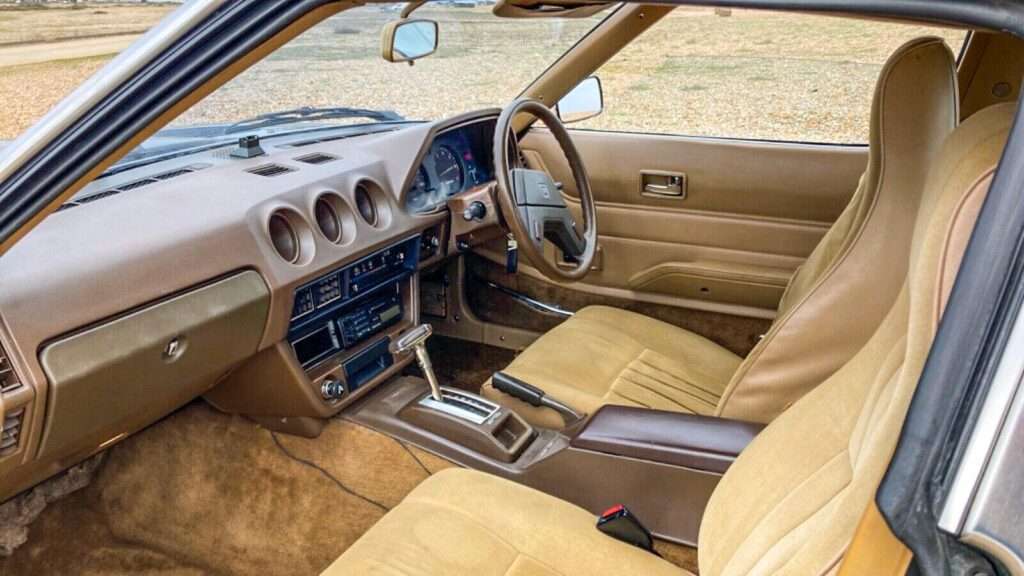
Operate every switch and accessory: lights, indicators, instruments, heater fan, ventilation controls, wipers, washers, windows, mirrors, aerial and any air-conditioning equipment. Intermittent electrical faults may come from poor earths, damaged connectors, old alarm installations or modified audio wiring.
Check the dashboard, seats, carpets, headlining, centre console, luggage trim and small fittings for condition and completeness. Model-specific interior parts can take patience to replace. On T-top cars, remove and refit both panels, inspect latches and seals, and verify that any covers or storage bags are present.
UK cars, imports and identity
Compare the stamped chassis identity and plates with the V5C. Establish whether the car was supplied in Britain or imported later, and inspect the associated dating, customs and registration documents. Specification differences can affect lighting, instruments, emissions equipment and parts ordering.
A private registration number does not prove model year. Check the manufacture and registration evidence, engine details, colour and recorded changes. If significant modifications are present, confirm that DVLA and the insurer have been informed where required.
Historic tax and MOT position
As of September 2026, GOV.UK states that vehicles built or first registered more than 40 years ago may be MOT-exempt if they have not been substantially changed. The keeper must make the relevant declaration, and the car must remain roadworthy even when exempt. Current tax-class eligibility follows separate rules and still requires the vehicle to be taxed.
Modified 280ZXs: what to verify
Period wheels, suspension changes, turbo conversions and engine swaps are common enough that originality varies widely. Modifications can improve a car, but only when engineered, documented and maintained properly.
- Check welding, fuel lines, cooling, wiring and hose routing around an engine conversion.
- Confirm wheel and tyre clearance through full steering and suspension movement.
- Establish whether brake and suspension changes suit the car rather than merely looking impressive.
- Ask for invoices, component specifications, setup records and removed original parts.
- Confirm all modifications have been disclosed to the insurer.
280ZX viewing checklist
Before travelling
Request the chassis details, underside photographs, cold-start confirmation, service summary and a complete list of modifications. Ask whether it is two-seat, 2+2, fixed-roof or T-top.
On the lift
Inspect rails, floors, sills, suspension points, brake and fuel lines, differential area, spare-wheel well and evidence of previous repairs.
On the road
Monitor temperature and instruments, test every gear, assess steering and braking, and listen during acceleration, cruising and overrun.
Before paying
Reconcile the identity and history, price missing trim and faults, confirm insurance, and obtain a written receipt listing the car, documents, spares and agreed claims.
Datsun 240Z versus 280ZX
The 240Z is the lighter-feeling original S30 concept; the 280ZX is its more refined S130 successor. The later car offers a different blend of comfort, equipment and touring ability rather than being a cheaper substitute for the 240Z. Buy according to the experience and condition you want, not simply the badge or asking price.
For an in-depth inspection of the earlier model, read our Datsun 240Z UK buying guide.
Frequently asked questions
Is the Datsun 280ZX the same as a 280Z?
No. The 280Z belongs to the first-generation S30 family, while the 280ZX is the second-generation S130 introduced after the Z-car’s first full model change.
Did every 280ZX have a turbo?
No. Naturally aspirated cars are common, while factory turbo availability varied by market. In Britain, verify whether a turbo car is an import, genuine factory version or later conversion.
Is the 280ZX a two-seater?
Both two-seat and longer-wheelbase 2+2 versions existed. Check the actual body and chassis rather than relying on a generic advertisement description.
Are T-tops always a problem?
Not necessarily, but seals, latches and drains deteriorate. Water entry can damage trim and promote corrosion, so inspect carefully and confirm the panels fit securely.
Does a 280ZX need an MOT?
Many are old enough to meet the age test for historic-vehicle exemption, but substantial changes and the individual vehicle’s circumstances matter. Check current GOV.UK guidance and remember that an exempt car must still be roadworthy.
Research note: model history and representative specifications were checked against Nissan’s Heritage Collection. UK historic-vehicle information was checked against GOV.UK in September 2026. Specifications varied by year and market; verify an individual car before purchase.