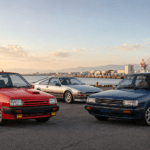
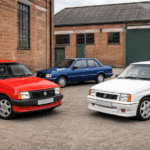
Classic Datsuns range from the sports cars that established Japan on the world stage to the Bluebirds, Sunnys, Cherrys, Laurels and pickups that earned loyal British owners through reliability and value.
Datsun and Nissan: understanding the name
Datsun was the export name familiar to generations of British buyers, while the manufacturer was Nissan. The change to Nissan branding took place progressively during the 1980s, so some transitional cars and registrations may display both identities. Treat model and chassis codes as more reliable identifiers than an easily changed badge.
Classic Datsun models
240Z, 260Z and S30
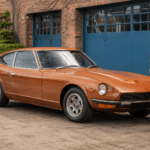
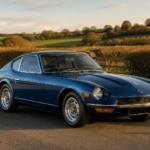
The original Z-car paired an inline-six engine with a practical fastback body. Nissan launched the Fairlady Z in 1969; export-market names and engine sizes varied.
Datsun 260Z
The larger-engined S30 bridged the 240Z and later Z-car generations, with two-seat and 2+2 versions depending on market.
Samuri 240Z
British Samuri cars have a specialist history and command a premium. Provenance, documentation and period details are essential.
280ZX and S130
The second-generation Z became a more refined grand tourer while retaining an inline-six engine and rear-wheel drive.
Bluebird
The name began in 1959 and covered several generations of saloon and estate. The sporting 510 and later turbo models built especially strong followings.
Sunny, 120Y and 140Y
Once everyday family transport, early Sunnys and Y-series cars are now difficult to find complete and unmodified.
Datsun pickups
Hard-working commercial models often survive through modification rather than preservation. Chassis condition and registration identity are central buying checks.
Other Datsuns worth knowing
The Cherry helped establish front-wheel-drive Datsuns, while Laurel offered six-cylinder comfort above the Sunny and Bluebird. Violet, Stanza and Silvia derivatives added further variety, and market names frequently differed. A comprehensive collection should represent the ordinary family cars as well as the Z-series heroes because low survival can make the former even harder to replace.
Classic Datsun buying checklist
- Identity: verify chassis and engine numbers, registration history and any import documents.
- Corrosion: inspect sills, floors, rails, suspension mounts, inner wings, arches and screen apertures.
- Previous repairs: look for distorted seams, excessive filler, overspray and recent underseal hiding older work.
- Mechanical condition: insist on a cold start and check oil pressure, cooling, smoke, gearbox operation and differential noise.
- Completeness: price missing lamps, brightwork, dashboards, seats, glass and model-specific badges before buying.
- Modifications: require invoices and engineering detail for engine swaps, suspension changes and brake conversions.
- Parts supply: identify exact part numbers; similarly named models may use different components by market and year.
Buying from a live listing
Listings are a useful way to understand availability and asking prices, but they are not inspections. Confirm the seller’s identity, view the car, compare documents with the chassis and arrange specialist help for valuable or heavily restored examples. For projects, estimate bodywork and missing-parts costs before being distracted by the purchase price.
Frequently asked questions
Are Datsun and Nissan the same company?
Yes. Datsun was a vehicle brand used by Nissan, especially for exports. Nissan branding progressively replaced it during the 1980s.
What is the most famous classic Datsun?
The 240Z is the best-known enthusiast model, but Bluebird, Sunny, Cherry, Laurel and pickup families are equally important parts of the marque’s history.
Are classic Datsun parts difficult to find?
Availability varies greatly. Popular Z models have specialist support, while trim and body parts for lower-volume saloons and estates may require patient international searching.
Research note: key launch dates and model history were checked against Nissan’s Heritage Collection. UK specifications and names varied by year and market.