UNUSUAL CARS MODEL GUIDE
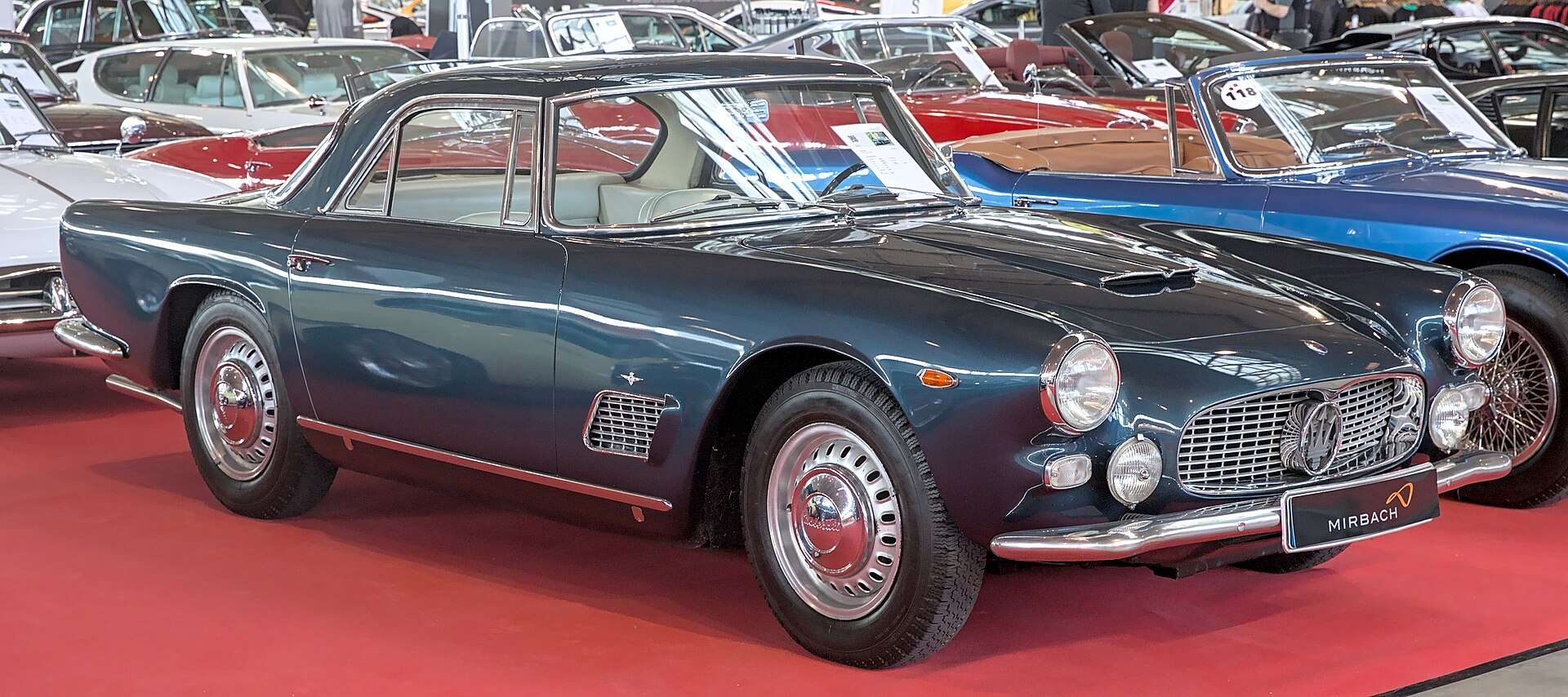
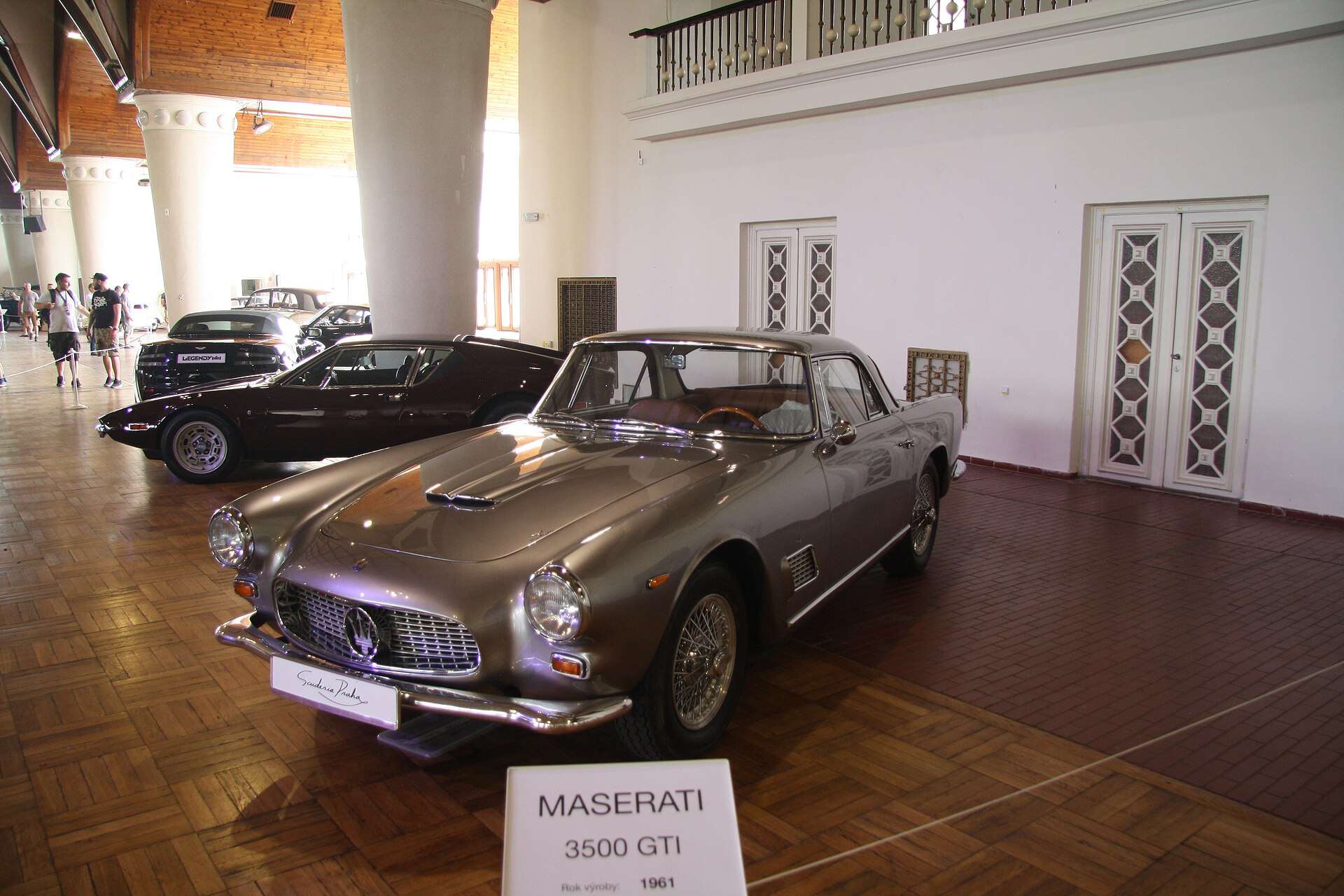
The Maserati 3500 GT transformed Maserati from a low-volume racing-car constructor into a viable producer of refined road-going grand tourers. Introduced in 1957 with Touring’s aluminium Superleggera coupé body and a road-developed version of Maserati’s twin-cam racing six, it gained Lucas mechanical fuel injection in 1961 and became the 3500 GTI.
Quick answer: Maserati built 937 carburetted 3500 GT coupés and 441 fuel-injected 3500 GTIs between 1957 and 1964. Buying one demands expert attention to the tubular chassis, aluminium body, straight-six engine, Lucas injection, gearbox, axle, brakes and historical identity. Restoration quality matters more than cosmetic shine.
Featured image: Maserati 3500 GTI Touring coupé. Photograph by Alexander Migl, CC BY-SA 4.0, via Wikimedia Commons; locally hosted.
The road car that secured Maserati’s future
Maserati showed the production 3500 GT at Geneva in 1957 as the company shifted emphasis from factory racing to road cars. Touring used its Superleggera method: an aluminium outer skin supported by a fine tubular framework over the main chassis. The result combined elegant proportions, four-seat touring ability and genuine competition-derived engineering.
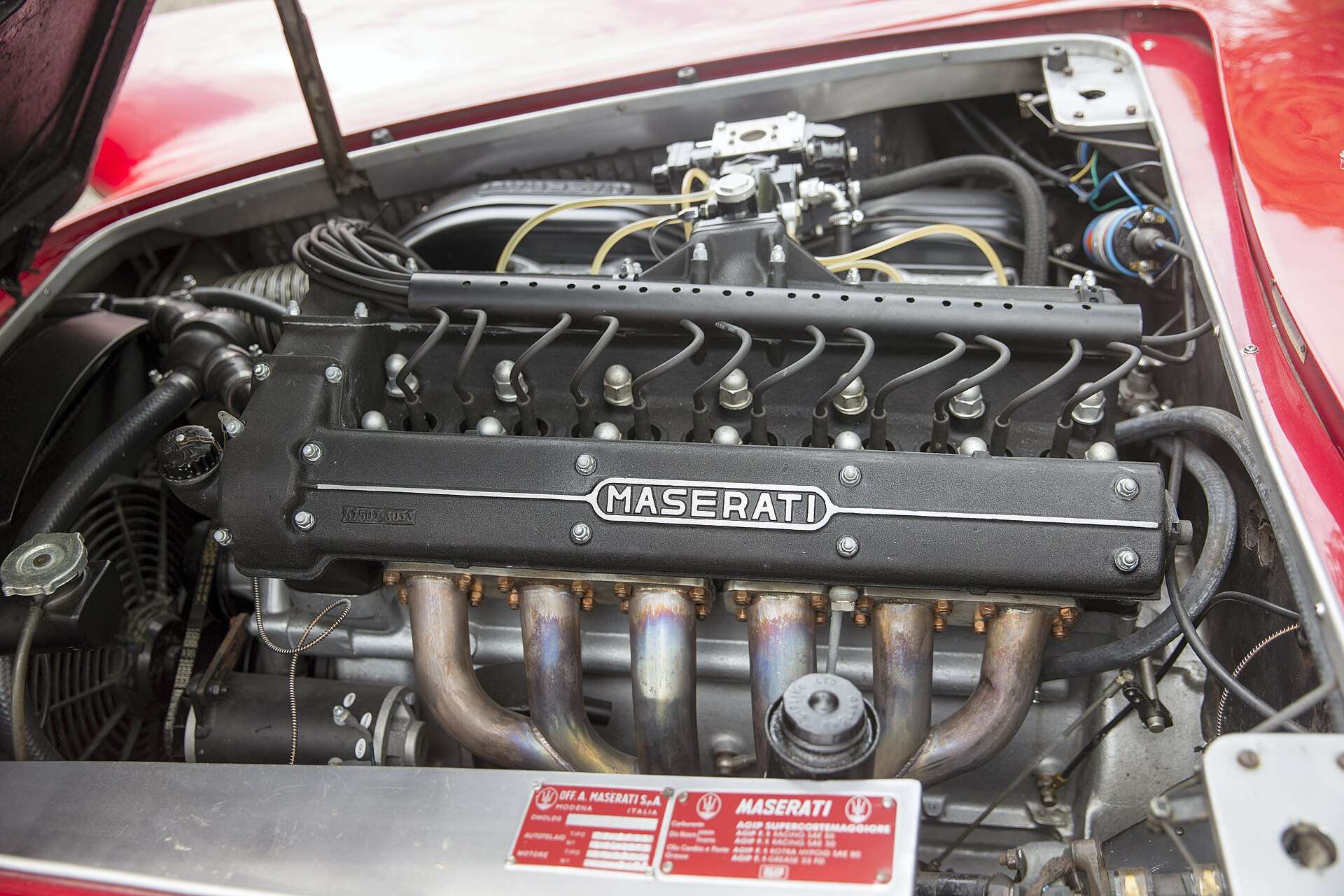
The engine traced its architecture to the 350S sports racer but was civilised with wet-sump lubrication and road-focused tuning. Maserati combined Italian components with proven British equipment, including Girling brakes, a Salisbury rear axle and Alford & Alder suspension parts.
3500 GT and fuel-injected GTI
Early coupés used three Weber carburettors and produced 220hp. In 1961 Lucas mechanical fuel injection lifted quoted output to 235hp and added the “I” suffix, making the 3500 GTI one of the first Italian production cars with petrol injection. A four-speed ZF gearbox gave way to a five-speed unit from 1960; a three-speed automatic was optional.
| Specification | 3500 GT | 3500 GTI |
|---|---|---|
| Production | 1957–1964 | 1961–1964 |
| Fuel system | Triple Weber carburettors | Lucas mechanical injection |
| Power | 220hp | 235hp |
| Top speed | 215km/h | 220km/h |
| Number produced | 937 | 441 |
Front disc brakes became optional in 1959 and later cars gained four-wheel discs. Detail specifications changed over seven years, so chassis number, build sheets and physical components must be reconciled rather than relying on registration date alone.
Love cars you don’t see every day?
Get forgotten cars, surprising motoring stories and the most interesting finds from Unusual Cars by email.
Free to join. No spam. Unsubscribe whenever you like. See our privacy policy.
Body and chassis inspection
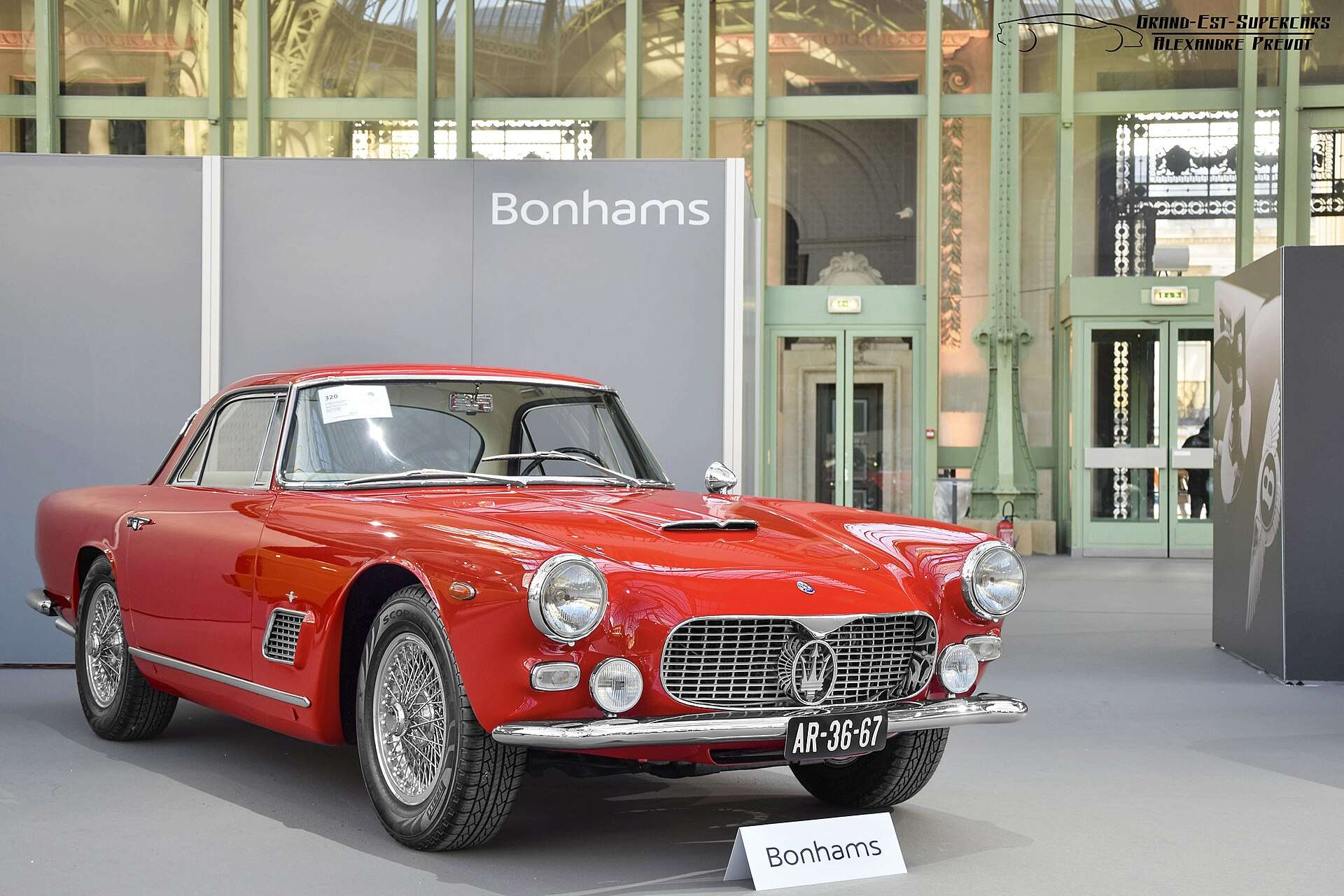
The aluminium body can hide expensive problems. Dissimilar-metal corrosion develops where aluminium skins meet steel supports, while the main tubular chassis and outriggers can corrode internally. Inspect sills, floors, bulkheads, suspension mounts, screen surrounds, door bottoms and all previous repairs with a specialist familiar with Superleggera construction.
Panel fit should be assessed against documented restoration work, not modern-car uniformity. Poorly shaped replacement panels, excess filler and blocked drains are warning signs. Chrome, glass, lamps and Touring-specific trim are costly to restore or replace.
Engine, injection and drivetrain
Check oil pressure, coolant temperature, smoke, leaks and timing-chain noise from cold through full operating temperature. Compression and leak-down figures help establish engine health. Carburettor cars require correct Weber set-up; injected cars need a specialist who understands the Lucas system rather than an improvised conversion.
Verify gearbox synchromesh, clutch operation, propshaft, Salisbury axle and wheel bearings. Brakes should pull up squarely and the steering should not wander. Originality is desirable, but high-quality period-correct upgrades documented in the history may be preferable to worn original components.
Identity, provenance and restoration quality
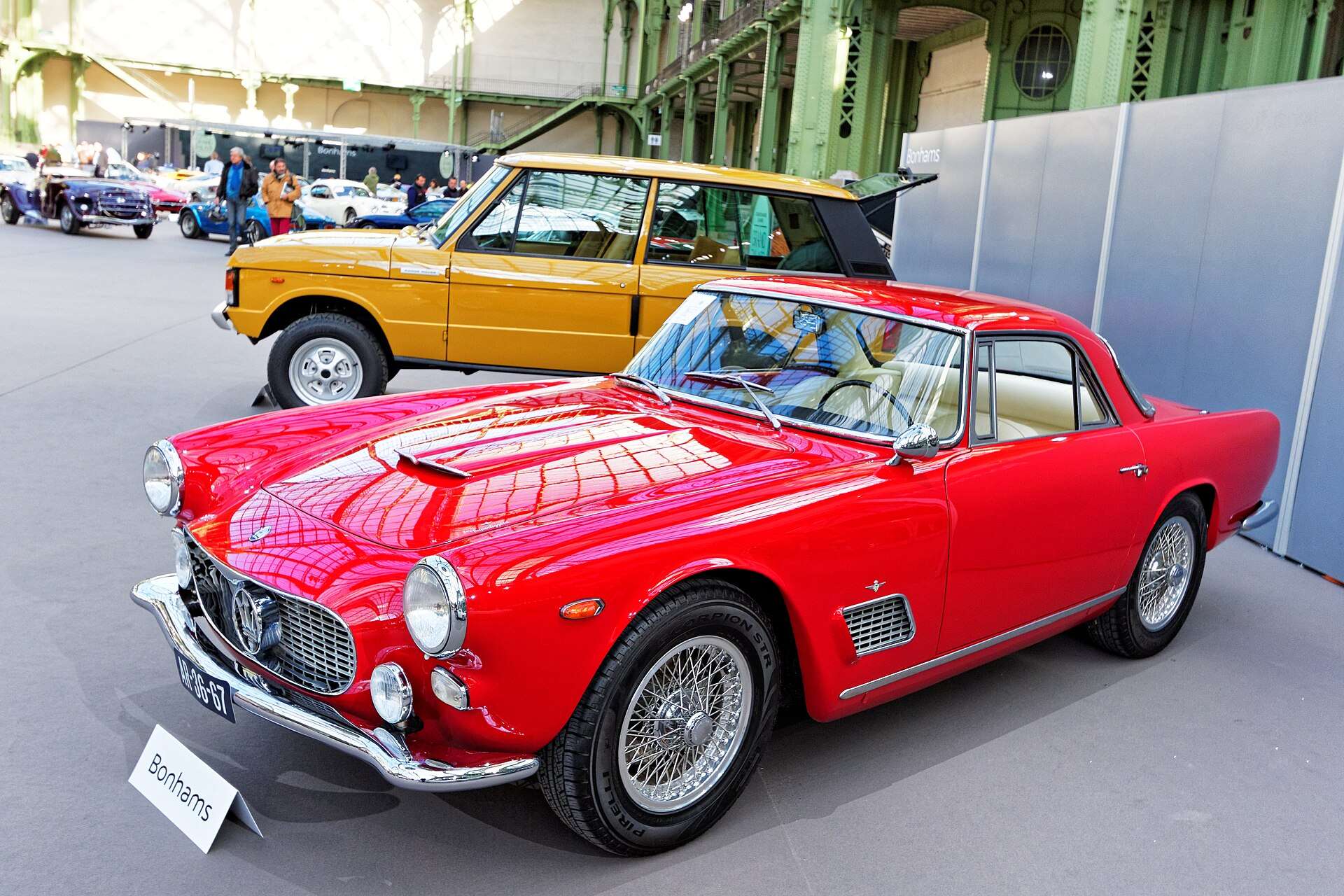
A serious inspection should reconcile chassis, engine and body numbers with factory documentation. Confirm whether the car began as a GT or GTI, and record any conversion between carburettors and injection. A continuous history, period photographs and invoices from respected specialists add confidence.
Restoration photographs matter because freshly painted aluminium can conceal compromised framework. Assess wiring, fuel lines, brakes, suspension and cooling as complete systems. The best car is one restored for reliable use without losing its documented identity.

Sources and further reading
- Maserati Classiche: 3500 GT and GTI
- Classic & Sports Car: Maserati 3500 GT reference guide
- Maseratis UK: 3500 GT history
Continue the Maserati story
Explore the complete Maserati hub. Continue with the later 3200 GT and GranSport.
Frequently asked questions
Why is the Maserati 3500 GT important?
It was Maserati’s first road car produced in comparatively large numbers and established the company as a sustainable grand-touring manufacturer.
What is the difference between a 3500 GT and GTI?
The GT used triple Weber carburettors, while the GTI introduced Lucas mechanical fuel injection and increased quoted power from 220hp to 235hp.
How many Maserati 3500 GT coupés were built?
Maserati records 937 carburetted 3500 GT coupés and 441 fuel-injected GTIs.
What does Superleggera mean on the 3500 GT?
Touring’s Superleggera method used aluminium outer panels supported by a light tubular steel framework.
What should be checked before buying a 3500 GT?
Commission a marque specialist to inspect the chassis and aluminium body, engine, fuel system, gearbox, axle, brakes, electrical system and the car’s historical identity.