The Ford Anglia 105E Estate turned one of Britain’s most recognisable small saloons into a practical three-door load carrier. Introduced in 1961, it is now considerably less familiar than the reverse-window saloon and especially appealing in preserved or thoughtfully modified form.
This guide covers the estate’s history, 105E and 123E engines, identifying features, common corrosion and mechanical problems, plus the story of the modified 1,380cc example photographed on this page.
Ford Anglia Estate at a glance
| UK introduction | 1961 |
|---|---|
| Body | Three-door estate |
| 105E engine | 997cc overhead-valve four-cylinder |
| 123E option | 1,198cc four-cylinder, from 1962 |
| Gearbox | Four-speed manual when standard |
| Drive | Rear-wheel drive |
| Main buying concern | Structural corrosion and previous repairs |

History of the Ford Anglia Estate
Ford launched the Anglia 105E saloon in September 1959. Its overhead-valve engine, MacPherson-strut front suspension and fresh styling represented a major change from the earlier 100E. The Estate joined the range in 1961, alongside commercial derivatives, to give buyers more luggage space without leaving the compact Anglia family.
The estate did not simply copy the saloon’s famous reverse-rake rear window. Its longer roof and more upright tail created a useful load area accessed through a side-hinged rear door. For 1962 the larger 1,198cc engine associated with the 123E became available, offering more useful torque for passengers and luggage.
105E versus 123E Anglia Estate
The model codes describe the original Ford specification, although many surviving cars have since been modified. The 105E designation covers 997cc estates, while 123E identifies the 1,198cc version. The smaller engine is an important part of the original Anglia story; the 1,198cc unit provides more relaxed performance and is often preferred for regular road use.
- 997cc: approximately 39bhp in standard form, simple and characterful but modest when loaded.
- 1,198cc: around 48.5–50bhp depending on year and specification, with a useful improvement in torque.
- Modified cars: capacity, carburation, gearbox, brakes and suspension may differ completely, so verify the actual components fitted.
The modified 1,380cc estate pictured here
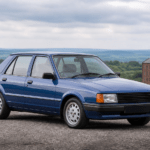
This particular Anglia was previously advertised as a historic-race-inspired build. Its seller described a recently built 1,380cc engine, Ford Type 9 five-speed gearbox, Gaz adjustable dampers, front disc brakes and an electric cooling fan. Brown steel wheels, 175/50 R13 Yokohama tyres and GPS instruments completed its purposeful specification.
The advertisement also acknowledged imperfect paint, instruments that required securing and a missing windscreen trim. Those details are retained here because they illustrate an important rule for modified classics: inspect workmanship and completion as carefully as the headline components.
Remember: the 1,380cc engine and five-speed gearbox belong to this modified example. A standard Anglia Estate originally used a 997cc or 1,198cc engine and four-speed transmission.
Ford Anglia Estate buying checklist
Body and structural rust
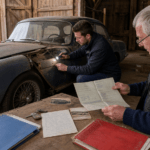
Corrosion is the decisive issue. A bright respray can conceal extensive work, so inspect the car on a lift and budget for a specialist assessment.
- Check inner, centre and outer sills, all jacking points and the floorpan edges.
- Inspect A-pillars, door hinge mountings, front inner wings, flitch panels and strut tops.
- Examine rear spring hangers, the rear crossmember, load floor and rear valance.
- Look closely around headlamps, front-wing trailing edges, door bottoms and wheelarches.
- Check that estate-specific rear panels, glass and tailgate fittings are complete.
Engine and transmission
- Start from cold and listen for knocks, timing-chain noise and excessive valvetrain clatter.
- Check for overheating, oil leaks, crankcase fumes and poor hot oil pressure.
- Poor running can be caused by carburettor or ignition wear; confirm the engine has been maintained rather than merely tuned.
- Test synchromesh, clutch operation, differential noise and propshaft vibration.
Steering, suspension and brakes
- Check for play in steering joints and the steering box, along with worn wheel bearings.
- Inspect struts, rear leaf springs, bushes and dampers for wear or mismatched modifications.
- Standard drum brakes require realistic expectations; modified discs must be correctly engineered and balanced.
- Uneven tyre wear can reveal geometry or accident-repair problems.
Interior, load area and paperwork
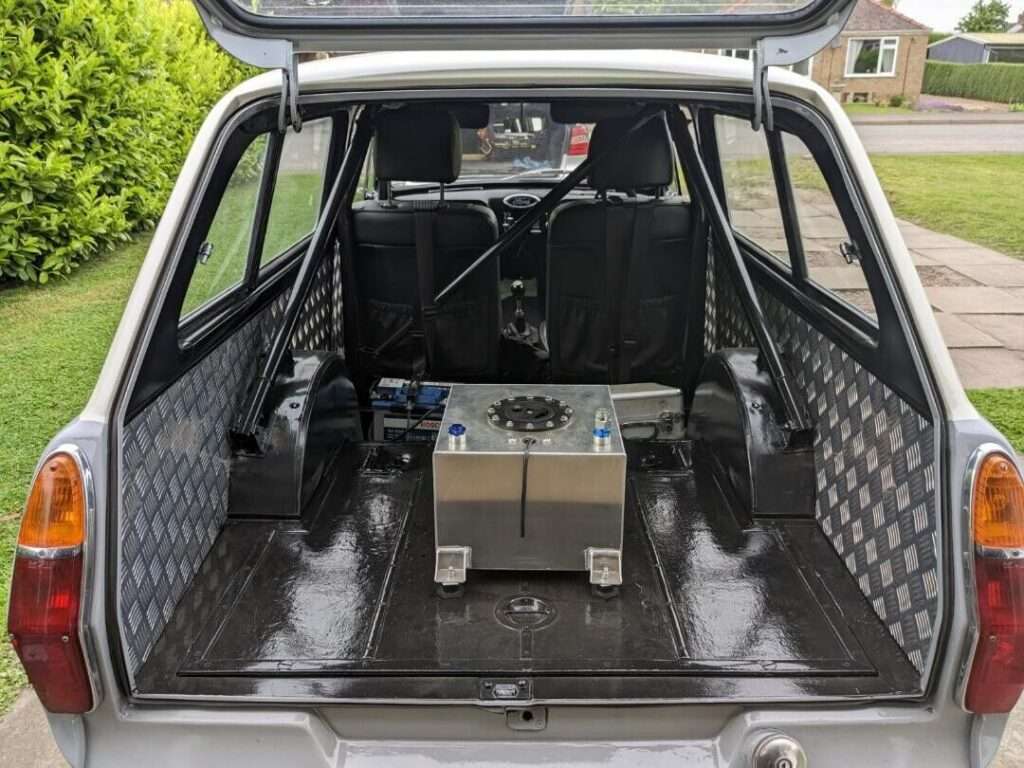
- Lift mats and load-area coverings to find damp, corrosion and repairs.
- Check seat frames, door cards, headlining, instruments and all estate trim.
- Match chassis and engine numbers to the V5C and supporting history.
- Make sure engine, gearbox, brake and suspension modifications are documented and declared to the insurer.

Standard or modified?
Original estates appeal through rarity and period character; modified cars draw on the Anglia’s long competition and hot-rod history. Neither is automatically the better purchase. An original car should be judged on completeness and authenticity, while a modified example must be assessed as an engineered package.
For road use, a larger Kent engine, five-speed gearbox and upgraded brakes can make sense. Values will still depend on structural condition, build quality, history and whether alterations are reversible.
Frequently asked questions
When was the Anglia Estate introduced?
Ford added the Estate to the 105E range in 1961.
What engines did it have?
Factory estates used the 997cc 105E engine or, from 1962, the larger 1,198cc unit associated with the 123E.
What is the biggest buying risk?
Structural corrosion. Sills, floors, strut tops and rear spring mountings deserve professional inspection before purchase.
Explore more forgotten Fords
Continue with our Rare & Forgotten Cars guides and the complete Ford Orion history and buying guide.