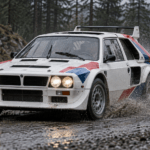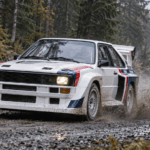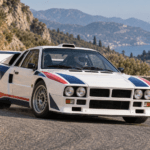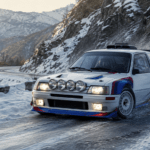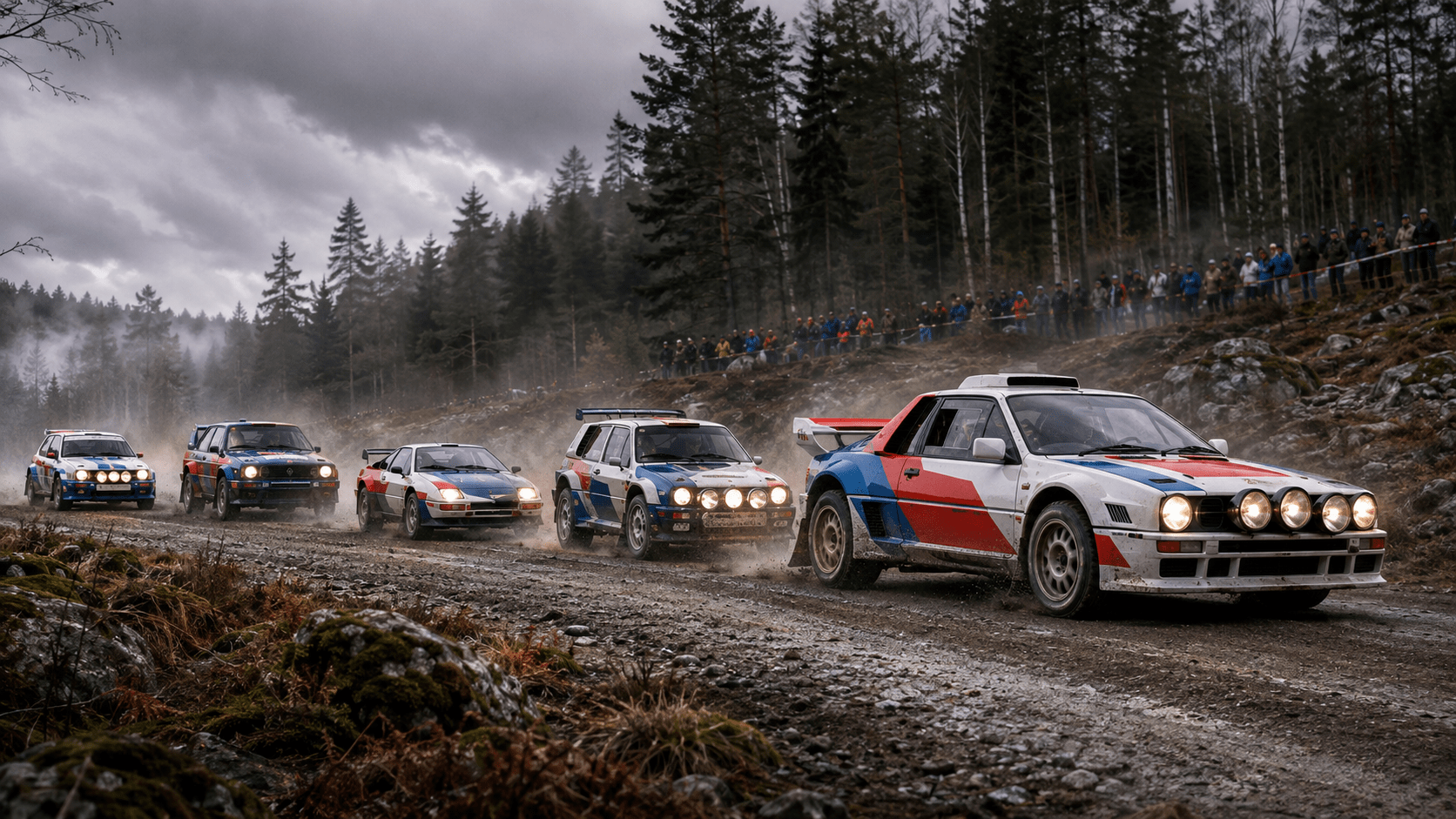
Group B rally cars: history, rules and the cars that defined an era
From the Audi quattro and Peugeot 205 T16 to the Lancia Delta S4, Ford RS200 and MG Metro 6R4, this is the story of rallying’s fastest, most experimental—and most dangerous—period.
What was Group B?
Group B was not one particular type of car. It was a technical category covering numerous production-based grand touring and touring cars, from modest two-wheel-drive machines to the purpose-built four-wheel-drive prototypes that came to symbolise the era. It replaced Group 4 as the World Rally Championship’s leading category during the early 1980s.
The headline manufacturers could homologate a model after producing 200 cars—half the 400 required under the preceding Group 4 framework. Evolution versions could then introduce further developments. That opportunity, combined with rapid advances in engines, drivetrains and materials, encouraged an extraordinary engineering contest.
When did Group B rallying begin and end?
1982: the Group B framework entered international competition while existing Group 4 machinery remained influential.
1983: Group B became the WRC’s premier category. Audi demonstrated the importance of four-wheel drive, while the rear-wheel-drive Lancia 037 remained formidable.
1984–85: compact, mid-engined four-wheel-drive cars such as the Peugeot 205 T16 changed the template. Manufacturers intensified development.
1986: the Lancia Delta S4, Ford RS200, MG Metro 6R4 and other late-generation cars met an increasingly fraught season. Following fatal accidents, the FIA ended Group B as the top-level rally formula after 1986.
The FIA now categorises Group B cars as belonging to the 1982–1986 period. Current historic competition eligibility depends on the precise car, specification, documentation and event regulations; ownership of a Group B model does not automatically make it eligible for every rally.
Why were Group B cars so fast?
Low homologation volume
A 200-car requirement made specialised road versions viable and allowed competition designs to move far beyond ordinary showroom models.
Four-wheel drive
Audi proved its loose-surface advantage. Peugeot, Lancia, Ford and Austin Rover followed with compact purpose-built systems.
Forced induction
Turbocharging produced remarkable power from small engines. Lancia’s Delta S4 combined a supercharger and turbocharger to broaden response.
Lightweight engineering
Spaceframes, composite panels and concentrated mechanical layouts delivered dramatic power-to-weight ratios.
Power figures are often repeated without context. Works cars changed throughout their lives, period claims were not always measured consistently and surviving cars may use later specifications. It is safer to describe approximate development ranges and identify a car’s date and configuration than to present one number as universal.
The most important Group B rally cars
| Car | Layout | Why it matters | FIA homologation |
|---|---|---|---|
| Audi quattro / Sport quattro | Front-engined, turbocharged, 4WD | Established four-wheel drive as the decisive rally technology; the shorter Sport quattro pushed the concept further. | Quattro variants preceded Sport quattro B-264 |
| Lancia 037 | Mid-engined, supercharged, RWD | A beautiful and highly developed rear-drive car; Lancia won the 1983 manufacturers’ title. | B-210 |
| Peugeot 205 T16 | Mid-engined, turbocharged, 4WD | Wrapped the modern Group B formula in a compact hatchback silhouette and delivered championship success. | B-262 |
| Lancia Delta S4 | Mid-engined, twin-charged, 4WD | Used both supercharging and turbocharging; among the most technically ambitious cars of the era. | B-276 |
| MG Metro 6R4 | Mid-engined, naturally aspirated V6, 4WD | Williams-developed British challenger with an unusual naturally aspirated V6 engine. | B-277 |
| Ford RS200 | Mid-engined, turbocharged, 4WD | A clean-sheet Ford created specifically for Group B, rather than a heavily reworked production saloon. | B-280 |
| Renault 5 Turbo | Mid-engined, turbocharged, RWD | Turned a small front-engined hatchback identity into a wide-bodied, mid-engined competition car. | B-205 |
| Citroën BX 4TC | Front-engined, turbocharged, 4WD | A rare, unconventional late entry whose road homologation version is now a remarkable collector car. | B-279 |
Audi quattro: the four-wheel-drive revolution
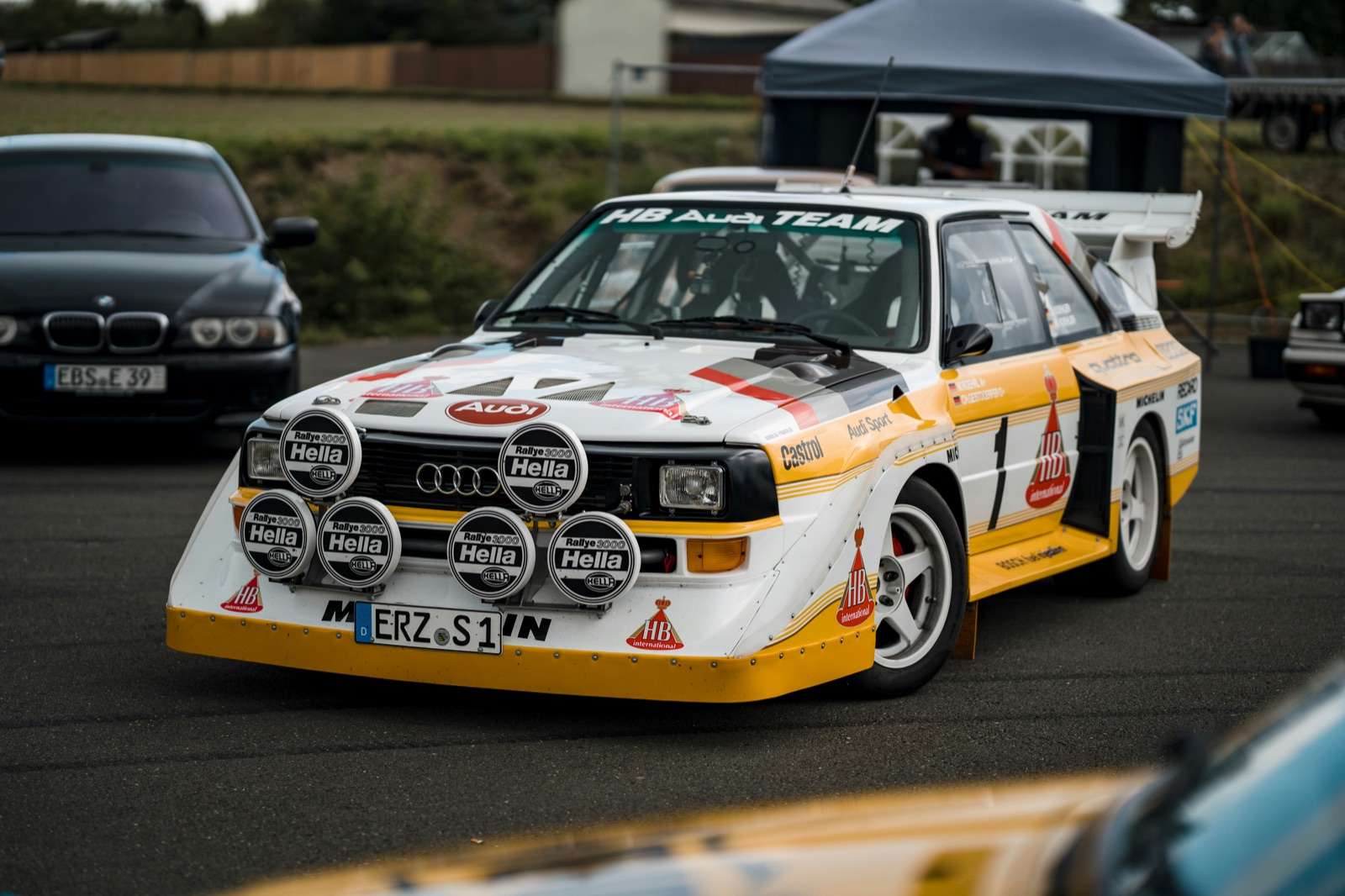
Audi did not invent four-wheel drive, but it changed rallying by demonstrating that it could deliver a decisive competition advantage. Early quattros were long and front-heavy compared with later mid-engined rivals, yet their traction transformed expectations. The shorter Sport quattro and spectacular S1 evolution reflected the pace of development.
Peugeot 205 T16: the complete Group B package
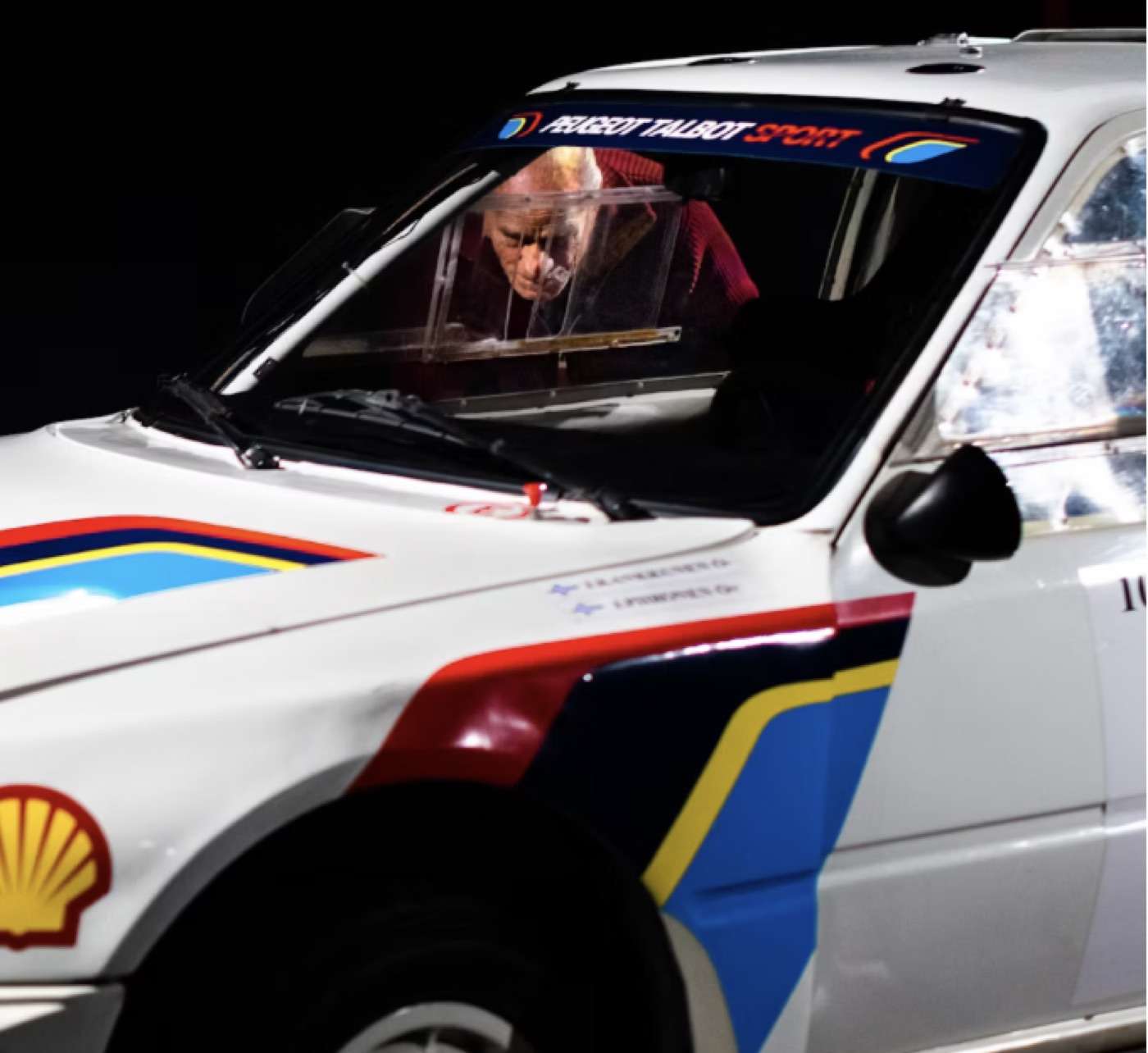
The 205 T16 looked related to Peugeot’s popular hatchback but placed its engine behind the seats and drove all four wheels. Its packaging, balance and organised works programme made it the benchmark of the mature formula. It helped Peugeot secure the 1985 and 1986 manufacturers’ championships.
Lancia: from 037 to Delta S4
The 037 showed how far a light, agile rear-drive car could be developed and was the last rear-wheel-drive car to win the WRC manufacturers’ championship. Its successor, the Delta S4, adopted four-wheel drive and twincharging. The S4’s supercharger supported response at lower engine speeds while the turbocharger delivered greater output higher in the range.
Britain’s Group B challengers
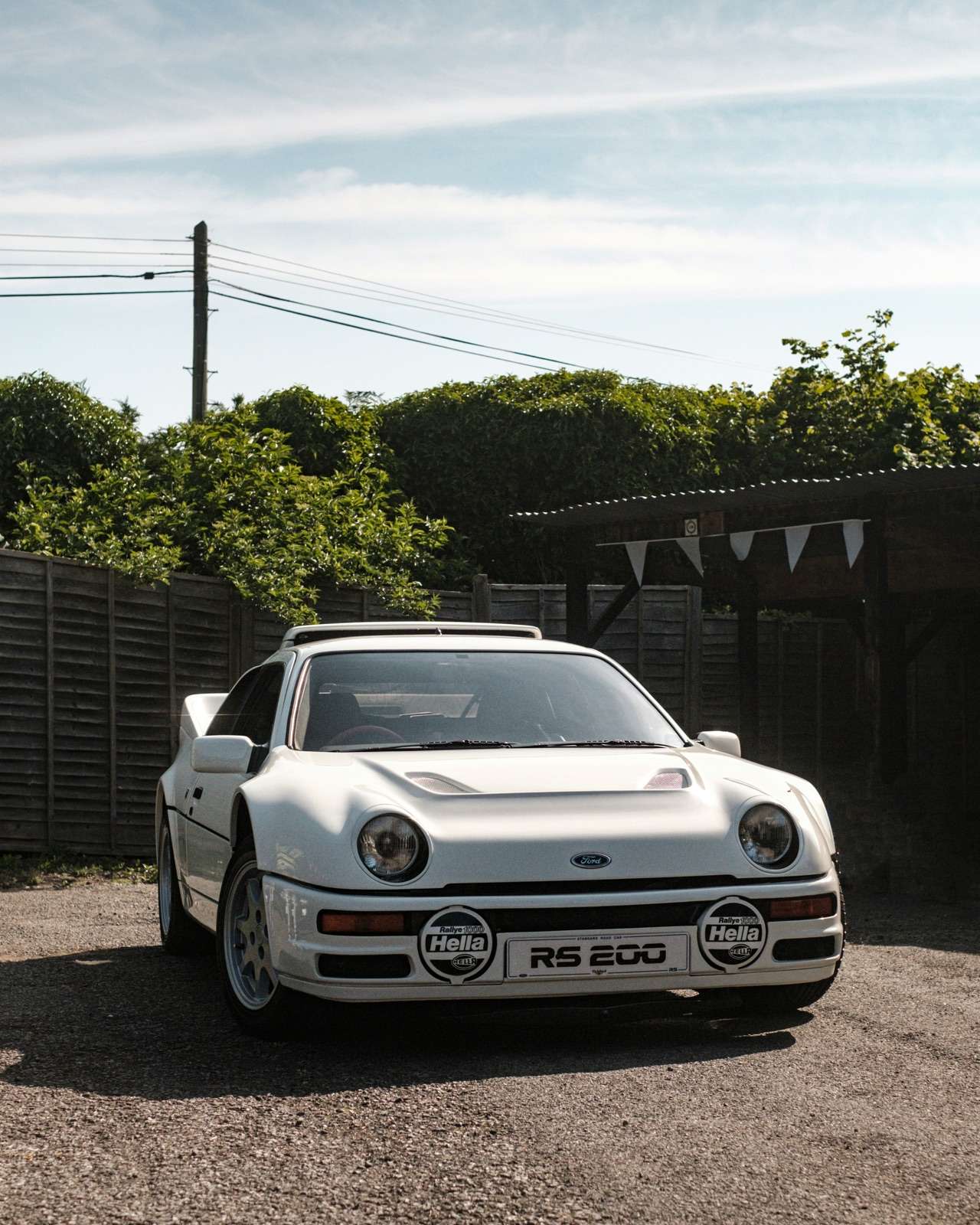
The MG Metro 6R4 and Ford RS200 reached homologation late. Both were purpose-built four-wheel-drive cars carrying familiar showroom identities, but their approaches differed. The 6R4 used a naturally aspirated V6 and a visibly Metro-inspired body; the RS200 employed a turbocharged engine and a distinctive composite body around specialised running gear.
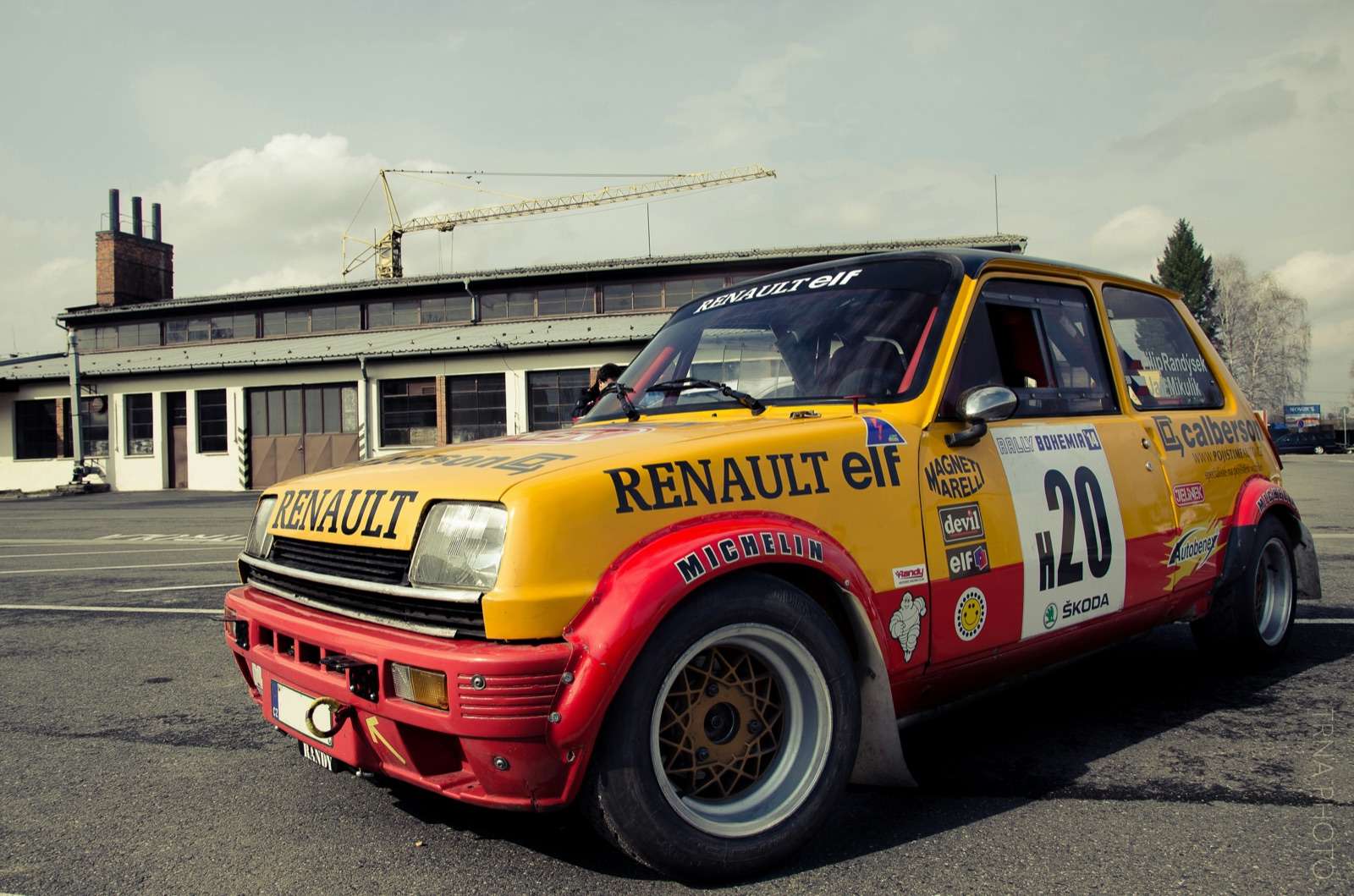
Renault 5 Turbo: a hatchback transformed
The Renault 5 Turbo retained the familiar outline of Renault’s small hatchback but moved a turbocharged engine behind the occupants and drove the rear wheels. It preceded the most extreme four-wheel-drive generation and remains one of Group B’s clearest examples of homologation creating something radically different from the everyday car.
Why was Group B banned?
Performance escalated while stages often offered limited crowd control and little margin for error. The 1985 Tour de Corse accident that killed Attilio Bettega was followed by further tragedy in 1986. At Rally Portugal a Ford RS200 left the road and killed spectators; on the Tour de Corse Henri Toivonen and Sergio Cresto died after their Lancia Delta S4 crashed. The FIA moved to end Group B rallying after the season and the more production-orientated Group A became the WRC’s leading formula.
Group B road cars and homologation specials
Road versions existed to satisfy homologation requirements, but they vary enormously. A Clubman Metro 6R4, Peugeot 205 Turbo 16 road car and Citroën BX 4TC each has its own production story and specification. Some surviving examples were converted for competition; others have been restored, re-shelled or assembled from spares.
Before buying, verify chassis identity, continuous history, original specification, major component numbers and the legal status of any road registration. Period competition history can add significance, but claims require event records and supporting evidence. An independent marque specialist should inspect the structure and mechanical systems.
Replicas, recreations and tribute cars
A replica may recreate the appearance of a famous works car, while a tribute can range from period-style graphics to a purpose-built silhouette racer. These cars can be enjoyable without being genuine homologation examples. Good descriptions state the underlying chassis, builder, construction date, engine position, drivetrain and documentation rather than relying on the visual resemblance or the word “works”.
Can Group B cars still rally today?
Some Group B cars appear in historic competition, hill climbs and demonstrations, but eligibility is tightly controlled. FIA Appendix K places particular restrictions on the powerful cars regulated out of rallying in period, including the Sport quattro S1, Metro 6R4, BX 4TC, RS200, Delta S4 and 205 T16. Owners should consult current FIA rules and the event organiser rather than assume a car can enter because it has historic paperwork.
Frequently asked questions
How many cars were needed for Group B homologation?
The widely cited base requirement was 200 examples, compared with 400 under Group 4. The exact homologation route and evolution rules should be checked in the applicable period regulations.
What was the most successful Group B car?
That depends on the measure. Audi pioneered the four-wheel-drive revolution; Lancia won the 1983 manufacturers’ championship with the rear-drive 037; Peugeot’s 205 T16 won manufacturers’ titles in 1985 and 1986.
Were all Group B cars four-wheel drive?
No. Group B included two-wheel-drive cars as well as the famous four-wheel-drive machines. The Lancia 037 and Renault 5 Turbo were rear-wheel drive.
Was Group B replaced by Group A?
Yes. After Group B ended at the close of 1986, the more production-based Group A rules formed the top level of the World Rally Championship.
Sources and scope: researched using FIA historic regulations, the FIA Historic Database and manufacturer/museum records. Specifications varied between works cars, customer cars, dates and later rebuilds; figures in adverts should be independently checked.