Quick answer: the Alfa Romeo Brera and related 939 Spider were design-led grand tourers built from the mid-2000s. They offered four-cylinder petrol, five-cylinder diesel and 3.2-litre V6 power, with Q4 four-wheel drive available on selected versions; the rare UK-only Brera S sharpened the coupé with help from Prodrive.

The concept car that Alfa had to build
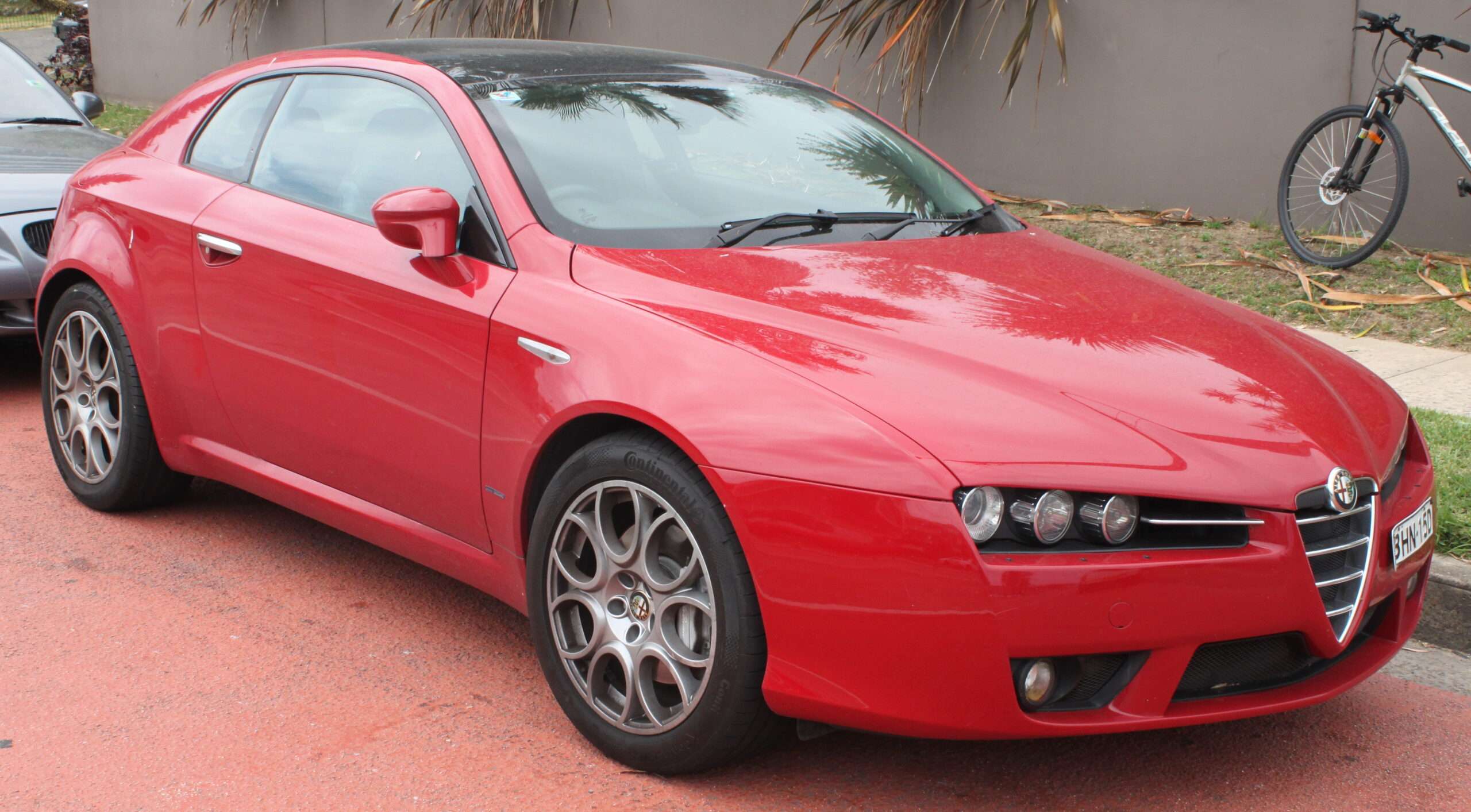
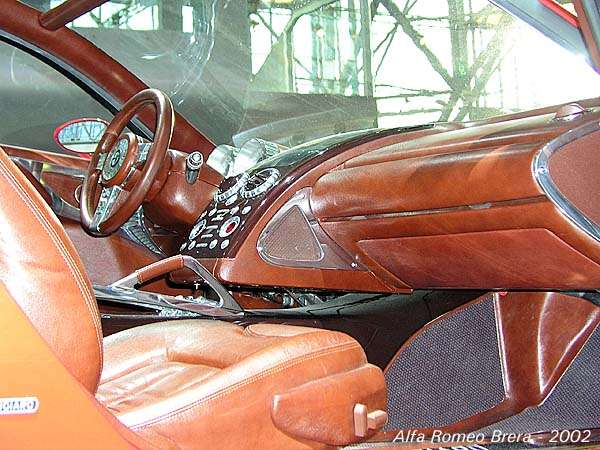
Giorgetto Giugiaro’s original Brera concept appeared in 2002 and won immediate attention for its compact glasshouse, muscular rear bodywork and dramatic front. The production car introduced in 2005 translated that identity into a practical coupé based on Alfa’s 939 architecture.
It was not a carbon copy of the concept. Production requirements, a front-engine platform and a broader model range changed its proportions and mechanical layout. Even so, the Brera remained one of the most distinctive mass-produced coupés of its period.

Brera engines and model range
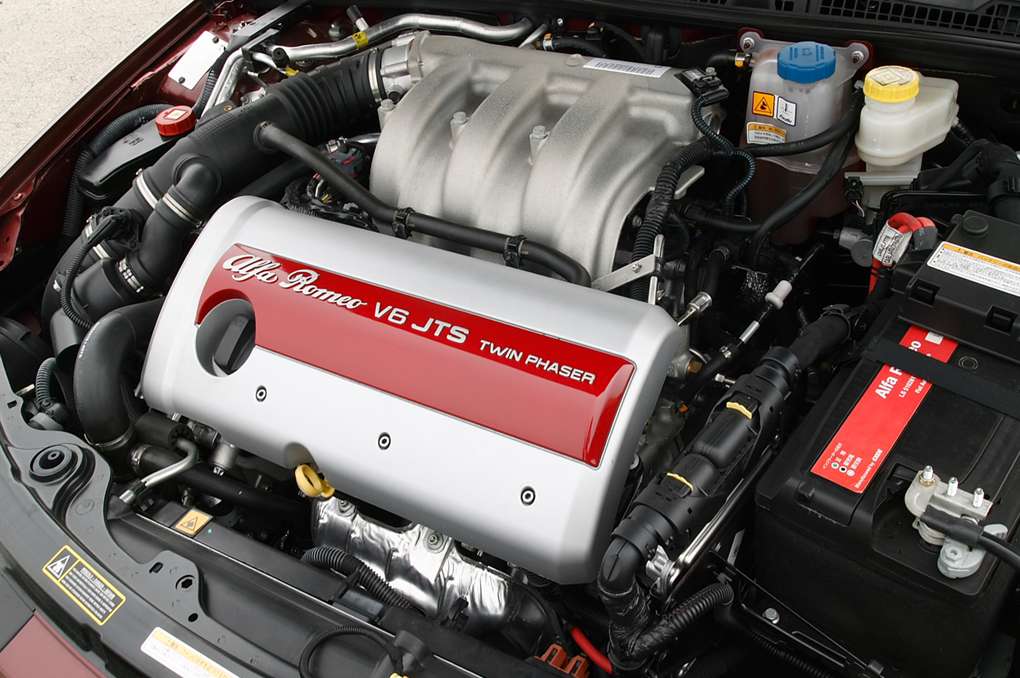
The range varied by market and year. Petrol choices included the 2.2 JTS four-cylinder and 3.2 JTS V6, while the 2.4 JTDM five-cylinder diesel gave the Brera strong long-distance ability. A lighter turbocharged 1750 TBi arrived later and is often regarded as the engine that best balanced performance with reduced nose weight.
The 3.2 JTS was not the traditional Arese-built Busso V6. It used a GM-derived architecture with Alfa Romeo cylinder heads and calibration. That distinction matters historically, but it should not obscure the car’s real qualities: smooth performance, a strong soundtrack and, in Q4 form, assured traction.
How Q4 worked on the Brera
Selected Brera and Spider versions used Alfa Romeo’s Q4 four-wheel drive. A Torsen-based centre arrangement distributed torque between the axles and was tuned to preserve a rear-biased character under normal conditions while sending drive forward when required.
The system improved traction and all-weather security but added weight to a car that was already substantial. The result is better understood as a stable, fast grand tourer than a lightweight successor to Alfa’s classic rear-wheel-drive coupés.
Love cars you don’t see every day?
Get forgotten cars, surprising motoring stories and the most interesting finds from Unusual Cars by email.
Free to join. No spam. Unsubscribe whenever you like. See our privacy policy.
The 939 Spider and the Prodrive Brera S
The Spider arrived in 2006. Developed by Pininfarina with Alfa Romeo Centro Stile, it shared the Brera’s architecture and powertrains but provided a separate open-road character. Q4 also appeared on the Spider, an important first for an Alfa roadster.
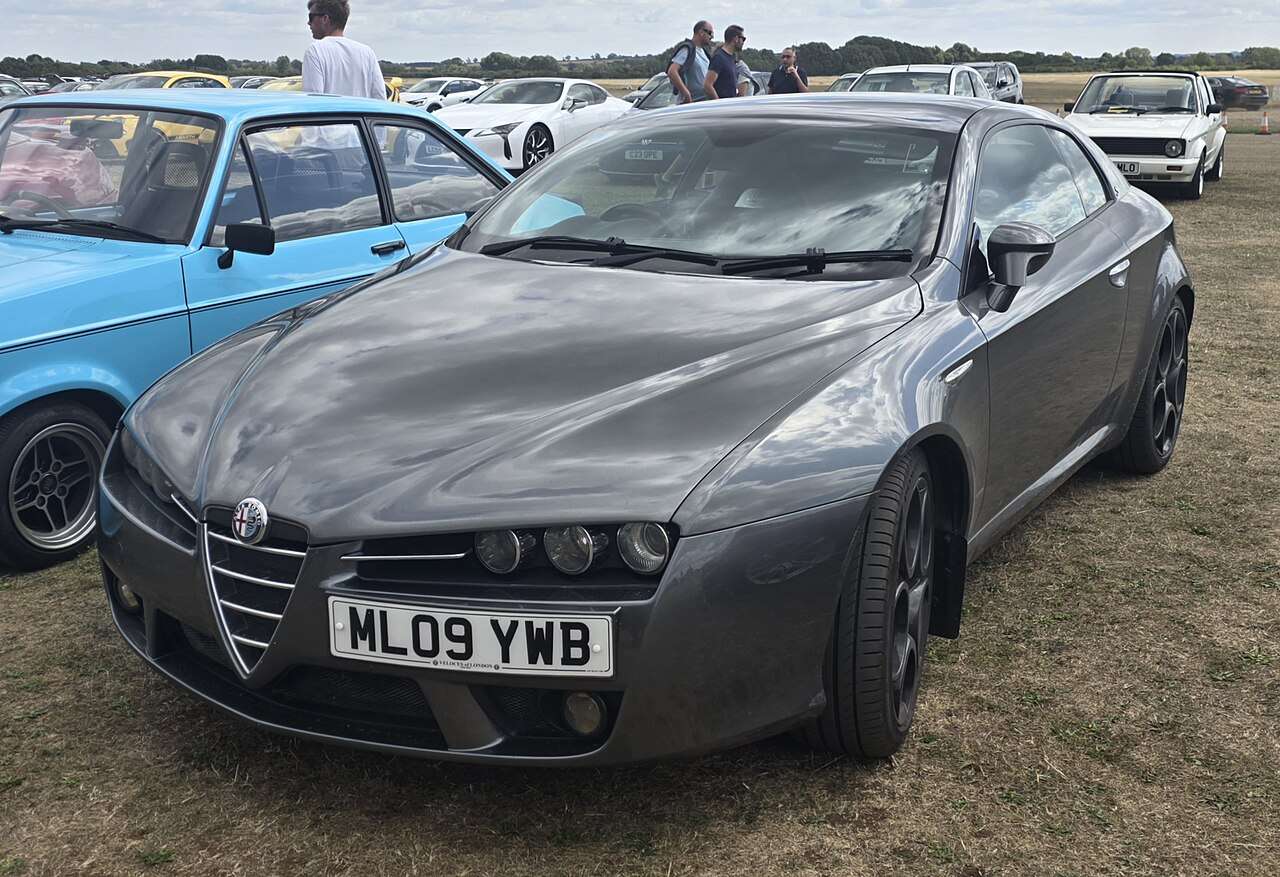
For Britain, the limited Brera S programme enlisted Prodrive to revise springs, dampers, ride height, wheels and weight. Offered with 2.2 JTS and 3.2 V6 engines, the S did not receive more power; its purpose was to make the chassis more responsive and the car feel more special on UK roads.
Why the Brera is being reassessed
For years the Brera was judged against the expectations created by the concept car and Alfa’s lightest historic coupés. That missed its strengths. It is a handsome, solid-feeling grand tourer with a distinctive cabin and a range broad enough to suit very different owners.
The best version depends on the priority: the 1750 TBi offers useful balance, the 2.4 JTDM suits long journeys, the V6 Q4 provides the fullest specification and the Brera S is the rare UK-focused driver’s edition. Condition and maintenance history matter more than chasing a badge.
Frequently asked questions
Is the Alfa Romeo Brera a four-seater?
It is a 2+2 coupé. The rear seats are useful for small passengers or extra luggage, but it is not a full four-seat grand tourer in the manner of a larger saloon-based coupé.
Does the Brera 3.2 use a Busso V6?
No. The 3.2 JTS belongs to the GM High Feature engine family and received Alfa-specific heads and tuning. It should not be described as the classic Arese-built Busso V6.
What is an Alfa Romeo Brera S?
The Brera S was a limited UK-market model developed with Prodrive. Its chassis, wheels and weight were revised to improve response; power outputs remained broadly standard.
Which Brera models had Q4?
Availability varied by market and year, but Q4 was associated particularly with the 3.2 JTS V6 and was also offered with selected diesel versions.
Continue the Alfa Romeo story
Browse the Alfa Romeo hub, then continue with the Alfa Romeo GTV.
Research note: design origin, launch chronology, Q4 description and Spider development were checked against contemporary Alfa Romeo/Stellantis press material. Engine and transmission availability varied by market.