
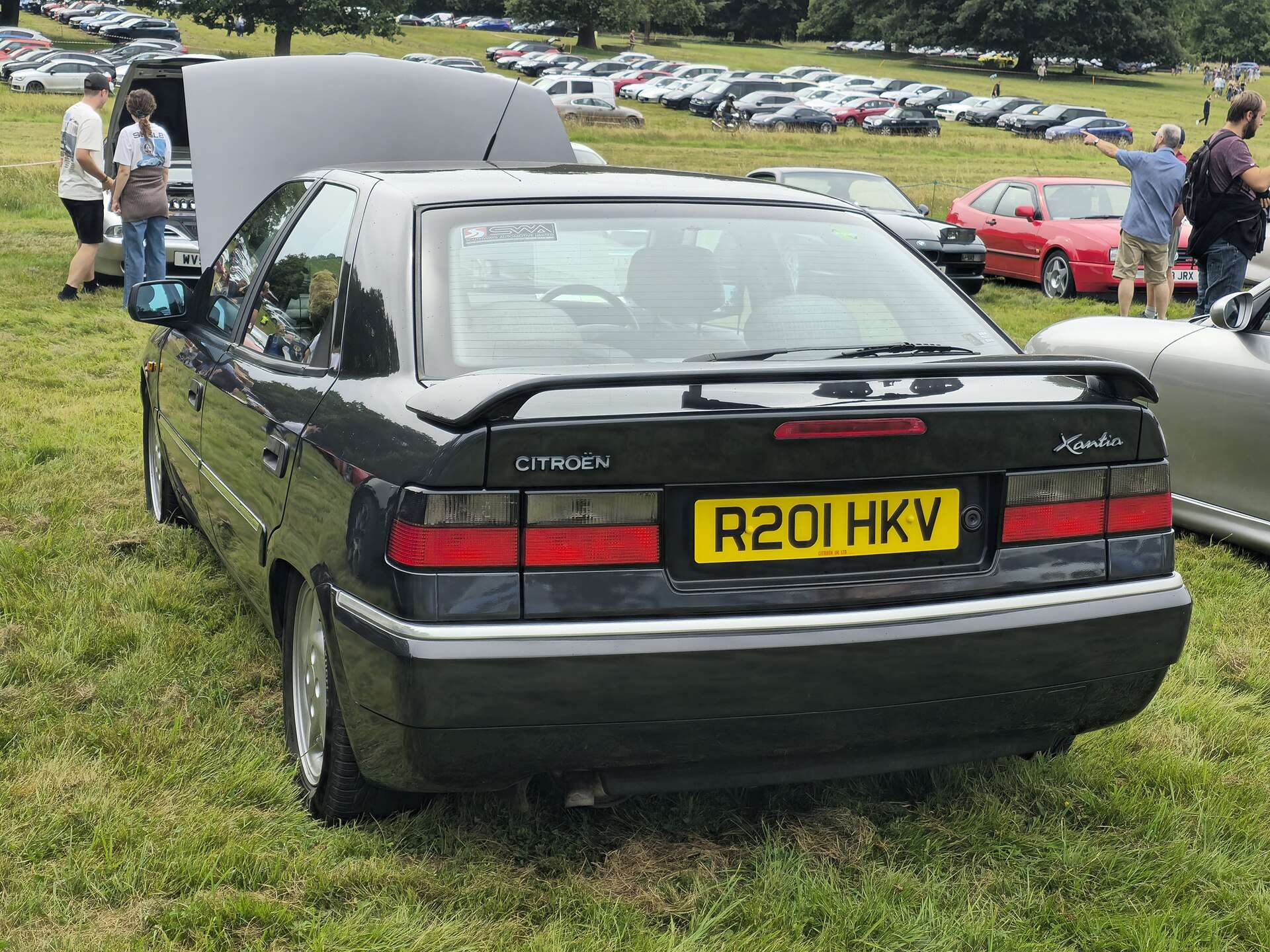
The Xantia Activa used an additional hydraulic system to resist body roll, creating one of the most technically intriguing fast family cars of the 1990s.
The Xantia launched in 1993 and European production exceeded 1.3 million. Activa versions added Citroën’s SC.CAR active anti-roll system; later cars could be paired with turbocharged four-cylinder or V6 power.
History and development
Hydractive II varied suspension firmness, while Activa added hydraulic rams and extra spheres to control roll. Citroën claimed cornering roll could be limited to roughly half a degree. More than 18,000 Activas were produced.
Engineering and character
The Activa system uses ten spheres and extensive hydraulic control. Rather than replacing springs with electronics, it actively counters roll while preserving self-levelling ride height.
Love cars you don’t see every day?
Get forgotten cars, surprising motoring stories and the most interesting finds from Unusual Cars by email.
Free to join. No spam. Unsubscribe whenever you like. See our privacy policy.

Models and versions explained
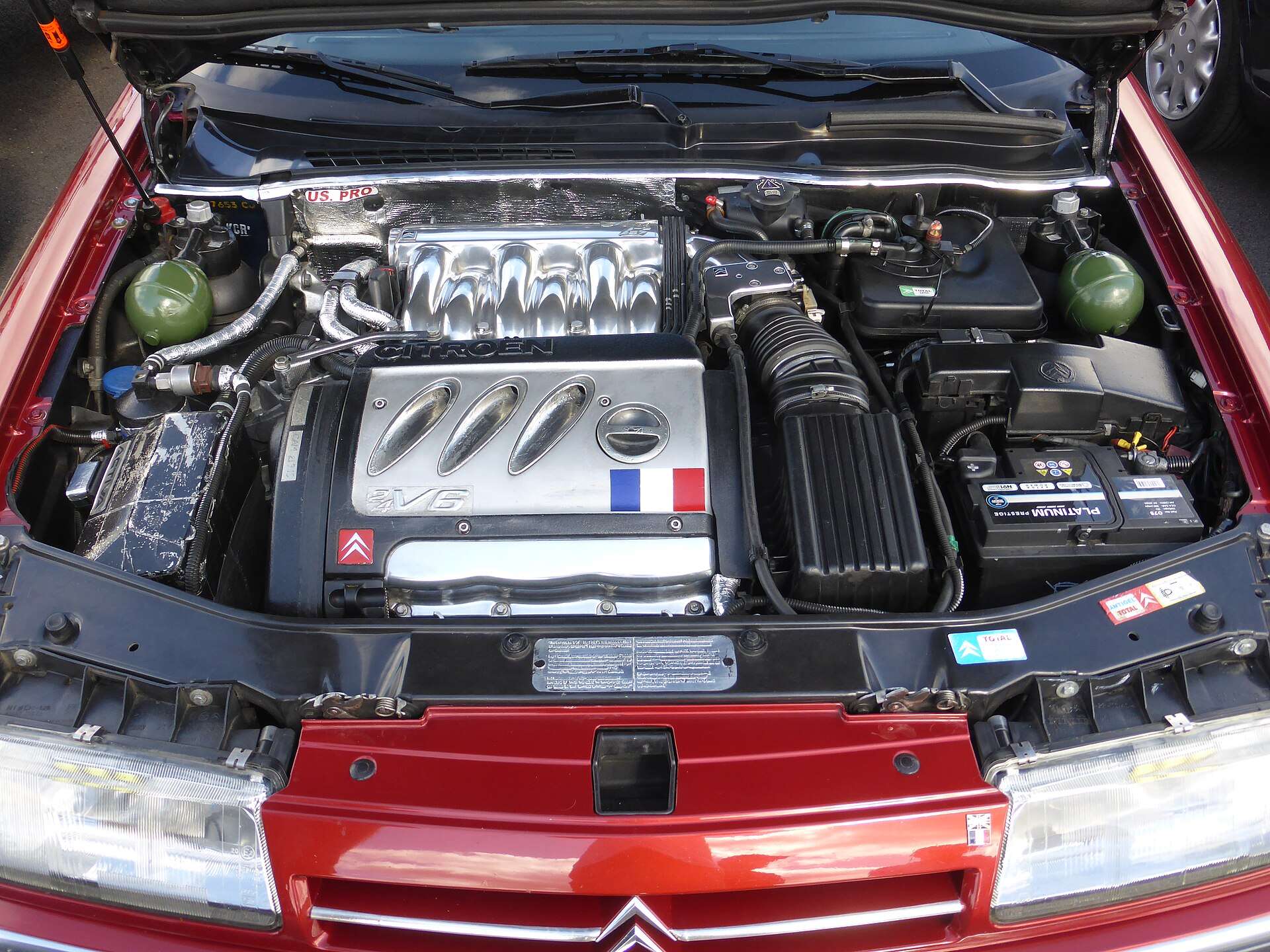
Xantia VSX and Exclusive models use Hydractive suspension, but only Activa models have SC.CAR. Engines varied widely by market, including 2.0 turbo and 3.0 V6 versions.
What it is like to drive
An Activa turns into bends with extraordinary flatness and stability. The V6 adds smooth power, while the turbo offers strong mid-range performance.
Ownership and preservation
Hydraulic leaks, sphere condition, strut-return pipes, rear arm bearings, rust and system adjustment require specialist inspection. Verify that Activa-specific components remain fitted and operational.
Condition, history and originality matter more than headline mileage. Confirm the identity from chassis records, inspect the structure on a lift and budget for preventative work. Specialist knowledge is particularly valuable where Citroën’s hydraulics, electronics or rare model-specific components are involved.
Why it matters now
The Activa is a rare example of active chassis engineering used to improve real-road dynamics rather than simply chase lap times.
Frequently asked questions
What does SC.CAR mean?
It is Citroën’s active anti-roll system, using hydraulics to counter body roll.
How many spheres does an Activa use?
Ten spheres are used across suspension, pressure storage and roll control.
Is every Xantia V6 an Activa?
No. V6 power and Activa suspension were separate choices in several markets.
How many Activas were built?
More than 18,000 were produced across the available engine variants.
Can a normal garage maintain one?
Routine work is possible, but diagnosis and correct hydraulic setup benefit greatly from a Citroën specialist.
Continue the Citroën story
Browse the Rare & Performance Citroëns hub, read our BX 4TC guide or discover the 10 Things Saxo VTR/VTS feature.
Research note: Dates, production totals and technical specifications were checked against Citroën/Stellantis heritage sources and contemporary model documentation. Equipment and outputs varied by market and year.


