UNUSUAL CARS MODEL GUIDE
The Nissan 370Z replaced the 350Z with a shorter wheelbase, a 3.7-litre VQ37VHR V6 and a more tightly packaged two-seat body. The Z34 arrived for the 2009 model year and was offered as a Coupe, Roadster and later a factory Nismo derivative.
From 350Z to 370Z
The Z34 retained front-engine, rear-wheel-drive fundamentals but shortened the wheelbase and used lighter aluminium panels. Nissan’s launch material described a 3.7-litre VQ37VHR with variable valve event and lift, a six-speed manual with optional SynchroRev Match, or a seven-speed automatic with paddles.
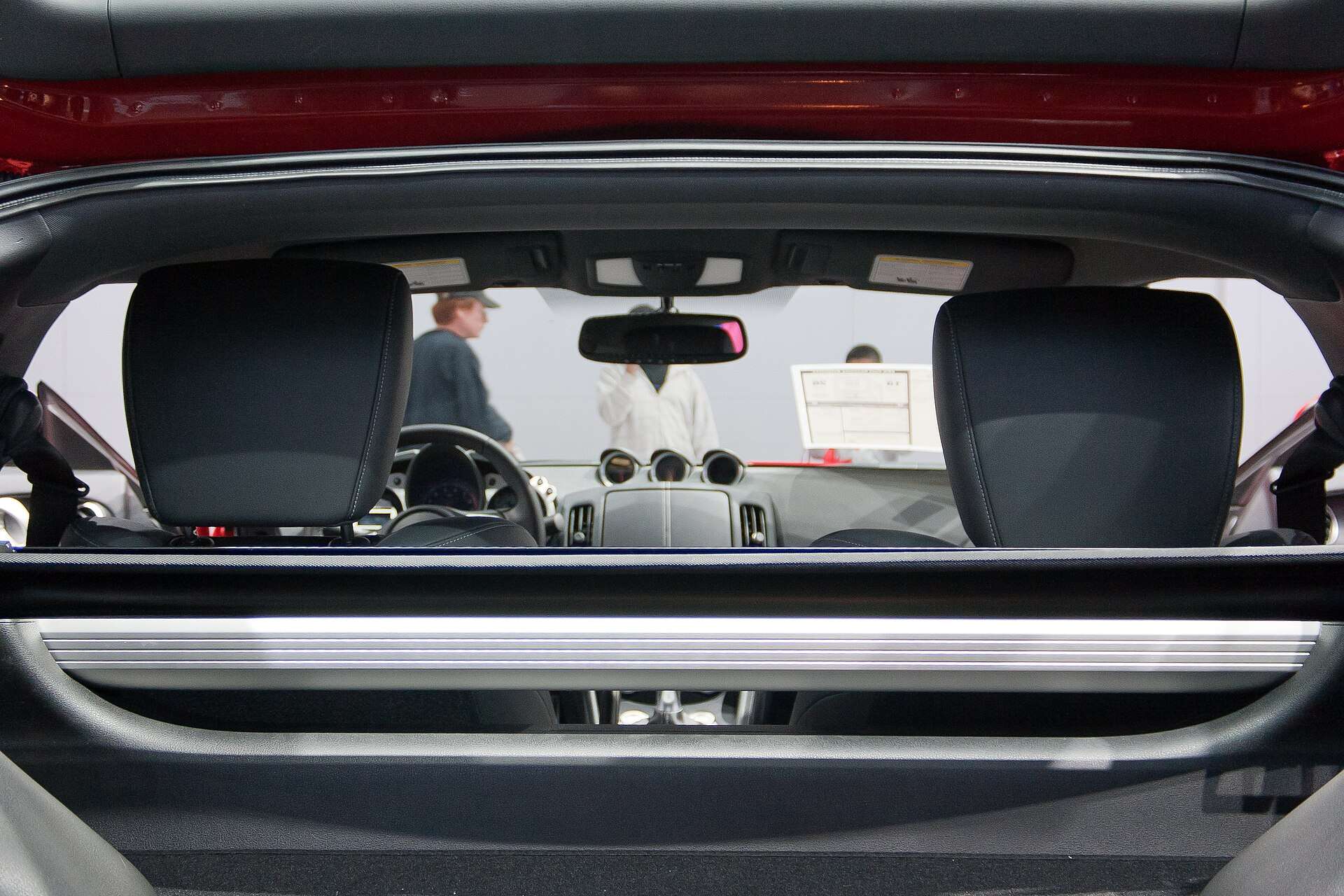
Output and equipment vary by year and market. UK cars also changed through GT-pack, Nismo and later trim combinations, so confirm the VIN, build date and original sales specification rather than relying on imported terminology.
Coupe, Roadster and Nismo
| Version | What distinguishes it |
|---|---|
| Coupe | Core two-seat fastback and the lightest, simplest Z34 body. |
| Roadster | Power-operated fabric roof with additional body reinforcement; roof condition and operation are major checks. |
| GT/pack variants | Market-dependent upgrades including larger wheels, brakes, audio, leather and convenience equipment. |
| Nismo | Factory aerodynamic, chassis and exhaust changes; later European cars gained the revised 2015 design. |
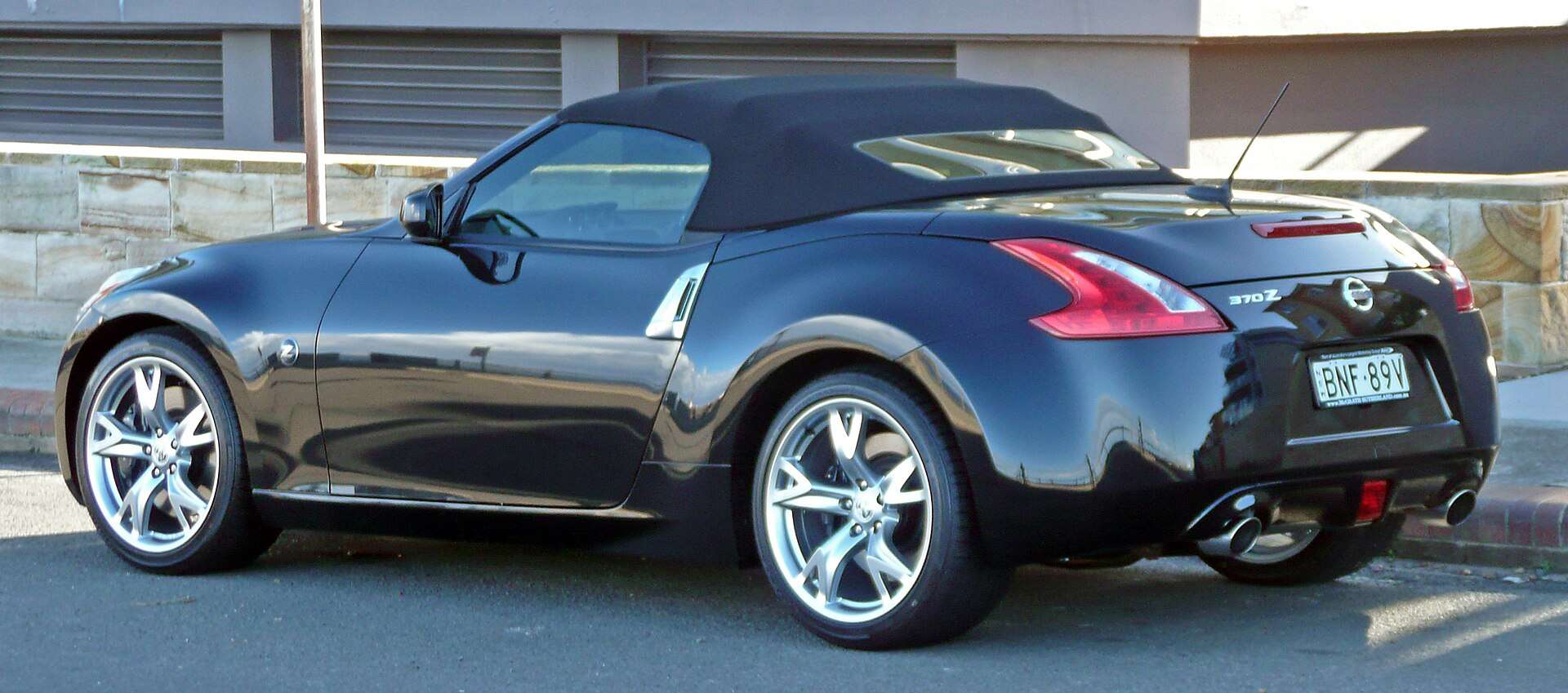
The Roadster shares its engine and transmissions with the Coupe, but added structure and roof hardware increase weight and complexity. The Nismo is more than a body kit, so verify factory status from the VIN and equipment.
Love cars you don’t see every day?
Get forgotten cars, surprising motoring stories and the most interesting finds from Unusual Cars by email.
Free to join. No spam. Unsubscribe whenever you like. See our privacy policy.
VQ37VHR engine and cooling
Start cold and check oil level, smoke, timing noise, misfires and stable temperature. Some cars consume oil, and any low-oil history deserves caution. Check the radiator, hoses, fans and expansion tank, then inspect for oil leaks around the engine and undertray.
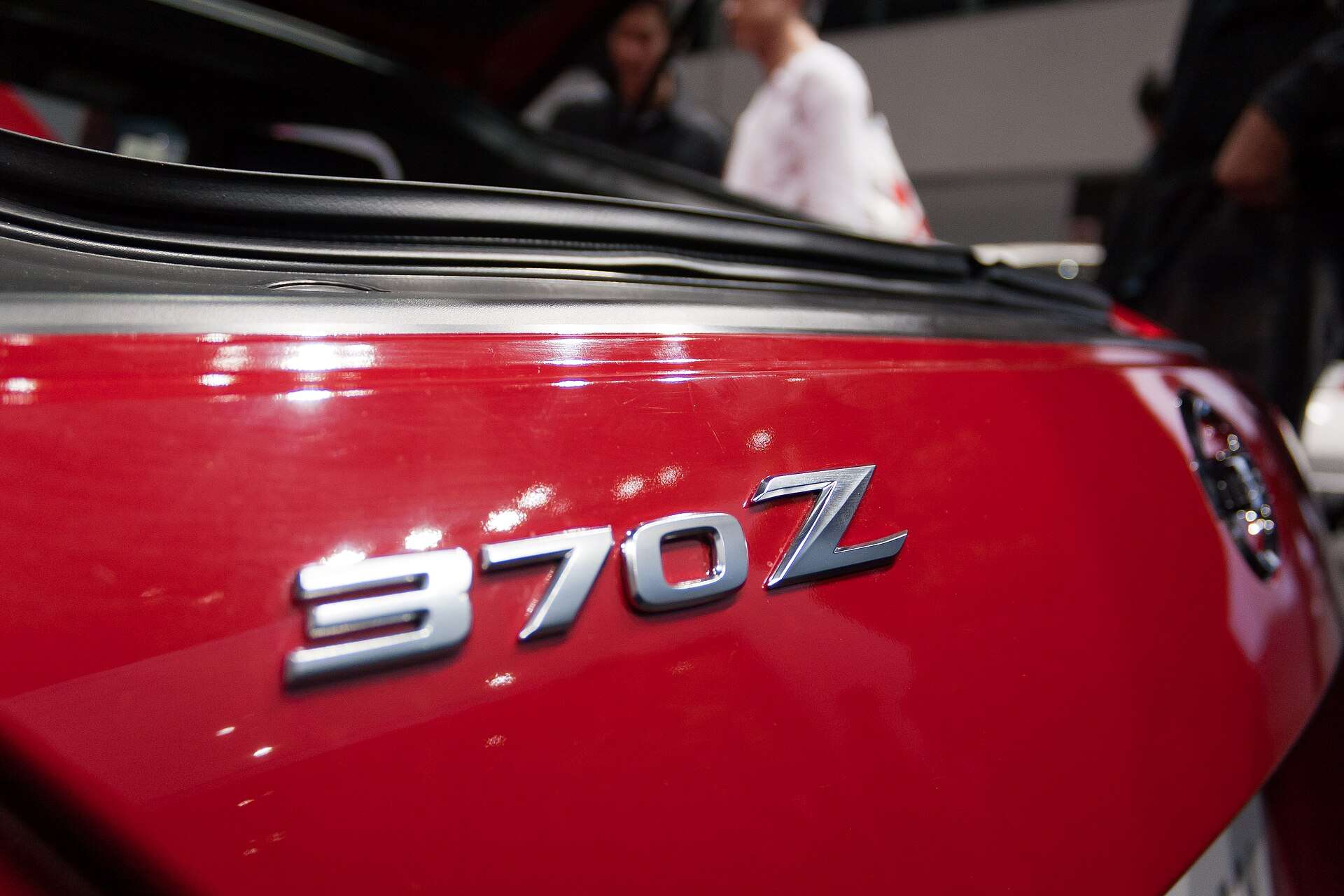
Aftermarket intakes, exhausts and software are common. They are not inherently harmful, but require credible installation and calibration evidence. Catalytic-converter condition, exhaust clearance and emissions compliance should be checked.
Manual, automatic and differential checks
On manual cars, clutch-pedal behaviour and the concentric slave cylinder deserve particular attention. Test engagement when cold and hot, listen for gearbox and differential noise and confirm SynchroRev Match works where fitted. Automatic cars should shift cleanly in normal and manual modes without warnings.

Inspect the propshaft, driveshafts, mounts and limited-slip differential. Clonks can have several causes; a specialist should distinguish normal driveline movement from worn mounts, joints or differential problems.
Suspension, brakes and accident damage
Check front suspension bushes, wheel bearings, dampers, alignment and uneven tyre wear. Brake discs and pads are consumables, especially on cars used for track days. Mismatched tyres undermine the chassis and may indicate cost-cutting elsewhere.

Inspect chassis rails, sills, jacking points, front structure, rear quarters and boot floor. Many 370Zs have been modified or repaired after low-speed cosmetic damage; paint depth and underbody inspection help separate sound work from hidden damage.
Cabin and Roadster roof
Test windows, locks, air conditioning, infotainment, instruments and every warning light. On a Roadster, run the roof through repeated complete cycles and inspect fabric, seals, drainage, frame alignment and rear-window bonding. Damp carpets or intermittent operation require investigation.
Sources and further reading
- Nissan: 2010 370Z Roadster technical overview
- Nissan: updated European 370Z Nismo
- Unusual Cars: Nissan 350Z Z33 guide
Continue the Nissan story
The Z34 sharpened the modern Z-car formula without abandoning a naturally aspirated engine and rear-wheel drive. Explore the complete Nissan hub and compare it with the Nissan 350Z.
Frequently asked questions
What engine is in the Nissan 370Z?
The Z34 uses Nissan’s naturally aspirated 3.7-litre VQ37VHR V6.
What is SynchroRev Match?
It is Nissan’s automatic rev-matching system for the six-speed manual, designed to match engine speed during downshifts.
Is the 370Z Roadster heavier than the Coupe?
Yes. Its power roof and additional body reinforcement add weight and complexity.
What should be checked on a manual 370Z?
Check clutch-pedal behaviour, the concentric slave cylinder, gearbox engagement, SynchroRev Match, differential noise and service history.
How can a genuine 370Z Nismo be identified?
Verify the VIN, factory equipment and market specification. Nismo-style bumpers and wheels can be fitted to standard cars.