UNUSUAL CARS MODEL GUIDE
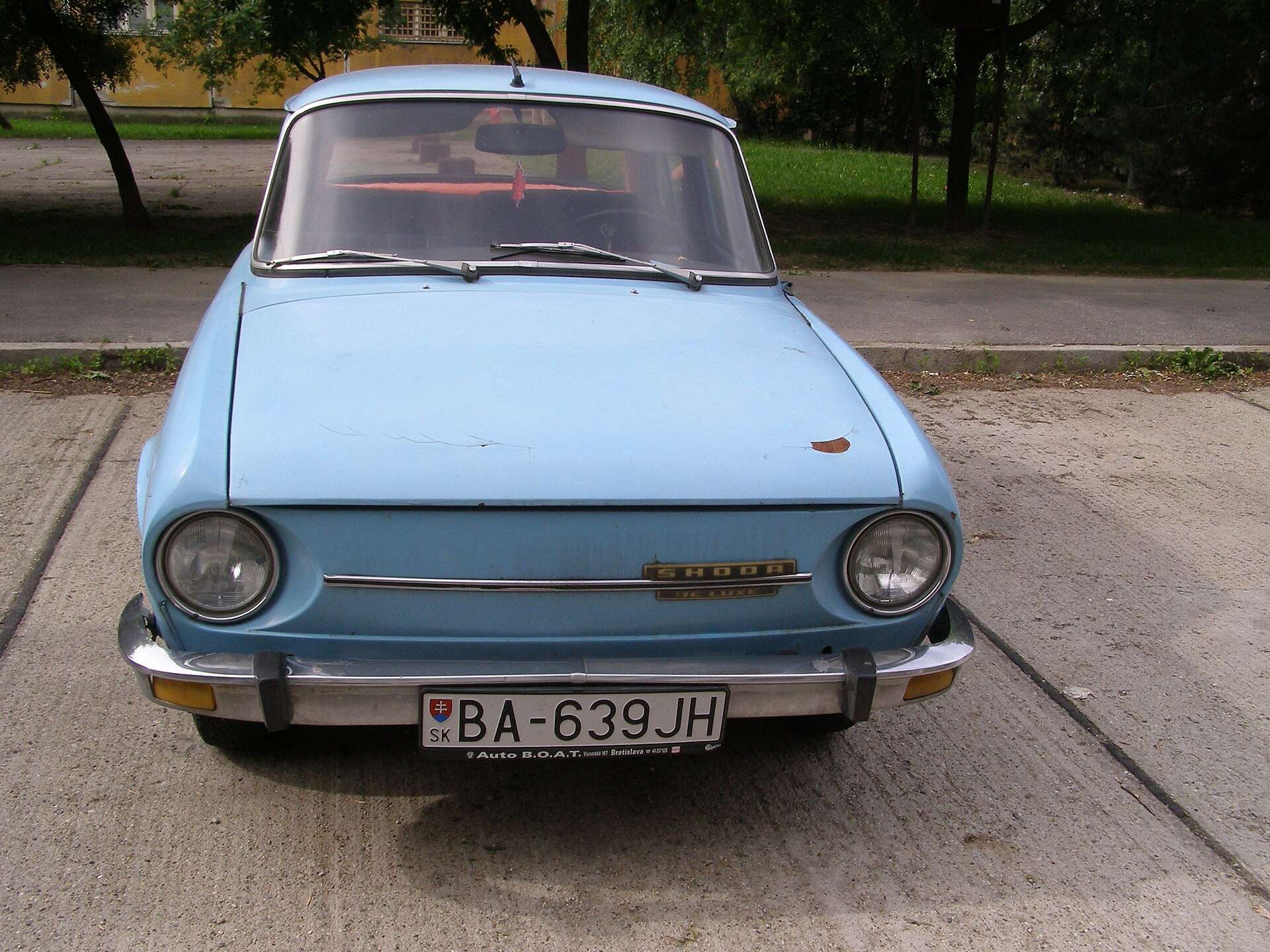
The Škoda 100 and 110 saloons carried the rear-engined formula into the 1970s. Built from 1969 to 1977, they refined the 1000 MB with a squarer body, front disc brakes and a broader range. More than one million were made, yet tidy UK-market survivors are now far less common than the later Estelle family.
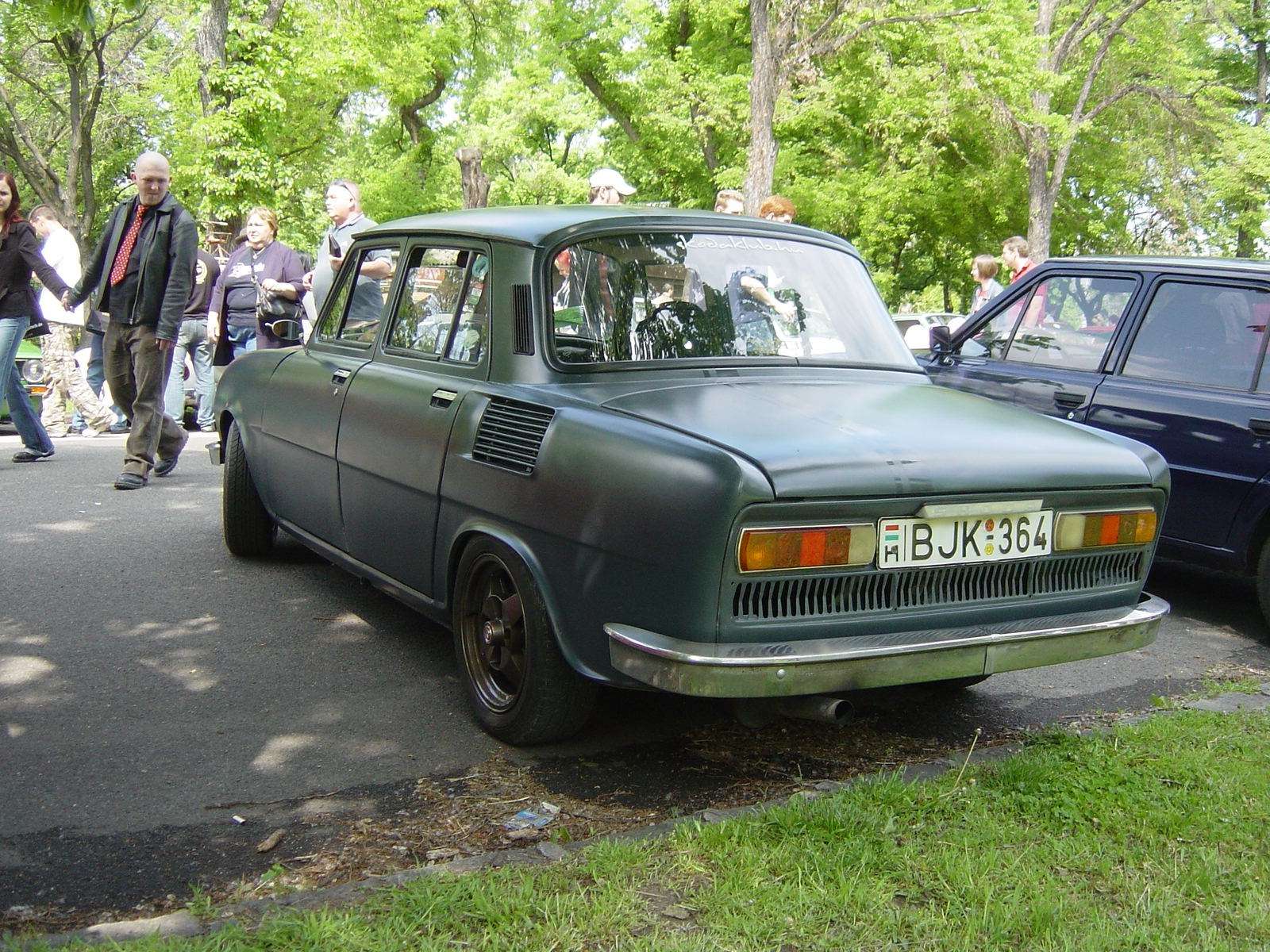
Featured image: Škoda 100/110 saloon. Photograph by János Tamás, CC BY 2.0, via Wikimedia Commons; locally hosted.
Development of the 1000 MB idea
The 100/110 retained the rear-mounted, water-cooled engine and rear-wheel-drive transaxle developed for the 1000 MB. New body panels gave the car a flatter, more modern appearance and improved serviceability. Front disc brakes were an important practical advance.
In Britain these cars competed primarily on price and equipment. Period jokes later obscured the fact that the engineering was straightforward, the cabin was roomy for the dimensions and the cars could be durable when maintained properly.

Models and specifications
| Version | Engine/output | Position |
|---|---|---|
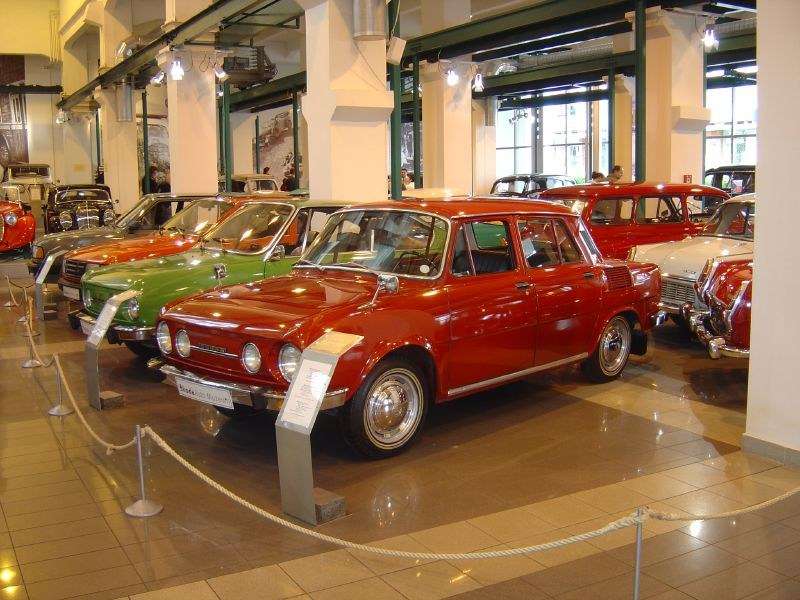
| 100 / 100 L | 988 cc, around 48 PS | Core economy saloons. |
| 110 L | 1,107 cc, around 53 PS | More flexible larger-engined model. |
| 110 LS | Higher-output 1,107 cc | Better-equipped performance-oriented saloon. |
| Production | 1969–1977 | 1,079,708 examples across the family. |
The related 110 R has its own coupé body and deserves separate treatment. This guide focuses on the four-door cars that formed the backbone of the range.
Love cars you don’t see every day?
Get forgotten cars, surprising motoring stories and the most interesting finds from Unusual Cars by email.
Free to join. No spam. Unsubscribe whenever you like. See our privacy policy.
How they drive
With little weight over the nose, steering is light and the turning circle is useful. Rear weight bias helps traction but can produce period-typical handling if a driver lifts abruptly in a bend. Correct tyre pressures, matched tyres and healthy dampers are essential.
The small engines reward momentum rather than hard acceleration. A sound car should cruise smoothly, shift cleanly and keep its temperature stable. Excess noise, vibration or wandering is a condition issue, not simply old-car character.
100, 110 and 110 LS distinctions
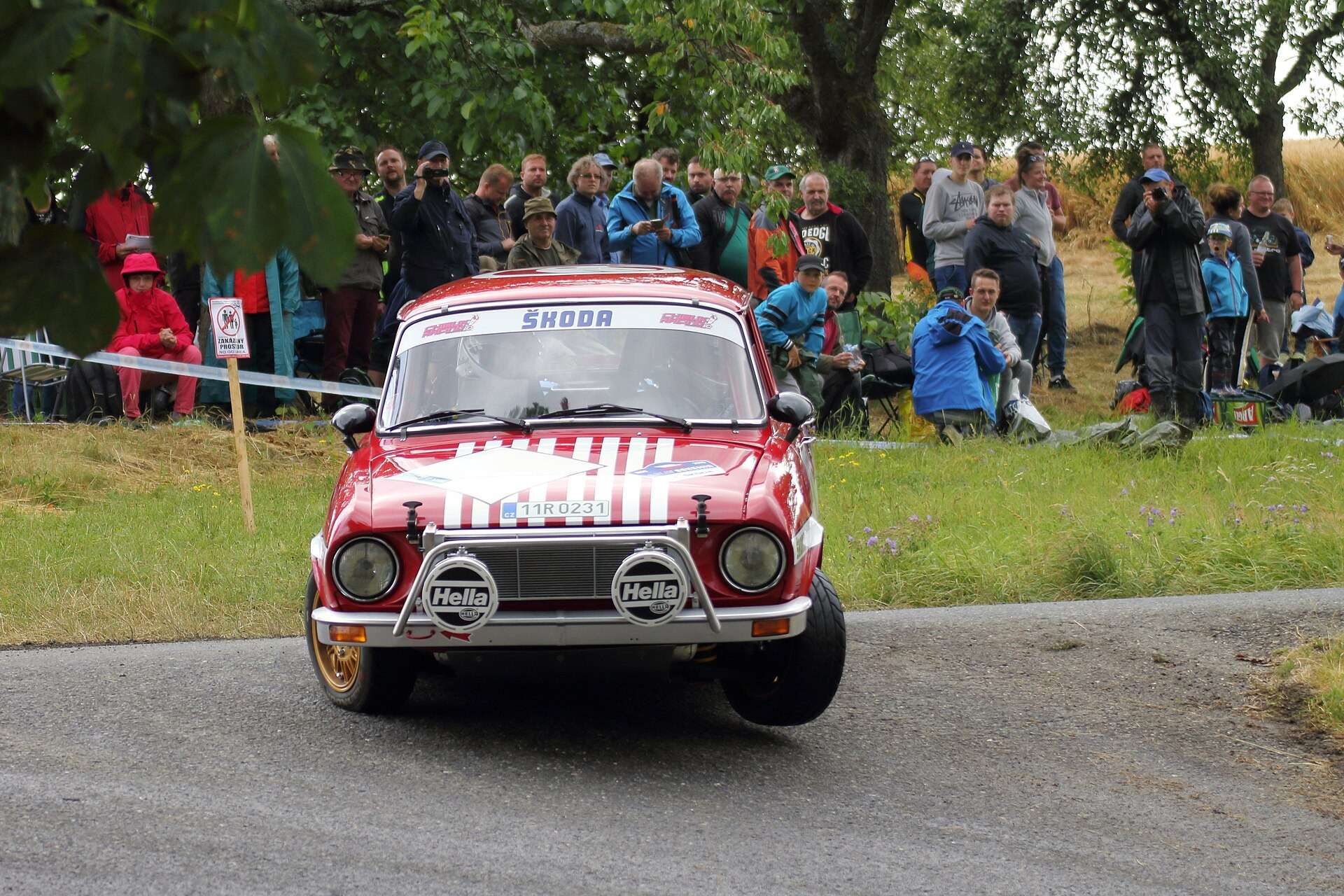
Badges alone are not enough to identify a version because many cars have been repaired with whatever parts were available. Compare the engine number, trim, dashboard, lamps and factory records. The 110 LS is particularly vulnerable to optimistic re-badging because it combines the saloon body with the most desirable specification.
The huge production total does not mean good parts cars remain plentiful in Britain. Many examples were used hard, modified or scrapped when values were low.
Buying checks
Rust and old repairs
Check sills, floors, jacking points, suspension mounts, wheelarches, door bottoms, luggage compartment and rear engine bay. Look for distorted seams, thick underseal and evidence of poorly repaired accident damage.
Cooling, engine and transaxle
Inspect the full cooling circuit for leaks and trapped air. Check cold start, oil pressure, smoke and crankcase breathing. Listen for bearing or transaxle noise and make sure all gears engage without jumping out.
Brakes, steering and trim
Seized calipers, old hoses, tired wheel cylinders and perished tyres are common recommissioning jobs. Play in the steering or rear suspension needs diagnosis. Complete lamps, hubcaps, brightwork and cabin trim materially improve a car’s value.

Sources
- Škoda Storyboard: classic Felicia history
- Škoda Storyboard: 60 years of Octavia
- Škoda Storyboard: 1000 MB history
- Škoda UK: Škoda 100 history
- Škoda UK: modern Felicia anniversary
Continue the Škoda story
These cars chart Škoda’s route from post-war engineering to its modern Volkswagen-era identity. Explore the complete Škoda hub, then read about the 1000 MB predecessor, then continue with the Škoda 110 R coupé.
Frequently asked questions
When were the Škoda 100 and 110 built?
They were produced from 1969 to 1977, with more than 1.07 million examples built.
Are the Škoda 100 and 110 rear-engined?
Yes. Both use a water-cooled rear engine with a rear-wheel-drive transaxle.
What is the difference between 100 and 110?
The 100 uses a roughly one-litre engine; the 110 uses a 1.1-litre unit, with the 110 LS offering the highest saloon output and equipment.
Is the 110 R included?
No. The 110 R is a separate two-door coupé and has its own Unusual Cars guide.
What is the biggest buying concern?
Structural rust and poor previous repairs come first, followed by cooling-system, transaxle and brake condition.