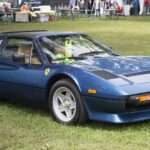
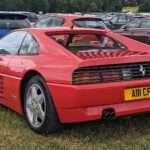
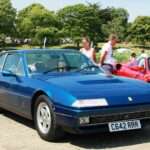
UNUSUAL CARS MODEL GUIDE
The Ferrari 328 GTB and GTS were the final development of the transverse, naturally aspirated V8 line that began with the 308. Built from 1985 to 1989, the 328 combined a larger 3.2-litre engine with smoother bodywork, a redesigned cabin and the same compact, mechanical character.
Quick answer: the fixed-roof GTB is rarer and stiffer; the removable-roof GTS is more numerous and offers open-air appeal. Both are among the more usable analogue Ferraris, but buyers still need proof of cambelt servicing, healthy cooling and fuel hoses, clean gearbox operation, sound suspension, careful body repairs and functioning electrics.
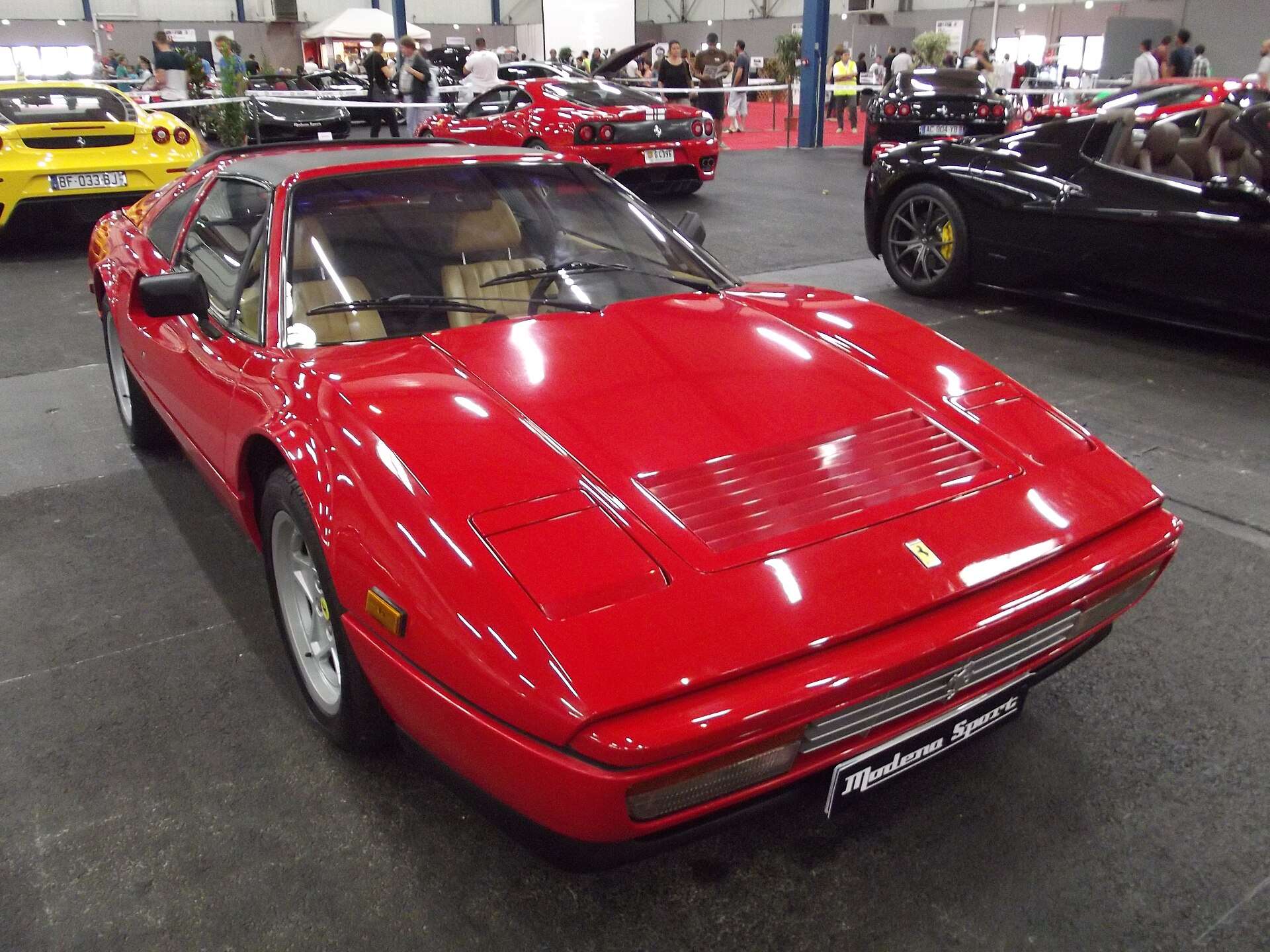
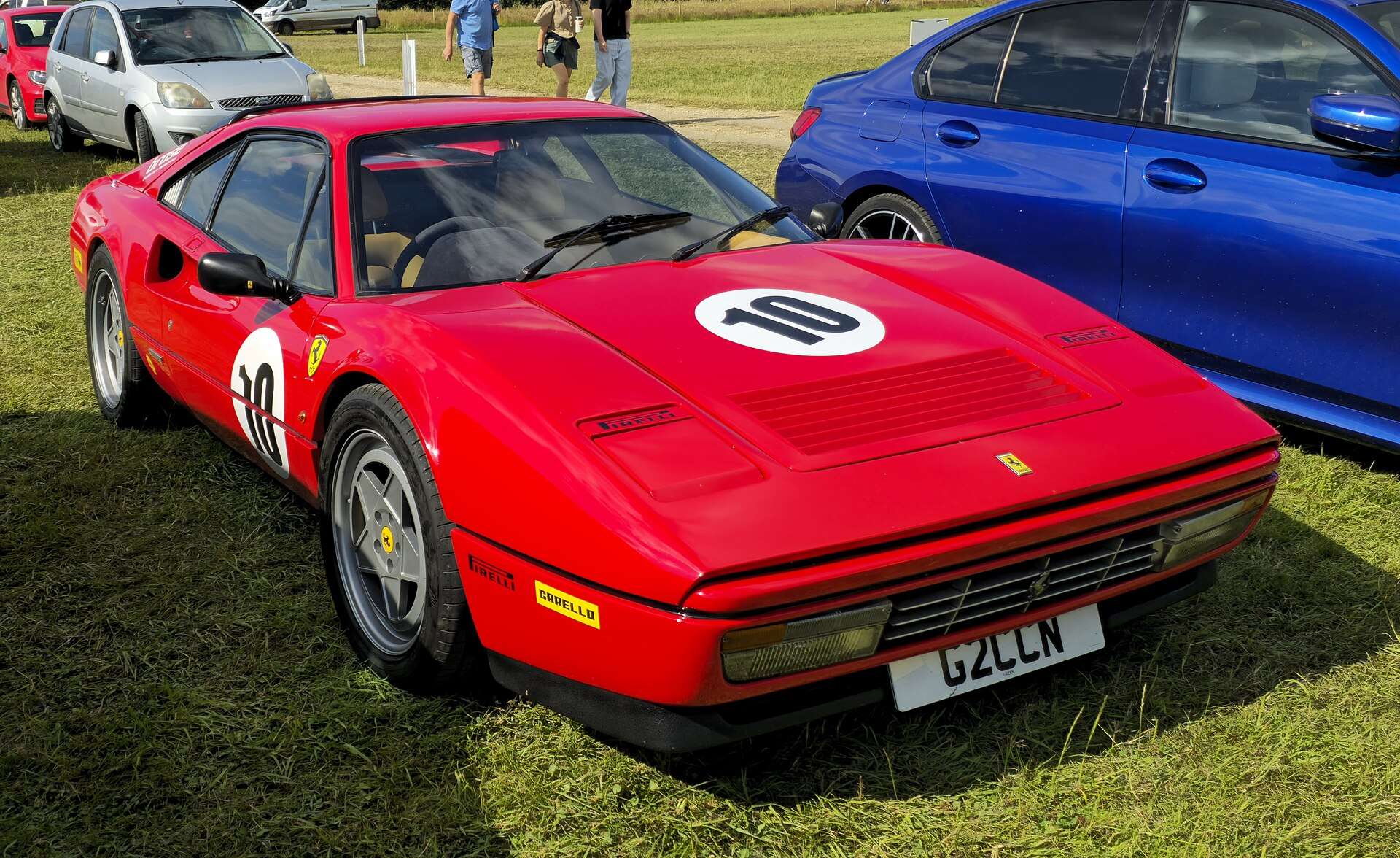
Featured image: red Ferrari 328 GTB front three-quarter. Photograph by Calreyn88, CC BY-SA 4.0, via Wikimedia Commons; locally hosted.
The last evolution of the 308 formula
Ferrari introduced the 328 at the 1985 Frankfurt Motor Show alongside the Mondial 3.2. Its tubular chassis and basic proportions evolved from the 308, but Pininfarina integrated the bumpers, softened the nose and tail and revised cooling details. The name again described the engine: approximately 3.2 litres and eight cylinders.
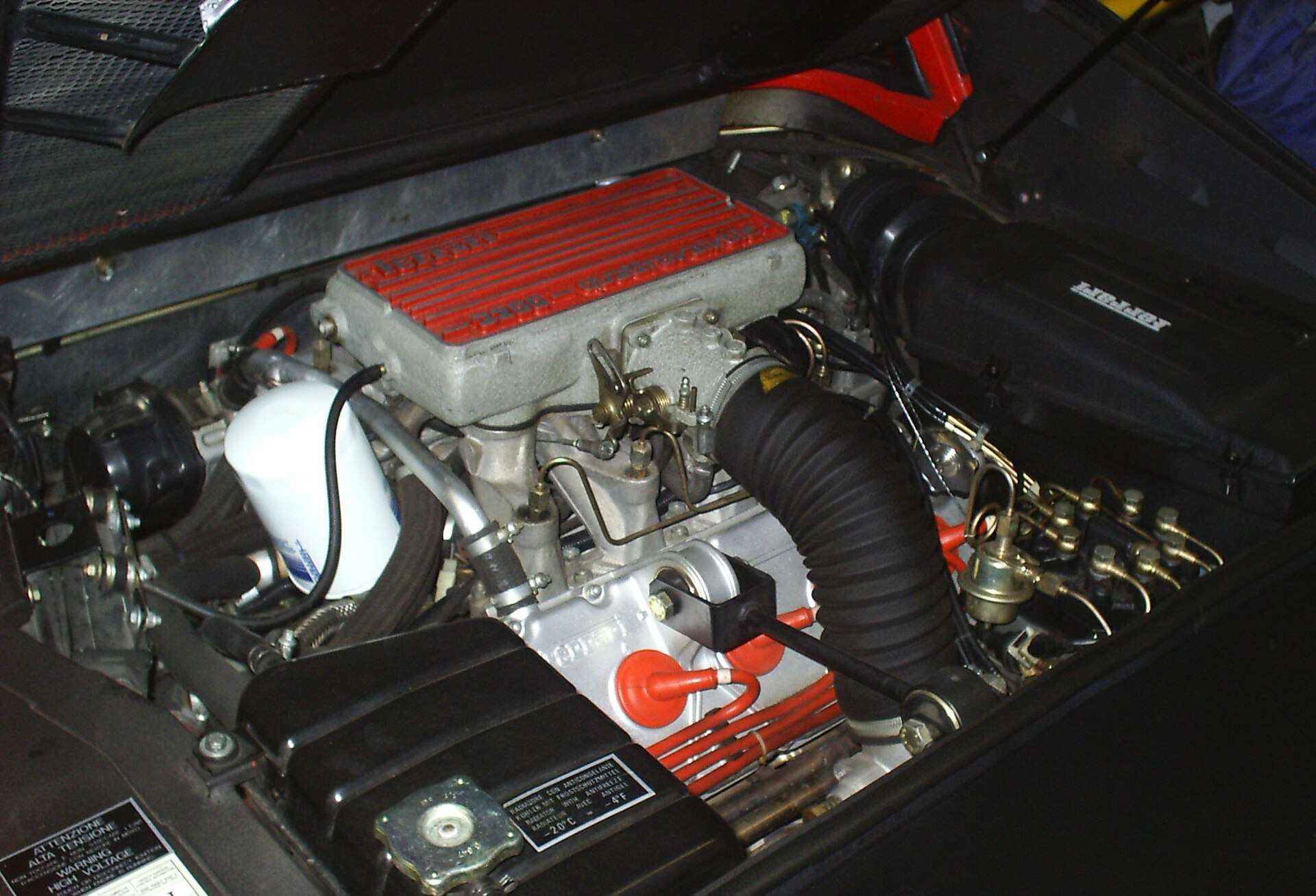
The transverse 3,185.76cc V8 used four valves per cylinder and Bosch fuel injection. Ferrari rated European cars at 270hp at 7,000rpm and a 263km/h top speed. A five-speed gated manual remained the only transmission. The 328 therefore represents the most developed version of the early two-seat V8 layout before the longitudinal-engine 348 replaced it.
GTB, GTS and late ABS cars
| Version | Body | Character |
|---|---|---|
| 328 GTB | Fixed-roof coupé | Rarer, stiffer body with the cleanest roofline |
| 328 GTS | Removable-roof targa | Most common form; roof stores behind the seats |
| Late ABS cars | GTB or GTS | Revised suspension geometry and convex wheel design |
Ferrari introduced anti-lock braking late in production, accompanied by suspension and wheel changes. Concave early wheels and convex ABS-era wheels are an easy visual clue, but build records should settle the specification. Market equipment, emissions components and power ratings vary, so a UK-market car should be assessed against its own original configuration.

Love cars you don’t see every day?
Get forgotten cars, surprising motoring stories and the most interesting finds from Unusual Cars by email.
Free to join. No spam. Unsubscribe whenever you like. See our privacy policy.
Engine, belts and cooling
The V8 is robust when maintained. Confirm belt and tensioner dates, valve-clearance checks, ignition work and regular fluid changes. Look for oil leaks around cam covers and seals, listen for bearing or valvetrain noise and ensure cold and hot oil pressure are sensible. Fuel hoses, filler connections and injectors should be examined carefully because age matters as much as mileage.
Cooling problems can begin with a tired radiator, water pump, thermostat, header tank, hoses or fans. The temperature must remain stable in traffic. A neglected car may look excellent while hiding hardened hoses and old belts, so invoices are more useful than a low odometer.
Gearbox, steering and chassis
The dog-leg five-speed often resists second gear before the oil warms, but baulking or crunching when hot requires attention. Check clutch weight, release-bearing noise, driveshaft seals and differential sound. The steering is unassisted and should become light and precise once moving.
Inspect dampers, bushes, ball joints, wheel bearings and rack mounts. Correct Michelin or equivalent tyres in matched, recent sets make a marked difference. Wheels must be the right type for the car and free from cracks or poor refinishing. Brakes should pull straight without vibration, and ABS warning behaviour on late cars must be correct.

Body, roof and originality
The body mixes steel with aluminium panels, so inspect sills, lower doors, wheelarches, screen surrounds, floors and mounting points as well as corrosion around dissimilar metals. Accident damage and inaccurate restoration are greater risks than cosmetic stone chips. Panel fit was hand-finished, but major asymmetry, overspray and disturbed seams warrant specialist investigation.
On a GTS, check the roof panel, latches, seals and the condition of the storage cover. Test windows, fans, air conditioning, lights and instruments. Dash coverings can shrink and leather can dry or split. Books, tools, keys and documented ownership strengthen provenance, while non-standard exhausts or wheels should be clearly identified.

Sources and further reading
- Ferrari: 328 GTS factory specifications
- Ferrari: 328, last act
- Car & Classic: Ferrari 328 model guide
Continue the Ferrari story
Explore the complete Ferrari hub. Continue with the Ferrari 308 and Ferrari 348.
Frequently asked questions
What is the difference between Ferrari 328 GTB and GTS?
The GTB is a fixed-roof coupé. The GTS uses a removable roof panel and was produced in much greater numbers.
What engine does the Ferrari 328 use?
It uses a transverse 3,185.76cc naturally aspirated V8 with four valves per cylinder and 270hp in European factory specification.
How can you identify a late ABS Ferrari 328?
Late ABS-equipped cars use revised suspension geometry and a convex wheel design, although build documentation is the best confirmation.
Does a Ferrari 328 need cambelt changes?
Yes. Service history should document belt and tensioner replacement by date as well as mileage.
What should be checked before buying a Ferrari 328?
Check belt history, fuel and cooling hoses, gearbox and clutch, suspension, tyres, corrosion, accident repairs, roof seals, electrics and provenance.