UNUSUAL CARS MODEL GUIDE
The first-generation Bentley Continental GTC translated the 2003 Continental GT formula into a four-seat convertible capable of nearly 200mph. Shown in 2005 and delivered from 2006, it combined a fully lined fabric roof with the twin-turbo W12, permanent four-wheel drive and hand-finished cabin of the coupé.
Quick answer: the Mk1 GTC is temptingly affordable but remains an extremely complex Bentley. Inspect the roof through several complete cycles, then check drains, water ingress, W12 cooling, transmission, air suspension, brakes, tyres, glazing, electronics and service history.
Featured image: black first-generation Bentley Continental GTC. Photograph by Vauxford, CC BY-SA 4.0, via Wikimedia Commons; locally hosted.
Turning the Continental GT into a convertible
The GTC shared the GT’s compact-looking proportions, Volkswagen Group D1 architecture and 5,998cc twin-turbo W12. Its multi-layer fabric roof folded beneath a hard tonneau without sacrificing the formal rear seats that distinguished it from a two-seat roadster. Structural reinforcement inevitably added mass, yet the car retained the effortless high-speed character expected of a Continental.
Early cars produced 550bhp and 650Nm through a six-speed ZF automatic and Torsen-based all-wheel drive. Contemporary figures put 0–60mph at about 4.8 seconds and the maximum near 195mph with the roof raised. The appeal was not simply acceleration: four occupants could cross countries quickly with the roof up, then open the cabin at the destination.

Versions and changes
| Version | Character |
|---|---|
| Continental GTC | Original 550bhp W12 convertible launched for the 2006 model year |
| GTC Speed | 600PS, firmer chassis settings, detail changes and a higher top speed |
| GTC Series 51 | Factory colour and trim themes with distinctive wheels and cabin detailing |
| Continental Supersports Convertible | 621bhp, reduced weight, two-seat layout and flex-fuel capability at the end of the generation |
Factory Mulliner options and later cosmetic alterations are common. Establish the original build specification before paying a premium for badges, wheels or trim that may have been added later.

Love cars you don’t see every day?
Get forgotten cars, surprising motoring stories and the most interesting finds from Unusual Cars by email.
Free to join. No spam. Unsubscribe whenever you like. See our privacy policy.
Roof, drains and body
Operate the roof from fully closed to fully stowed and back again more than once. It should move evenly without hydraulic leaks, strained motors, warning messages or misalignment at the header rail. Inspect the fabric, rear window, seals, latches, cables and tonneau mechanism. Clear drains are essential: water beneath carpets or in the boot can damage expensive electronic modules.
Check frameless windows drop and rise correctly with each door movement and seal against the hood. Look for cloudy lamps, corroded panel edges, bent wheels and previous repairs to the mixed-material body. Scuttle shake or rattles beyond the normal convertible character may point to tired suspension or poor accident work.

W12, transmission and all-wheel drive
The W12 is powerful and durable when maintained, but its dense packaging makes leaks and cooling work expensive. Start from cold and watch for smoke, uneven idle, misfires, coolant loss, oil leaks or warning lamps. Allow the car to reach full temperature and verify stable cooling, clean boost and fault-free operation under load.
The six-speed automatic should engage promptly and shift smoothly. Shudder, delayed selection or driveline knocks can involve the gearbox, mounts, propshaft or differentials. Matched tyres with similar tread depth protect the permanent four-wheel-drive system; a mixture of sizes, brands or wear levels is a warning sign.

Suspension, brakes and cabin
Air suspension should keep the car level after standing and change height without overworking the compressor. Worn control arms, bushes and dampers make the heavy convertible feel loose or crashy. Large brakes are costly, so inspect discs and pads and test for vibration from speed. Check inner tyre shoulders and wheel rims carefully.
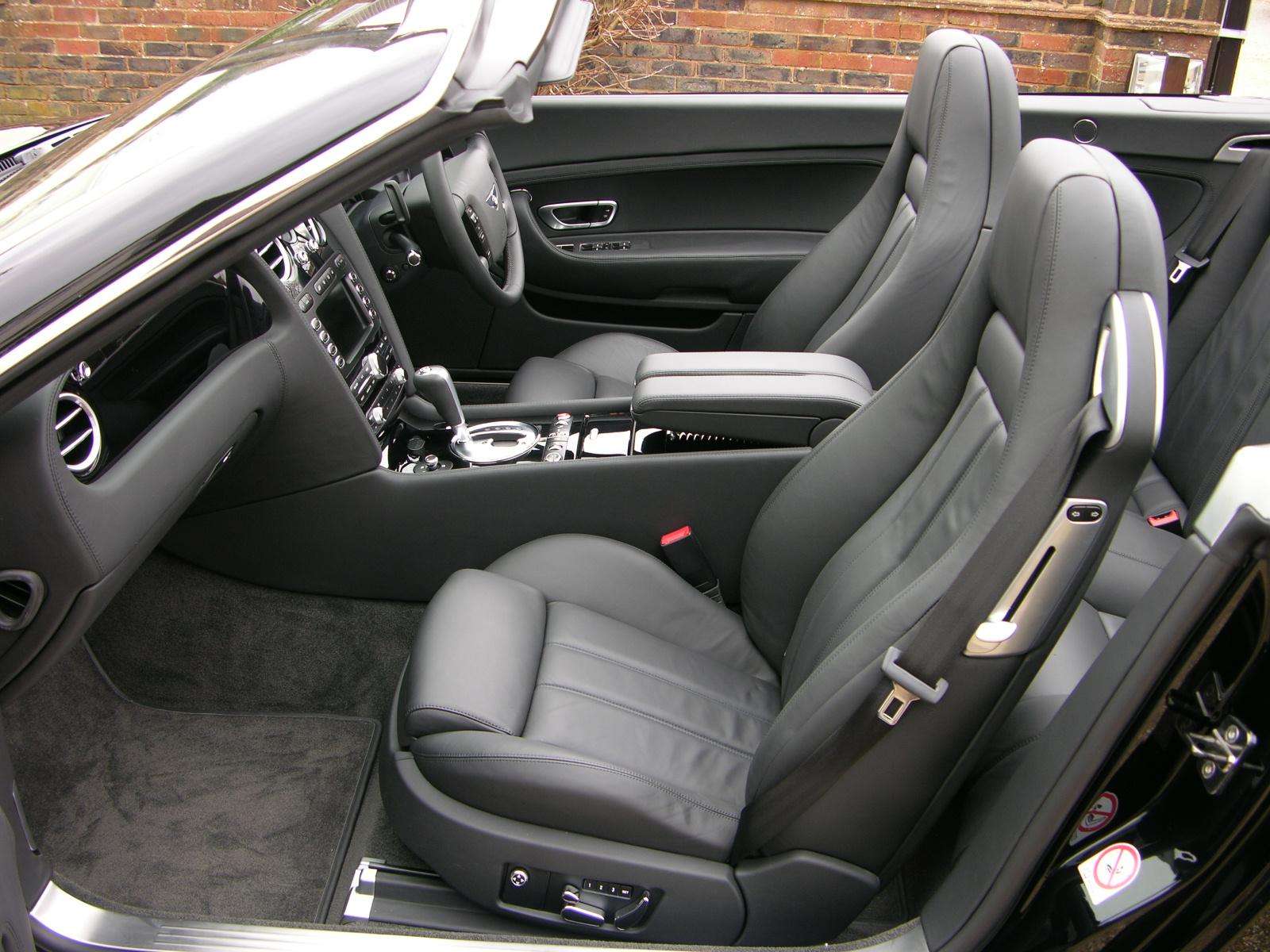
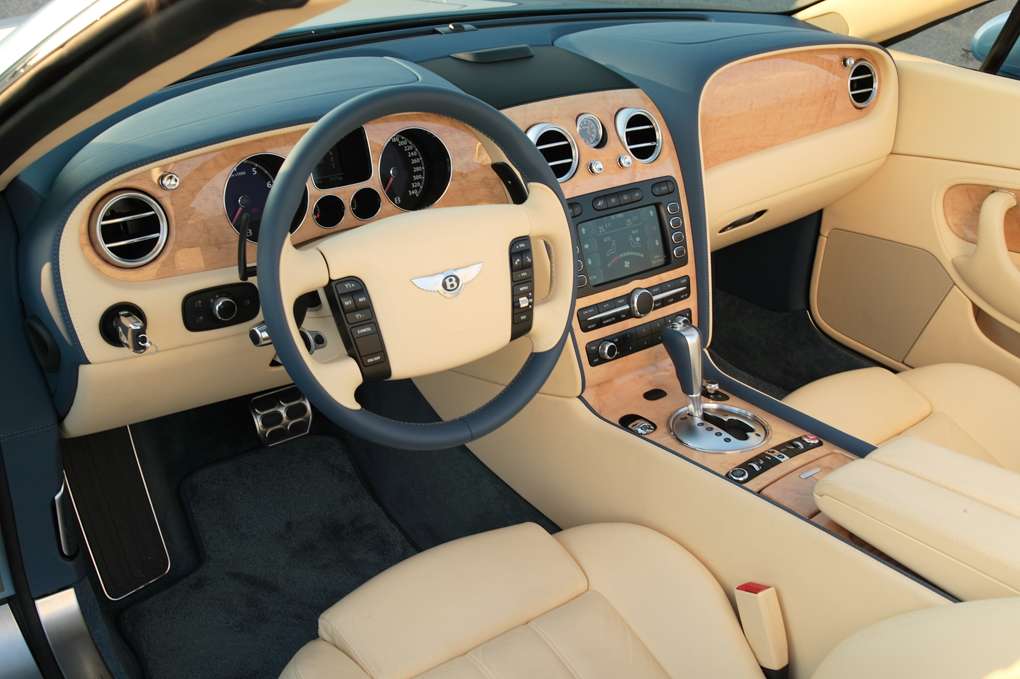
Test every seat function, window, mirror, lock, parking sensor, climate setting, infotainment feature and roof-related switch. Inspect double-glazed side windows for delamination, veneer for cracks, leather for shrinkage and the headlining for damage. A strong, correctly specified battery matters because low voltage can trigger spurious faults.
Which first-generation GTC should you buy?
A standard 550bhp car already supplies the essential experience and is usually the rational choice. The Speed adds sharper responses, while the scarce Supersports Convertible is more focused and less practical because it is a two-seater. Original condition and thorough history are more important than headline specification.
Before purchase, obtain a Bentley specialist inspection with a full diagnostic scan, cooling-system pressure test, roof assessment and underside examination. Budget for age as well as mileage: seals, hoses, batteries, tyres and suspension deteriorate even when a car has spent years in storage.
Sources and further reading
- Bentley Heritage Collection: Continental GT family history
- Bentley: 20 years of the Continental GT
- Classics World: Bentley Continental buying guide
- Classic & Sports Car: Bentley Continental buyer’s guide
Continue the Bentley story
Explore the complete Bentley hub. Continue with the Bentley Continental GT Mk1 and Bentley Azure.
Frequently asked questions
When did the first Bentley Continental GTC arrive?
It was shown in 2005 and customer deliveries began in 2006.
What engine is in the Mk1 Continental GTC?
A 5,998cc twin-turbocharged W12 driving all four wheels through a six-speed automatic.
Is the GTC a four-seater?
Yes. Standard GTC models have two front and two rear seats; the rare Supersports Convertible is a two-seater.
What are the main roof checks?
Cycle it repeatedly and inspect hydraulic operation, motors, latches, fabric, rear window, seals, tonneau cover, drains and water ingress.
Is the GTC Speed the same as the Supersports Convertible?
No. The Speed is a faster luxury derivative; the later Supersports is more powerful, lighter and configured as a two-seater.