UNUSUAL CARS MODEL GUIDE
The Bentley R-Type Continental was the fastest four-seat production car of its era and one of the defining post-war Bentleys. Built from 1952 to 1955, it combined a tuned 4.6-litre straight-six chassis with a light, wind-cheating body; 208 were completed, 193 with H.J. Mulliner’s celebrated fastback coachwork.
Quick answer: authenticity and restoration quality dominate any R-Type Continental purchase. Chassis, coachbuilder, body number, engine, gearbox and specification must be checked against factory and club records before structural, mechanical and road-test assessment.
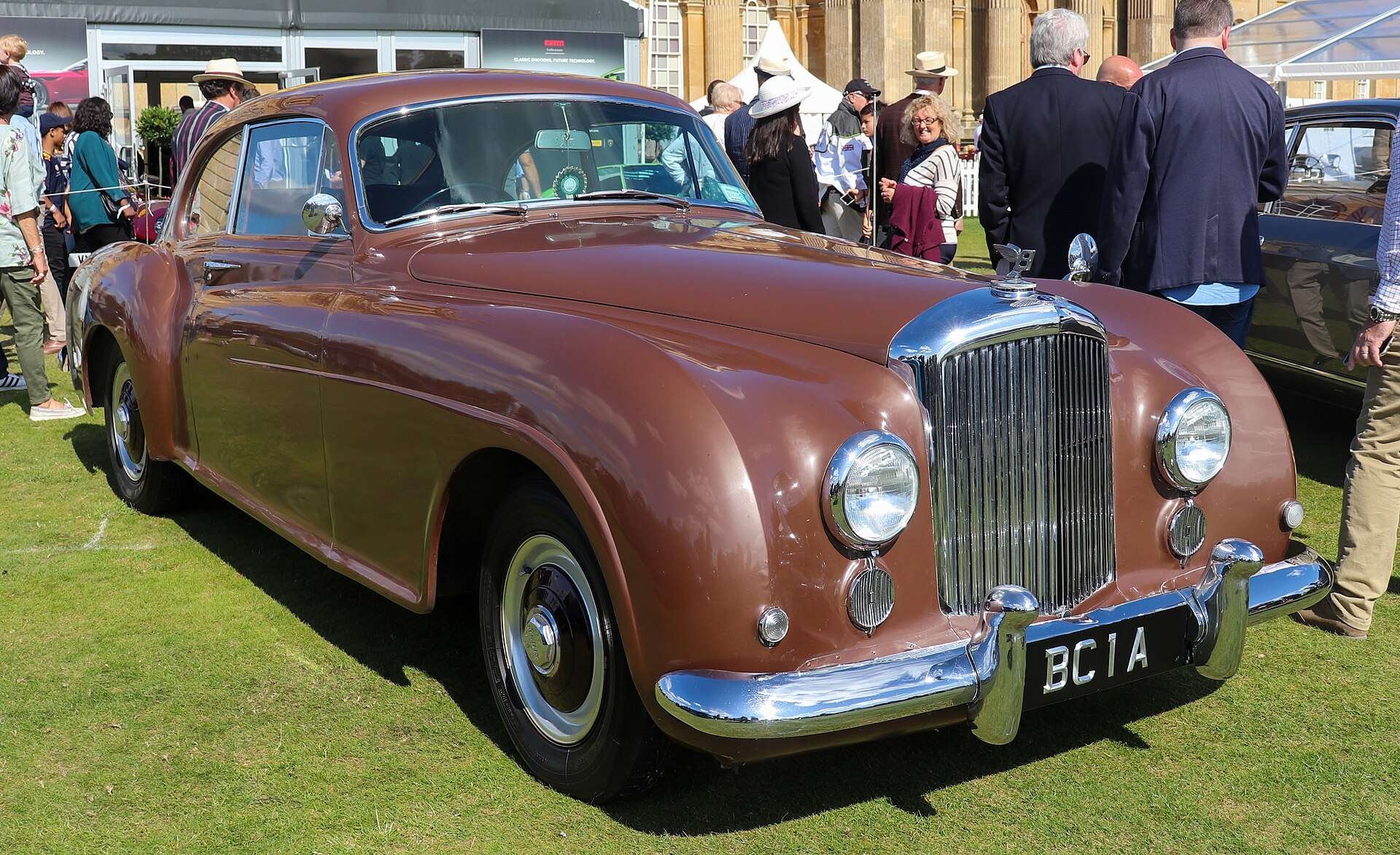
Featured image: bronze Bentley R-Type Continental H.J. Mulliner fastback. Photograph by Vauxford, CC BY-SA 4.0, via Wikimedia Commons; locally hosted.
Built for sustained high speed
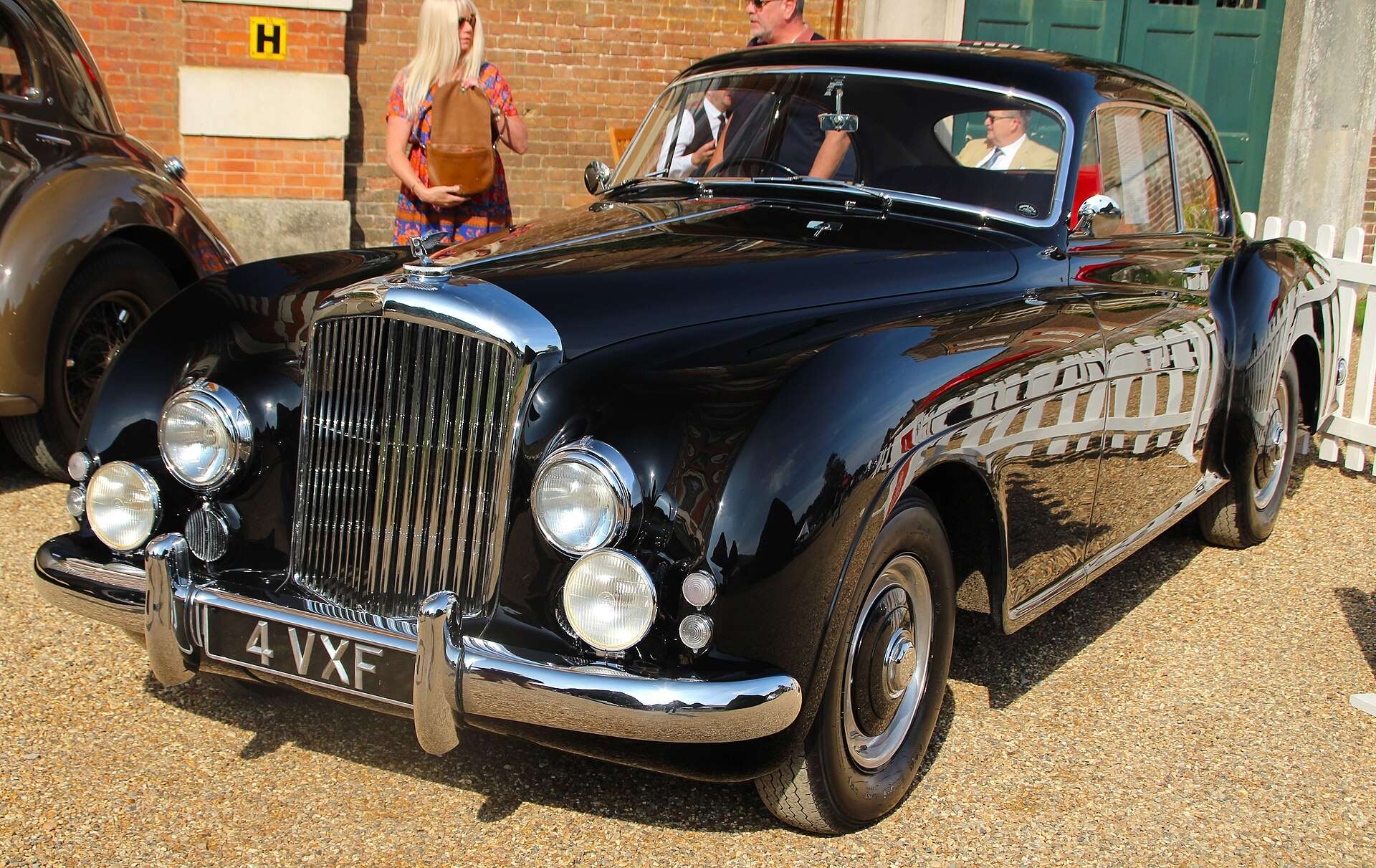
Bentley chief projects engineer Ivan Evernden and stylist John Blatchley developed a lightweight continental tourer around the R-Type chassis. H.J. Mulliner’s aluminium body used careful aerodynamics and minimal frontal area to reduce drag without sacrificing four seats or luggage capacity.
The prototype averaged 118.75mph over five laps at Montlhéry. Production cars used a 4,566cc straight-six producing about 153bhp, usually with a four-speed manual gearbox. Bentley quotes 115mph and 0–62mph in 13.6 seconds—figures that made it extraordinary in 1952.
Production and development
| Item | Detail |
|---|---|
| Production | 208 cars, 1952–1955 |
| H.J. Mulliner fastbacks | 193 cars |
| Engine | 4,566cc inline six, approximately 153bhp |
| Transmission | Four-speed manual on most cars; a minority were automatic |
| Performance | 115mph maximum; 0–62mph in 13.6 seconds |
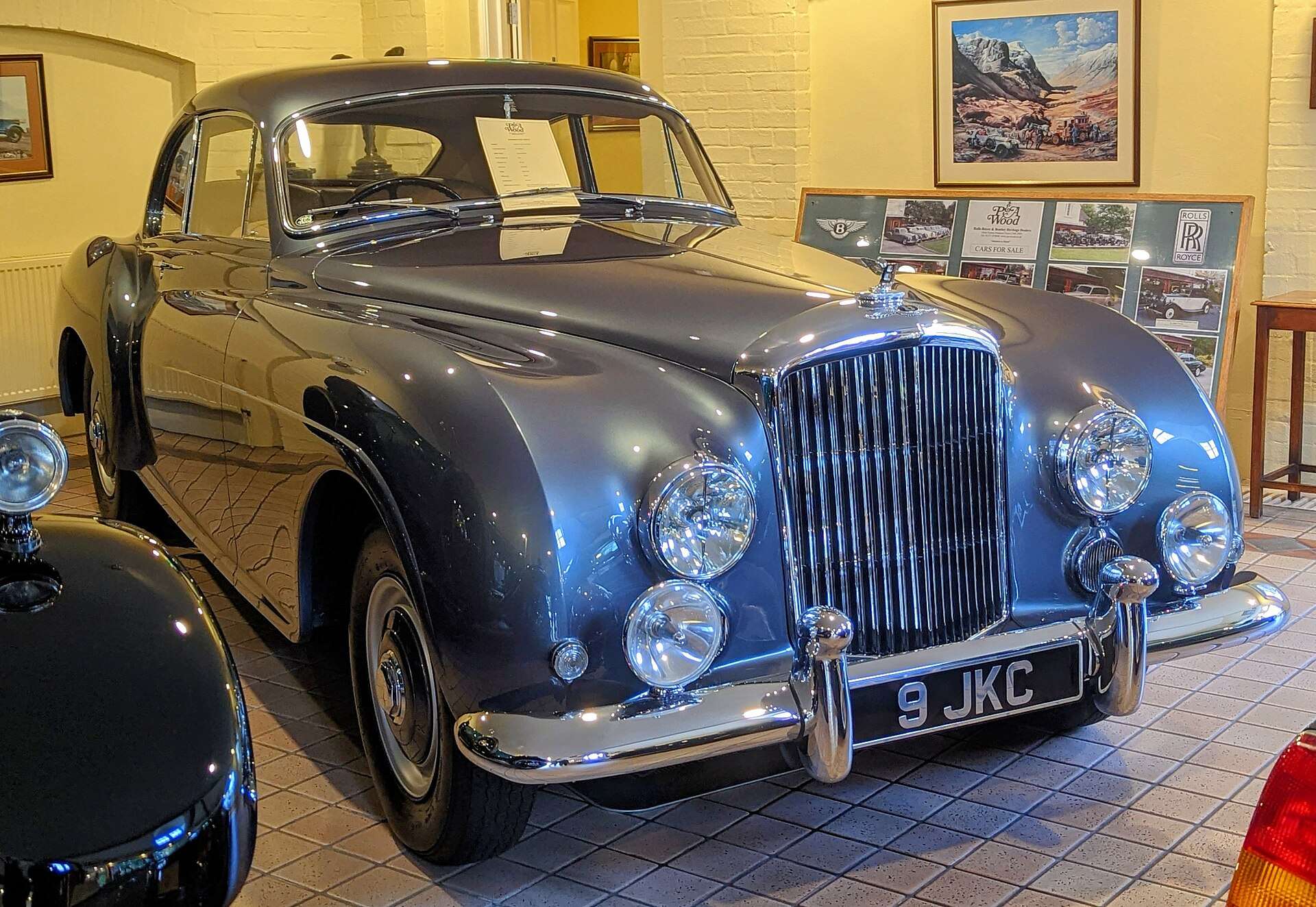
Detail changes accumulated through the production series, including engine tune, gearing, ventilation and trim. A small number of chassis carried bodies by other coachbuilders, so the definitive description of any car comes from its factory build record rather than appearance alone.

Love cars you don’t see every day?
Get forgotten cars, surprising motoring stories and the most interesting finds from Unusual Cars by email.
Free to join. No spam. Unsubscribe whenever you like. See our privacy policy.
Identity and provenance
Start with chassis, engine, body and gearbox numbers. Compare them with the Bentley build sheet, H.J. Mulliner records and recognised marque-register information. Confirm original colours, delivery specification and every major change. A replacement engine or rebodied chassis may still form an important historic car, but it must be described and valued accurately.
Trace ownership, competition or event history, restorations and invoices. Period photographs and correspondence can resolve questions that a modern inspection cannot. Because values are high, use independent experts rather than relying solely on documents supplied by a seller.

Body, chassis and mechanical condition
The aluminium skin, steel framework and coachbuilt fittings require specialist knowledge. Look for electrolytic corrosion, poor panel fit, cracking around mounts, previous accident damage and distortion of doors or tail. Inspect the separate chassis for corrosion, fatigue and old repairs, and check that unique glass, brightwork and interior fittings are present.
The straight-six should show healthy oil pressure, stable cooling and even compression without persistent smoke or bearing noise. Assess the gearbox, clutch, rear axle, steering, brakes, dampers, springs and wheel condition on a meaningful road test. Authentic-looking cosmetic restoration is not proof of correct mechanical assembly.

Driving and stewardship
A properly set-up R-Type Continental is a long-legged grand tourer rather than a modern sports car. Steering, brakes and gearbox require deliberate inputs, but the car should feel stable and cohesive at speed. Heavy steering, overheating, vibration or wandering indicate work rather than character.
Ownership is stewardship of a scarce historic object. Maintenance, sympathetic use and documented decisions protect both the car and its history. Before purchase, commission separate provenance and mechanical reports and agree exactly which claims each expert is verifying.
Sources and further reading
- Bentley: R-Type Continental anniversary history
- Bentley: 70 years of the R-Type Continental
- Bentley Motors: history and heritage
- Bonhams: documented R-Type Continental reference
Continue the Bentley story
Explore the complete Bentley hub. Continue with the Bentley T-Series and Bentley Continental GT Mk1.
Frequently asked questions
How many Bentley R-Type Continentals were built?
Bentley records 208 cars, of which 193 wore the H.J. Mulliner fastback Sports Saloon body.
How fast was the R-Type Continental?
Bentley quotes a 115mph maximum; the prototype averaged 118.75mph over five laps at Montlhéry.
What engine does it use?
A tuned 4,566cc inline six producing approximately 153bhp.
Were all R-Type Continentals fastbacks?
No. Most were H.J. Mulliner fastbacks, but a small number received alternative coachbuilt bodies.
What is the most important buying check?
Verify identity and provenance against factory and recognised register records, then commission independent body, chassis and mechanical inspections.