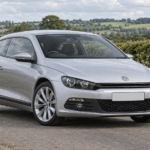
The second-generation Volkswagen Scirocco was a practical Golf-based coupé with a sharper story than its familiar mechanical ingredients suggest.

1. It arrived in 1981
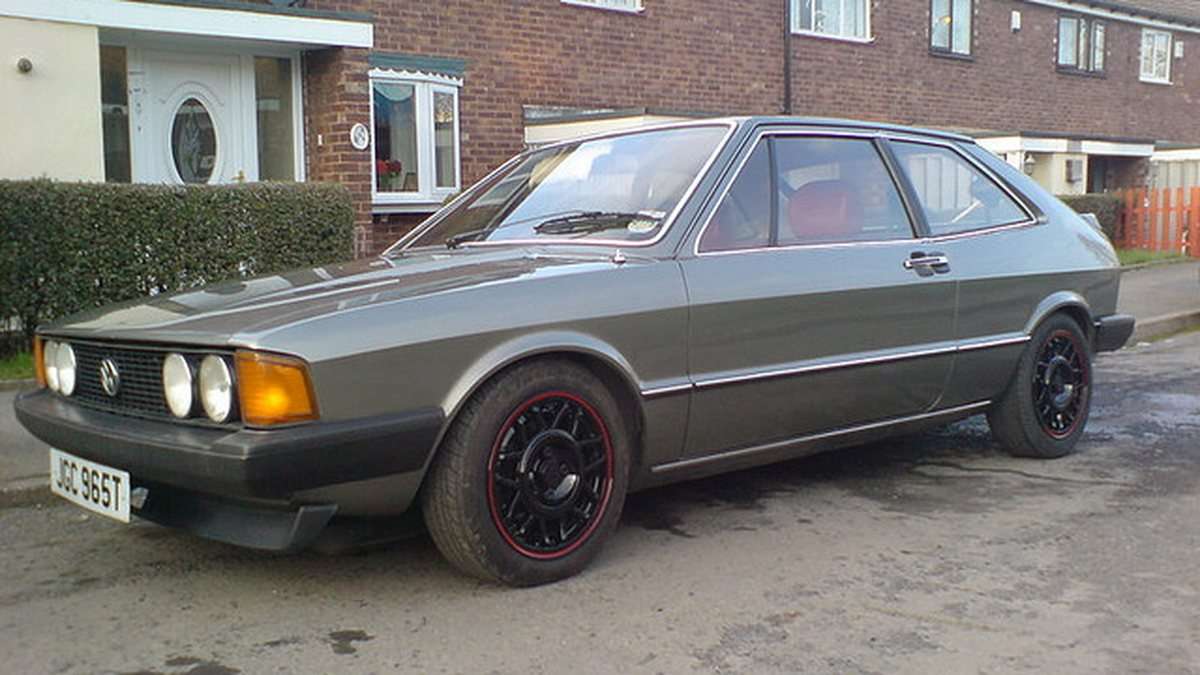
The Type 53B replaced the original Giugiaro Scirocco in spring 1981. It was longer, roomier and more aerodynamic, but retained the proven front-wheel-drive layout that made the first car affordable to own.
2. Giugiaro did not design it
Volkswagen considered Giorgetto Giugiaro’s proposal but chose an in-house design developed under chief designer Herbert Schäfer. The crisp wedge and high rear spoiler were therefore Wolfsburg’s own interpretation of the 1980s sports coupé.
3. Its roots still lay in the Golf Mk1
While the Golf moved to a new generation, the Mk2 Scirocco continued on the earlier A1 platform. That meant familiar engines and running gear, helping keep servicing straightforward and the car relatively light.
4. Karmann built every one
Production took place at Karmann’s Osnabrück factory rather than Volkswagen’s main plants. The coachbuilder’s involvement continued a partnership established by the original Scirocco.
Love cars you don’t see every day?
Get forgotten cars, surprising motoring stories and the most interesting finds from Unusual Cars by email.
Free to join. No spam. Unsubscribe whenever you like. See our Privacy Policy.
5. It was usefully more practical than it looked
The taller roofline and longer body improved rear space and luggage capacity. With a large glass hatch and folding rear seat, it could serve as everyday family transport while still looking markedly more exotic than a Golf.
6. The GTX 16V was genuinely quick
The 1.8-litre sixteen-valve engine produced 139 PS. Volkswagen quoted 0–100 km/h in 8.1 seconds and 208 km/h, putting the late Scirocco within reach of much more expensive sports cars.
7. Sixteen-valve cars received more than an engine
Rear disc brakes, larger front brakes and detail chassis changes accompanied the extra performance. Their wider body kit and distinctive badging made the fastest factory cars easy to recognise.
8. Special editions became a major part of the range
Names including Scala, GTX and White Cat mixed engines, colours, wheels and trim for particular markets. Specifications varied by country, so badges alone do not always reveal exactly what equipment a survivor left the factory with.
9. It overlapped the Corrado
The Corrado arrived in 1988 but did not immediately kill the Scirocco. Volkswagen sold the two coupés alongside one another, leaving the older car as the more affordable choice until production ended on 7 September 1992.
10. Nearly 300,000 were built
Volkswagen records 291,497 Mk2 Sciroccos. Once commonplace, they became vulnerable to corrosion, modification and cheap-car neglect; good GTX and Scala survivors now trigger exactly the nostalgia that ordinary used cars rarely receive.
Keep exploring
Read our complete Scirocco Mk1 and Mk2 guide, then visit the 10 Things hub.
Love cars you don’t see every day?
Get forgotten cars, surprising motoring stories and the most interesting finds from Unusual Cars by email.
Free to join. No spam. Unsubscribe whenever you like. See our Privacy Policy.
Sources and further reading
- Volkswagen Classic model archive: Scirocco II
- Volkswagen Newsroom: Scirocco history
- Karmann production history