
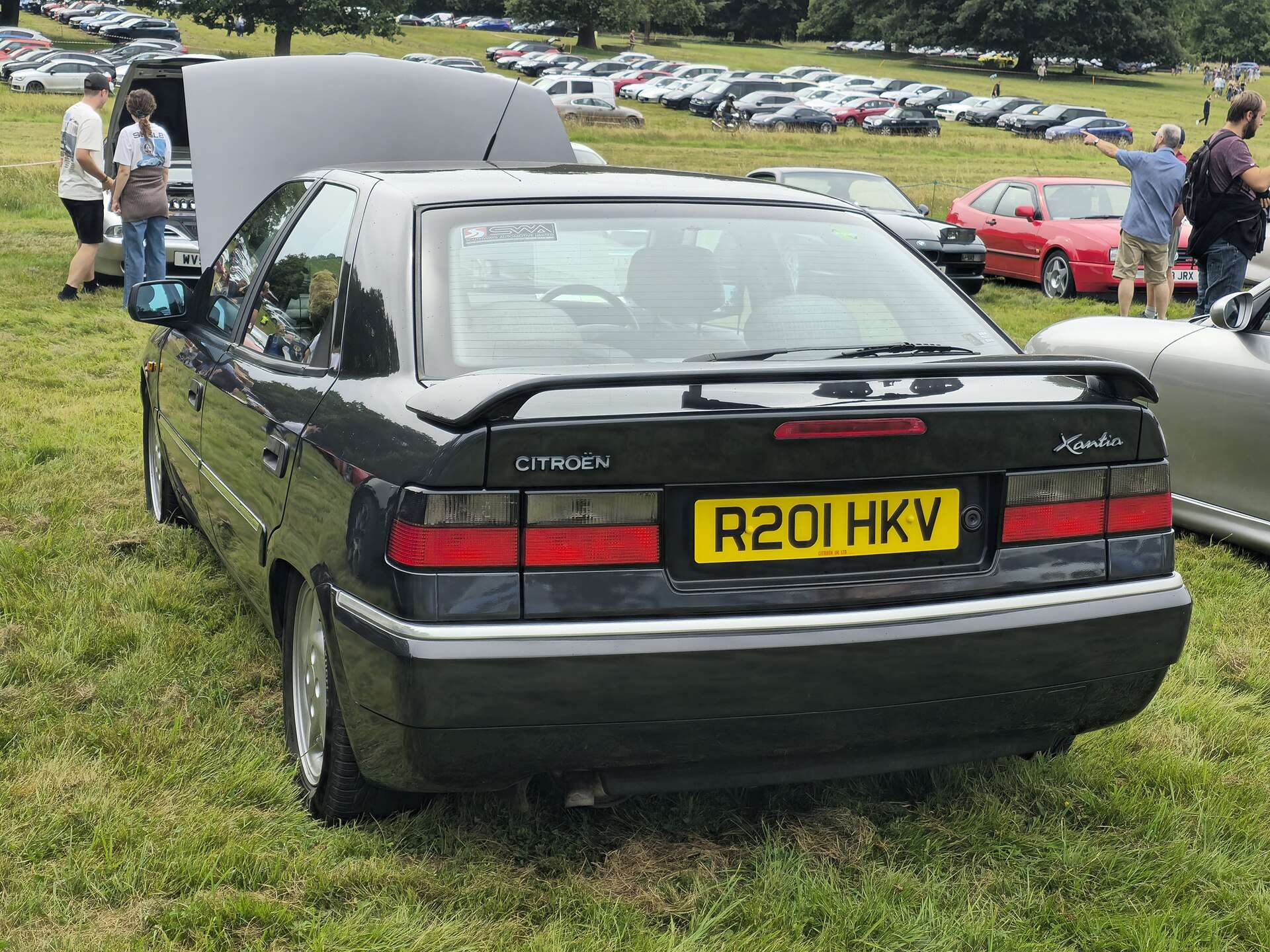
The Citroën Xantia Activa looked like an ordinary 1990s family hatchback, but its hydraulic anti-roll system gave it cornering behaviour that still sounds improbable. It was one of the most sophisticated road cars Citroën ever produced.
1. Activa actively resisted body roll
Its SC.CAR system used hydraulic rams linked to the anti-roll bars, counteracting lean rather than merely relying on very stiff conventional springs.
2. Maximum roll was approximately half a degree
Even under hard cornering the body remained almost level, preserving tyre geometry and giving passengers the uncanny sensation that the road—not the car—was tilting.
3. It still used Hydractive suspension
Activa added roll control to Citroën’s Hydractive II system, which varied suspension firmness while retaining the self-levelling and ride-height abilities expected of a hydraulic Citroën.
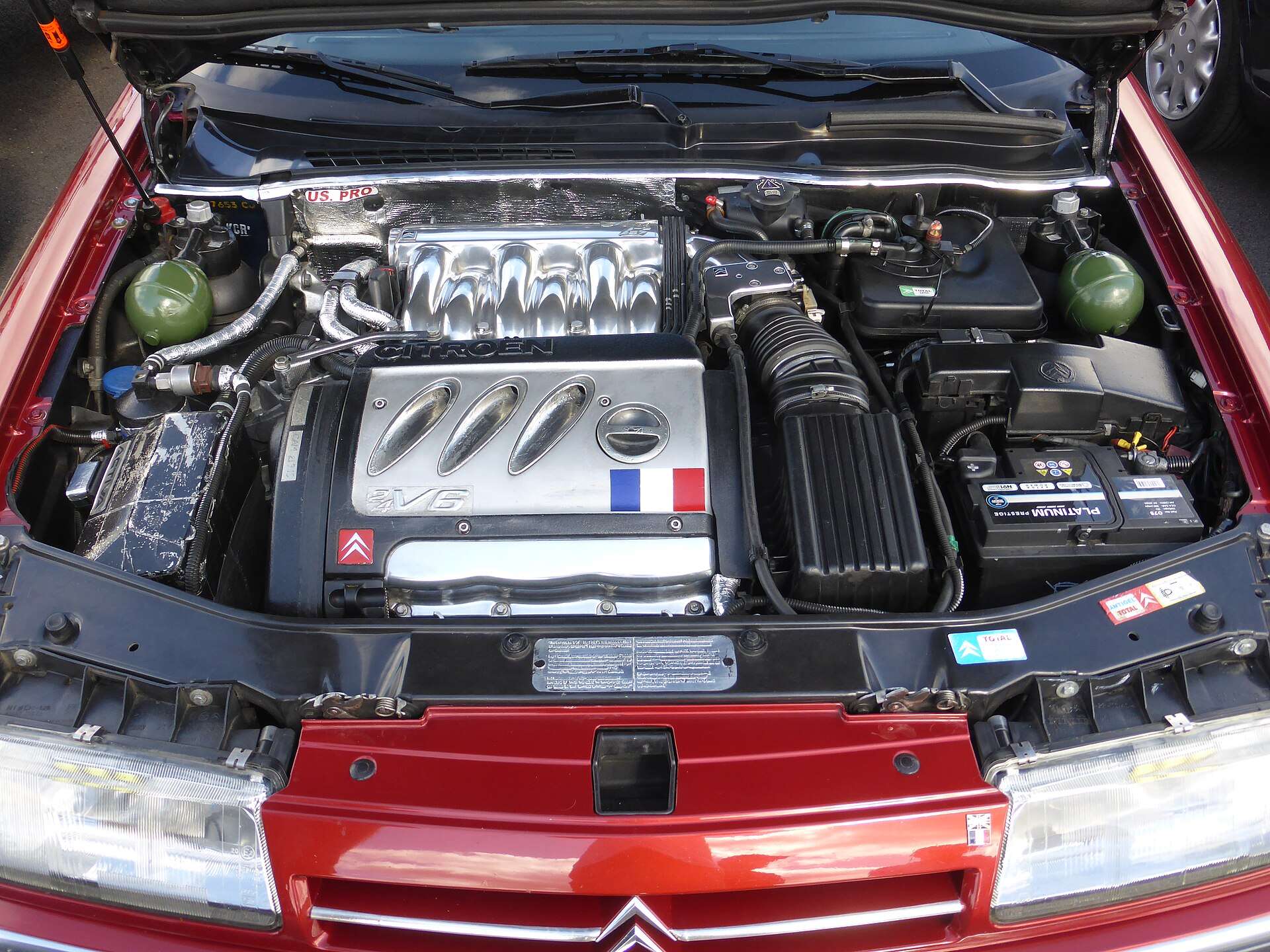
4. It could contain ten hydraulic spheres
The full system was complex, with spheres handling springing, pressure reserves, firmness and roll control. Correct diagnosis matters more than simply replacing random parts.
Love cars you don’t see every day?
Join the Unusual Cars Club for new “10 Things” articles, forgotten cars and surprising motoring stories by email.
5. The fastest version used a 3.0-litre V6
Late European Activa V6s paired the system with PSA’s smooth 24-valve engine. Other markets received turbocharged petrol and diesel versions.
6. Britain missed several desirable combinations
UK specification was more limited than continental Europe, which is why left-hand-drive V6 and turbo Activas attract particular enthusiast interest.

7. The basic Xantia shape involved Bertone
Citroën’s design team worked with Bertone on the clean, restrained profile. Nothing about it prepared other drivers for the Activa’s cornering ability.
8. It became famous in the Swedish “moose test”
The Activa recorded an exceptional lane-change result in period testing, a feat that continues to circulate because many far newer sports cars have struggled to match it.
9. Special tyres were part of the system
Citroën and Michelin developed specifications suited to the unusual loads generated by flat cornering. Correct tyres and alignment remain important.
10. Neglect, not hydraulics, is the real danger
Specialist knowledge can keep the system reliable, but perished strut-return pipes, tired bushes, incorrect spheres and seized linkages quickly destroy the experience.
Continue the story: read our Xantia Activa guide, explore the Citroën hub, or visit the 10 Things hub.
Join the Unusual Cars Club
Research basis: official Citroën historical material and the Unusual Cars Xantia Activa guide.
