The Ford Escort RS Turbo Series 2 turned the raw idea behind the white homologation-special Series 1 into a hot hatch thousands of British drivers could imagine owning. It was faster than its modest numbers suggested, easily tuned and impossible to separate from late-1980s fast-Ford culture.
Thinking of buying one? Read our Ford Escort RS Turbo buying guide for practical checks before buying and ownership advice.
1. It was more than a facelifted Series 1
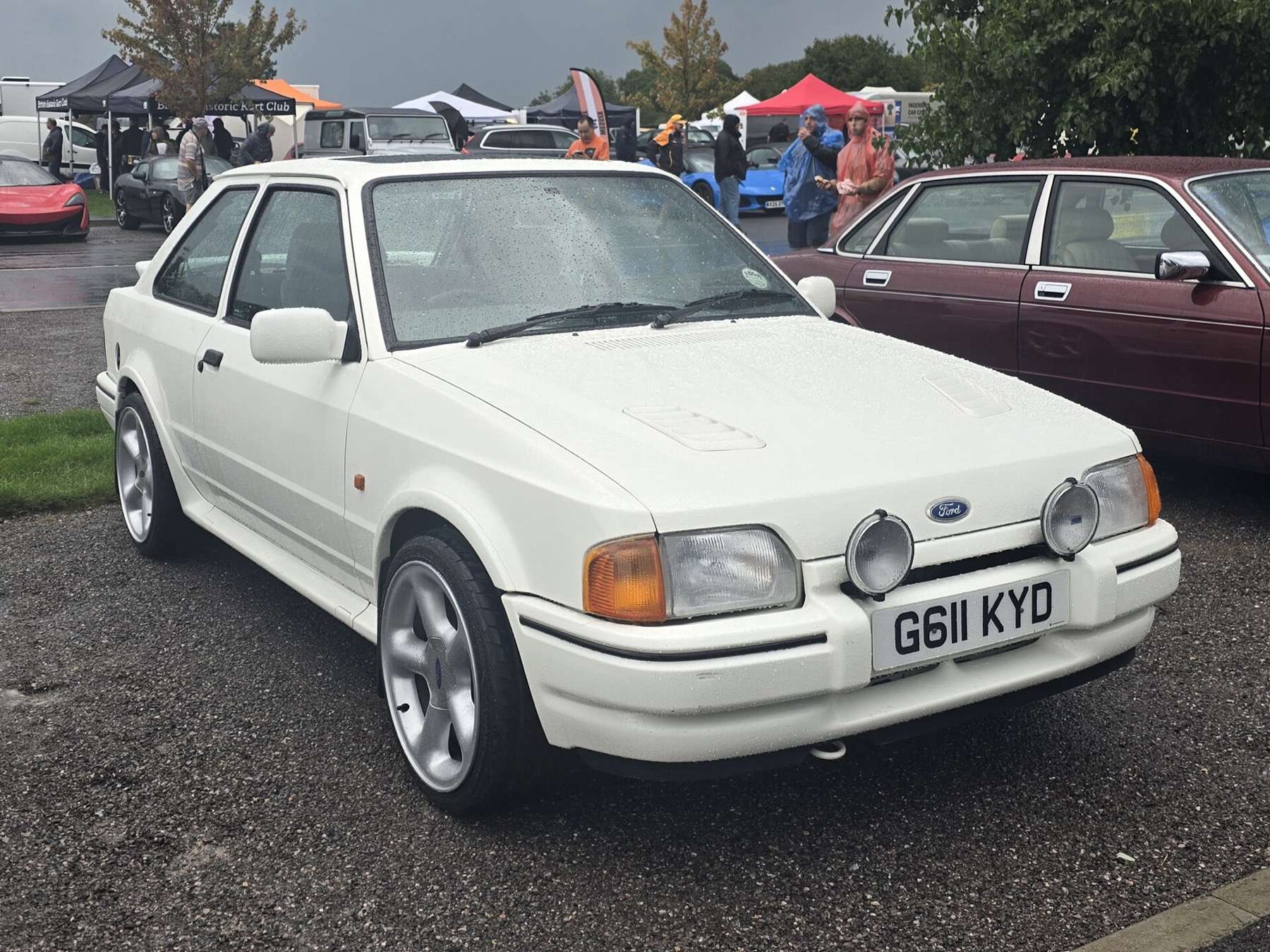
The Series 2 arrived with the Mk4 Escort body for 1986–87 and was engineered as a more usable road car. Revised gearing, softer differential action, improved cooling and calmer styling broadened its appeal without removing the turbocharged character.
2. The 1.6 CVH still used a Garrett T3
Ford retained the 1,597cc CVH engine, Bosch KE-Jetronic injection, intercooler and relatively large T3 turbocharger. Output was about 132bhp with 133lb ft, but the strong mid-range surge made the car feel considerably more dramatic.
3. It kept the clever viscous limited-slip differential
The Ferguson-developed viscous coupling controlled speed differences between the front wheels. Ford claimed the original system was a production first for a front-wheel-drive car; the Series 2 used a smoother calibration to reduce its abrupt behaviour.
4. The gearing became less frantic
A taller 3.82:1 final-drive ratio replaced the Series 1’s shorter 4.29 gearing. That reduced engine speed on motorways and made the newer car easier to live with, while turbo torque preserved its overtaking punch.
Love cars you don’t see every day?
Get forgotten cars, surprising motoring stories and the most interesting finds from Unusual Cars by email.
Free to join. No spam. Unsubscribe whenever you like. See our Privacy Policy.
5. It was no longer white-only
The homologation-focused Series 1 was famously available only in Diamond White. Series 2 buyers could choose colours including red, black, white and metallic shades, helping the car become a far more common sight in late-1980s Britain.
6. Recaro seats were not always standard
Many people remember every RS Turbo with supportive Recaros, but equipment varied and some cars used Ford sports seats unless an option package was specified. Interior originality therefore requires more research than simply finding the right badge.
7. It was quick without needing huge numbers
Ford quoted 0–60mph in roughly eight seconds and a top speed close to 128mph. The appeal was the way boost arrived through a light front-driven hatchback, accompanied by torque steer and the unmistakable sensation of the differential working.
8. It became a tuning-culture hero
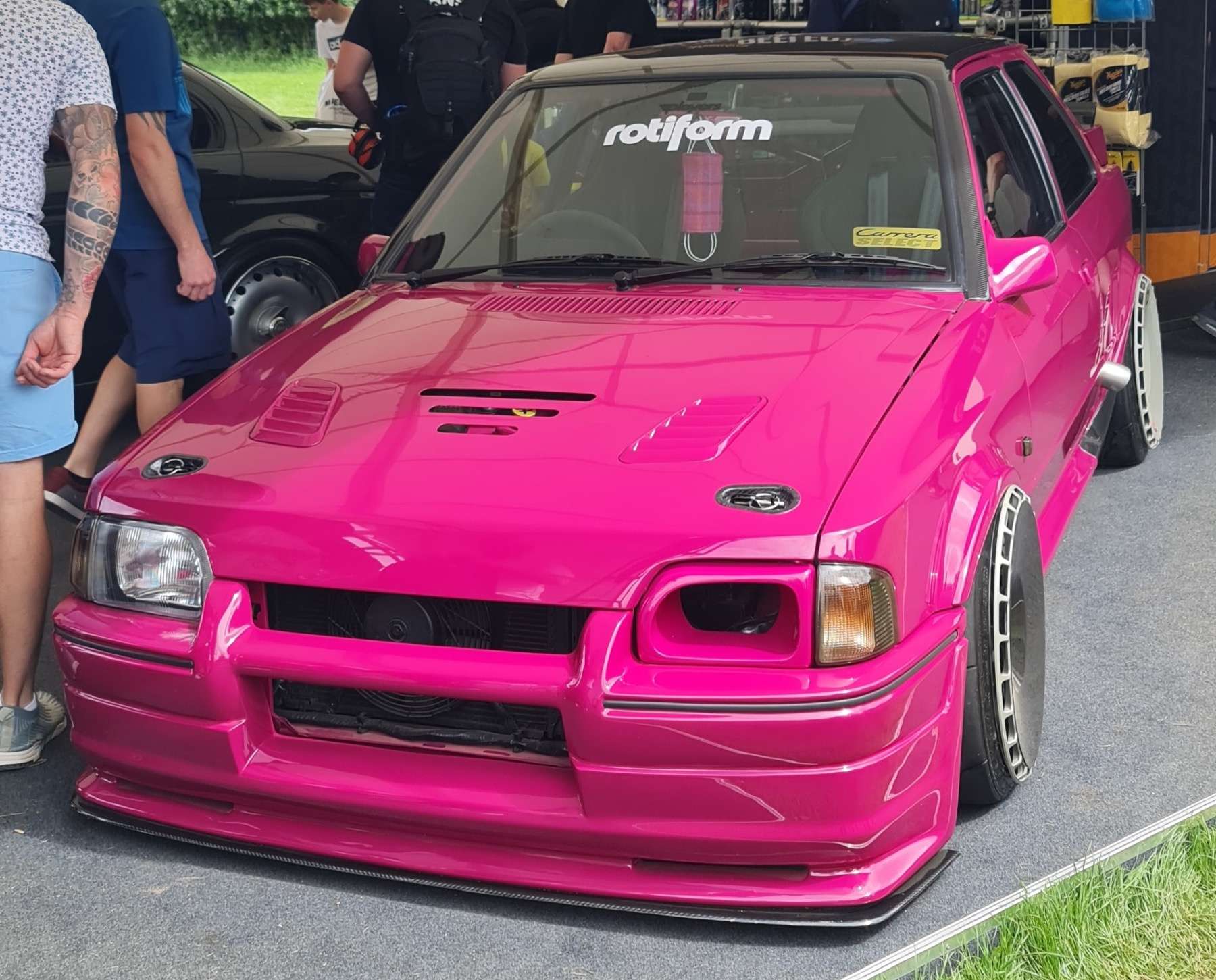
The CVH turbo responded readily to boost, fueling, intercooler and exhaust changes. That made the Escort enormously popular with tuners—but also means many surviving cars have lived with power levels and modifications their original cooling and transmission were never designed to tolerate.
9. Security became part of the ownership experience
Fast Fords were prime theft targets during the late 1980s and early 1990s. Alarms, immobilisers, steering locks and altered door hardware became normal, and stolen or recovered history is common enough to deserve careful inspection today.
10. Originality is now rarer than performance
Bodykits, larger wheels, engine swaps and period audio installations once seemed compulsory. Today a car with factory panels, correct wheels, injection system, airbox and interior can be harder to find—and more valuable—than a much faster modified example.
Why it matters
The Series 2 RS Turbo became popular because it mixed everyday Escort familiarity with a boost-heavy personality no ordinary model possessed. Its accessibility helped create the legend—and explains why an unmodified, correctly presented example now feels so special.
Join the Unusual Cars Club
Get more forgotten performance cars, surprising motoring stories and new 10 Things articles by email.
Free to join. No spam. Unsubscribe whenever you like. See our Privacy Policy.