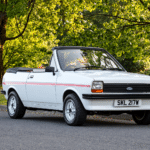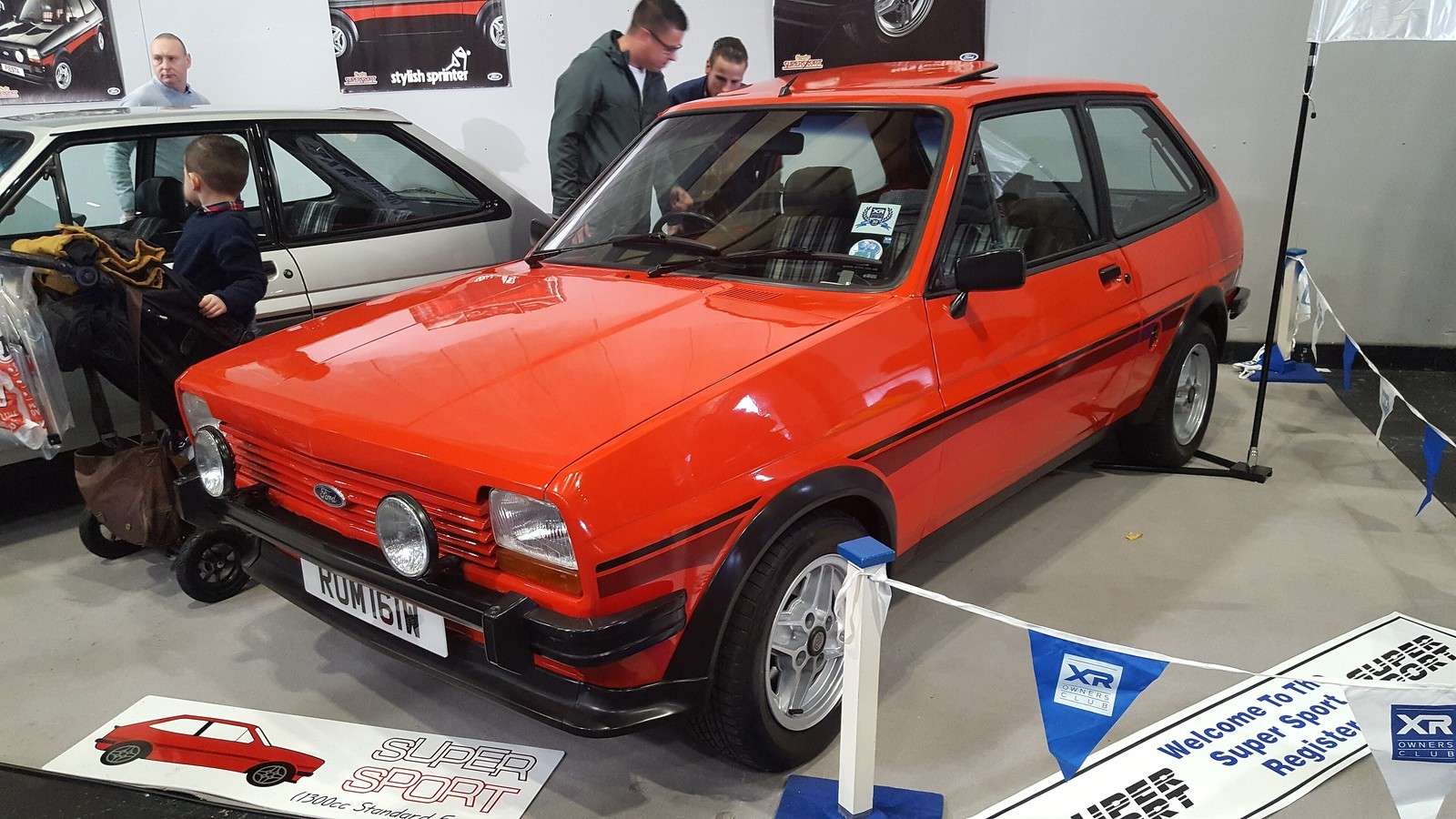
The Fiesta Supersport is often overshadowed by the XR2, yet it was the car that proved British buyers wanted a sporty version of Ford’s new supermini. Its graphics, spoilers and carefully chosen chassis upgrades created the template before the XR badge reached the Fiesta.
1. It arrived before the Fiesta XR2
Ford introduced the Supersport for the 1980 model year, while the first XR2 followed in 1981. That makes the Supersport the original sporting production Fiesta sold in Britain, not a lesser edition created after the XR2.
2. The engine was the familiar 1.3-litre Kent Crossflow
Its 1,298cc pushrod engine used a twin-choke Weber carburettor and produced about 66bhp. That sounds gentle today, but the Fiesta weighed little more than 750kg and used close, direct gearing.

3. Ford borrowed heavily from the motorsport parts shelf
The car used uprated suspension, wider 13-inch alloy wheels and 185-section tyres, giving it a broader stance and more grip than an ordinary Fiesta. Much of the appeal came from making proven components work together rather than inventing costly new hardware.
4. Its appearance was unusually bold for a small Ford
Black wheelarch extensions, front and rear spoilers, side stripes and driving lamps made the Supersport instantly recognisable. Inside were supportive sports seats, a sports steering wheel and extra instrumentation.
Love cars you don’t see every day?
Get forgotten cars, surprising motoring stories and the most interesting finds from Unusual Cars by email.
Free to join. No spam. Unsubscribe whenever you like. See our Privacy Policy.
5. Performance was brisk rather than brutal
Period figures put 0–60mph in roughly ten seconds and top speed around 100mph. The pleasure came from carrying speed through corners and working the engine, not from the straight-line punch later turbocharged hatchbacks delivered.
6. Ford used it to test the market
The Supersport showed that buyers would pay extra for a visually distinctive, better-handling Fiesta. Its reception gave Ford confidence to launch the more powerful 1.6-litre XR2 and expand the XR family.
7. It was sold for only a short period
Production lasted roughly from 1980 into 1981, so it never enjoyed the long showroom life of the XR2. That short run, followed by decades of enthusiastic use and modification, explains its rarity today.

8. Not every surviving car retains the correct details
Original four-spoke alloys, black trim, stripes, spotlamps and interior fabric are important to authenticity. Many cars were converted to XR2 specification or fitted with later engines when they were simply cheap used Fiestas.
9. The shell is now more important than the engine
Kent engines are well understood and parts support remains good. Corrosion around the front suspension mounts, battery tray, sills, rear arches and floor can make restoration far more demanding.
10. Its significance is finally being recognised
For years the Supersport sat in the XR2’s shadow. Collectors now value it as the missing link between the ordinary Mk1 Fiesta and Ford’s hugely successful XR era.
Why it matters
The Fiesta Supersport matters because it established the formula Ford would use so successfully throughout the 1980s: accessible performance, confident styling and enough everyday usability to make a sporting badge part of the mainstream.
Join the Unusual Cars Club
Get more forgotten performance cars, surprising motoring stories and new 10 Things articles by email.
Free to join. No spam. Unsubscribe whenever you like. See our Privacy Policy.