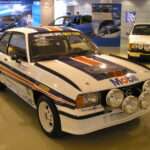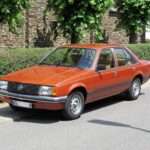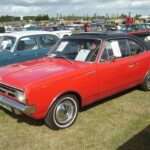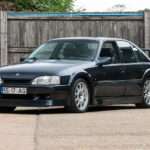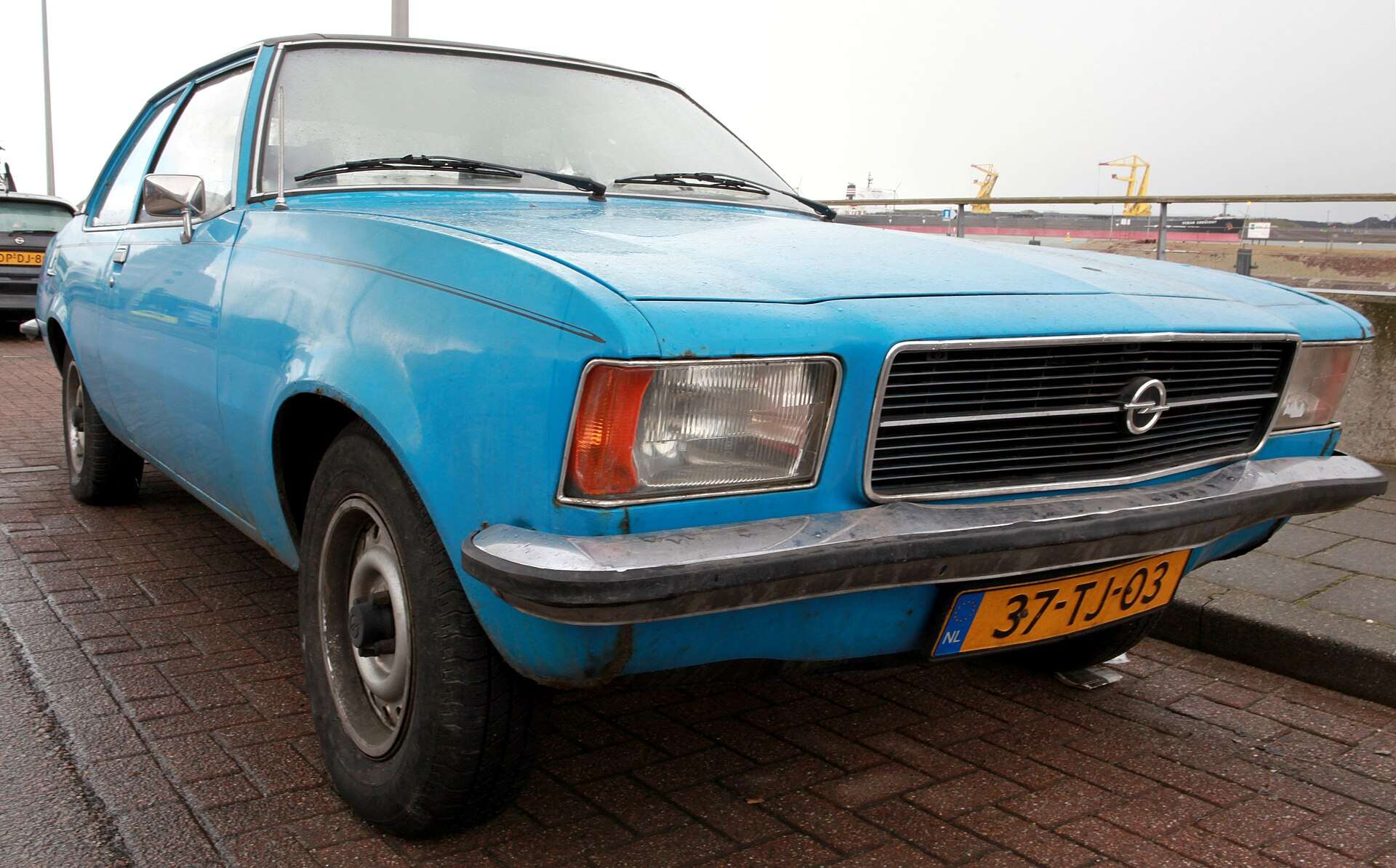
The Opel Rekord D 2100D is a fascinating landmark: Opel’s first diesel passenger car and one of the earliest diesel family saloons offered to British motorists. Slow by modern standards but built for economy and longevity, it is now exceptionally unusual.
Quick answer
The Rekord D arrived in January 1972 and the 2100D used a 2,068cc diesel engine producing about 60PS. Period Opel figures quoted a 135km/h top speed and fuel consumption around 8.7 litres per 100km. UK brochure archives list the Rekord II, Rekord D and 2100D, confirming official British-market availability.
What is the Opel Rekord D?
The Rekord D replaced the curvier Rekord C with crisp styling, greater refinement and a broad choice of saloon, coupé and estate bodies. More than one million were produced. The diesel engine’s tall cylinder head required a distinctive bonnet bulge, making the 2100D easy to recognise.
The UK-market story
In Britain the car appeared in sales literature as both Rekord II and Rekord D. It shared part of its engineering ancestry with the Vauxhall Victor FE, but the cars did not simply share body panels or complete drivetrains. The diesel was a niche proposition when British private buyers still associated compression ignition mainly with taxis and commercial vehicles.
That limited appeal, combined with corrosion and hard working lives, means a genuine UK 2100D is now one of the rarest 1970s Opels.
Specifications
| Engine | 2,068cc four-cylinder diesel |
|---|---|
| Power | 60PS at 4,400rpm |
| Torque | 120Nm at 2,500rpm |
| Compression ratio | 22:1 |
| Top speed | Approximately 135km/h |
| Drive | Rear-wheel drive |
What is it like to drive?
Performance is deliberate rather than brisk. The attraction is the steady torque delivery, relaxed rear-wheel-drive chassis and period sense of solidity. A properly maintained example should start cleanly when warm, hold a stable temperature and cruise without excessive vibration.
Common problems
Rust
Inspect sills, floor edges, chassis rails, suspension mounts, inner wings, rear arches, boot floor and windscreen surrounds. Estates need extra attention around the tailgate and rear load floor.
Diesel engine
Cold starting is a crucial test. Excess smoke, difficult starting, heavy breathing or low oil pressure may point to worn bores, injectors or pump problems. Confirm that the glow-plug system works.
Cooling system
The diesel’s tall head makes overheating especially unwelcome. Check the radiator, hoses, water pump, thermostat and evidence of pressurisation.
Transmission
Listen for gearbox bearing noise, propshaft vibration and differential whine. Check the clutch for slip under load.
Parts and ownership
Service items for petrol Rekords are relatively accessible through continental suppliers, but diesel-specific parts can be difficult. Injection equipment may be rebuildable by a specialist. Body and trim completeness remains vital.
Buying checklist
- Verify it is a genuine 2100D and check its UK history.
- Insist on a cold start.
- Inspect the cooling system and look for head-gasket symptoms.
- Check the entire shell for structural rust.
- Confirm availability of any missing diesel-specific parts before buying.
Is it worth buying?
The 2100D is not for someone seeking effortless modern performance. It is for the collector who values technical firsts, scarcity and an authentic early diesel experience. A sound, complete car is likely to be far cheaper to preserve than a project is to restore.
Frequently asked questions
Was the Rekord D 2100D sold in Britain?
Yes. Period British brochure lists include the Rekord 2100D.
Why does it have a bonnet bulge?
The diesel cylinder head was taller than the petrol engines and required extra clearance.
Is it related to the Vauxhall Victor FE?
They share corporate engineering links, but the Rekord was not simply a Victor with Opel badges.
Sources and further reading
- Opel/Stellantis heritage: Rekord D anniversary history.
- Historic Opel technical data.
- UK period brochure archives.
Production specifications and equipment varied. Inspect any surviving vehicle with an experienced classic-car engineer.