The Mk8 Golf R is a different buy from the Mk7. Check the actual rear-drive hardware, build and software before comparing cars. A well-documented 320 PS example can be a better purchase than a more powerful car with overdue servicing or an unexplained drivetrain warning.
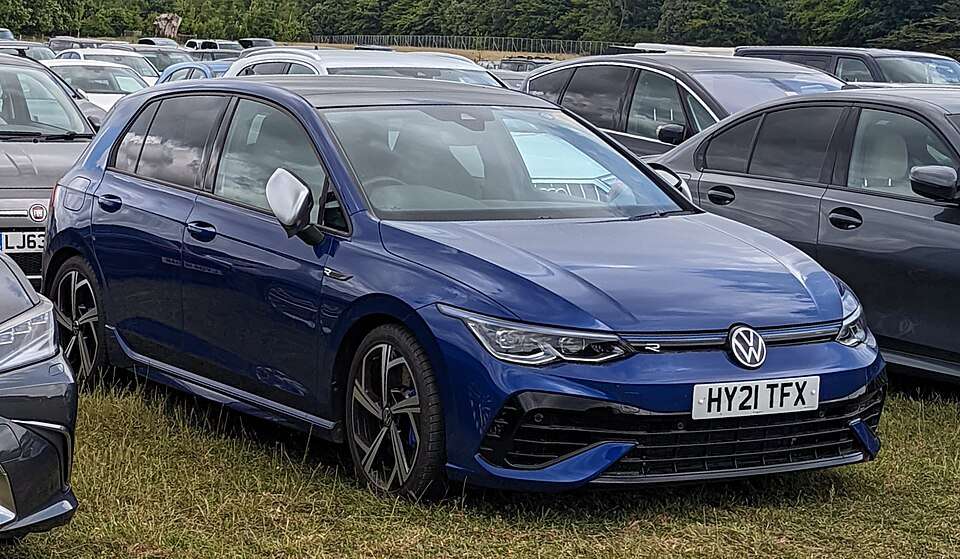
Which Volkswagen Golf R Mk8 should you buy?
The original Mk8 was rated at 320 PS in mainstream UK specification. The 20 Years edition was already advertised at 333 PS before the facelift. Volkswagen’s Mk8.5 launch release specifies 333 PS, seven-speed DSG and 4MOTION for the updated models. Verify the build, body, Performance Pack and adaptive suspension individually. Mk8 rear torque vectoring means the older Mk7 service assumptions should be checked against the actual unit.
320 PS Mk8, 20 Years or 333 PS Mk8.5?
Begin with an original 320 PS Mk8 if you want the performance and all-weather usability at a lower entry price. The 20 Years is a distinct early-generation edition, so check the build and factory equipment before paying an edition premium. Volkswagen’s facelift material identifies the 245 kW/333 PS update. A late registration can still describe earlier stock. Use the build data, observed equipment and original specification rather than the number plate or badging alone.
If you want an estate, compare it with estate stock and test the actual load area, rear seating, tailgate and ride. Some buyers value the facelift cabin and controls more than the extra performance. Test the features you will use every day and then decide whether a particular package is worth paying for. Confirm the wheel, brake, damper and exhaust fitment on the car you inspect. A valuable option can also make routine wear or replacement more expensive.
Ask about software changes to the engine and transmission, intake, exhaust, wheels and springs. Request invoices and check the current setup against them, especially where the seller has returned the car to standard hardware. Ask about insurer acceptance, the dealer’s warranty and whether the original components are included.
UK asking prices
On 6 November 2026, PistonHeads showed a 2021 R at £27,480 with 34,150 miles, a 2023 320 PS R at £32,498 with 24,931 miles and a 2023 20 Years at £34,495 with 18,500 miles. These are asking prices. Compare 320 PS, special editions and facelift stock separately.

Use separate UK asking-price groups
The PistonHeads search showed 320 PS hatch descriptions including £25,590 for a 2022 car, £28,010 for a 2023 and £28,000 for a 2024. Other 2023 cars were advertised higher, including £32,498. The earlier sample included a 20 Years ask at £34,495. Identified 2025 333 PS Black Edition asks included £36,988 and £38,530. Keep new vehicles, facelift, special editions and estate stock in separate groups. These are asking snapshots and do not measure a facelift premium on matched cars.
Match body, build, gearbox, mileage, seller, fitted options and service evidence. Price any omitted tyres, brakes and gearbox or rear-drive jobs before using the difference as negotiating room. A sticker price can include different finance, preparation or warranty terms. Ask what is available at the cash price you are comparing and read the actual preparation invoice. Do not value a modified car as if its history and parts are the same as a standard one.
Common problems and inspection points
Cooling, engine and tuning
Inspect from cold and look for repeated top-ups, dried coolant or staining around the pump and thermostat area. Have unexplained loss pressure-tested. Drive fully warm and check repeatable hesitation or misfires. Ask for a documented engine and gearbox calibration on modified cars and price insurance for the actual hardware.
DSG and rear drivetrain
Check cold Drive and Reverse engagement and warm low-speed shifts. Request dated gearbox and rear-drive invoices separately, and ask a Volkswagen specialist to identify the precise unit and fluid. Scan any drivetrain or drive-mode warnings. Check tyre size and rolling circumference and inspect rear drive hardware for leaks and damage.

Electronics, brakes and body
Test infotainment, driver assistance, cameras and all fitted drive modes. Ask about software updates and repeated warnings. Inspect both faces of the discs, tyres, wheels and undertrays, and test adaptive dampers if fitted. Check boot and tailgate operation and look for moisture.
A repeatable DSG and rear-drive test
Record the tyres before setting off. Check sizes against the approved combination, and record tread depth, model, condition and signs of an impact. Begin cold with forward and reverse on level ground and on a normal incline. Continue through ordinary traffic, then repeat parking fully warm. Check steady speed and gentle load on a suitable road. Note whether a shudder, noise or warning depends on temperature, gear, road speed, direction or steering angle. Avoid trying to trigger loss of grip on public roads.
Request a scan and assessment of the exact system if there is a repeat concern. The DSG and the torque-vectoring rear axle are separate service and diagnostic subjects. Ask the workshop to confirm the fitted components and job scope. Compare gearbox and rear-drive dates, mileage, fluids and parts separately. A familiar kit from a previous Golf R generation cannot establish the correct application. A dash without a warning is one observation, not proof of rear-drive operation under all conditions.
Engine cooling, calibration and work history
Inspect cold fluid levels where safe, and ask how often the owner has added coolant or oil. Look for visible residue and ask the workshop to check accessible hoses, housing and undertrays if there is a concern. Note when a smell or message occurs and whether it follows warm driving or a restart. Get the leak traced before buying parts. On a modified car ask how the engine, gearbox and hardware work together, what fuel the tune expects and what changed afterwards. Request diagnosis of persistent boost or misfire symptoms rather than treating them as an expected feature of a remap.
Infotainment, driver assistance and braking
Begin by trying your phone, the controls you use most, cameras and parking aids. Test climate, screen response and steering wheel controls. Check for warnings after a warm restart and ask about earlier updates or repairs. If the windscreen or bumper has been replaced, ask which assistance systems were calibrated. Look closely at tyre shoulders, rim barrels, brake faces and low bodywork. When the car pulls or vibrates, record the effect of speed, throttle and braking. Ask the technician to consider wheel, alignment, suspension and brake causes before ordering discs.
Maintenance and parts
Match the EA888 engine code, gearbox, rear drive unit and brake equipment before ordering. The engine uses a timing chain and a separate auxiliary drive. Verify the schedule by VIN.
Affiliate disclosure. We may earn a commission on purchases through the eBay links below. These are indicative UK parts-only allowances. Confirm the OE number and get fitted quotes separately.
| Part | Allowance | Fitment check |
|---|---|---|
| Oil service kit | £60–£135 | Check oil approval. |
| Spark plugs | £45–£110 | Match engine and tune. |
| Ignition coils | £30–£75 | Diagnose first. |
| Alternator | £155–£420 | Match output. |
| Accessory belt | £40–£125 | Check routing. |
| Coolant housing | £105–£330 | Check revision and leak source. |
| DSG kit | £90–£220 | Match gearbox. |
| Rear drive fluid | £35–£100 | Match exact unit and fluid. |
| Front pads | £65–£175 | Confirm caliper. |
| Front discs | £165–£420 | Verify diameter. |
| Cabin filter | £12–£40 | Check fitment. |
Hidden ownership costs
Get fitted quotes for tyres, brakes and any unresolved AWD or electronics issue. Price adaptive damping and track consumables separately. Check insurance for changes to software and hardware and ask for the original equipment.

A maintenance and wear estimate that matches the car
Write down the dates and mileage for engine oil, plugs, brake fluid, DSG and separate rear-drive work. Confirm the applicable guidance by VIN. If the seller provides a stamp or an invoice with generic wording, ask which unit it covered and the correct fluid or hardware. Quote the actual tyres and brake package and include alignment or wheel work if indicated. An electronic or driver-assistance repair may also need calibration or configuration.
Use existing eBay links after confirming fitment. Match coolant assemblies and charging components only after diagnosis, and confirm engine and build for oil or plug kits. For gearbox and rear-drive items ask what fluid, seals and operations are included. A fitted estimate should identify labour, consumables and taxes. Keep optional appearance work and changing a tune on separate lines from essentials.
Worked case: the dearer facelift versus a cheaper Mk8 with an intermittent warning
Drive both over a similar route and compare the actual features. If the Mk8 shows a warning, record its trigger and ask for a scan and a retest if repaired. A predictable tyre or service bill can be included in an offer. A driveline warning still needs diagnosis. On the facelift, price its fitted wheels and any equipment you would need to repair before agreeing what the extra money buys.
Viewing checklist
- Verify VIN, build, power output and options.
- Test DSG and rear drivetrain from cold and warm.
- Scan faults and inspect tyres, brakes and undertrays.
- Read drivetrain and engine invoices line by line.
- Check MOT history and obtain written repair estimates.
From enquiry to handover
Before travelling obtain the build evidence, dated invoices, tyre photos and permission for a cold start and independent inspection. At the car verify options and take a mixed-speed route, ending with a warm repeat of any parking or shift issue. Ask the workshop for measured wear, a lift report, stored fault information and separate repair estimates. Buy when identity and hardware agree and the service evidence and fitted costs make sense. Investigate a single reproducible fault that can be diagnosed. Move to another car if a seller dismisses repeat warnings and blocks a meaningful test. At handover verify both keys, documents and repairs and repeat the relevant test.
Workshop evidence and ownership planning
Compare the actual cabin and options before paying for the facelift
The facelift buying reference notes the revised infotainment and changes to controls and equipment. Test your phone from initial pairing through a call or navigation, and check the screen response after a restart. Try the climate settings, parking camera and controls you use on every journey. Test any advertised adaptive damping on a rough section and confirm which hardware is fitted. A working earlier car with the features you need may be worth more to you than a later car with intermittent faults.
Estate and hatch inspection differences
Measure the luggage space you need and work the tailgate, rear seats and any accessories. Check for damage or moisture around the rear load floor and doors. On an estate or hatch with towing equipment, verify the actual hardware, use and relevant approved limits. Test sockets with appropriate equipment if you will rely on them. Do not use one body’s asking prices to infer the other’s premium. Match mileage, build and equipment and compare what wear and preparation the seller has included.
A repeated warning after a windscreen or bumper repair
Ask which component was replaced and whether the associated assistance systems required calibration. Demonstrate the cameras and sensors in normal use and note the exact message if a warning returns. Check what was repaired, who did it and whether it was verified after the work. Ask the technician to review stored faults and wiring or calibration evidence as indicated. Do not make a payment decision based on an assurance that a software update will fix a fault without evidence that it did.
Assess recent wheel and suspension work in the right sequence
Record actual tyre sizes and condition, inspect the rims and ask whether the change followed damage or was cosmetic. On a level road check steering wheel position and whether the car drifts consistently. If the car has lowered springs or spacers, ask about rubbing, alignment and the declared setup. On a lift get photographs of any damage and measurements of brake wear. Get a scope that separates routine tyres and pads from a wheel, geometry or suspension issue. Use the correct parts and approved fitment rather than buying to the badge.
Plan a first-year maintenance budget by system
Ask your intended workshop to list engine, DSG, rear drive and brake fluid requirements for the VIN separately. Confirm whether the car already has valid evidence for each item and how the inspection changes the schedule. Check dealer preparation in writing, including which services are supplied and whether it covers the fitted brakes or tyres. Put parts, labour, fluids, hardware and diagnostic time on the estimate. Keep an electronics or driveline investigation separate from a routine fluid service. At handover check the exact work and repeat any warm take-up or electrical test used to agree the deal.
Service evidence and a fitted first-year budget
A practical comparison sheet for three Golf R offers
Record asking price, original generation, body, mileage, tyre sizes and condition, fitted brakes and options. Write down what the seller will complete before handover. Compare a base 320 PS hatch with similarly aged standard cars and note what a documented 20 Years or 333 PS car adds. Verify that the features and options you care about are installed and operate. Separate dealer and private terms. Quote the first-year work for each car before deciding what the facelift or an edition is worth to you.
What to ask Volkswagen or an independent specialist to quote
Provide the VIN and build and ask for an itemised routine service and due additional work. The rear axle and DSG require their own confirmed scopes. Ask the shop to identify the exact unit, its applicable schedule and which fluid, seals or other hardware it plans to use. Include approved tyres by axle and a fitted brake quote when wear is measurable. Ask whether any calibration or configuration is required following previous work. The manufacturer’s service information is a starting point for the car’s maintenance record. Get a separate inspection quote for active warnings rather than assuming a generic menu service includes diagnosis.
The one-wheel replacement that turns up at a viewing
Ask why that wheel or tyre changed and compare the inside edge and tyre specification across the car. Check evidence of a puncture, impact or prior geometry change. On the drive record whether vibration is tied to road speed, braking, direction or load. Ask the workshop to verify fitment, inspect wheels and suspension and scan the drivetrain if indicated. Obtain quotes for any known repairs and put unresolved drivetrain behaviour on a separate line. Repeat the route after agreed work rather than assuming a new tyre cleared the symptom.
Where a repair report is worth more than a reset
If an intermittent infotainment, camera or driver-assistance message appears, record when and which functions still work. Compare earlier updates and repair invoices with current behaviour. If an associated panel or windscreen was changed, request calibration evidence. Ask the seller to demonstrate the system after a normal warm restart and provide the job sheet if repaired. This is especially important if the feature helped justify the higher asking price.
Inspection findings and buying decisions
| Claim or symptom | What to verify | How it changes the decision |
|---|---|---|
| 333 PS or 20 Years claim | Match factory build and equipment. | Compare only to the correct group. |
| Warm DSG or rear-drive concern | Reproduce it and scan relevant systems. | Separate diagnosed repair from routine maintenance. |
| New single tyre | Confirm approved sizes and measure remaining tread. | Ask about the old tyre and any impact or geometry issue. |
| Assistance warnings | Review repair and calibration history and test again warm. | Require diagnosis before pricing parts. |
| Claimed service | Match each dated invoice to the correct unit and scope. | Quote missing jobs separately. |
Research and market references
- PistonHeads Golf R Mk8 classifieds
- VW Golf R (Mk8.5) | PH Used Buying Guide
- GOV.UK MOT history
- GOV.UK vehicle recalls
Volkswagen Golf R Mk8 FAQ
Does 333 PS prove it is a Mk8.5?
The pre-facelift 20 Years also had 333 PS. Confirm the factory build.
Can I use a Mk7 AWD service kit?
Identify the Mk8 rear drive unit and specified fluid first.
Does the Mk8 R have a manual?
UK cars covered here use DSG. Verify the market and build.