An Astra K can have an airbag warning, an ABS or stability warning, or a body-electrical problem while a cheap engine-code reader reports no faults. That does not mean the warning is imaginary. It may mean you have asked the engine computer a question about a different system.
For routine engine-emissions checks, a compatible generic OBD2 reader is useful. For a fuller picture of the Astra K, choose a setup with documented Opel/Vauxhall access to the controllers you actually need. The important distinction is the diagnostic software and module coverage, rather than the shape of the plug.
Which Astra K does this guide cover?
This guide covers factory-specification UK Vauxhall Astra K petrol and diesel cars, including the hatchback and Sports Tourer where the relevant equipment is fitted. It does not cover the Astra J or Astra L. Engine, gearbox, facelift, build year and optional equipment still matter: an Astra K badge is not a guarantee that every controller or function in a scanner catalogue is present.
Generic OBD2 versus manufacturer-aware diagnostics
Generic OBD2 is useful for supported emissions-related engine codes, freeze-frame information and standard data. It is not a complete inspection of every electronic system. A manufacturer-aware application can reach additional controllers where the vehicle, interface and software support them. A more expensive tool running only its generic OBD mode can still leave the same gaps.
| Diagnostic question | Generic engine reader | Manufacturer-aware route |
|---|---|---|
| Engine-emissions code on a compatible car | Often a useful starting point | May add manufacturer detail and further supported data |
| ABS, airbags or body-system warning | Do not assume access | Confirm the named controller and exact reading function |
| A particular live measurement | Only supported standard parameters | Ask for that exact parameter on the vehicle build |
| Coding, calibration or service operation | Do not infer capability | Separate evidence and requirements; not promised in this guide |
An Astra K airbag light with “no faults” on an OBD reader
One owner of a 2016, 66-plate Astra K described an airbag warning after an earlier problem with washer fluid entering the passenger footwell. Their unspecified OBD II reader reported no faults. The account does not contain a confirmed restraint-system scan or a completed repair, so it cannot establish either the cause of the light or a causal connection with the water.
Its useful lesson is narrower: a clean engine-code screen does not clear the airbag system. The next useful diagnostic evidence would come from the Astra K’s SRS controller, with its full fault text and status. Guessing at a seat component or condemning a module from the warning lamp alone skips that evidence. Restraint-system work belongs with a suitably equipped professional.
Read the owner discussion. Owner accounts are used to identify reader problems; they are not controlled tests or proof of a widespread defect.
Faults and symptoms that need more than an engine-code screen
| Symptom or question | Controller or capability to check | What the extra information can—and cannot—tell you |
|---|---|---|
| Airbag warning | SRS: inflatable-restraint sensing and diagnostic module | A manufacturer-aware restraint fault report, rather than an engine-emissions result. Do not infer a failed seat, sensor or control unit from the lamp. |
| ABS or stability warning | EBCM: electronic brake control module | Brake-controller faults and supported live data can identify the area needing investigation. Exact wheel-speed or other parameters must be confirmed. |
| Lighting or other body-electrical symptoms | BCM: body control module | Body-system fault information can make a disconnected circuit or communication complaint visible to the correct diagnostic application. It is not proof the BCM itself has failed. |
| Parking, steering or driver-assistance warnings | The relevant fitted PACM, PSCM, camera or radar controller | These names appear in the sampled menu, but the car’s equipment and the required diagnostic function still need a separate check. |
Why an engine scan cannot settle an ABS or airbag complaint
Think of the scan as a list of controllers consulted. If the result says only “OBD/EOBD” or “engine”, it tells you little about the restraint or brake controller. Ask for a report that identifies those controllers individually, shows whether they communicated, and preserves any manufacturer-specific fault detail.
For an ABS complaint, a useful question is whether the brake controller stored a local fault or reported information missing from somewhere else. Those lead to different investigations. A code mentioning a circuit also does not automatically mean the named sensor needs replacing. Wiring, supply, communication and the component all remain possibilities until the appropriate checks establish the cause.
Body electronics: a good reason to check more than the engine
The Astra K coverage menu includes the BCM and several equipment-dependent systems, including parking assistance, the instrument cluster and headlamp control. That makes body access worth asking about if the complaint is a warning message, lighting behaviour or equipment that stops working, even though the engine starts normally.
Do not turn a broad module list into a promise about every feature. A basic car and a heavily optioned Sports Tourer will not necessarily have the same hardware. A scanner listing a liftgate, seat-memory or radar module is not evidence that your car has that module. Confirm the installed equipment before treating a non-response as a defect.
Petrol, diesel and gearbox questions need their own coverage check
For a petrol engine-management light, keep the original generic code and any freeze-frame information. Enhanced engine access may add useful manufacturer detail, but the same generic P-code can be visible on both an inexpensive reader and a larger scanner. The additional value must be the information needed for this particular complaint.
For a diesel or an automatic, ask separately about the engine and transmission controller. A product description mentioning DPF or gearbox functions does not guarantee a particular measured value, service routine or adaptation on your build. This guide recommends reading and preserving diagnostic information; it does not provide regeneration, programming or gearbox-relearn procedures.
What the iCarsoft documentation actually supports
We checked the manufacturer’s function lookup on 11 November 2026, using OP V3.0 → Vauxhall → Astra_K → 2017. The following entries were expanded rather than inferred from a general product advertisement:
| Sampled controller | Reading evidence in the lookup | Additional limit |
|---|---|---|
| BCM (Body Control Module) | Code reading and live-data categories shown | Module-information category also shown |
| EBCM (Electronic Brake Control Module) | Code reading and live-data categories shown | Module-information category also shown |
| SRS (Inflatable Restraint Sensing and Diagnostic Module) | Code reading and live-data categories shown | Module-information category also shown |
These are catalogue observations for that sample selection, not results from connecting the tool to a UK car. A live-data category does not establish every individual parameter, and a controller menu does not prove the hardware is fitted. Functions can vary by vehicle build, module, software, interface and tool version. Catalogue year menus can also include other markets; they should not be used as UK generation dates.
Which diagnostic setup makes sense?
A basic reader for a narrow engine-emissions job
If your only aim is to record a supported engine code, a compatible generic reader may be enough. Keep the full code and any freeze-frame information it offers. Buy it knowing its limits: a blank engine-code result does not answer a brake, restraint or body-system complaint. On older cars, confirm generic communication for the precise engine before ordering.
A standalone Opel/Vauxhall handheld
The iCarsoft OP V3.0 product documentation describes a standalone handheld with a 4-inch display and PC-based update route. It is a candidate to investigate for this guide’s reading tasks, subject to the exact compatibility checks above. Broad claims about all systems or numerous service functions are not guarantees for an individual car.
Check that the listing is specifically the Opel/Vauxhall version. Confirm the seller, update process, computer requirements and support route before buying. The manufacturer advertises free lifetime updates, but verify the current terms for the actual product and seller. No price, stock level, particular repair saving or supported service operation is promised here.
A genuine licensed laptop-based alternative
If you prefer a computer-based setup, ilexa’s genuine VAUX-COM Pro route describes a licensed software and USB-interface package with UK support. Ask the supplier to confirm this exact vehicle and required controllers. The page lists older Windows versions; do not infer current Windows 11 support or exact model coverage from the name alone. An unlicensed clone cable is not equivalent to a supported package.
Five questions to send the seller before you buy
Give the supplier the generation, build year, fuel type, engine details, transmission and the warning or symptom. Then ask these specific questions:
- Can this exact hardware and current software communicate with the fitted controller involved?
- Can it read the complete fault description and status, rather than only engine-emissions codes?
- Does it provide the particular live measurement needed for the investigation?
- What computer, update and licence requirements apply to this exact package?
- What support or return route applies if the required documented reading task is not supported?
Make the first scan useful
Start by recording the symptom, dashboard wording and when it occurs, including relevant recent work. Follow the scanner’s own connection and operating instructions. Keep the selected vehicle profile with the report so that a mistaken generation or engine choice can be spotted later.
Save the original results before clearing anything: controller names, full codes and descriptions, current or stored status, communication failures and available supporting data. Distinguish a controller with no faults from one the tool could not reach. Neither an absent optional module nor an unsupported function should be reported as a confirmed vehicle defect.
Use that evidence to decide what further diagnosis is needed. A code names a detected condition or diagnostic area; it does not automatically identify the part to replace. Clearing information does not repair the cause and can remove useful evidence. If braking, steering, restraints or serious running symptoms are involved, obtain appropriate professional assistance. This is not a guide to safety-system repairs, security access, programming, calibration or active tests.
Love cool cars? Join Unusual Cars Club FREE!
Get forgotten motoring finds, stories, helpful car content and more.
Free to join. No spam. Unsubscribe whenever you like. See our privacy policy.
Frequently asked questions
Will a cheap OBD2 reader work on an Astra K?
It can be useful for supported engine-emissions codes and data. Do not assume that mode reaches ABS, airbags or body systems. Check those controllers by name.
Does an airbag warning with no engine codes mean the airbag module is faulty?
No. It means the engine-code result has not answered the restraint-system question. A proper SRS report is needed before any cause can be assessed.
Is Astra J scanner coverage enough for an Astra K?
No. Use the Astra K entry and confirm the exact build and required modules. An Astra J success story is not an Astra K compatibility guarantee.
Can this guide confirm coding or camera calibration?
No. Those are separate capabilities requiring exact vehicle and tool documentation, suitable conditions and appropriate expertise. They are outside this reading-focused guide.
More Vauxhall diagnostic guides
Compare other generations in our Vauxhall diagnostic scanner hub, or explore the car diagnostic scanner guides directory. Check the model scope before carrying advice across from another generation.
Sources and research method
Documentary research reviewed on 11 November 2026. Primary product and compatibility evidence: iCarsoft OP V3.0 product documentation, iCarsoft function lookup (the exact sample selection is recorded above), and ilexa VAUX-COM Pro documentation. The linked owner discussion supplies a real-world question, with its uncertainties stated. It does not establish product performance or a repair diagnosis.
Unusual Cars has not independently tested this vehicle, scanner or function. Product details and compatibility can change. Recheck the exact vehicle, requested function and commercial destination before purchase; manufacturer and seller confirmation should be specific to your build.
Photo credit
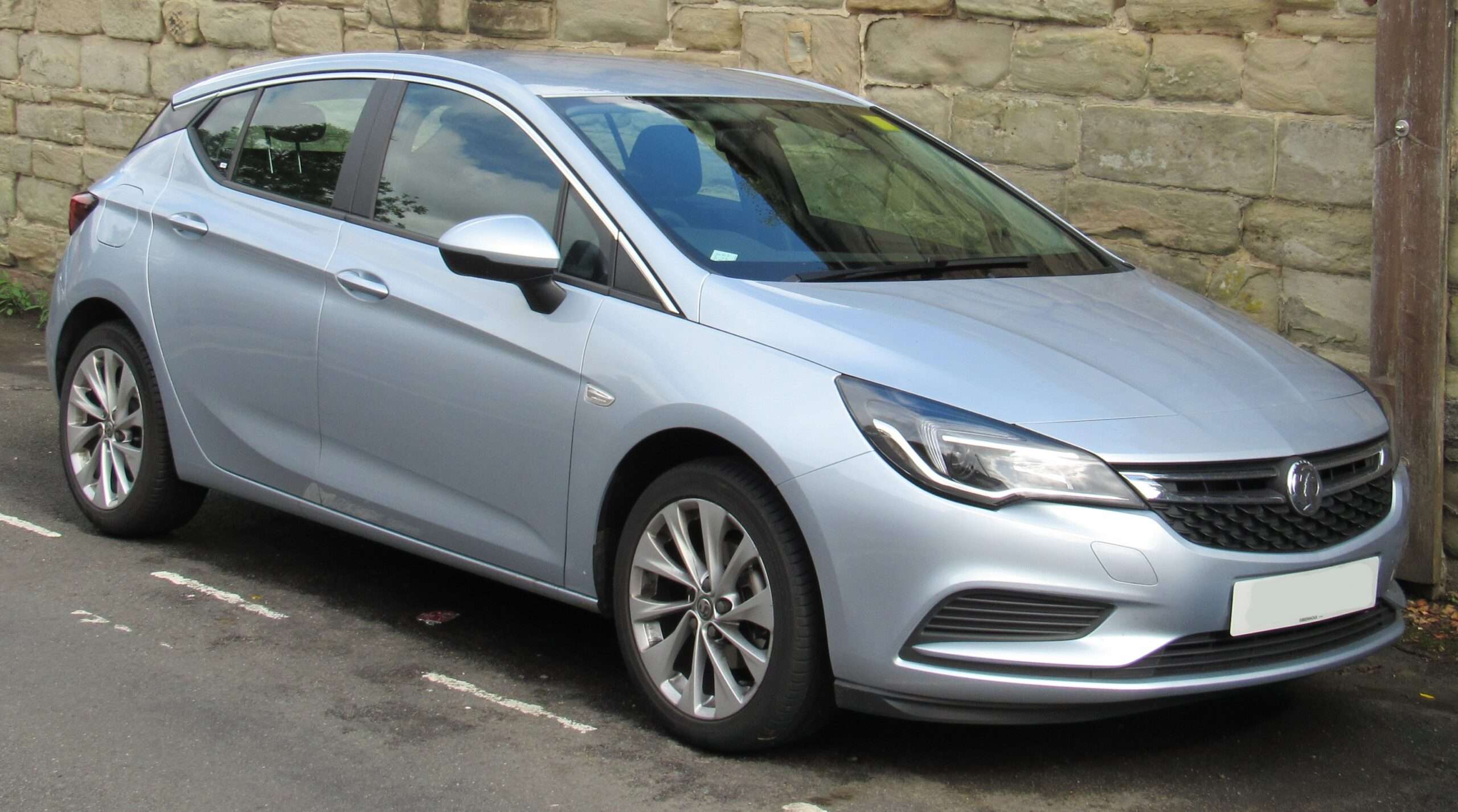
Vehicle photograph: 2017 Vauxhall Astra K Design 1.4, front three-quarter view, by Makizox, via Wikimedia Commons, licensed CC BY-SA 4.0. Resized for web display; thumbnail presentation may crop the frame. The photograph illustrates the generation and does not imply endorsement or independent testing.