The GBS Zero offers the traditional lightweight roadster experience through a modern component-car programme. Its appeal is as much about the build journey as the finished car: buyers can choose different levels of involvement rather than assuming every project starts with a bare chassis and a donor.
What is a Zero?
Great British Sports Cars offers the Zero in self-build and factory-built forms, with standard-width and wider GT chassis options. Its published range also distinguishes a second generation incorporating development from earlier cars. These differences should be established before comparing prices or reading old build accounts.
GBS describes fully independent front and rear suspension. The position of the engine within the chassis is part of its design approach, but advertised balance or handling claims should not be treated as measured results for every customer-built car. Engine choice, equipment and setup all affect the finished vehicle.
How the Zero evolved
GBS identifies a Pinto-powered 2007 car in its pre-owned archive as the first Zero. Its own announcement from September 2012 records the launch of the Mazda-donor chassis at Donington, offered in both standard and GT widths. These milestones are useful when reading advertisements: a Mazda-based Zero is part of a developed factory programme, rather than necessarily a one-off engine transplant into a Ford-based car.
The later second-generation custom-kit description presents a package incorporating refinements accumulated over the original car’s production. It lists a lowered floor, pre-folded panels and revised kit content. That does not mean every earlier car is inferior, or that a later registration guarantees a second-generation chassis. Obtain the original order specification and establish which improvements are actually present.
Bodywork, trim and engines can all change during a kit car’s life. A particularly fresh-looking Zero may have older structure and donor components underneath, while a modestly presented example may have a clear maintenance history. Separate appearance, chassis generation and mechanical specification when comparing prices. Each tells you something different about the car.

Standard chassis or Zero GT?
The GT is a wider chassis option, not simply a trim level or an engine designation. GBS specifies an additional 80mm of width compared with the standard body. That can be valuable if you find compact roadsters restrictive, but it does not tell you everything about driving position. Seat shape, runners, steering adjustment and the particular floor arrangement still influence how comfortably you fit.
Try the controls with your normal driving footwear and check that you can press the clutch and brake fully without stretching or catching another pedal. Check clearance between your knees and the steering wheel during entry as well as while driving. If you intend to use a helmet, assess that position too, together with the rollover protection appropriate to your intended activity.
When buying an unfinished car, do not assume that standard and GT body panels or weather equipment are interchangeable. Identify the chassis and obtain supplier confirmation before budgeting for missing components. A cheap set of used accessories becomes less attractive if it needs extensive alteration. Choose the width that works for your use before committing to paint, trim or expensive seats.
Why panel installation matters on a Zero
The manufacturer’s specification describes a spaceframe using round and square tubing, with a steel floor and bonded panels contributing to the overall structure. The practical buying lesson is that panel work deserves attention alongside the visible welds. It is not merely decorative cladding. Build photographs taken before trim and mechanical components were installed can help show how the panel work was completed.
Inspect accessible panel edges, attachment points and junctions for separation, poor fit or evidence of repairs. Ask which bonding materials and procedures were used, and compare the answer with the build guidance relevant to the car. Do not try to infer structural soundness from a polished side panel or a tidy row of fasteners alone. If a repair has disturbed a structural area, obtain informed assessment.
Look closely at the floor, seat locations, suspension brackets and areas vulnerable to grounding. A damaged underside can be hidden from a standing view. Distinguish a scrape on a replaceable component from deformation or cracking that affects the structure. If the seller cannot explain previous repairs, a specialist inspection is more useful than negotiating an arbitrary discount.
Ford-based cars: identify more than the engine
GBS’s specification lists several possible engine families and transmission arrangements, including Ford Type 9 and MT75 gearboxes. That breadth is part of the Zero’s appeal, but it makes the expression “Ford-based” incomplete. Establish the engine, gearbox and differential separately, and record identifiers rather than ordering everything according to the year on the registration document.
For a conventional four-cylinder installation, examine the mounts, exhaust clearance and access to routine service items. Ask whether the engine is in its original kit configuration or has been replaced. A different engine can require changes to cooling, wiring, clutch operation and sump arrangement. Receipts should explain those connections instead of simply proving that an engine was purchased.
Check the final-drive ratio if the seller has reliable documentation for it, then experience the resulting cruising behaviour. Short gearing can make a roadster feel energetic but may not suit frequent longer journeys. Conversely, a relaxed ratio should not leave the car awkward to use at ordinary road speeds. Evaluate the complete combination of engine, gearbox, differential and tyres.
Mazda donors: what stays and what changes
The current Mazda module programme is designed around MX-5 components, with GBS identifying Mk1, Mk2 and Mk2.5 donor cars from 1989 to 2005. The donor list includes the engine, gearbox, differential, hubs, brakes and control components. Some items require exchange or alteration by GBS. It is therefore a component-based build rather than a matter of dropping an untouched MX-5 drivetrain into a new body.
Confirm the donor generation and engine specification before buying a project. Check the condition of the retained parts and ask which have already been reconditioned or adapted. A donor car that was cheap because of body corrosion may still have useful mechanical components, but that does not remove the need to inspect bearings, seals, brakes and cooling-system parts individually.
Make a list of anything already sent away for modification and ask for the corresponding receipts. Identify the propshaft and driveshaft arrangements and establish whether the fitted parts match the chosen package. The manufacturer’s module information includes a modified Mazda propshaft and new driveshafts in the relevant stage, illustrating why a mixed collection of unverified donor shafts should not be treated as a finished driveline.
Do not assume that donor electronics remain untouched. The current module package includes its own wiring and management components, whereas older or custom builds may differ. Ask which ECU controls the engine, how it was calibrated and whether wiring information is included. This will matter when diagnosing faults or replacing sensors long after the initial build is complete.
Understanding the six-module build route
GBS’s staged Mazda programme divides the project into six broad areas, progressing from chassis and panels through bodywork, fuel and engine installation, suspension, interior and final equipment. The attraction is that the purchase and work can be planned in stages. It also makes it especially important to distinguish the cost of an early module from the total cost of a roadworthy car.
For an unfinished kit, compare the original order and every later invoice with an inventory of parts actually present. Mark each item as installed, loose, missing or needing refurbishment. A seller saying that “all six stages are here” is a starting point for inspection, not a substitute for it. Storage, changes of plan and parts borrowed for other projects can leave gaps.
Enjoy cars you don’t see every day?
Get unusual car stories, kit-car guides and interesting finds from Unusual Cars by email.
Free to join. Unsubscribe whenever you like. Read our privacy policy.
Check the current contents with GBS before relying on an old brochure or another builder’s total. Packages evolve, and optional equipment can change both the work and the budget. Ask about delivery, donor refurbishment, specialist services and the approval process separately. A clear completion budget should show which costs remain unavoidable and which relate to improvements you can postpone.
If you are commissioning part of the work, decide where responsibility passes between you and the supplier. A professional assembly stage does not automatically verify everything fitted beforehand. Agree what will be inspected and what documentation will be supplied. That makes the final car easier to understand and reduces the chance of a problem being left between two unfinished jobs.
Engine management and the quality of the installation
A Zero can be configured around a relatively modest road engine or a much more ambitious powertrain. The important question is whether the supporting systems match. Inspect the induction, exhaust, wiring and fuel installation together, and ask whether tuning was completed with the components now fitted. An old rolling-road result is less useful after subsequent changes that affect engine operation.
For an aftermarket ECU, obtain its identity, the name of the calibrator and any available configuration backup. Check that the next owner can access support for it. A digital dashboard and immaculate loom covering are not proof that the underlying connections are sound. Look for labelled circuits, protected bulkhead crossings and serviceable earth connections.
Allow the engine to warm fully and assess its behaviour after a short stop. Check the fan operation and look for evidence of coolant or oil leaks without opening a hot system. An installation that only behaves properly when moving quickly needs investigation. A reliable road car should cope with ordinary slow manoeuvring and traffic appropriate to its configuration.
Suspension, steering and brakes
The Zero uses independent double-wishbone suspension at both ends. When inspecting one, follow each assembly from the wheel to its chassis mounts, looking at joints, bushes, dampers and fasteners. Check whether the dampers and springs are identified and whether the seller can explain the settings. An adjustable system is useful only when its mechanical condition and starting point are understood.
Steering feel depends on more than the rack ratio. Wheel and tyre choice, alignment, joints and the column installation also contribute. Check for consistent operation through the steering range and investigate unwanted contact or unusual resistance. Do not accept excessive correction on an ordinary road as a necessary price of owning a responsive sports car.
Ask for alignment and corner-weight records where available, together with the tyre specification and loading used. If seats, engine, springs or wheels have changed since those measurements, they may no longer describe the car. Establish a safe baseline with suitable professional help before changing several settings at once. Keep notes so you can understand the effect of each change.
Braking installations can vary, including different pedal and master-cylinder arrangements. Identify what is fitted and ask about recent work. Check hose routing and clearance as well as the visible discs and calipers. A strong-looking brake conversion still needs appropriate installation and balance. Have unexplained pulling, inconsistent pedal travel or sticking investigated before treating the car as ready for regular use.

Touring, weather protection and useful equipment
A Zero intended for longer road journeys deserves a different equipment assessment from a car transported to circuits. Ask to fit the roof and side screens, check visibility and try getting in and out. Inspect wiper operation and the condition of seals and fasteners. A complete bag of weather gear is only valuable if it fits the car’s current screen and bodywork.
Think about where luggage and essential tools will go. Check the boot arrangement and access with the roof stored, and establish the fitted fuel-tank capacity from the car’s records rather than assuming it matches every other Zero. Touring comfort also depends on seating, exhaust noise and cruising revs. A brief demonstration on a sunny afternoon may not reveal whether those suit a full day out.
Low weight and exposed bodywork create a more involving experience, but they also make small practical details noticeable. Check mirror positions, instrument readability and access to frequently used switches. If modifications are needed for your driving position, price them before purchase and consider their effect on restraints, steering clearance and weather equipment.
Choosing between a road build and a race specification
The factory offers race-oriented configurations with different equipment choices, including cage and restraint options. Do not assume a competition-looking Zero is automatically suitable for a particular series or track day. Confirm the intended organiser’s current requirements and identify the fitted equipment. A description such as “FIA cage” needs to be understood in relation to the actual product and application.
Ask about circuit history, servicing and any incidents, and compare the answer with the car’s condition. Track use can bring careful maintenance as well as hard work; the useful evidence is what was inspected, replaced or repaired. Check the age and suitability of tyres and restraints for your intended activity, and include noise requirements when planning use.
A road-focused buyer may prefer a quieter, more accessible car with appropriate weather equipment to an extreme specification that needs altering. A regular circuit user may value documented setup and easy service access more highly. Buy the version that already satisfies most of your requirements, then improve it from a known baseline. Reversing someone else’s highly specialised choices can consume more time and money than expected.
Choose the cockpit before the colour
Try both widths if possible. A wider chassis can improve room, but seat construction, steering-column position and pedal arrangement still matter. Check whether your elbows and knees remain comfortable while operating all the controls. Assess entry and exit with the weather equipment installed.
Discuss your intended use before ordering. A touring specification may prioritise wind protection, luggage and relaxed gearing; a track-focused build may accept compromises that become irritating on the road. Establish what is included in the quoted package and what remains to be sourced.
Buying an existing car
Ask for the original order, chassis details, build photographs and subsequent invoices. Separate the date the kit was supplied from the date the completed car was registered. Identify the engine, gearbox, differential and management system independently of the advertisement.
Inspect frame protection, suspension brackets, floor attachment and evidence of grounding. Examine the fuel and brake lines for sensible routing and secure clipping. Wiring should be protected from abrasion and heat, with circuits that can be understood and serviced later.
Start the car cold and check its behaviour through warm-up and hot restart. Assess clutch operation, gear selection and cooling in slow traffic. A powerful car that only runs happily at speed may have unresolved installation problems rather than an inherently demanding personality.
Keep the car’s specification usable
After purchase, make a concise record of the engine, gearbox, differential, brake components and electrical system. Include photographs of identification marks and keep the relevant manuals with the car. Record service dates against the components actually fitted, especially where a later engine or suspension upgrade has changed the original specification. This is more useful than relying on the model name when ordering replacements.
Keep separate notes for unresolved faults and optional improvements. Deal with the former first, then reassess the car after ordinary road use. That approach helps you avoid replacing good components while an unrelated installation problem remains. It also leaves the next owner a clear explanation of how this particular Zero was maintained and developed.
Build cost versus purchase price
A starter package is not a finished-car budget. Include drivetrain, instruments, wiring, exhaust, fluids, delivery, tools, approval-related expenditure and a contingency for unforeseen work. For an unfinished project, account for dismantling and correcting existing work before adding new parts.
Compare completed cars on condition and documentation as well as equipment. A carefully assembled modest specification can represent better ownership value than an ambitious build with unclear provenance. Request confirmation of parts compatibility directly from GBS when chassis generations or major alterations create uncertainty.
The Zero suits an owner who wants a supported route into lightweight motoring and is willing to think through the details. A clear specification and a realistic completion plan are more useful than chasing the lowest initial kit price.
Sources and further reading
GBS pre-owned archive, including the first Zero; GBS Mazda chassis launch announcement, 2012; factory specification; second-generation custom kit; Mazda module programme and donor requirements; Mazda suspension and driveline module. Current package contents and compatibility should be confirmed with GBS.
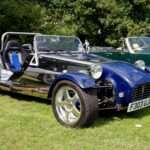
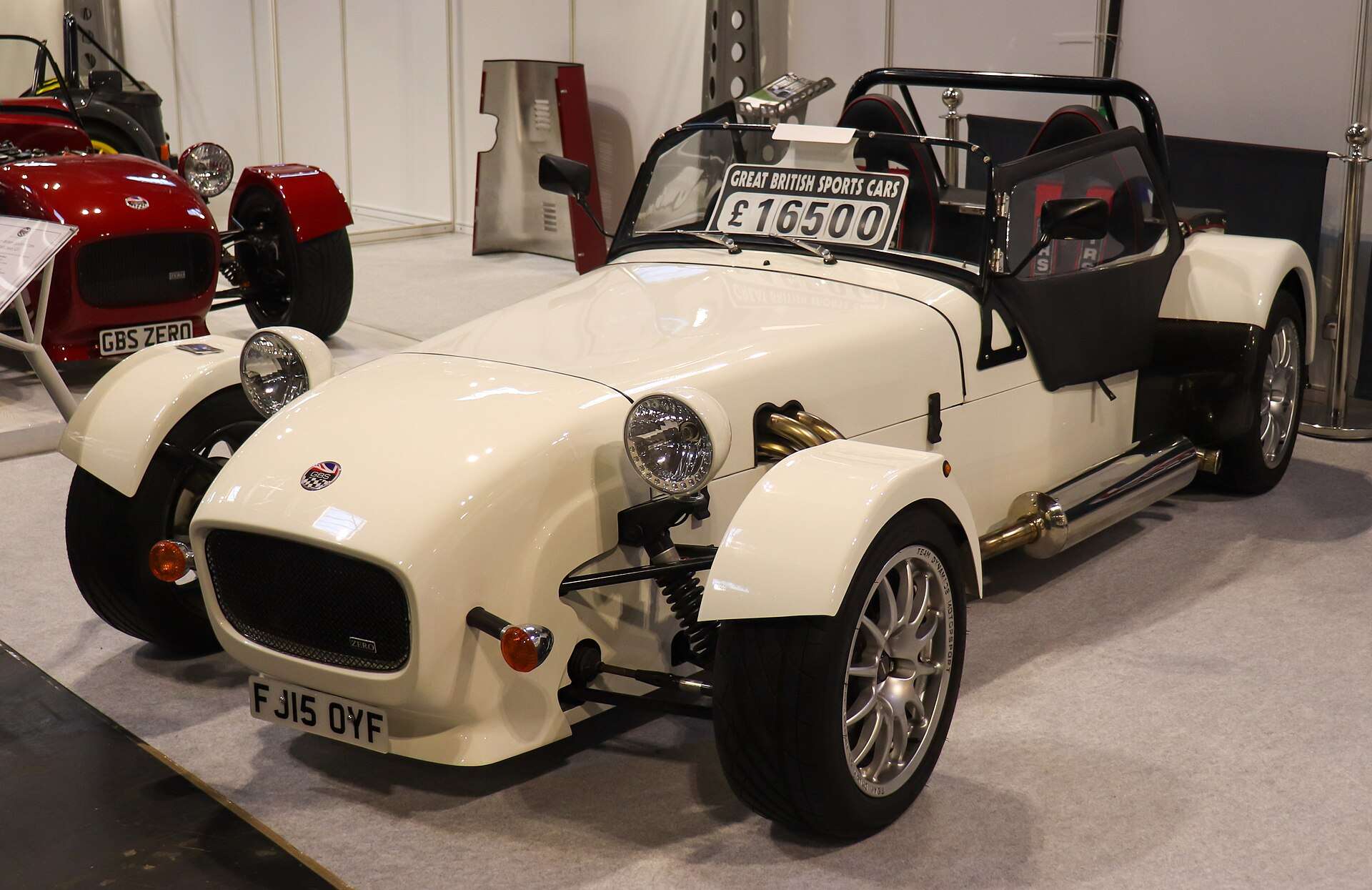
Featured photograph: Vauxford, CC BY-SA 4.0, resized. The featured car is a GT; the other photographs illustrate individual examples from the wider Zero family.
Further model information: GBS official range and generation information.
More buying and building advice
Explore our Kit Cars hub, donor-vehicle guide, used-car inspection checklist and UK registration and IVA guide.
Kit cars for sale on eBay UK
Browse kit cars from different makers, from unfinished projects to road-going builds.

Browse more kit cars on eBay UK
Enjoy cars you don’t see every day?
Get unusual car stories, kit-car guides and interesting finds from Unusual Cars by email.
Free to join. Unsubscribe whenever you like. Read our privacy policy.