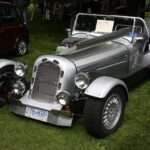
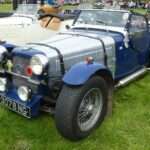
The NG TF combines flowing wings and traditional roadster proportions with the individuality of a component-built car. It belongs to a family of designs whose similar appearance can hide important mechanical differences. If you are considering one, start by identifying exactly which NG you are viewing and how it was built, then assess whether its comfort and weather equipment suit the motoring you have in mind.
Where the TF fits in the NG family
The NG Owners Club records Nick Green establishing the marque in 1979. The 2+2 TD arrived in 1983; flowing front wings produced the TF later that year. The club distinguishes the cycle-wing TD, the flared-wing TF, the Marina-based Ascot and the Ford-based Henley. Original NG mechanical packages were based on the MGB, while other donors and V8 installations also feature in the marque’s history. An NG TF is not an MG TF, despite the potentially confusing letters.
Identify the mechanical package
Ask for original invoices, build photographs and a list of donor parts. Record engine and gearbox identification, rear axle, steering and brakes. If a V8 has been fitted, establish whether the car was built around that installation or converted later, and ask for the relevant documentation. Avoid assuming that one donor handbook covers every component.
For a four-cylinder car, assess the fitted engine on its condition and service history rather than dismissing it in favour of a larger alternative. For any conversion, look at cooling, exhaust routing, control operation and access for servicing. A coherent modest-power installation may be a better touring companion than a more ambitious car with unresolved details.
Look beneath the traditional finish
Inspect the chassis, crossmembers, suspension mounts and accessible areas beneath the body. Look for corrosion, trapped debris, damaged coatings and old repairs. Check how body panels, wings and running boards are supported. Investigate cracks near fasteners or areas that move when lightly loaded, with the owner’s agreement.
Seat and belt attachments, floors and the bulkhead deserve the same attention as the engine bay. Ask a specialist to assess structural concerns. Do not place too much weight on fresh paint underneath unless the seller can show the preparation and condition before it was applied.
Weather protection and passenger space
Put the hood up and check its fit, then operate the doors and inspect any side screens. Examine stitching, seals, frame joints and fasteners. Look beneath carpets for damp and test wipers, washers and heating equipment. A touring-focused car should be assessed in its closed configuration, not only with the roof folded neatly away.
Try both front seats, check the driving position and assess entry and exit. Treat the rear accommodation as something to inspect in person rather than assuming that 2+2 means comfortable adult seating. Check all installed restraints and whether the available space works for the passengers you actually intend to carry.
Road test and ownership planning
From a cold start, watch the engine warm through and check that temperature remains stable. Test every gear, listen for rear-axle or driveline noise and check for leaks after the drive. Inspect the tyres and wheels carefully, including any wire-wheel equipment where fitted. Obtain appropriate specialist advice if the assembly or maintenance history is uncertain.
A complete car with good weather equipment and a clear build file is generally easier to evaluate than a stalled restoration. Before buying missing brightwork, screens or model-specific fittings as a future problem, establish a realistic supply route. Verify identity and registration history separately from the donor’s age. The NG TF makes a compelling individual tourer when its construction, comfort and upkeep have received equal attention.
A traditional tourer built from familiar ingredients
The NG TF’s attraction is easy to understand: a long bonnet, flowing wings and an upright windscreen create a very different experience from a modern open sports car. Beneath that appearance, however, the important questions concern the individual build. It is not enough to decide that you like the shape and prefer one engine over another. Establish how the car was assembled, which components it uses and whether the practical equipment works as intended.
That is particularly important if you want to tour. Weather protection, seating, luggage and easy access to service items can make the difference between a car used regularly and one that stays in the garage. Decide what a normal outing looks like for you before viewing. A short summer run, a weekend away and frequent long-distance travel place different demands on the same basic design. Judge the car against those needs, not only against the image that first attracted you.

Separate the model name from the donor
The NG range includes cars with related looks but different donor foundations. Use the club’s model information to establish the starting point, then verify the actual components. A seller’s use of TF as a convenient description is not a substitute for chassis and build records. This matters when ordering parts, valuing a conversion or comparing two cars. The correct answer may require more than one donor manual if assemblies have been changed over time.
Write a specification sheet covering engine, gearbox, rear axle, front suspension, steering and brakes. Add wheel and tyre details and any significant electrical changes. Photograph identification marks where accessible and permitted. Keep uncertain items clearly marked rather than filling gaps with assumptions. An organised owner may already have this information, which is a useful advantage. It allows a future mechanic to work from evidence rather than repeatedly reconstructing the build from its appearance.
What an NG TF build record can reveal
The firsthand NG Kit Car website documents a standard TF 1800 chassis, including the MGB crossmember attachment, body cushioning strips and torque braces. It also describes protection where pipes pass through chassis members. These details are valuable when understanding one documented build, but they should be checked against the appropriate manual and the particular chassis you are inspecting. They are not instructions to alter an unfamiliar car without assessing its version.
Ask for photographs from before the body was fitted. They may show corrosion protection, mounting arrangements and the original routes of fuel and brake pipes. Compare those views with the present car and investigate unexplained changes. A comprehensive file is especially useful when the builder is no longer available to answer questions. It can distinguish deliberate engineering from a later improvised repair, and it helps an inspector identify which areas deserve closer attention.
Steel structure, GRP panels and separate jobs
The builder’s bodywork account identifies a GRP tub, wings, radiator cowl, rear valance and headlamp bowls, together with aluminium bonnet panels and numerous brackets. That mixture explains why a body inspection should not be reduced to checking the shine of the paint. Look at each component’s support and attachment. A cracked wing fixing, an ill-fitting bonnet and corrosion on the main structure are different problems with different repair requirements.
Arrange a safe underside inspection and follow the chassis systematically. Look for damaged coatings, dirt traps, local corrosion and evidence of grounding or impact. Examine the relationship between body and chassis, particularly where movement or repeated cracking has been reported. Fresh paint is useful only when the preparation beneath it is understood. Ask for photographs of repairs before they were covered, and obtain specialist advice where the structure or quality of welding is uncertain.
Four-cylinder MGB power: assess the actual engine
An MGB-derived installation can offer a familiar starting point for maintenance, but decades of rebuilding and modification mean that identification still matters. Establish engine details, induction and ignition arrangements, and whether any work has changed the original specification. Ask for receipts that describe what a rebuild involved rather than relying on the word “rebuilt”. A painted engine with a new gasket visible is not evidence that every worn internal component was renewed.
Request a cold start and watch for consistent running, unusual smoke and leaks. Once warm, assess response under normal load and behaviour after a short stop. Check the cooling and charging systems as well as the engine itself. Ask about oil consumption and the interval between coolant top-ups. If there is uncertainty over mechanical condition, a specialist assessment is more useful than trying to infer it from an exhaust note or a brief idle on the driveway.
Enjoy cars you don’t see every day?
Get unusual car stories, kit-car guides and interesting finds from Unusual Cars by email.
Free to join. Unsubscribe whenever you like. Read our privacy policy.
V8 examples need a broader inspection
A V8 can be an appealing part of the NG experience, but it should bring a more detailed review of the whole installation. Establish whether the chassis was supplied for that configuration or converted later. Ask for records covering the gearbox, axle, brakes, cooling and exhaust as well as the engine. Inspect service access and the clearances around hot components. An engine that fits physically is not, by itself, proof of a complete and well-developed conversion.
Try the car at ordinary speeds before concentrating on performance. Check clutch effort, low-speed control and cruising behaviour. Consider whether the sound, heat and fuel requirements suit the journeys you intend to make. A larger engine may be enjoyable without being necessary for your use. Compare cars by the quality and completeness of the engineering rather than assuming that a V8 automatically makes a more desirable purchase than a well-sorted four-cylinder example.
Transmission and axle checks
Identify the transmission and ask whether overdrive or any other additional function is fitted. Test each function using the correct procedure explained by the owner and relevant documentation. Listen for abnormal noise when driving under load and when lifting off, and assess warm gear selection and clutch take-up. Inspect for leaks afterwards. If a seller describes a fault as an easy electrical fix, ask for it to be resolved or obtain a diagnosis before pricing the car.
Check axle and driveline mountings, joints and clearances as part of the underside inspection. A clonk can have several causes, and guessing from the driver’s seat can lead to an inaccurate repair budget. Ask about previous work and the parts used. The ratio and gearing also affect touring comfort, so note engine speed at a normal cruise. A specification that feels lively locally may be less relaxed on the longer journeys you have planned.
Suspension condition before upgrades
Determine whether the suspension remains broadly donor-derived or incorporates later specialist components. Record the dampers, springs, bushes and any altered arms or mounting points. Look for uneven ride height, damaged attachments and evidence of contact. Ask what settings are used and when they were last checked. A car described as uprated may be excellent, but the word alone says little about suitability or present condition.
On the road, assess the way the car settles after bumps, the consistency of steering and whether it tracks predictably. Inspect tyre wear and ask whether alignment was checked after recent changes. Avoid assuming that a harder ride is necessarily more sporting or that adjusting the dampers will cure every handling concern. A specialist can help separate worn components, unsuitable settings and structural issues before you commit to a car that needs more than routine servicing.
Wheels and brakes require their own examination
Where wire wheels are fitted, have their condition and associated hubs assessed by someone familiar with the assembly. Identify the correct maintenance requirements and ask for evidence of attention to them. Do not judge condition solely by clean spokes and bright finish. With any wheel type, examine fitment, damage, tyre age and signs of rubbing. A low-use classic-style car may still have old tyres with apparently generous tread.
Inspect the complete braking system, including hard lines, flexible hoses, fluid condition and parking-brake operation. Establish whether later changes have altered the original arrangement and whether those changes were assessed together. During a controlled test, look for straight, progressive stopping and a consistent pedal. Unexplained pulling, leakage or excessive travel needs investigation. Attractive replacement components do not remove the need to check how the whole system behaves.
Cooling behind the traditional radiator cowl
The traditional front end makes the cooling installation an important inspection area. Examine the radiator support, available airflow, fan arrangement and hose routing. Look for chafing or signs that the radiator can contact nearby parts. Ask how the system has behaved in traffic and whether any modifications were made to address temperature concerns. A larger replacement radiator may be sensible, but its presence does not establish that the original cause was understood.
Observe temperature during a proper warm-up and after a drive, including a stationary period. Check the fan’s operation and ask whether instruments have been verified when faults were investigated. Do not open a hot pressurised system. For touring use, stable operation in slow traffic is as relevant as a successful run at speed. If the car has recently returned to the road after years of storage, allow for a thorough assessment rather than assuming a fresh battery makes it ready for a long holiday.

Hood, screens and passenger comfort
Ask for the entire weather-equipment routine to be demonstrated. Check the hood frame, fabric, fasteners and side screens, and establish where removable pieces are stored. Look for stressed stitching, brittle clear sections and missing fittings. Test access with the hood raised and check whether the doors and screens meet properly. A collection of parts in the boot does not prove that a complete, usable weather system is included.
Sit in both front positions long enough to assess support and clearance. Check how belts fit and inspect their mounting arrangements. If you intend to use the rear accommodation, assess the actual seats and restraints for the people concerned rather than relying on the 2+2 description. Consider luggage at the same time. The space that appears available with two occupants may be needed for roof equipment or bags when the car is used differently.
Electrical details that improve touring
Test every light, switch and instrument, together with the wipers, washers, blower and charging system. Ask the owner to explain additions and unusual controls. Inspect accessible wiring for secure support, protection at panel edges and sensible routing away from heat. A clearly labelled fuse arrangement and a diagram of changes make future fault-finding much easier. Familiar donor components can still be connected through a highly individual loom.
Check whether the battery can be reached and serviced without awkward dismantling and whether its restraint is sound. If an isolation switch is fitted, learn its intended use and what circuits it affects. Do not alter wiring during a viewing. For a car with unexplained electrical faults, obtain a proper assessment rather than assuming every issue is a poor earth that will take minutes to fix. Small unresolved problems can become particularly inconvenient far from home.
Parts support: distinguish history from availability
The NG Owners Club’s July 2021 newsletter reported that Findhorn Cars had ceased trading and that remaining stock had been acquired to assist owners. That is useful context when reading older adverts promising complete kits or unrestricted parts supply. It is not evidence that a particular item is available today. Before buying a car missing a windscreen, hood component, body panel or proprietary bracket, obtain a current answer about that exact part.
The club’s technical archive includes original parts listings and owner articles, making it a useful starting point for identification. Treat historical instructions as records of particular versions and compare them with your car. For a repair that affects structure, steering or brakes, use appropriately qualified advice rather than treating an old newsletter as universal approval. Current availability and correct application are separate questions, and both need answering before you spend money.
Projects need an honest inventory
For an unfinished TF, list what is included and what still needs to be bought, refurbished or fabricated. Inspect loose components rather than accepting that boxes contain everything required. Identify missing model-specific items early, because they may determine the viability of the project more than the engine. Obtain estimates for specialist work and allow time for sourcing. A car that can move under its own power may still be a long way from being a completed, dependable road vehicle.
Verify identity and registration status separately from the age of the donor. Do not infer exemptions or approval requirements from a year displayed in an advert. Use current authoritative guidance and resolve uncertain paperwork before purchase. Keep the original build records and document later changes clearly. An organised history makes the car easier to maintain and helps future buyers understand exactly what they are being offered.
Choosing a TF you will actually use
Compare prospective cars by structure, completeness, comfort and the quality of their records. Set aside an initial servicing budget and distinguish necessary repairs from optional cosmetic changes. Ask the owner what they would improve next and whether recurring issues remain. An honest explanation of limitations is more valuable than a claim that the car is perfect. If the design is unfamiliar, a specialist inspection can turn a vague impression into a realistic ownership plan.
At handover, collect manuals, diagrams, service part numbers, keys and all agreed weather equipment. Record the normal starting procedure and any non-standard controls. Build confidence with progressively longer journeys after establishing a maintenance baseline. The NG TF can provide distinctive, traditional open motoring with a very personal character. Its strongest examples combine that appearance with careful construction and practical equipment that works, making the car enjoyable beyond the first sunny afternoon.
Sources and further reading
- NG Kit Car: firsthand TF chassis build
- NG Kit Car: TF bodywork construction
- NG Owners Club: July 2021 parts-support notice
- NG Owners Club: technical articles and original parts listings
Explore more kit cars
Compare models in our Kit Cars hub. Planning a build? Read our donor-vehicle guide and UK registration and approval guide.
Photo: allen watkin, CC BY-SA 2.0. Resized for display; hub thumbnails may be cropped.
Kit cars for sale on eBay UK
Browse kit cars from different makers, from unfinished projects to road-going builds.

Browse more kit cars on eBay UK
Enjoy cars you don’t see every day?
Get unusual car stories, kit-car guides and interesting finds from Unusual Cars by email.
Free to join. Unsubscribe whenever you like. Read our privacy policy.